The Ancient Civilizations Map Everyone Gets Wrong
The , Year Gap In Global Timelines
Pull up a standard world history chart. The first dot lands on Sumer or Egypt, around BC. Clean. Orderly. And it erases everything that came before.
That gap swallows roughly eight millennia of complex human activity. Organized labor, monumental architecture, shared belief systems — all of it existed long before anyone pressed a cuneiform tablet into wet clay in Mesopotamia.
Which creates a massive blind spot. Map only the societies that left written records, and you miss the builders who actually invented permanent space and collective identity for the rest of us.
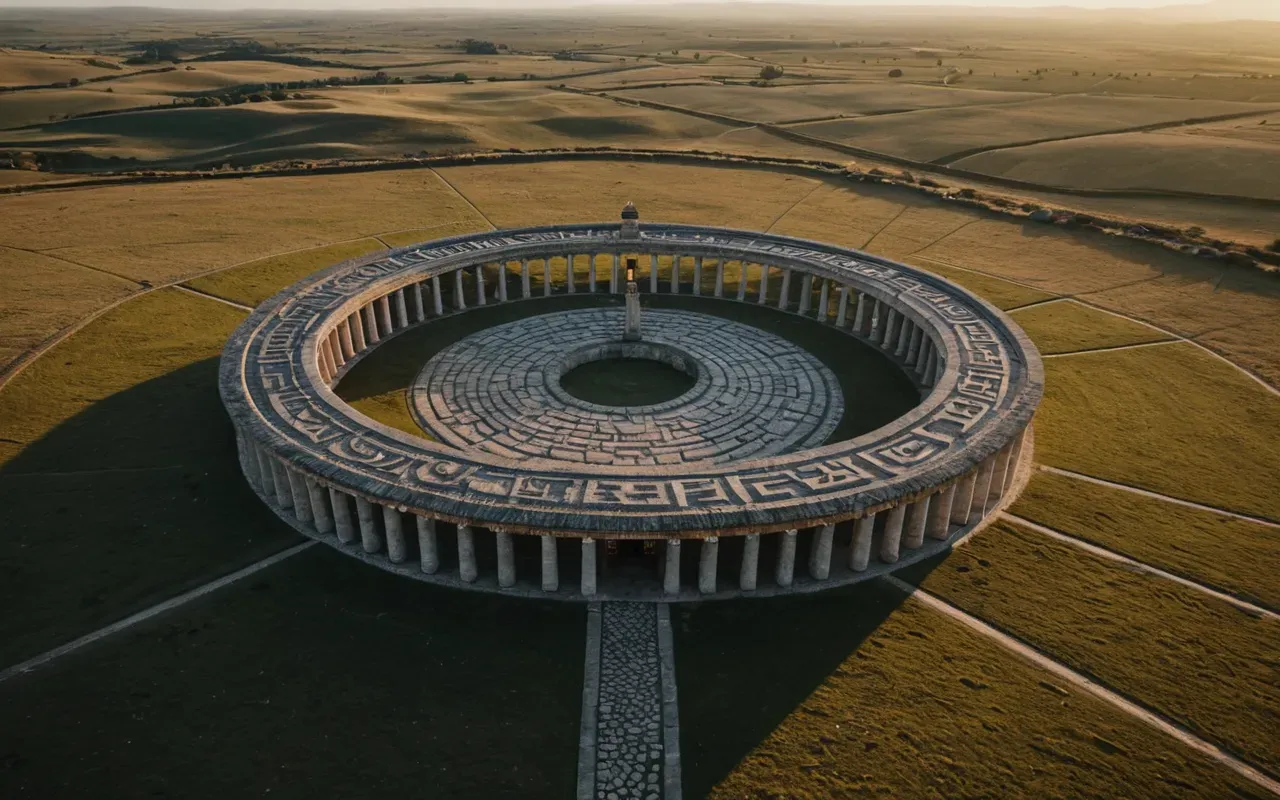
I keep running into this error in documentaries and school textbooks. They frame the Neolithic revolution as a sudden flip from wandering tribes to settled cities. That binary is just wrong.
The reality was messier, and far more interesting. People were already raising permanent sanctuaries while still hunting wild game for dinner. Social complexity came first. The agricultural infrastructure trailed behind.
Why The Standard Timeline Fails Modern Readers
The standard model leans on a very narrow definition of civilization. Writing and metal smelting, or you don't get in the door of human history.
But those are tools. A society can carry deep spiritual networks and architectural mastery without a single alphabet. Judging them by that metric is like judging a library by how many laptops it owns.
So we need to rethink what goes on our maps. Not just a list of empires and their dates. It has to show the human connections that formed across thousands of years before any single ruler claimed authority.
The Stone Circles That Broke The Agricultural Rule
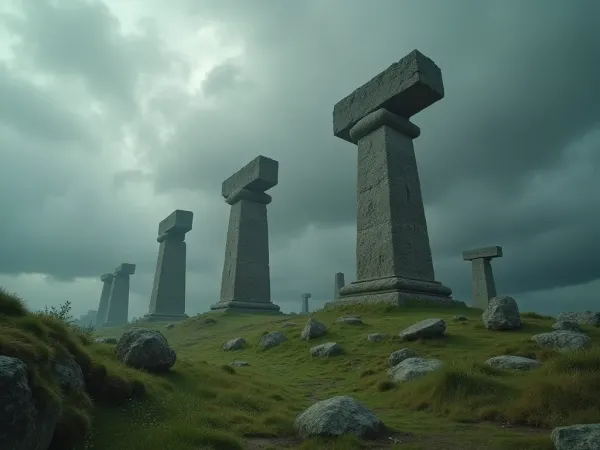
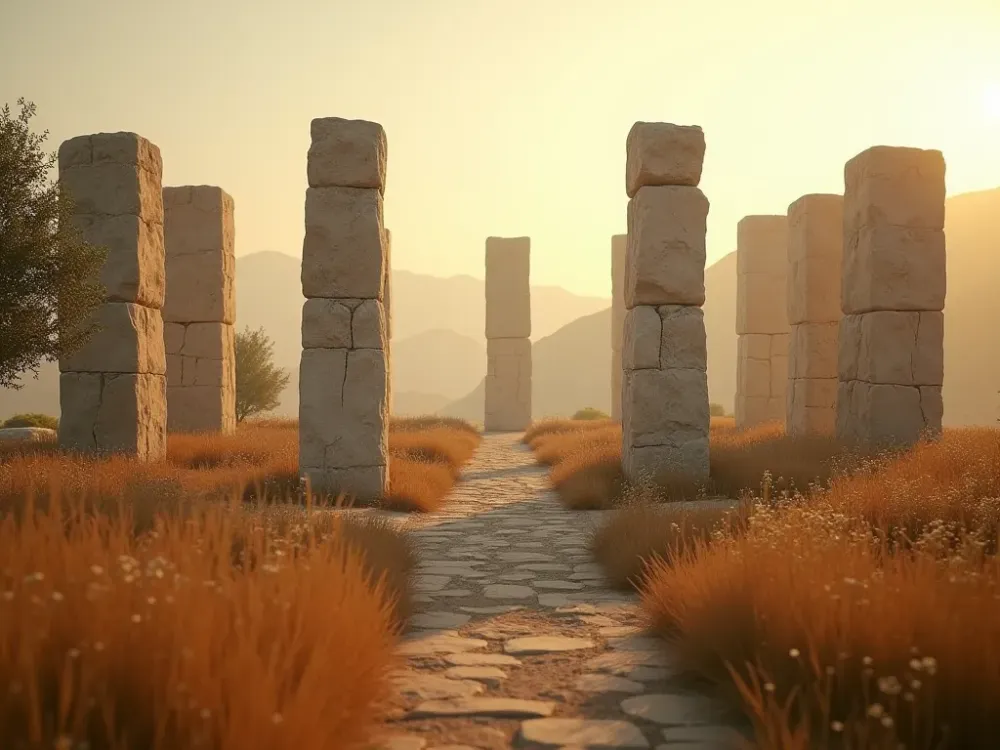
Göbekli Tepe is the prime example of this missing chapter. Massive T-shaped pillars, up to ten tons each.
Here's the thing that trips most people up. The builders weren't farmers. No irrigation systems, no domesticated livestock at the time.
So how did they move those stones? It took a coordinated labor force of hundreds. That implies a level of social organization which, in settled agricultural communities, usually takes centuries to develop.
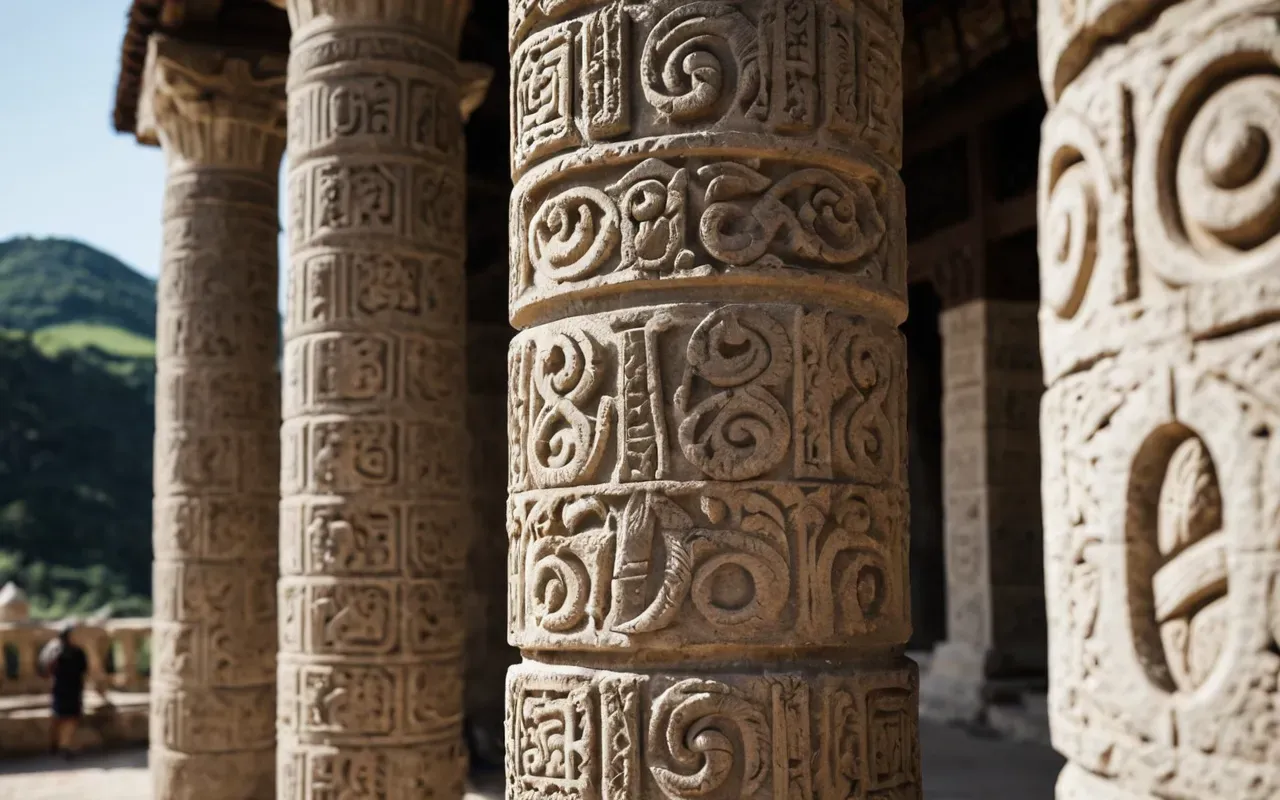
The site also contains no evidence of permanent housing. No kitchens. No grain storage bins.
Instead it reads like a destination. A place people traveled to from surrounding regions for specific events or rituals, then went home to their seasonal campsites.
The Carved Animals And Their Symbolic Meaning
The pillars are covered with relief carvings — foxes, boars, cranes, snakes. Not decorative filler.
Each animal likely carried a specific meaning for the group that carved it together. They represent a shared symbolic language that predates any written word by thousands of years.
Which suggests they had myths and stories about the natural world around them. Narratives that bound the community together without a formal government or a tax system forcing compliance.
The Deliberate Burying Mystery
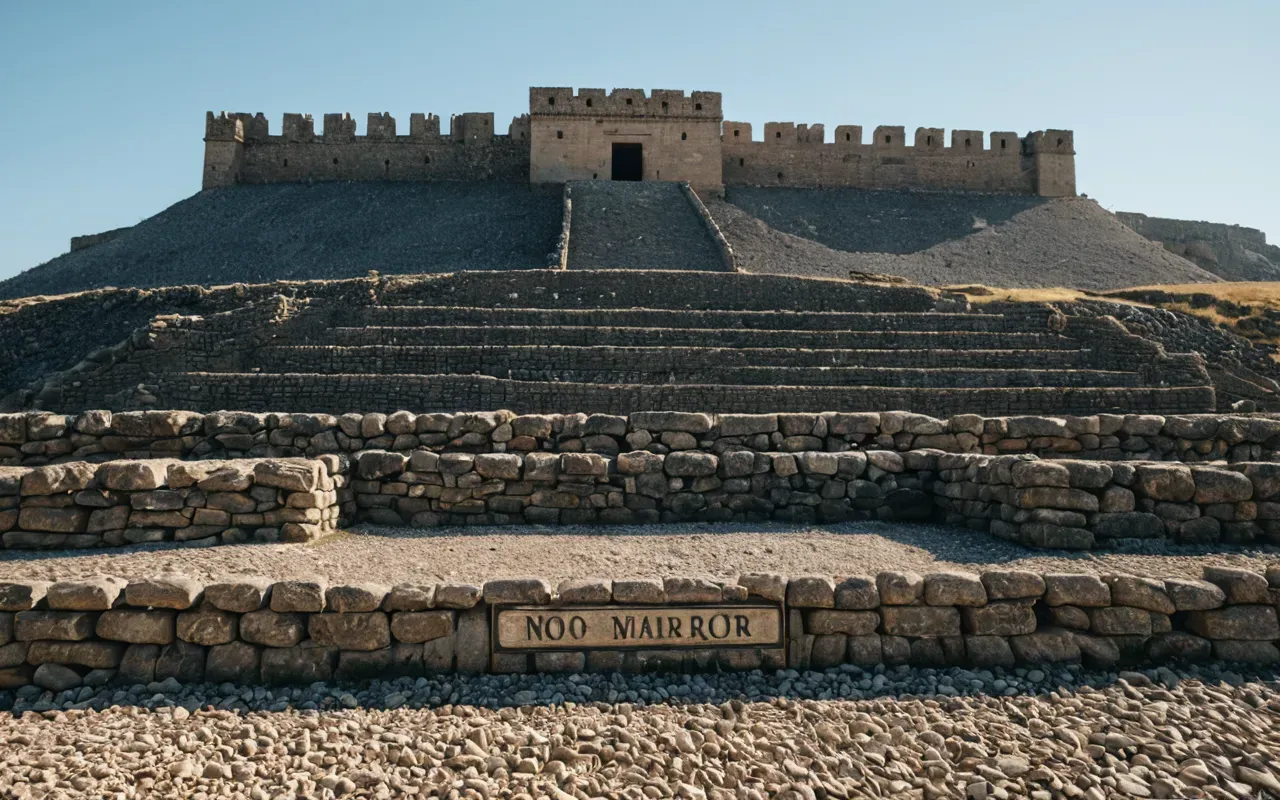
Around BC, the builders started filling these structures back in with dirt and debris.
Not an accident. They put enormous effort into packing everything down tightly beneath the surface of the plateau.
Why bury a monument that took generations to build? Some researchers suggest it was preservation — an act for future ancestors, not destruction.
That behavior shows a long-term perspective. They were thinking about people who would live there ten thousand years after they died.
How Maps Ignore The First Builders Of Humanity
Most digital maps of the ancient world start their timeline with the Indus Valley or early China.
Everything earlier gets filed as a dark age. But that framing is deeply flawed, because it assumes complexity needs documentation to count as valid history.
The Real Origins Of Human Cooperation
Look at the evidence from Göbekli Tepe and other sites nearby in southeastern Anatolia, and a different story emerges.
People were forming networks long before they had any means to store surplus food. They gathered for reasons beyond survival — beyond hunting, beyond sheltering from the weather.
They came together over shared beliefs and the urge to build something larger than themselves. That's a fundamental shift in how we understand human motivation for social structures.
The Role Of Shared Beliefs In Early Society
Belief systems create a sense of belonging that pure survival never can. They give meaning to the act of gathering and building.
You can see it in how the structures at Göbekli Tepe were arranged. The T-shaped pillars face inward toward a central point, enclosing a space for communal experience.
Less about individual power, more about collective identity. Which challenges the idea that early leaders used religion to control populations through fear or resource distribution.
Why The Lack Of Writing Changes Everything
Writing is a tool for administration. It helps manage trade and track resources across large territories.
But it doesn't appear until after the social structures that need managing are already in place. The builders of Göbekli Tepe didn't need a written record to coordinate their massive project.
They used oral tradition and shared physical spaces to transmit knowledge. A different form of intelligence, and one we routinely overlook in favor of textual evidence.
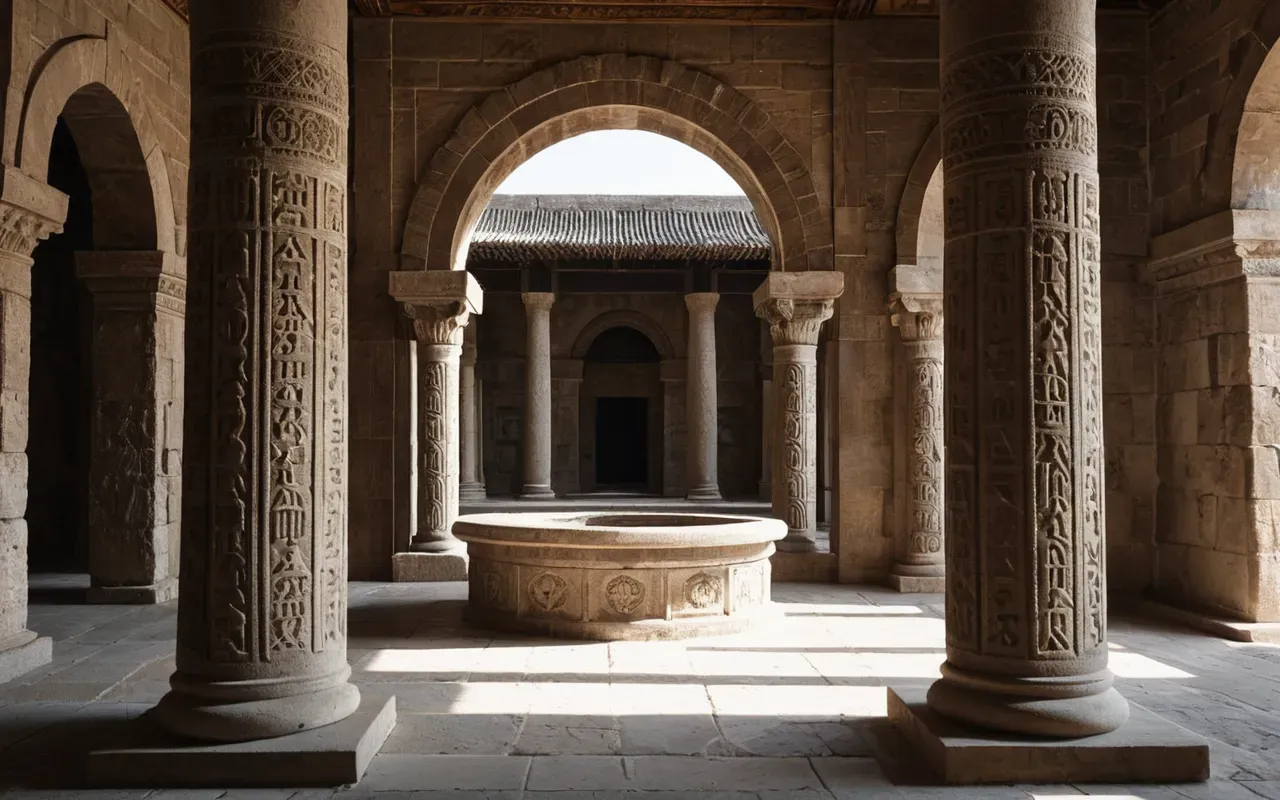
No writing does not mean no thought. It means their thoughts were stored in different ways.
What This Means For The Future Of Our History Maps
We need to expand our definition of civilization. It should include any group that creates complex social structures and shared cultural practices.
A New Way To Understand Human Progress
Progress isn't a straight line from hunter-gatherer to king. It's a branching path of different solutions to the same problems.
Some groups chose agriculture and urbanization. Others focused on mobility and seasonal gathering while still building monumental sites for shared experiences.
The Importance Of Context In Historical Analysis
Every site needs to be understood within its specific environment and social network.
Göbekli Tepe was not an isolated temple. It was part of a wider landscape of similar sites that likely functioned as a regional network of shared beliefs.
This changes how we see the spread of ideas. They didn't just travel with merchants or armies. They traveled through religious gatherings and cultural exchange at sites like this one.
The Challenge Of Mapping The Unwritten Past
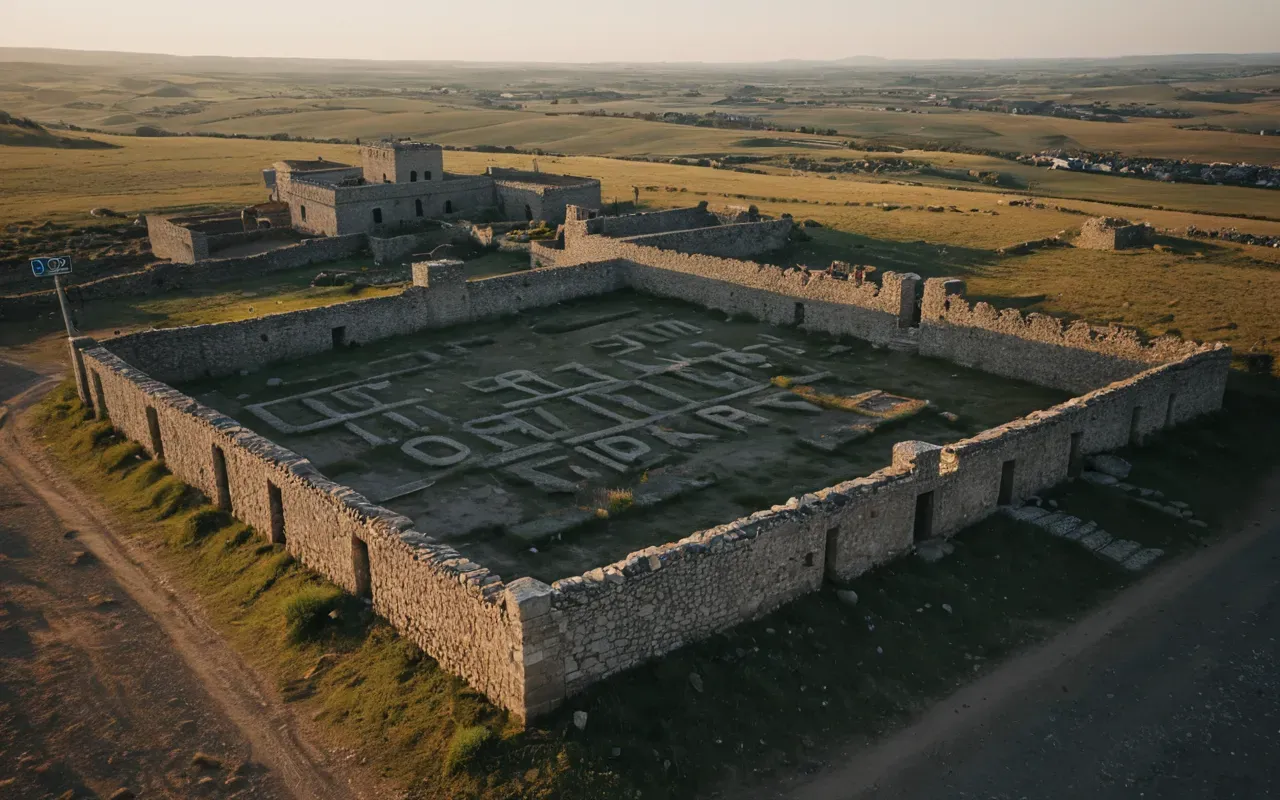
Modern digital tools are great at handling text data. Physical spaces that carry meaning without words? They struggle.
We need new ways to visualize these networks of belief and movement.
This is not just an academic exercise. It changes how we see ourselves as a species.
The Real Story Of Our Collective Origins
We are not a species that became complex only after we learned to farm.
We were already capable of massive collective action and shared meaning long before the first seed went into tilled soil.
How This Reframes The Ancient World For Modern Audiences
It challenges the idea that civilization is a product of scarcity and survival pressure.
Instead it shows us as beings who create meaning even in abundance. We build things not just to survive but to feel connected to something larger than ourselves.
Frequently Asked Questions
Why do most ancient civilizations maps start at Sumer?
Most maps use written records as the primary marker for civilization.
Is Göbekli Tepe older than the pyramids of Egypt?
Yes, it is significantly older.