The forgotten workers behind Göbeklitepe are rewriting human history
The stones everyone talks about are only half the story
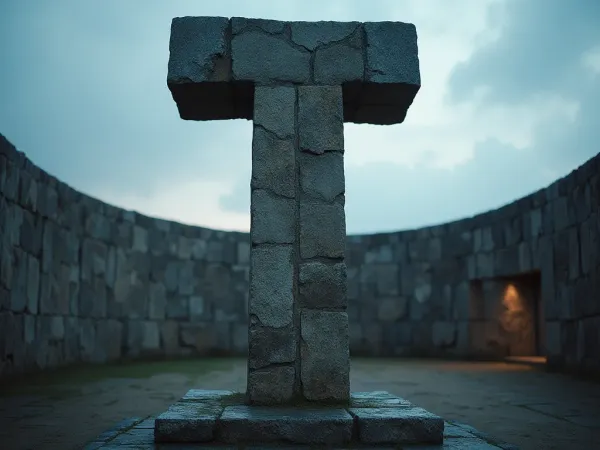
Walk into most museum galleries and your eyes go straight to the T-shaped pillars. Dramatic. Alien-looking. You can't help wondering who on earth carved faces into limestone ten thousand years ago.
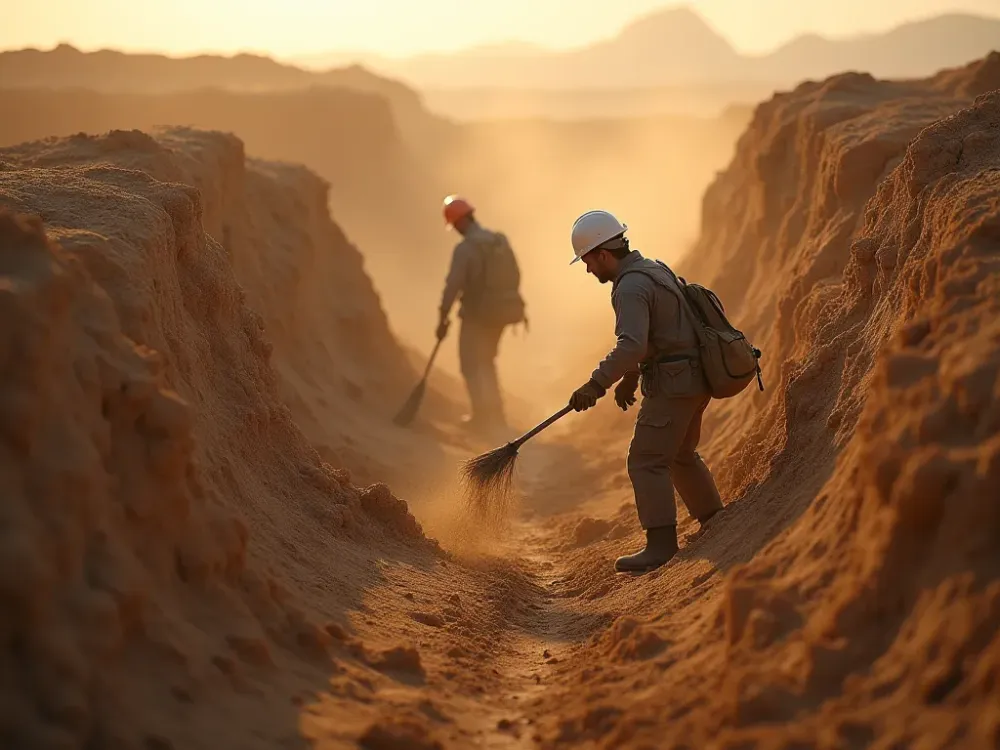
But I keep thinking about the people who never get a plaque. The quarry workers dragging blocks through dust. The planners sketching layouts on flat stones. The cooks keeping hundreds of laborers fed for weeks at a stretch.
Here's the thing. Those unseen workers are where the real revolution actually happened. Not in the carved symbols we photograph for Instagram. In the labor system that made all of it possible.
A hidden fact most readers never notice about the builders
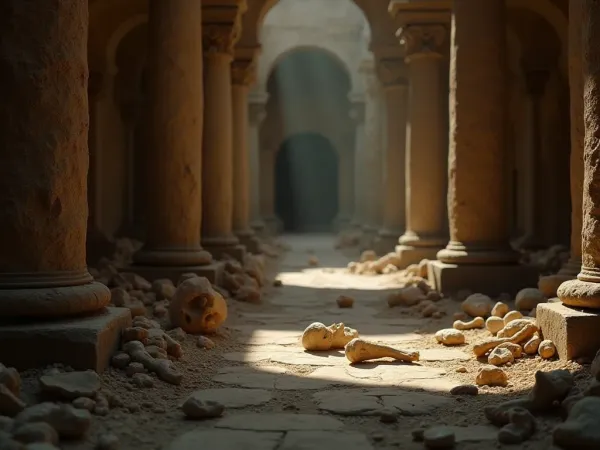
In a small team of researchers noticed something odd in the fill material around pillar enclosures. Tiny fragments of bone with cut marks clustered near the base rather than scattered evenly.
At first glance it looked like typical ritual deposit. But the pattern suggested something else entirely. These were not ceremonial offerings laid down with care.
They looked like food scraps. Real meal residue from people eating on site during long construction shifts. And that changes the whole picture of who was working there and how they organized their days.
I find that detail fascinating because it humanizes the project. These were not faceless ghost builders vanishing into myth. They ate. They got tired. They left behind the same messy traces we do.
What the cut marks actually tell us about daily life
Zooarchaeologists counted at least forty distinct animal species among the residues. Wild boar dominated. But there were also deer antler fragments and small bird bones suggesting varied protein sources across seasons.
That variety matters. A single species would point to seasonal hunting camps. Multiple sources imply sustained cooking operations with some level of planning and storage capacity.
Think about it. You need pots, grinding stones, fire management areas, and probably some form of water collection close by just to keep a crew fed for days without returning home each evening.
Why the labor system breaks every assumption we had about prehistory
For decades the textbook narrative went like this. Humans first developed farming and settled villages. Then they had surplus food which allowed specialization. Only then could large-scale building projects happen.
Göbeklitepe flipped that sequence upside down. The massive structures predate reliable agriculture by thousands of years in the regional record.
So either we got the causal arrow wrong or there was a whole intermediate phase of organized cooperation that never made it into school curricula. I lean heavily toward the second option.
The engineering gap nobody in your history class mentioned
Consider what had to be solved before a single pillar stood upright. Load distribution under soft soil. Drainage during rainy seasons. Lifting techniques for blocks weighing up to ten tonnes.
Modern engineers use computer simulations and heavy machinery for comparable problems. Those Neolithic crews managed with wooden levers, rope lashings, and sheer manpower.
If you want a deeper look at how these methods worked in practice, I found the stone age gear that rewrote the timeline genuinely eye-opening for understanding simple machines used before wheels existed.
A local secret buried in the stratigraphy layers near Enclosure H
Most visitors photograph Enclosures A and B because the pillars are intact. But if you ask any site staff where they spend their quiet moments thinking, several point toward Excavation Area H.
That area contains what researchers call a workshop horizon. Flaking debris from obsidian blades covers an estimated two hundred square meters in dense concentration.
The blade production was not incidental. Someone here made tools systematically for repeated use across many generations of builders.
I keep coming back to that detail. It suggests knowledge transfer through apprenticeship long before written records could preserve technique.

The myth that this was purely a religious site finally collapses under evidence
The word temple gets thrown around so freely in popular articles that it has lost almost all precision. But temples imply priests, regular worship schedules, and theological doctrine.
None of those three elements can be confirmed from the material record at this site. What we do have are communal spaces with elaborate decoration and evidence of collective maintenance.
That distinction matters more than most people realize. A ceremonial meeting place serves a different social function than a house of worship dedicated to specific deities.
What the animal relief carvings actually represent in context
Vultures appear on several inner walls. But vulture imagery in this geographic region often correlates with liminal transition events rather than pure religious iconography.
Lions and foxes show up in dynamic poses suggesting movement through space. That reads more like narrative illustration than static divine representation.
If we accept that reading then the walls become something closer to early pictorial literature than liturgical art. And suddenly the builders were storytellers as much as anything else.
How the workers organized themselves without written commands or formal hierarchy
This is where I get genuinely excited because the answer challenges everything we assume about pre-state societies needing rigid authority structures to coordinate complex projects.
Isotopic analysis of human remains from surrounding settlements shows high dietary similarity across individuals. No obvious elite class with radically different food access emerges.
So coordination likely relied on shared knowledge networks and reciprocal obligation rather than top-down orders from a ruling class sitting in fancy thrones.
Honestly that feels more plausible to me than any pyramid scheme of ancient bureaucrats I have ever read in popular history books.

Why the dating controversy keeps resurfacing and what new methods actually settled it
Early radiocarbon dates placed construction around BCE. Later Bayesian modeling using multiple samples tightened that window considerably.
The current consensus clusters around phases spanning roughly from to BCE with continuous occupation and modification throughout.
That span is enormous. It represents over fifteen hundred years of human activity in essentially the same location with evolving but continuous design choices.
The one date that still puzzles even senior researchers working there today
A single charcoal sample from a deep fill layer returned an outlier value suggesting possible activity as early as ten thousand years before present.
Most teams treat that as contamination from older organic material mixed into younger deposits. But a small minority of specialists argue it hints at earlier presence not yet fully excavated.
To be fair both interpretations remain defensible until deeper trenches open up in the coming seasons of fieldwork.
What visiting the site actually feels like versus what documentaries promise you
I have seen too many videos where narrators stand dramatically next to a pillar and declare we know nothing about these people. The reality on site is quieter and more layered than that.
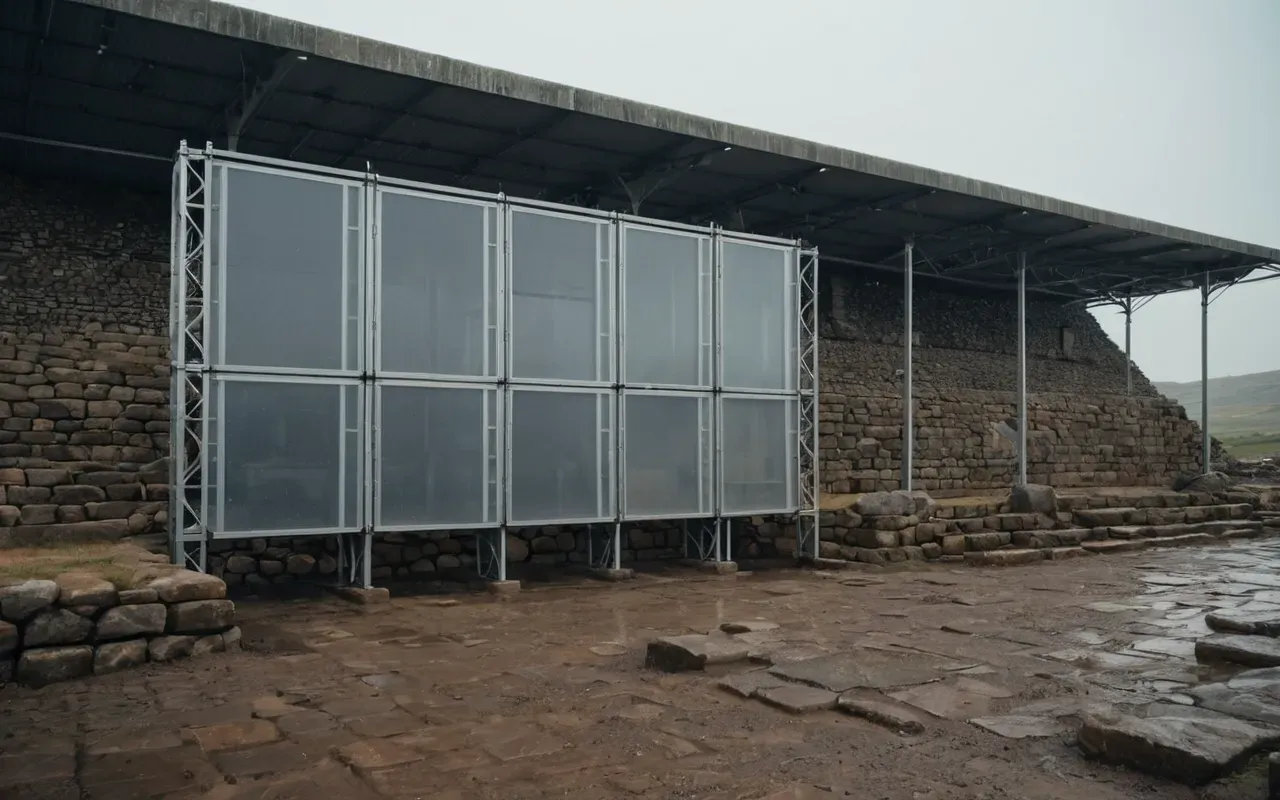
The protective structures are functional not theatrical. You walk between partially exposed enclosures while conservation teams carefully manage humidity and erosion in real time.
There is a small interpretive area where you can see scale models of the full layout. Standing there I finally grasped how much more remains buried than what gets photographed for magazine covers.
The practical details that make this site matter for understanding human capability
Strip away the mystery language and what you are left with is a case study in collective problem solving without modern technology or formal institutions.
People coordinated quarry extraction. They transported heavy materials across uneven terrain. They designed structures that lasted millennia with minimal modification.
They maintained those spaces through generations. They developed tool manufacturing traditions passed down without written manuals.
That is not primitive by any meaningful definition. It is a different organizational model operating under very real physical constraints.
Frequently Asked Questions
Who actually built the structures at Göbeklitepe and what evidence shows their existence as a coordinated workforce?
The builders were Neolithic hunter-gatherer communities who organized labor collectively without formal hierarchy. Cut-mark bone fragments concentrated near pillar bases indicate on-site meal preparation by sustained work crews rather than casual visitors passing through the area briefly.
How old is Göbeklitepe and what dating methods were used to establish its chronological range?
Construction at the site runs from roughly to BCE — that's what Bayesian radiocarbon modeling of multiple organic samples tells us. Which puts it squarely in the Pre-Pottery Neolithic, long before farming took hold across the region.
Why is Göbeklitepe not classified as a temple despite popular descriptions calling it the world's oldest temple?
But "temple" is a loaded word. It implies an organized priesthood, regular liturgical worship — things the material record simply can't confirm. What we do see is communal gathering spaces with ceremonial decoration. What we don't see are clear markers of dedicated clergy or structured theological practice.