Göbeklitepe Reveals Humanity's Ancient Mysteries and Spiritual Foundations
Göbeklitepe's Discovery and Its Profound Impact on Human History
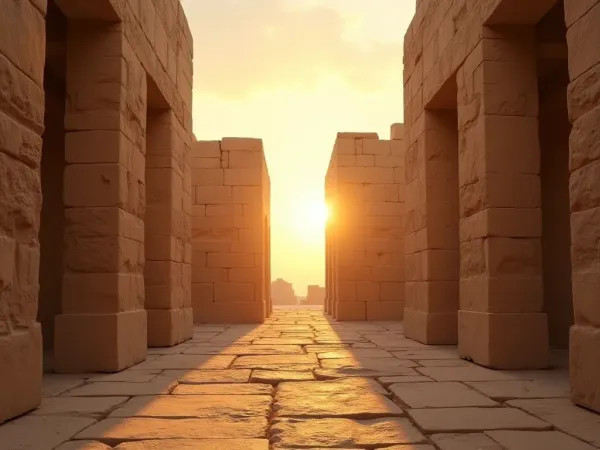
The archaeological site of Göbeklitepe, located in southeastern Turkey near the city of Şanlıurfa, has revolutionized our understanding of early human history since its discovery in the 1960s. Originally thought to be merely a Neolithic settlement, subsequent excavations led by experts such as Klaus Schmidt uncovered monumental T-shaped limestone pillars arranged in circular formations. What makes Göbeklitepe unique is its estimated age—approximately 11,700 years old—placing it firmly in the Pre-Pottery Neolithic period, predating the advent of farming and settled agriculture. This discovery defied the long-held belief that complex religious or spiritual activities emerged only after the development of farming communities, suggesting instead that spiritual or ritual practices may have been a driving force behind early societal development. Its intricate carvings, featuring animals, abstract symbols, and depictions of mythical beings, hint at complex belief systems and social structures that likely fostered communal identities, spiritual beliefs, and symbolic expression among ancient humans. The site’s global significance lies not just in its age but in how it challenges conventional narratives, prompting scientists and historians to reconsider the origins of organized religion and early social cohesion. The realization that humans built such sophisticated and purposeful structures so long ago compels us to rethink the sophistication of prehistoric societies, highlighting that spiritual pursuits might have been as vital as survival itself. Today, Göbeklitepe is recognized as a UNESCO World Heritage site and continues to be a focal point for archaeological exploration and scholarly debate about the earliest forms of human spirituality and community organization.
Unraveling the Mysteries of Ancient Beliefs and Rituals
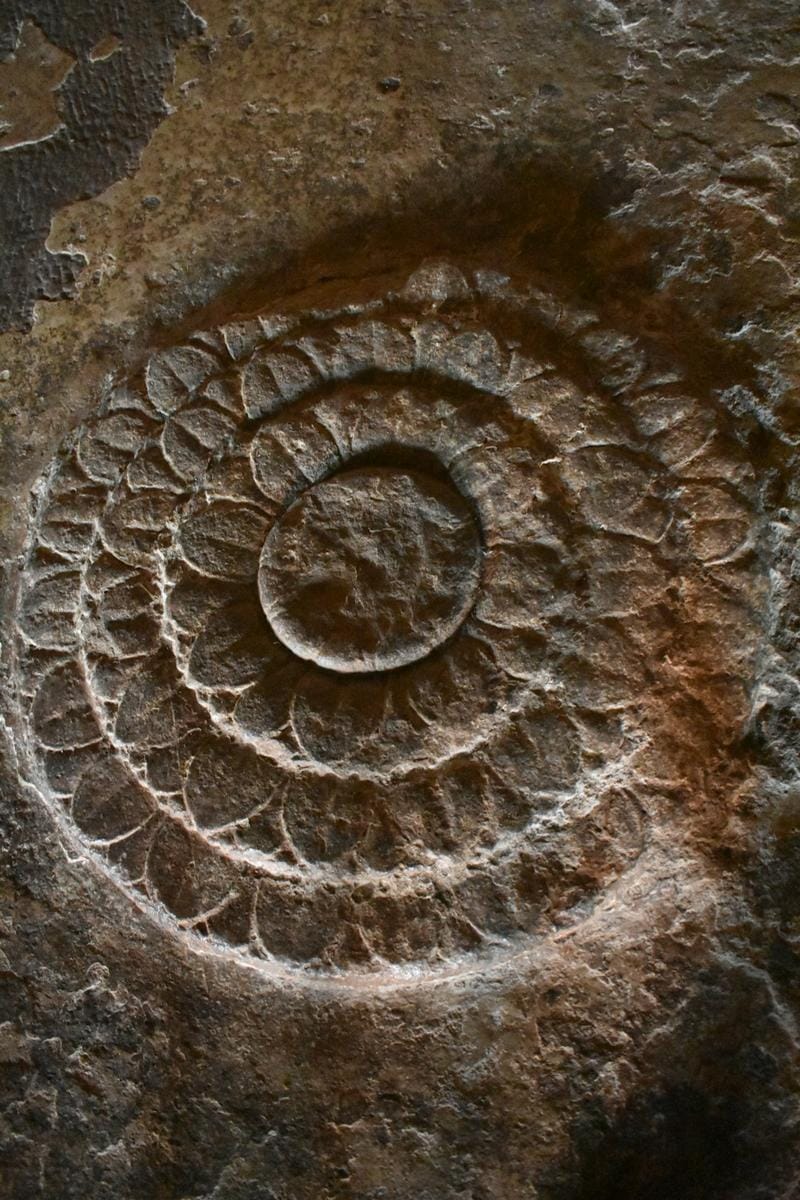
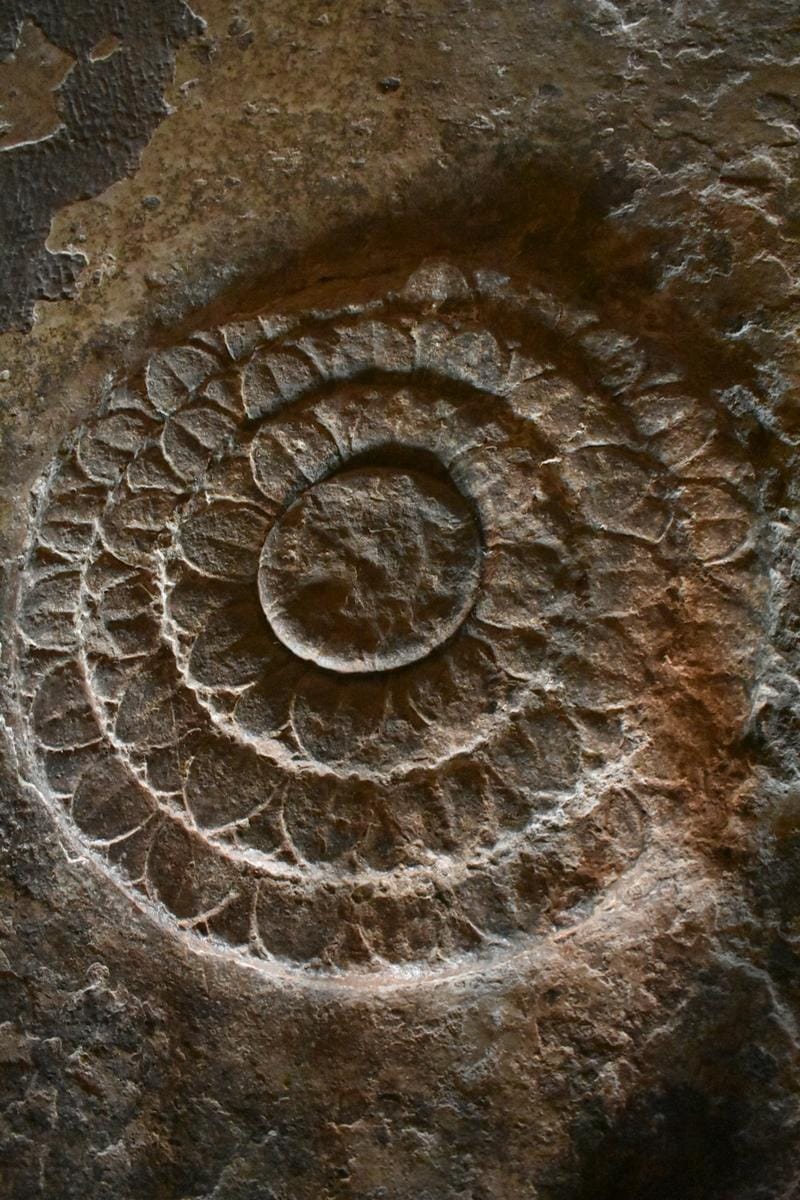
Göbeklitepe offers more than just an archaeological marvel; it serves as a window into the spiritual lives of our ancestors. The site's carved reliefs depict animals such as snakes, boars, foxes, birds, and lions, which researchers interpret as symbols of fertility, hunting, and protection, reflecting the interconnectedness between humans and nature in prehistoric belief systems. The circular arrangements and the presence of carved pillars suggest ritualistic ceremonies likely centered around communal worship or shamanistic practices. Given the lack of domestic artifacts typically associated with settlements, many scientists postulate that Göbeklitepe was primarily a pilgrimage site—a sacred space where early humans gathered for spiritual purposes rather than daily subsistence. This idea challenges existing notions that spirituality and religious institutions only developed after expansive farming communities established permanent settlements. Instead, Göbeklitepe hints at an early, possibly primordial form of organized spiritual expression that played a crucial role in shaping social hierarchies and worldview. Additionally, the site’s discovery sparks questions about the origins of myth and symbolism—elements that are fundamental to understanding early human cognition. The significance of this site in unraveling early consciousness underscores the importance of spiritual connection in human evolution and societal development. Scholars continue to explore the depth of meaning behind these ancient carvings, seeking to decode the fascinating tapestry of beliefs that shaped the earliest human communities.
Gazing Into the Future of Archaeological Discoveries at Göbeklitepe
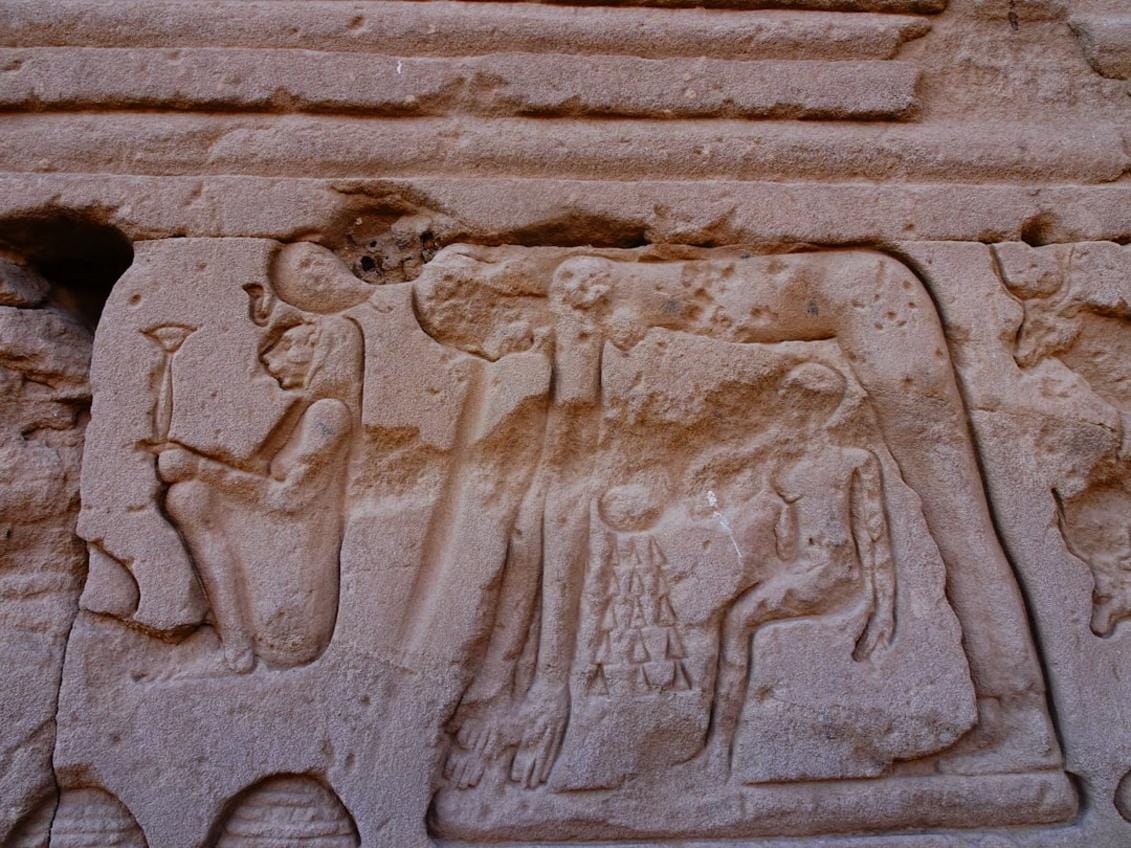
As excavations and research at Göbeklitepe continue, scientists are optimistic about unveiling even more secrets buried beneath its ancient stones. Advanced techniques such as ground-penetrating radar, 3D imaging, and DNA analysis provide new insights into how these early societies organized themselves and interacted with their environment. Ongoing discoveries aim to identify whether there are additional, undiscovered structures linking to Göbeklitepe, which could redefine the geographic extent and societal complexity of this megalithic complex. Remarkably, each new artifact or structure unearthed could shed light on the spiritual and cultural practices that motivated such monumental construction efforts so long ago—efforts that took thousands of years to build and refine. Researchers are also exploring connections between Göbeklitepe and other early sites across the Middle East, suggesting the possibility of a widespread spiritual or cultural network that influenced early human civilizations. The ongoing research highlights the importance of multidisciplinary approaches, combining archaeology, anthropology, geology, and even digital modeling, to piece together this ancient puzzle. For enthusiasts and scholars alike, Göbeklitepe is a reminder that our understanding of the past remains fluid and ever-evolving, with each discovery offering new perspectives on human history. The site serves as a powerful testament to humanity’s enduring quest for meaning, connection, and understanding of the universe—an endeavor that continues to inspire us today.