Unveiling the Mysteries of Göbeklitepe and Its Impact on Human History
Göbeklitepe and the Enigmatic Beginnings of Human Civilization
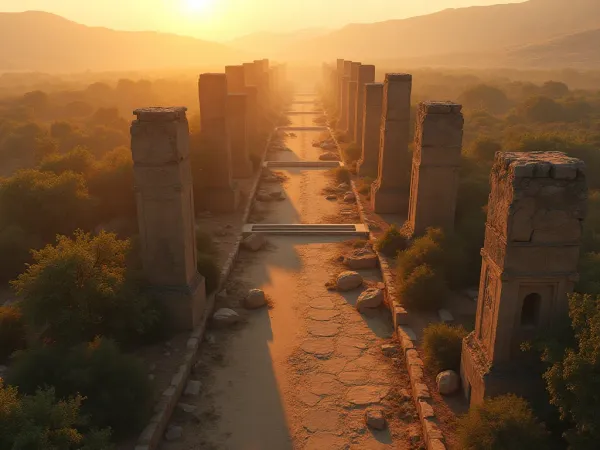
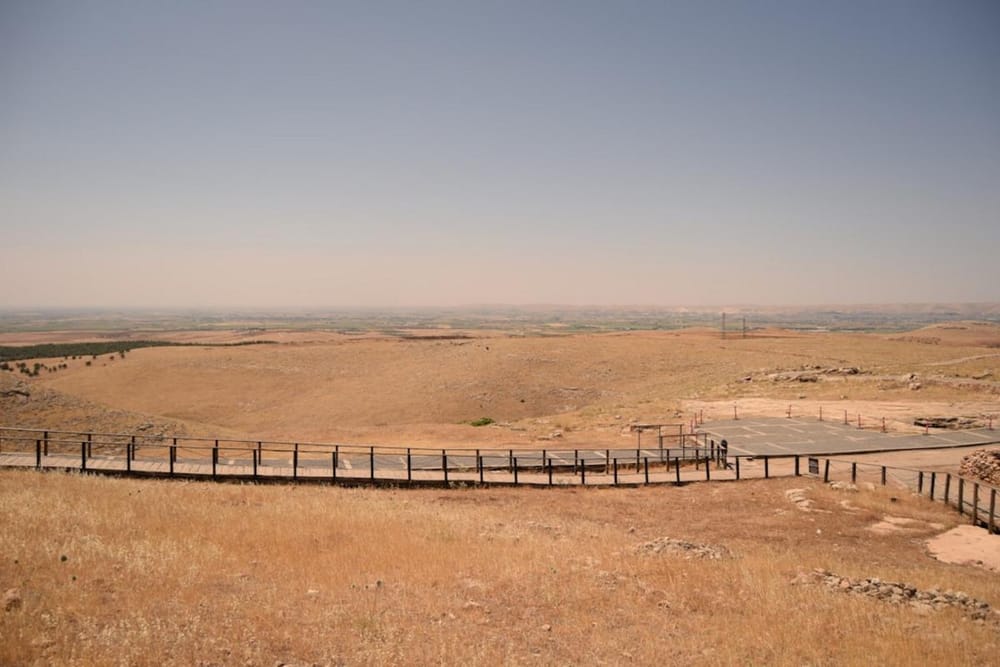
Imagine stepping into a world that predates the invention of agriculture, the rise of cities, and the development of written language—this is precisely what Göbeklitepe offers to modern explorers and archaeologists alike. Located in southeastern Turkey, Göbeklitepe is a remarkable archaeological site that dates back approximately 12,000 years, making it one of the oldest known megalithic complexes in the world. Its discovery in the 1960s initially baffled experts, but subsequent excavations revealed a sophisticated series of circular and rectangular structures adorned with intricate carvings of animals, abstract symbols, and humanoid figures. This site challenges our linear narrative of human progress, suggesting that complex social and spiritual life existed well before the advent of farming. This revelation calls into question long-held assumptions about the chronological development of civilization, pushing experts to reevaluate the role of hunter-gatherer societies in creating monumental architecture and complex cultural symbols. As we uncover more about Göbeklitepe, it becomes evident that early humans possessed a richness of cultural and spiritual understanding that we are only beginning to comprehend. Its significance extends beyond archaeology, inspiring debates about the origins of religion, community, and the human capacity for symbolic thinking, which fundamentally reshapes our understanding of prehistoric life.
Deciphering the Mysteries and Sacred Beliefs of Göbeklitepe
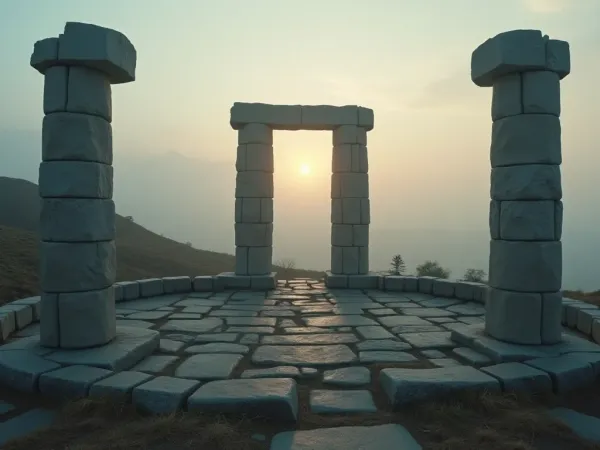
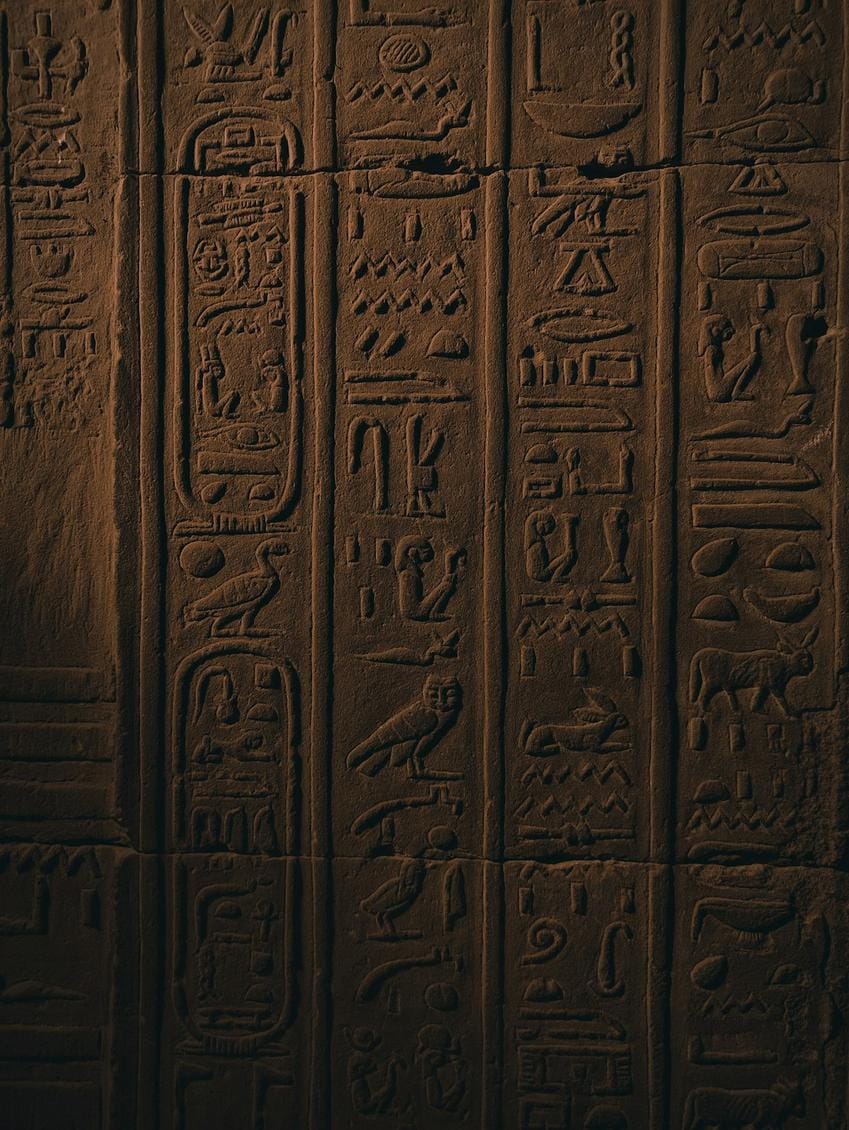
One of Göbeklitepe’s most intriguing aspects is the mystery surrounding its purpose. Unlike other ancient sites, Göbeklitepe does not show evidence of continuous habitation or settlement; instead, it appears to have been a ceremonial or religious center. The massive T-shaped stone pillars, some weighing up to 20 tons, are meticulously carved with depictions of animals such as lions, snakes, and scorpions, alongside abstract symbols that remain undeciphered to this day. These carvings suggest a complex belief system, possibly related to shamanistic practices or mythologies tied to nature and the cosmos. The layout of the site indicates an emphasis on ritualistic gatherings, and the absence of domestic remains points to its role as a sacred space set apart from mundane life. Researchers are also captivated by the idea that Göbeklitepe may have served as a spiritual nucleus for early human groups, fostering social cohesion through shared ritual performances. The site’s construction during a period still dominated by hunting and gathering implies that early humans placed significant importance on spiritual symbolism and collective identity. This challenges our assumptions that complex spiritual life only developed with settled agricultural communities, suggesting instead that spirituality may have been a driving force enshrined in the earliest expressions of human culture.
How Göbeklitepe Rewrites Our Understanding of Human Cultural Evolution
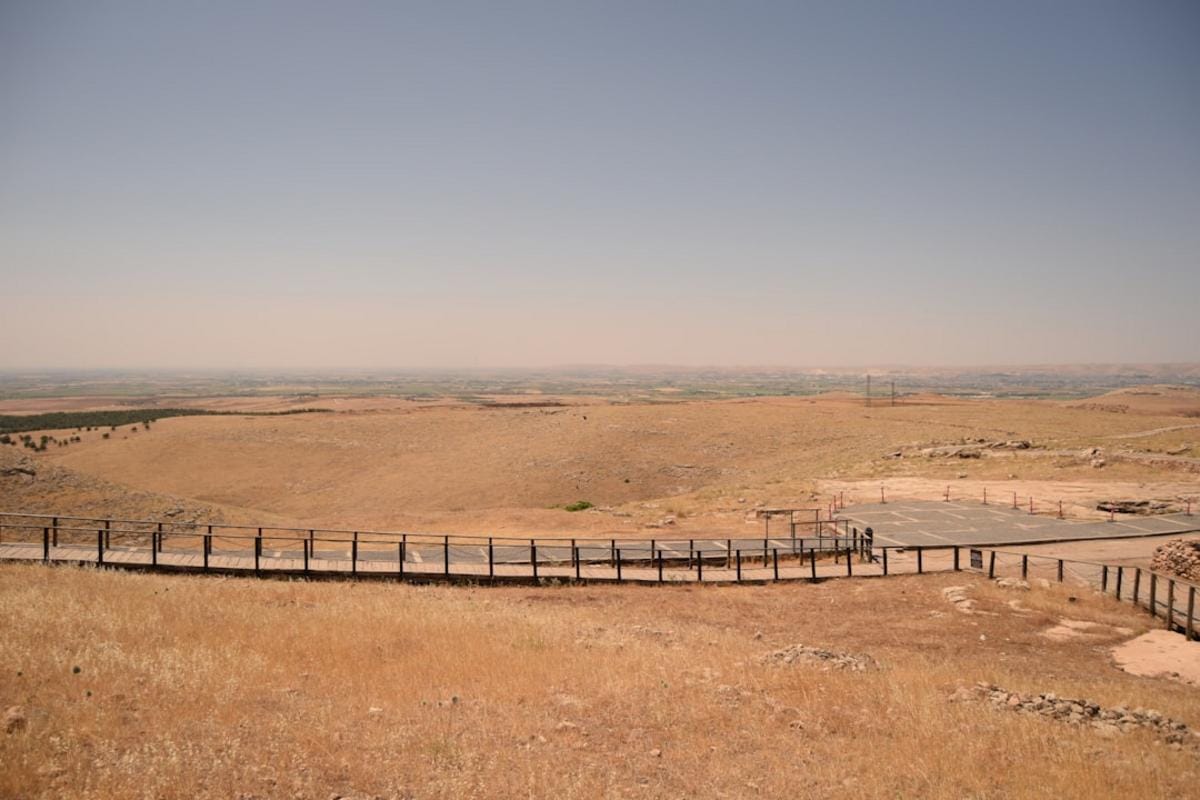
The discovery of Göbeklitepe has profound implications for archaeology and our understanding of early human history. Traditionally, scholars believed that complex architecture and symbolic art only emerged after humans transitioned to settled agricultural lifestyles—a development associated with the Neolithic Revolution. However, Göbeklitepe predates this shift by several millennia, illustrating that early hunter-gatherer societies may have possessed a sophisticated cultural fabric. This site demonstrates that humans had the capability for large-scale construction, symbolic expression, and collective religious practices long before establishing permanent settlements. It suggests that spiritual and social cohesion played a crucial role in early human societies, potentially acting as catalysts for subsequent societal developments. Moreover, Göbeklitepe provides insight into the cognitive and spiritual capacities of our ancestors, indicating that the idea of the sacred or divine was integral to their worldview even in the absence of farming or urbanization. Its enigmatic stones continue to spark debates among scholars, fueling speculation about the origins of organized religion and communal rituals. In essence, Göbeklitepe compels us to rethink the narrative of human progress—highlighting that innovation and spiritual expression have roots far deeper and more complex than previously imagined. As we continue to excavate and analyze its mysteries, this site remains a shining beacon of early human ingenuity and belief systems.