Göbeklitepe and the Enigmatic Origins of Human Civilization
Unveiling the Mysteries of Göbeklitepe and Its Impact on Understanding Human History
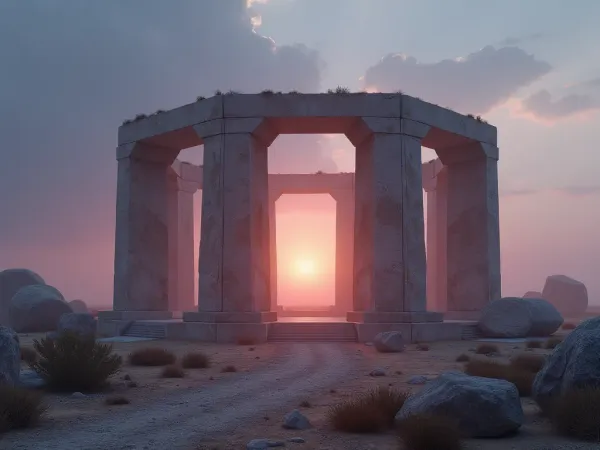
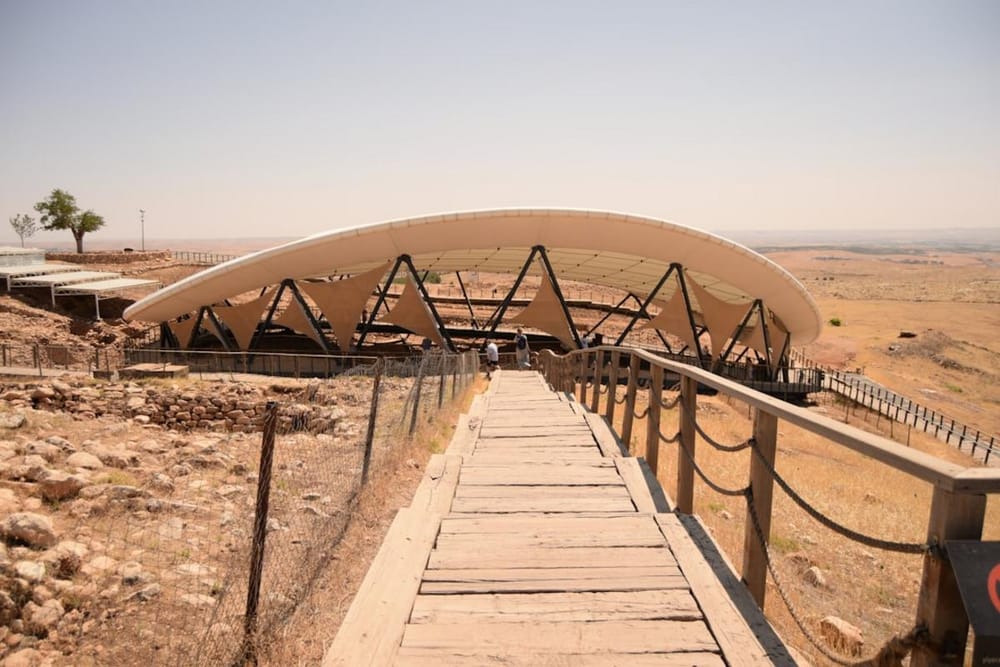
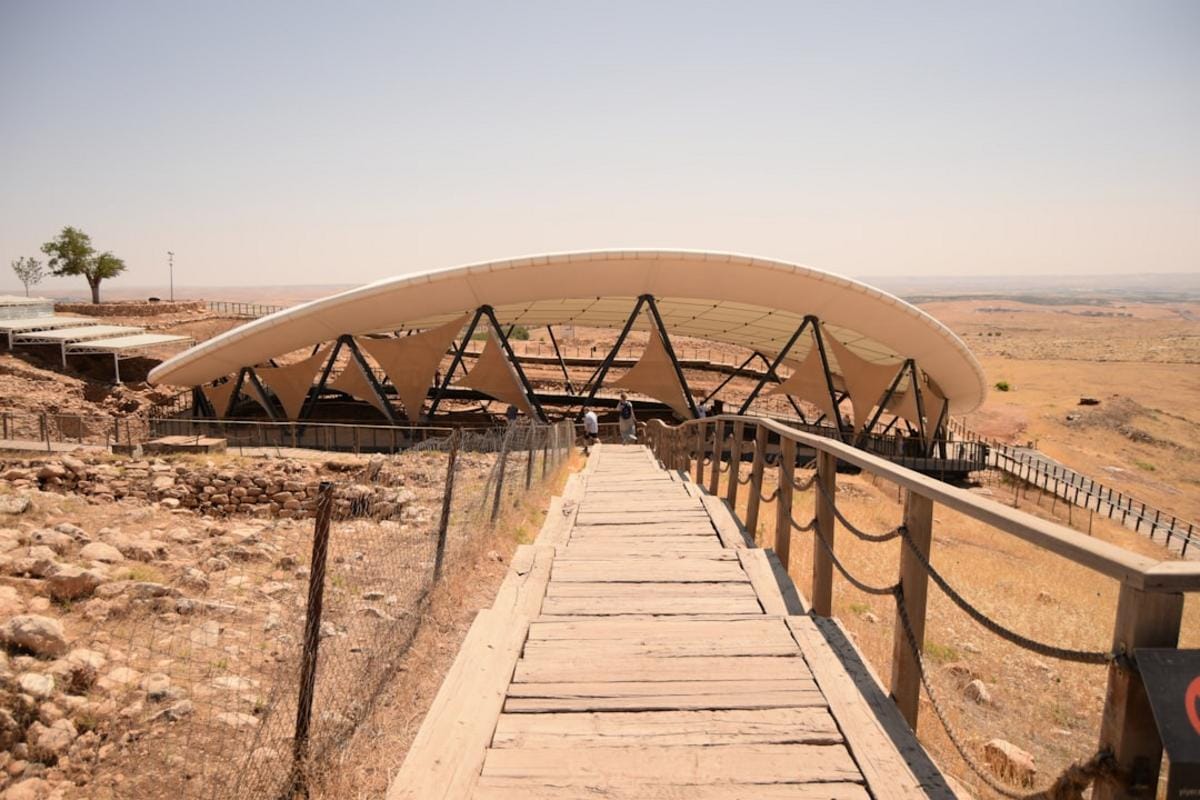
Imagine a site that predates Stonehenge by thousands of years, filled with massive carved stones arranged in enigmatic circles, dedicated to unknown rituals. Göbeklitepe, located in southeastern Turkey, is precisely such a place. Discovered in the 1960s but thoroughly excavated only in the last few decades, it has fundamentally challenged conventional notions of early human civilization. Unlike later agricultural societies, Göbeklitepe was built by hunter-gatherers who seemingly possessed sophisticated spiritual and social structures, leaving us pondering how early humans could have achieved such architectural feats and complex symbolic understanding. This site pushes back the timeline of complex religious practices, suggesting that human spirituality and communal rituals predate the advent of settled farming communities by millennia. As archaeologists continue to excavate and study Göbeklitepe, these revelations foster new theories about our ancestors' beliefs, social orders, and their connection to the divine, inspiring a reevaluation of how early humans expressed their spirituality and organized their societies. The ingenuity and purpose behind these megalithic structures inspire awe, yet their true meanings remain deeply shrouded in mystery, encouraging ongoing explorations and debates about the origins of human culture and religion.
Early Human Life and the Role of Spirituality at Göbeklitepe
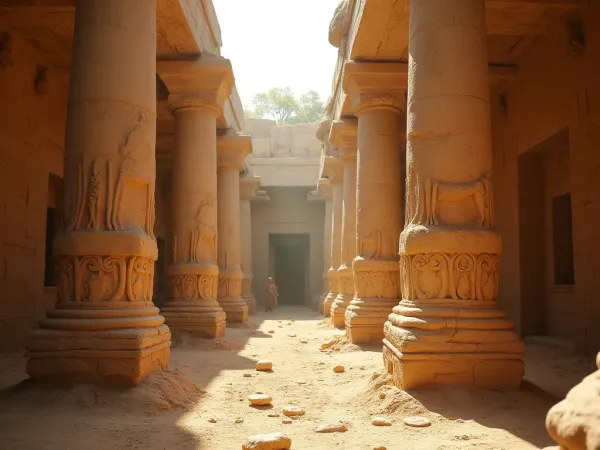
Understanding the lives of early humans who built Göbeklitepe offers profound insights into their world. These ancient communities, existing around 9600 BCE, were hunter-gatherers who, remarkably, devoted significant effort to constructing monumental structures long before the advent of agriculture. Their focus on spiritual or ritualistic purposes is evident from the elaborate carvings of animals and abstract symbols on the pillars, which may represent mythological stories, shamanic visions, or universal symbols. The site's careful placement and construction suggest that religious or spiritual beliefs played a central role in their social cohesion and understanding of their environment. Many researchers believe that Göbeklitepe was a sacred gathering place, possibly serving as a transition point from nomadic life to more settled communities, which eventually led to the development of agriculture. These early spiritual practices, evident through the site's artifacts and layout, hint at the complex mental and cultural realm of our ancestors, emphasizing that human curiosity and the quest for meaning have deep roots in prehistoric times. This remarkable site invites us to reconsider what we know about the origins of religion and social organization among ancient peoples, illustrating that our ancestors' cultural expressions were more sophisticated than previously assumed.

The Enigma of Rituals and Cultural Traces Encoded in Old Megaliths
One of the most compelling aspects of Göbeklitepe is its potential role as a religious or ceremonial hub, evidenced by the arrangement of its massive stone pillars and intricate carvings. The site’s architecture is deliberately oriented to celestial events, and certain carvings align with solstices or lunar cycles, hinting at a complex understanding of astronomy among its creators. This suggests that early humans utilized astronomical observations as part of their spiritual or calendrical rituals, which remarkably predates similar practices in later civilizations. The cultural traces embedded within the site—such as animal depictions, abstract symbols, and possibly even ritualistic altars—point toward a society deeply engaged with spiritual symbolism. These carvings and arrangements might encode stories of mythological origins, spiritual beliefs, or communal identity. Deciphering these cultural traces remains a challenge, but ongoing research continues to shed light on the sophisticated worldview of Göbeklitepe's builders. It's fascinating to consider how these ancient stones served not merely as physical monuments but as vessels for cultural memory, spiritual expression, and societal cohesion, echoing through millennia as silent witnesses to human ingenuity and spiritual ambition.