Isabel Munoz's Photographic Tribute to Gobeklitepe Highlights Humanity's Ancient Roots
A Cultural Bridge Connecting Past and Present in Berlin
The recent exhibition in Berlin marks a significant cultural milestone by showcasing the intricate and captivating photographs of Gobeklitepe taken by renowned Spanish photographer Isabel Munoz. This event not only celebrates the artistic talent of Munoz but also offers visitors a unique window into one of the most groundbreaking archaeological discoveries of the 21st century. Organized by the Suna and Inan Kirac Foundation at the James-Simon-Galerie, the exhibition aims to foster a deeper understanding of the origins of human civilization. As visitors wander through the curated space, they are transported to the Neolithic era, where monumental structures like Gobeklitepe challenged traditional notions about prehistoric societies and their complex social and spiritual lives. The integration of Munoz’s emotive imagery with authentic artifacts from the Sanliurfa Museum underscores the timelessness of human creativity and the enduring quest to comprehend our collective history. This event exemplifies how art and archaeology can synergize to create a meaningful dialogue between different eras and cultures, reinforcing the importance of global heritage preservation.
Unveiling 12,000 Years of Human History Through Art and Science
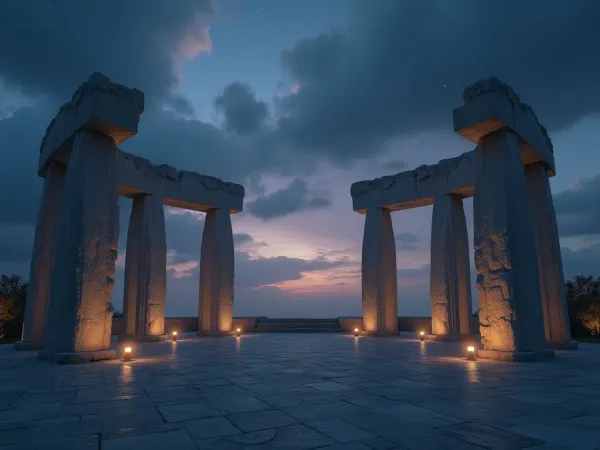
Gobeklitepe, located in southeastern Türkiye near the ancient city of Sanliurfa, is recognized globally as one of the earliest monumental complexes, dating back approximately 12,000 years. Its discovery challenged the long-held belief that the earliest human societies were simple and nomadic, revealing instead a sophisticated community engaged in complex rituals, social organization, and possibly early religious practices. The current exhibition illuminates this rich history, blending Munoz’s innovative photography with exclusive artifacts from the Sanliurfa Museum collection, including 44 objects displayed publicly for the first time. The photographs focus on capturing the striking reliefs, colossal T-shaped pillars, and the intricate carvings that adorn the site, providing a visceral experience of the ancient world. As visitors view these images, they are invited to contemplate how early humans expressed their spirituality and community identity through monumental architecture. This powerful combination of visual art and archaeology fosters appreciation for humanity’s deep-rooted cultural beginnings and highlights Türkiye’s contribution to our understanding of prehistoric times. The exhibition supports ongoing investigations into how early societal structures laid the groundwork for the civilizations that followed, emphasizing the importance of preserving such invaluable heritage sites.

The Artistic Journey of Isabel Munoz and Her Connection to Ancient Civilizations
Isabel Munoz, celebrated for her compelling documentary and fine art photography, has long been interested in capturing the human condition and cultural expressions through her lens. Her recent project focusing on Gobeklitepe marks a significant milestone in her career, merging her artistic vision with archaeological themes. Munoz’s approach emphasizes the textural richness of the ancient site — from the deeply carved stones to the weathered surfaces of the artifacts, creating a visual narrative that transcends time. Her artistic perspective reveals the profound connection between humanity’s earliest spiritual pursuits and the ongoing quest for meaning. The photographs are characterized by a meticulous attention to detail, a balanced interplay of light and shadow, and an empathetic portrayal of the site’s historical significance. By integrating her work with the archaeological displays, Munoz creates an immersive experience that invites viewers to reflect on shared origins. The exhibition offers a rare insight into how contemporary art can serve as a vessel for understanding ancient worlds, making these distant times feel tangible and relevant in today’s cultural landscape.