Unearthing the Mysteries of Göbeklitepe and Its Impact on Human History
Göbeklitepe's Enigmatic Origins and Its Revolutionary Role in Human History
Imagine standing before a massive, circular stone structure that predates the Great Pyramids and Stonehenge by several thousand years—this is the awe-inspiring reality of Göbeklitepe, a site that continues to confound archaeologists and historians alike. Discovered in southeastern Turkey in the 1960s but only extensively excavated in recent decades, Göbeklitepe has pushed back the timeline of complex human society by thousands of years, suggesting that early humans engaged in sophisticated social and spiritual activities much earlier than previously believed. The origin of Göbeklitepe dates back approximately 11,000 to 12,000 years, belonging to a transitional period between the last Ice Age and the dawn of agriculture. Its massive megalithic pillars, some weighing up to 16 tons, are intricately carved with animals, abstract symbols, and humanoid figures that hint at ancient beliefs and ritualistic practices. This discovery has challenged long-held assumptions about the progression of early civilizations and has raised profound questions about the spiritual life and societal organization of prehistoric humans. The site’s purpose remains subject to debate, with theories ranging from it being a religious sanctuary, a social gathering space, or perhaps a ritualistic monument connecting humans with their environment and spiritual realms. As more archaeological evidence emerges, Göbeklitepe continues to reshape our understanding of how and when complex social behaviors, religious systems, and symbolic thinking originated in human history.
Deciphering Ancient Symbols and the Mysteries Surrounding Its Purpose
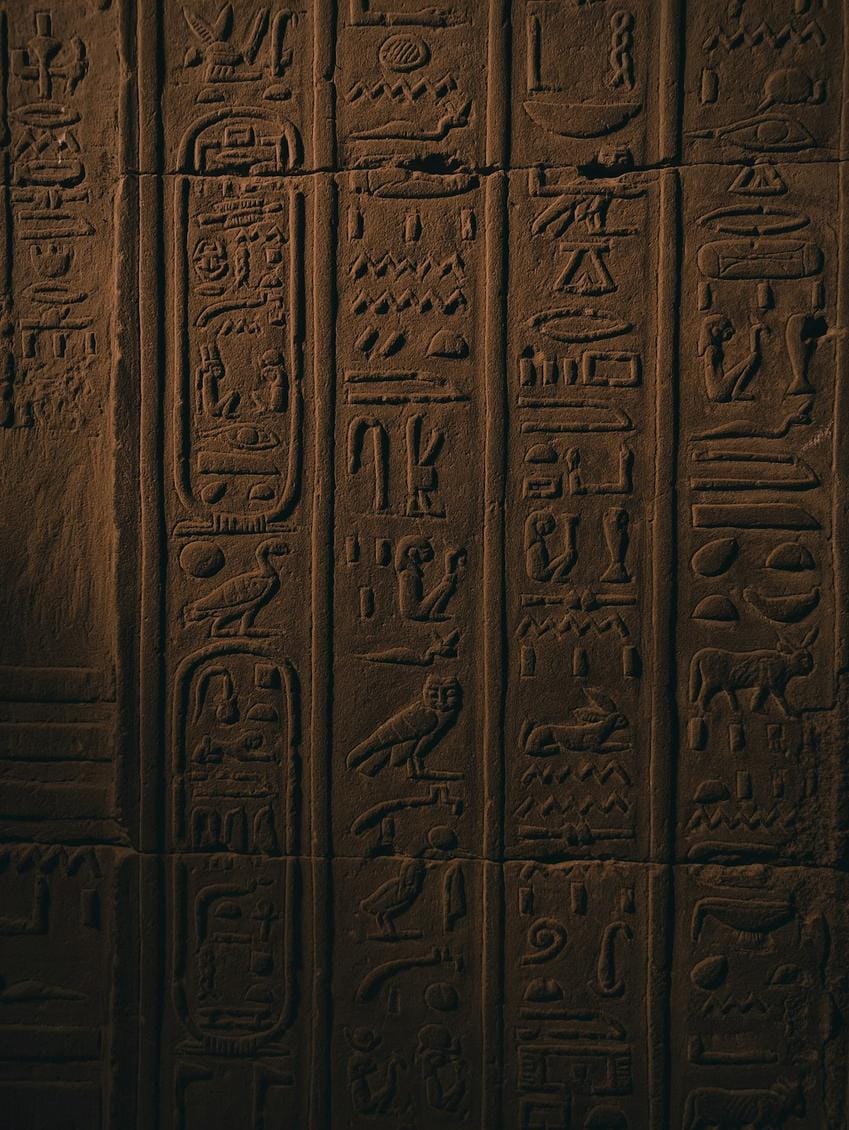
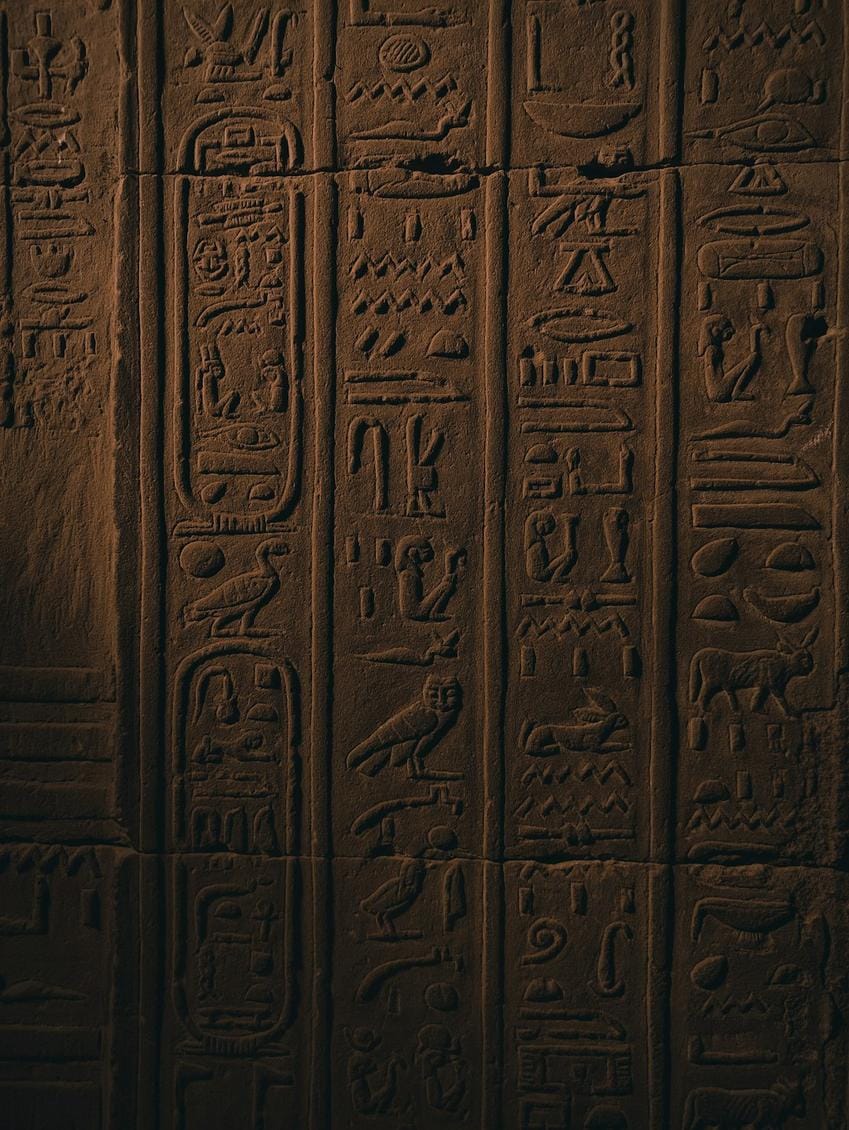
One of the most captivating aspects of Göbeklitepe is the array of enigmatic carvings and symbols etched into its massive stone pillars. These carvings include animals like snakes, foxes, boars, and birds, along with abstract motifs that seem to convey stories, beliefs, or mythological narratives from a time when writing was unknown. The symbols are considered some of the earliest examples of symbolic or figurative art, offering a glimpse into the minds of our ancestors as they sought to understand and control their environment. The precise meanings of these carvings remain elusive, fueling a variety of interpretations among scholars—some suggest they were part of elaborate rituals, others see them as early depictions of cosmological beliefs or shamanistic practices. Understanding the purpose of these symbols complicates our view of prehistoric cognition, suggesting that early humans possessed a level of abstract thought and ritual complexity that had previously been underestimated. This mystery is further compounded by the fact that no evidence of written language exists from the period, meaning what these symbols represented remains a fascinating enigma. The ongoing debate on the symbols’ meanings underscores just how much is left to uncover about early human spirituality, worldview, and the development of symbolic thinking that laid the foundation for later civilizations.
Contributions and Challenges in Unraveling Göbeklitepe's Cultural Significance
The excavation and study of Göbeklitepe have opened new avenues for understanding prehistoric rituals and societal structures. Unlike later monumental sites, Göbeklitepe was not built as a settlement but likely served as a ceremonial or religious center where early humans congregated to perform rituals that transcended everyday survival. Its construction indicates a high level of social coordination, implying that communal effort was essential to its creation—an insight that fundamentally alters our perception of early social evolution. Furthermore, the site's sophisticated symbolism and architecture hint at a complex spiritual worldview that might have included beliefs in an afterlife, divine beings, or ancestral spirits. Interestingly, the site predates the advent of farming and permanent settlements in the region, suggesting that spiritual or ritual practices could have played a crucial role in shaping early human societies before the development of agriculture. The discovery challenges the conventional narrative of linear progress in human civilization, emphasizing that spiritual and cultural development may have been equally important in shaping human history. As archaeological techniques and technologies improve, researchers continue to uncover artifacts, bones, and even rare evidence of early symbolic art, adding invaluable context to this archaeological mystery. This ongoing research emphasizes that Göbeklitepe is not only a site of historical importance but a key to understanding the very roots of human culture.