Göbeklitepe Unveiled: A Window into Humanity’s Earliest Spiritual Expressions
Göbeklitepe's Remarkable Discovery and Its Significance
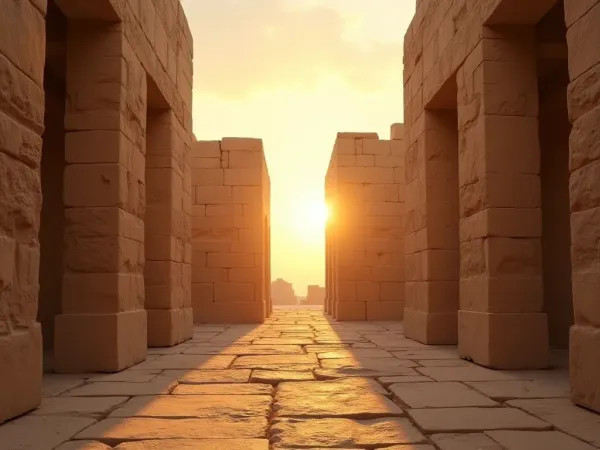
The archaeological site of Göbeklitepe, located in southeastern Turkey near the city of Sanliurfa, stands as one of the most groundbreaking discoveries in the field of archaeology of the 21st century. Uncovered in the 1990s, Göbeklitepe has challenged long-held assumptions about the origins of human civilization. Unlike traditional thought that suggested primitive humans predominantly engaged in hunting and gathering, this site reveals sophisticated practices of spiritual and social organization dating back over 12,000 years, predating Stonehenge by several millennia. The significance of Göbeklitepe lies in its age, enigmatic megalithic architecture, and the insights it provides into the earliest expressions of religious belief systems. Its terraced enclosures and intricately carved pillars depict animals and abstract symbols, which are believed to have served ritualistic or ceremonial purposes, emphasizing the importance of spiritual life long before the advent of settled agricultural societies. This extraordinary find prompts scholars and historians to reconsider the evolutionary trajectory of human consciousness, social complexity, and belief systems, positing that spirituality and communal rites might have played a vital role long before the rise of written language or organized civilizations. Göbeklitepe continues to be a focal point of archaeological and anthropological research, inspiring debates about the formative stages of human cultural origins and the nature of early religious practice.
Unpacking the Mysteries of Ancient Human Belief Systems at Göbeklitepe
The architectural complexity of Göbeklitepe's circular enclosures and massive T-shaped pillars suggests a society deeply rooted in ritualistic and spiritual understanding. Unlike later, more domesticated societies, the builders of Göbeklitepe seem to have prioritized spiritual expression and communal identity through monumental architecture. The carvings and reliefs on these pillars depict animals such as snakes, lions, boars, and birds, which many researchers interpret as symbols with shamanic or spiritual significance. These motifs could have represented mythological stories, spiritual guides, or totemic symbols that connected the community with their environment and supernatural forces. The emphasis on such imagery indicates that early humans at Göbeklitepe recognized the importance of symbolism and ritual in their worldview, possibly serving as a foundation for the later development of organized religion. The site challenges the conventional belief that complex religious systems emerged only with settled, agricultural societies, suggesting instead that spirituality could have been an intrinsic part of human life from its earliest stages. These groundbreaking insights allow us to imagine early human societies not merely as hunter-gatherers but as communities with complex spiritual and social structures deeply intertwined with their environment and daily routines.
The Cultural Impact of Göbeklitepe and Its Role in Shaping Modern Perspectives
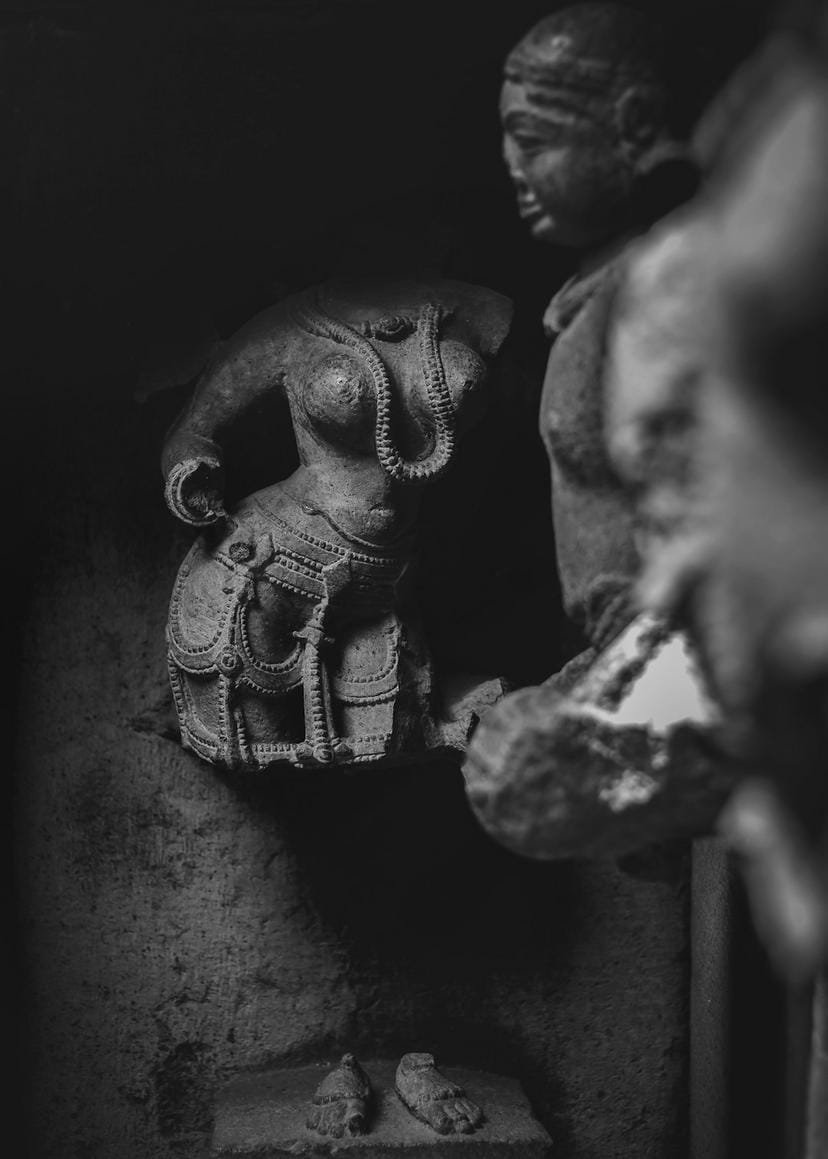
Göbeklitepe's significance extends beyond archaeology into the realms of cultural identity and human history, profoundly influencing our understanding of prehistoric societies. As a UNESCO World Heritage Site, it attracts millions of visitors and researchers alike, eager to decipher the mysteries of human origins. Its discovery has sparked a broader discussion about the cultural continuity of spiritual practices and social organization that may have persisted across millennia. The site also serves as a reminder of the human propensity for creativity, communal effort, and the quest for meaning. Many scholars emphasize that Göbeklitepe symbolizes the dawn of human consciousness, where early humans transcended mere survival to ponder existence, spiritual worlds, and their place in the universe. This perspective contributes to current debates about whether religion and ritual were catalysts for social cohesion and technological advancements. As archaeological methods improve, and new findings emerge, Göbeklitepe's role as a cultural touchstone only grows, highlighting the importance of preserving our shared heritage. It fuels ongoing interest in prehistoric art, ritual practices, and the evolution of human society, inspiring contemporary interpretations of our ancient ancestors' spiritual and communal lives.