
Göbeklitepe and the Marvel of Ancient Technologies That Redefine Human History
Unveiling Göbeklitepe and Its Significance in Human Evolution
Nestled in southeastern Turkey, Göbeklitepe stands as a testament to humanity's early architectural and engineering prowess, dating back approximately 12,000 years to the late Paleolithic or early Neolithic era. This site, often regarded as the world's oldest known temple, has challenged traditional archaeological timelines by revealing that complex religious and communal behaviors existed well before the advent of settled agricultural societies. Its monumental stone circles, carved T-shaped pillars, and intricate reliefs demonstrate not only a sophisticated understanding of stone working but also an advanced grasp of structural stability and spatial design. These features exemplify early technological ingenuity in construction, long before the invention of the wheel or metal tools, showcasing how ancient humans innovated with what was available to them—mainly stone, bone, and rudimentary tools—yet succeeded in creating compelling ceremonial centers. Interestingly, the site's unique architecture hints at a collective cultural upheaval, possibly marking a shift in human cognition, social organization, and spiritual beliefs. This redefines our understanding of prehistoric technological capabilities, emphasizing that early humans possessed a level of ingenuity and collaborative effort that rivals later civilizations, even in the absence of metal tools or written language.

Ancient Technologies and Material Mastery at Göbeklitepe
Previous assumptions about early human technological limitations are constantly challenged by discoveries at Göbeklitepe, which reveal the mastery of ancient construction techniques. The site's massive stone pillars, some weighing several tons, were quarried, shaped, and transported using methods that remain partially speculative but undeniably impressive. Evidence suggests that early humans employed ingenious solutions such as levering, counterweights, and simple but effective sledges and rollers, making it possible to manipulate and position these monolithic stones without advanced machinery. Additionally, the detailed carvings and bas-reliefs on the pillars depict animals, abstract symbols, and possibly shamanic imagery, reflecting early artistic expression and symbolic thinking. The precision with which these stones were carved indicates a deep understanding of stone working and an early form of craftsmanship that depended heavily on observation, trial, and error, and community cooperation. Technological ingenuity at Göbeklitepe also included the development of quarried or naturally formed limestone slabs that served as hearths, platforms, or possibly early altars. These innovations demonstrate that early humans possessed advanced material knowledge and innovative problem-solving skills, which are often underestimated in prehistoric contexts.

Spiritual Beliefs and Societal Structures Evident in Göbeklitepe
Beyond its architectural marvels, Göbeklitepe offers profound insights into the spiritual and societal fabric of its creators. The site’s orientation, recurring animal motifs, and symbolic carvings suggest that it served as a ceremonial hub rooted in complex belief systems. Unlike later civilizations, there is no evidence of domestic habitation or emphasis on material wealth within the site, implying that its primary function was ritualistic and communal rather than residential. The megalithic structures likely played a role in shamanic or spiritual practices, acting as a bridge between humans and supernatural entities. This revelation shifts the narrative of early human society from one solely focused on survival to one where spiritual and ritual activities took precedence, highlighting a sophisticated cultural framework. The communal effort needed to construct such an elaborate site also indicates social cohesion and shared religious beliefs that united groups. The spiritual dimension observed at Göbeklitepe demonstrates that early humans were capable of abstract thinking and developing complex belief systems, laying the groundwork for future religious traditions. Recognizing these ancient spiritual practices enriches our appreciation for early culture and illuminates the human quest for meaning beyond mere survival.
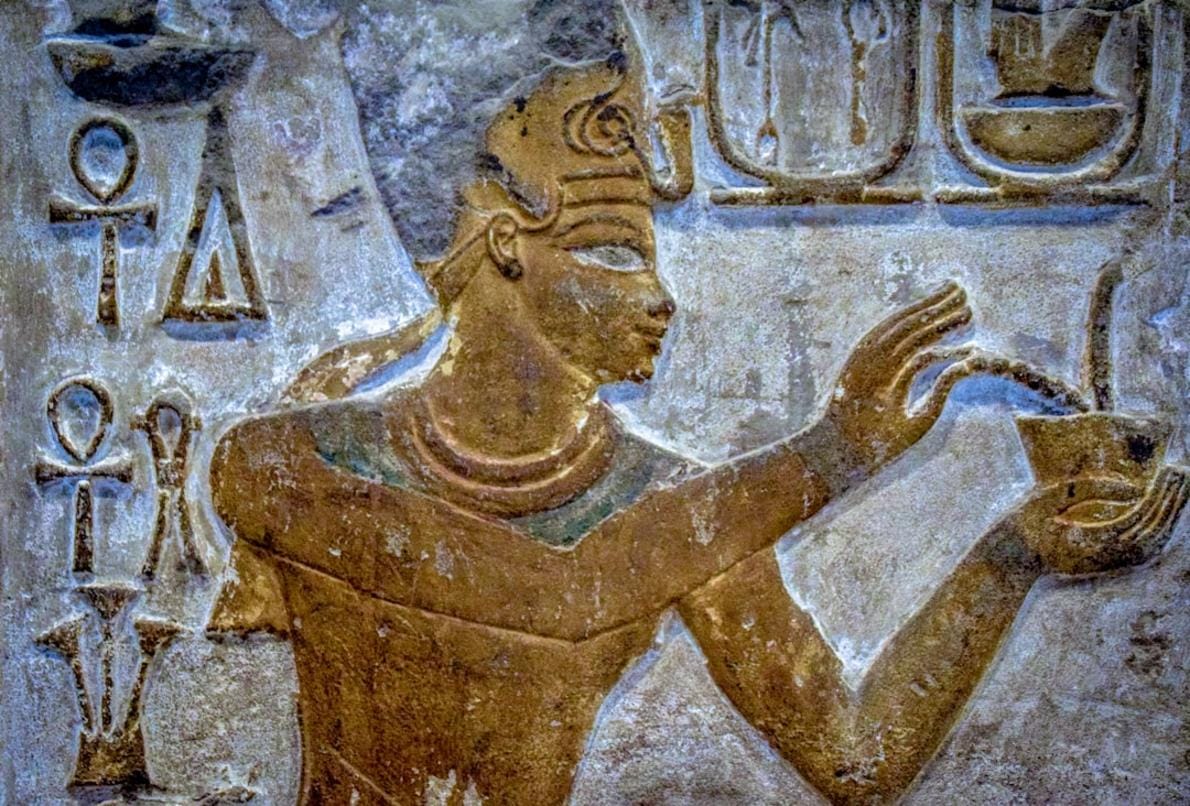
Redefining Human History Through the Discoveries at Göbeklitepe
The excavation and study of Göbeklitepe have profoundly influenced the way anthropologists and archaeologists perceive prehistoric times. Its age, architecture, and symbolism suggest that early humans possessed a level of cognitive and technological development previously thought to be unattainable at such an early stage. The site challenges the traditional timeline that equated technological progress mainly with agrarian societies emerging around 9,000 years ago. Instead, Göbeklitepe demonstrates that complex social organization, artistic expression, and spiritual practices existed much earlier, reshaping our understanding of human evolution. These revelations prompt us to reconsider the linear progression of technological innovation and cultural complexity. Furthermore, Göbeklitepe's discoveries have inspired new theories regarding the origins of religion, social cohesion, and communal cooperation, implying that humankind's quest for spiritual understanding and meaningful social bonds predates the development of agriculture. This paradigm shift underscores the importance of continual archaeological excavation and interdisciplinary research, as they reveal the intricate tapestry of early human life and the remarkable technological and spiritual ingenuity that has shaped our collective history.