Göbeklitepe Builders Had No Tools No Farms And No Cities
The Temple That Preceded Civilization
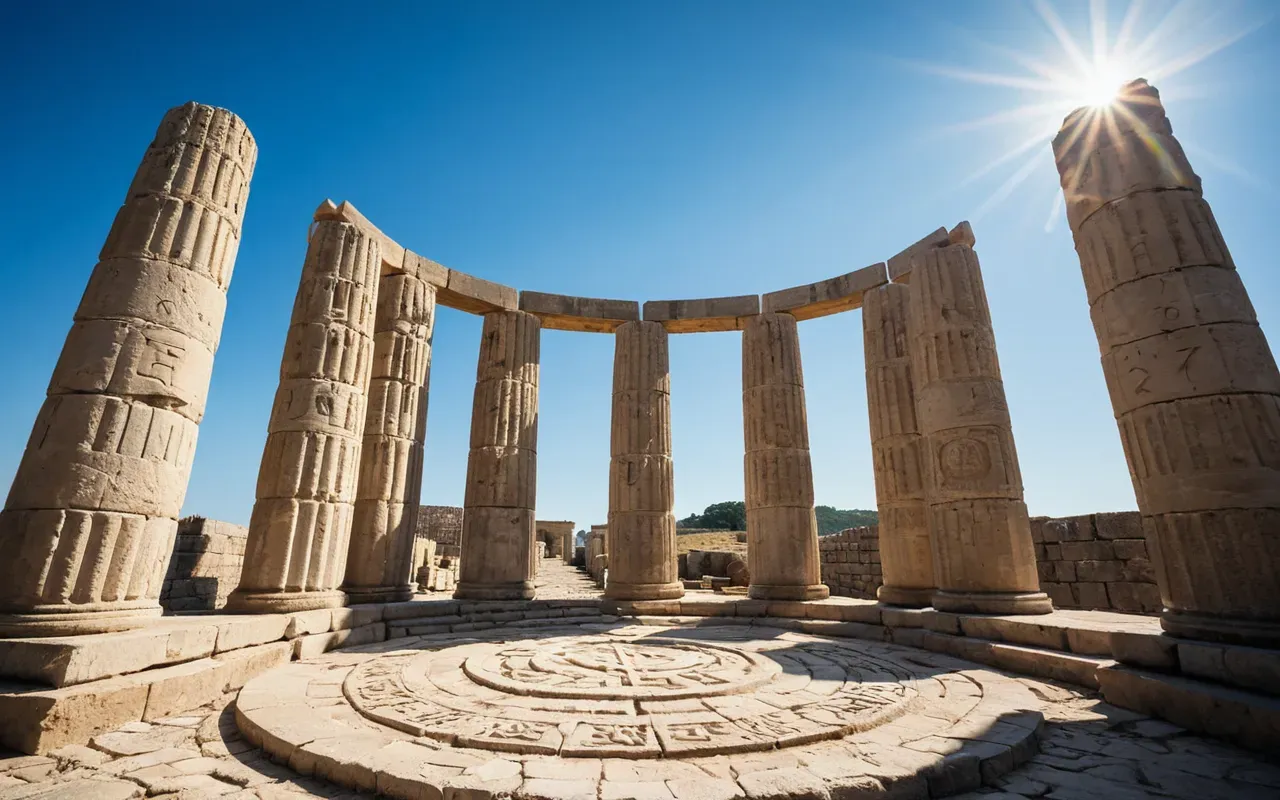
Richard Quest stood in the shadow of massive T-shaped pillars and something clicked. The stones at Göbeklitepe are not just old. They are impossibly old. We are talking about structures carved and erected by people who had not yet invented farming. No plows. No granaries. No surplus food to support laborers. Just hunter-gatherers with stone tools and a vision that defies every textbook we have ever written.
Here is the thing that keeps me awake at night. Archaeologists used to believe civilization grew out of agriculture. People settled down. They farmed. They stored grain. They built temples. Göbeklitepe flips that entire sequence on its head. The temple came first. The farming followed. We have the cause and effect backwards. And that changes everything about how we understand human development.
I was struck by the sheer scale of the operation. Some of those pillars weigh up to twenty tons. The builders quarried them from bedrock. They shaped them with primitive tools. Then they moved them into place. All of this happened around 9500 BCE. That is twelve thousand years ago. We are not talking about a small ritual space. This is a monumental architectural project that rivals anything from the Bronze Age.
Why No One Expected This
For decades, the academic consensus was clear. Complex societies required agricultural surplus. You could not have full-time builders without food storage. You could not have religious hierarchies without settled communities. Göbeklitepe shatters that logic. The people who carved these stones were nomadic. They followed herds of aurochs and wild game. They gathered wild grains. And somehow they organized labor on a massive scale.
Klaus Schmidt, the German archaeologist who led excavations here for years, argued that religion drove settlement. People gathered for rituals. They needed food. So they started farming. It sounds radical. But the evidence is right there in the stratigraphy. The earliest enclosures predate any sign of domesticated wheat or barley by millennia. If you want to understand how this works,
The Tool Question Nobody Answers
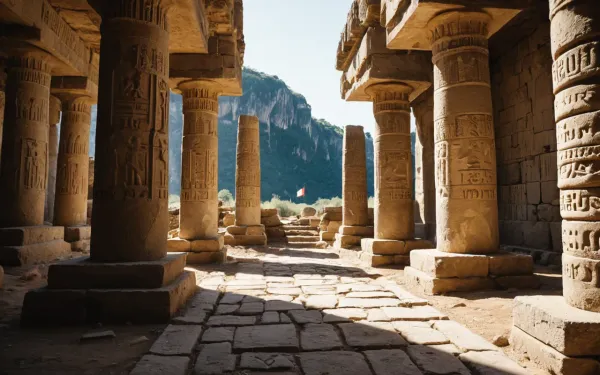
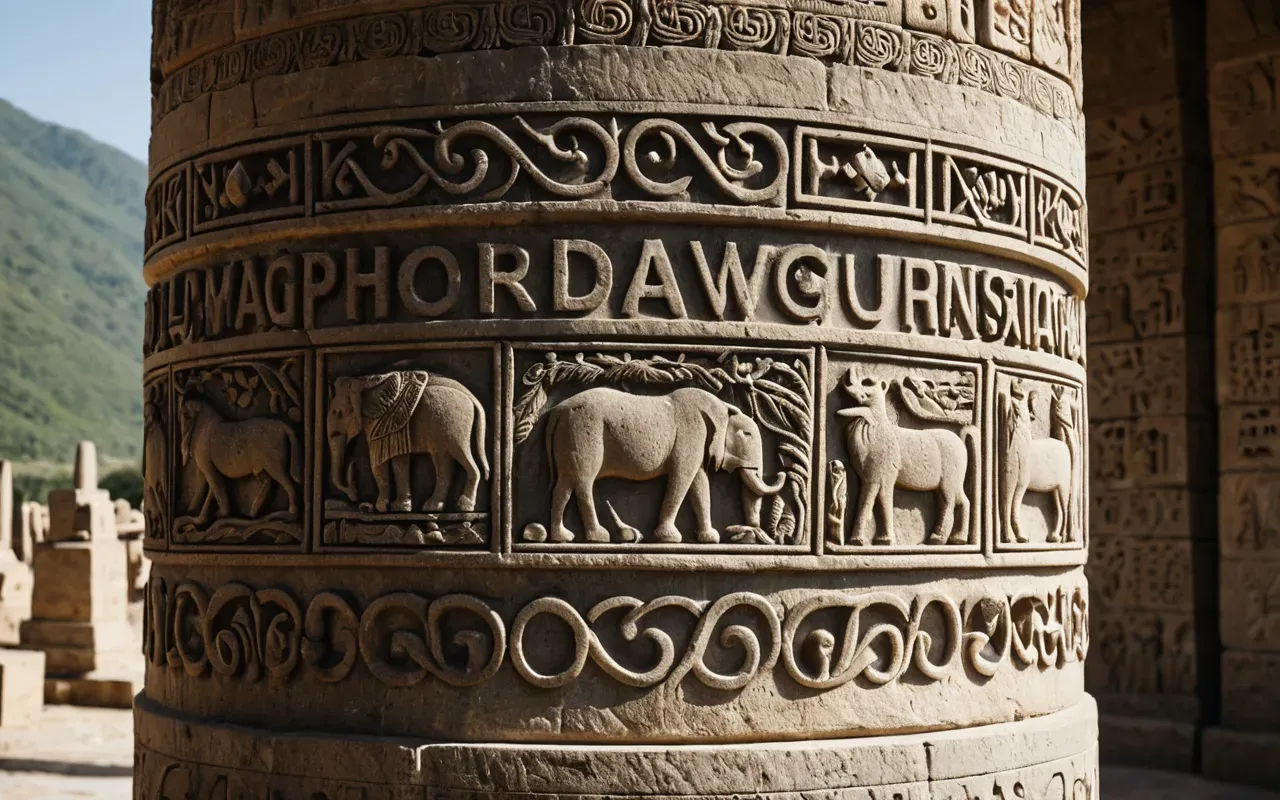
Let me ask you something. How do you shape a ten-ton limestone pillar with stone-age technology? There were no bronze chisels. No iron hammers. No wheeled transport. The builders used dolerite pounders and flint picks. They worked the stone with incredible patience. The carvings show animals. Foxes. Boars. Vultures. Lions. These are not abstract symbols. They are detailed, naturalistic representations carved by hands that had never held a metal tool.
And honestly, the precision is jaw-dropping. The T-shapes are remarkably consistent. The reliefs are carefully placed. The pillar arrangements follow geometric patterns. Some enclosures are circular. Others are oval. The central pillars are always larger than the surrounding ones. This is not random construction. This is deliberate design. It suggests a shared cultural vision that spanned generations.
What This Means for Human History
We need to stop thinking of hunter-gatherers as simple. The Göbeklitepe builders were sophisticated. They had complex social organization. They possessed architectural knowledge. They maintained ritual traditions over centuries. This was not a primitive culture struggling to survive. This was a people who chose to invest enormous effort into something that had no immediate practical purpose. They built for meaning. Not for utility.
So what does that tell us about human nature? It tells us that spirituality predates material advancement. It tells us that the drive to create sacred spaces is fundamental to who we are. Before we had cities, before we had writing, before we had metal tools, we had ritual. We had shared belief systems that could mobilize entire communities toward a common goal. The temple was not a product of civilization. It was the seed.
Look at the timeline. Göbeklitepe was active from roughly 9500 BCE to 8000 BCE. Then it was deliberately buried. The builders filled the enclosures with stones and refuse. They sealed their sacred space underground. Why? No one knows for sure. Some suggest ritual closure. Others propose environmental changes. But the act itself reveals something profound. These people understood permanence. They wanted their creation to endure beyond their lifetime.
The Wider Archaeological Context
Göbeklitepe is not alone. Nearby sites like Karahan Tepe show similar architectural traditions. The patterns repeat across the region. T-shaped pillars. Circular enclosures. Animal reliefs. This suggests a cultural network that spanned hundreds of kilometers. If you are curious about
The implications stretch far beyond Turkey. If hunter-gatherers could build Göbeklitepe, then other prehistoric monuments might have similar origins. Stonehenge. Newgrange. Even early urban centers. We might be underestimating the organizational capacity of pre-agricultural societies across the globe. The model of gradual development from simple to complex is too linear. Human culture has always been more dynamic than we assumed.
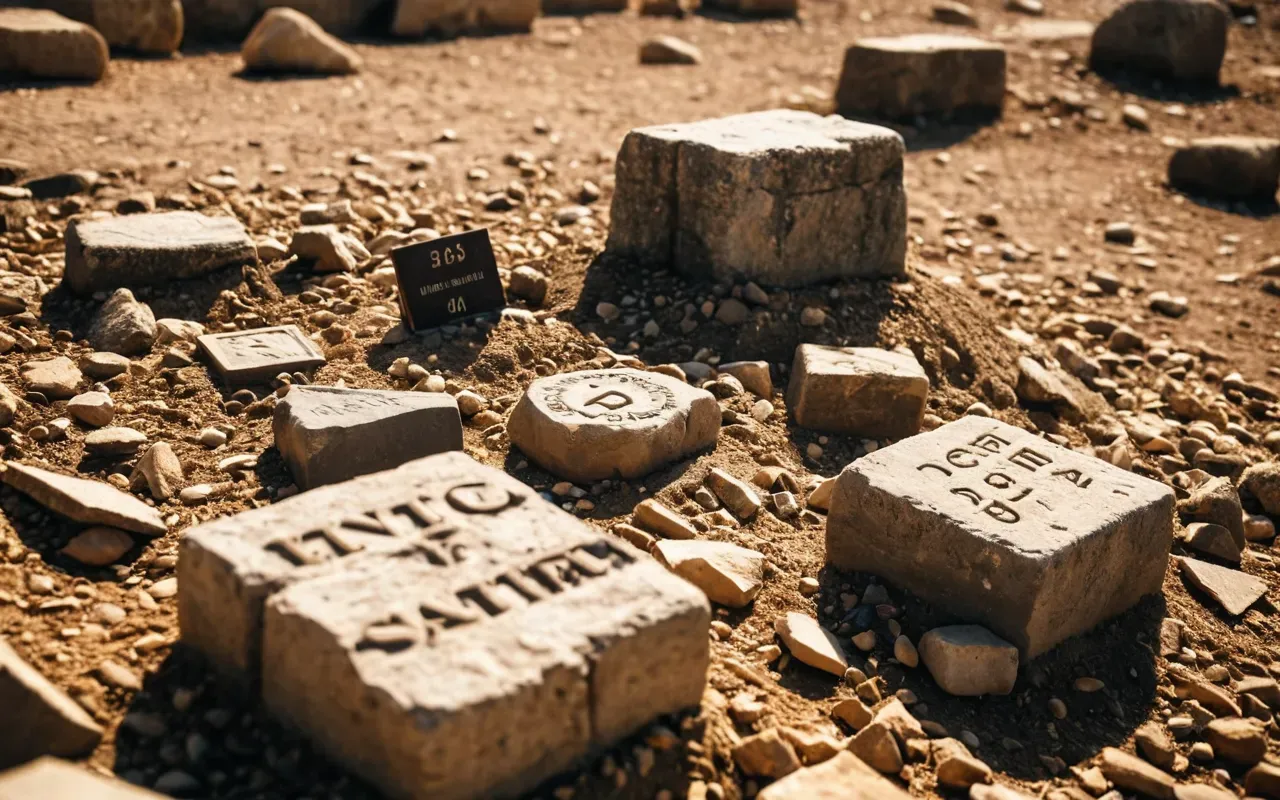
I keep coming back to one detail. The site shows no evidence of permanent habitation. No hearths. No domestic waste. No storage facilities. People visited. They performed rituals. They feasted. Then they left. The meat remains show they consumed aurochs, red deer, boar, and wild sheep. These were communal gatherings. Seasonal pilgrimages. The landscape itself was sacred. Not just the stone circles.
The Controversy That Scholars Cannot Ignore
Not everyone accepts the religious-first model. Some archaeologists argue that Göbeklitepe was a residential complex. They point to circular buildings found at nearby sites. They suggest daily life and ritual were intertwined. But the evidence at Göbeklitepe itself is thin. There is no clear domestic architecture. No pottery. No metal. The contrast with later Neolithic settlements is stark. Your mileage may vary when interpreting the data, but the temple interpretation remains the strongest.
Then there is the dating question. Radiocarbon results place the earliest activity around 9500 BCE. But some researchers argue for earlier phases. If that is true, the timeline stretches even further back. The implications become even more radical. We are talking about organized construction before any known precedent. Before anything.
Here is what really bothers me. Most travel guides and popular books still describe Göbeklitepe as a mysterious anomaly. They do not connect it to the broader shift in how we understand early human societies. The site is not an exception. It is a window into a different developmental pathway. One where spiritual motivation drove technological and social innovation. The sequence was belief, then organization, then settlement, then farming.
What Visitors Actually See Today
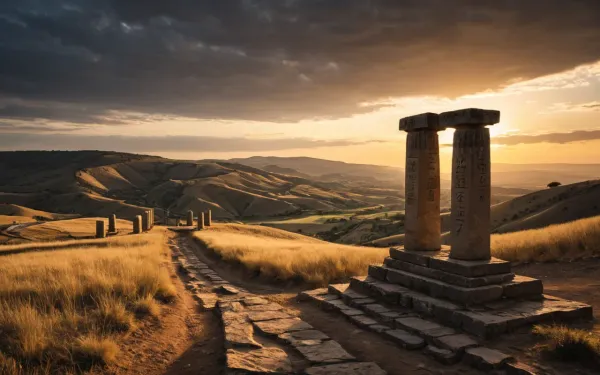
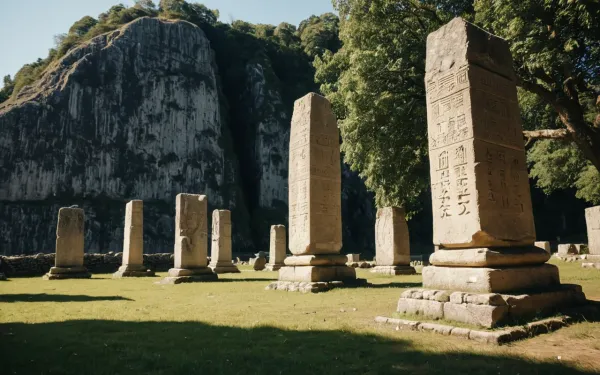
If you stand in the excavated area now, the scale hits you. The pillars rise three to five meters high. Some lean at dramatic angles. Others stand upright. The ground is uneven. The stones are weathered. Sunlight filters through the gaps and creates shifting patterns across the carvings. It feels alive. Not like a museum. Not like a ruin. Like a place that was never meant to be abandoned. Just buried. Waiting.
The museum nearby displays fragments removed from the site. Animal reliefs. Pillar sections. Tools. The collection is modest but powerful. Each piece tells a story of effort. Of intention. Of people who cared enough to carve limestone by hand. To move tons of rock. To create something that would outlast them by twelve thousand years. That kind of commitment does not come from survival instinct. It comes from meaning.
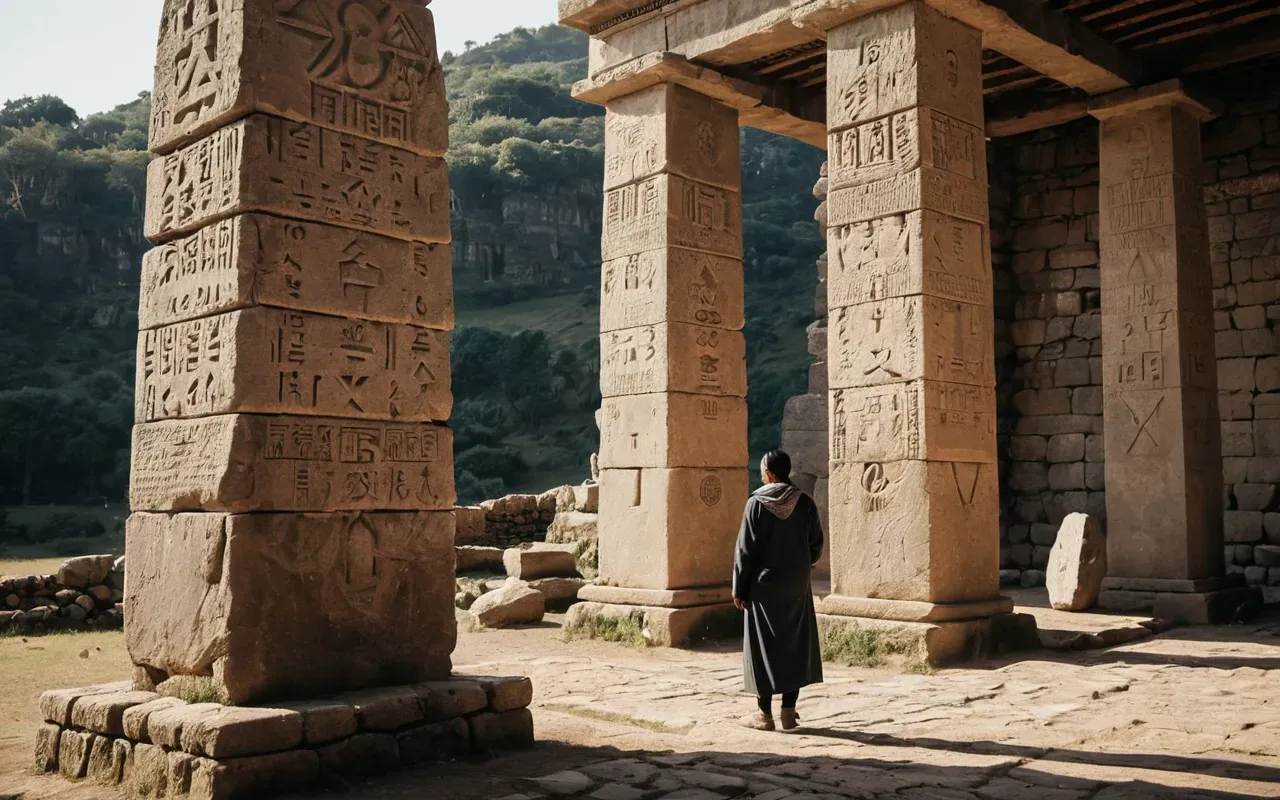
I walked the perimeter of the main enclosure and stopped to think about the hands that shaped those stones. They had no blueprints. No cranes. No written records. Just knowledge passed orally. Skills learned through practice. A shared vision that bound strangers together across generations. That is the real story. Not the stones themselves. But the society that made them possible.
Why This Changes More Than People Think
The standard narrative of human progress is a straight line. Hunter-gatherers to farmers to herders to city-dwellers. Simple to complex. Göbeklitepe proves that narrative wrong. Complexity emerged before agriculture. Monumental architecture appeared before urbanization. Religious organization preceded economic surplus. The line is not straight. It is tangled. Messy. Full of surprises.
Think about what that means for how we study the past. Every assumption we make about prehistoric societies needs re-examination. If hunter-gatherers could organize labor at Göbeklitepe, what else could they do? What other achievements have we dismissed because they do not fit the model? The archaeological record is incomplete. We are working with fragments. And those fragments keep rewriting the story.
I believe the real revolution is not about Göbeklitepe itself. It is about the methodology. Archaeologists must stop projecting modern categories onto ancient peoples. Survival does not equal simplicity. Mobility does not equal primitivism. The builders of Göbeklitepe were not less advanced than later farmers. They were different. They chose a different path. And their legacy survived in stone for twelve millennia.
So when Richard Quest stands among those pillars and marvels at their age, he is touching something deeper than history. He is touching the roots of human creativity. The moment when our ancestors decided that meaning mattered more than comfort. That belief was worth more than bread. That legacy is not buried under the stones. It is built into the foundation of everything that followed.