Karahan Tepe May Have Been Built Before Göbeklitepe
The Pillar That Challenges History
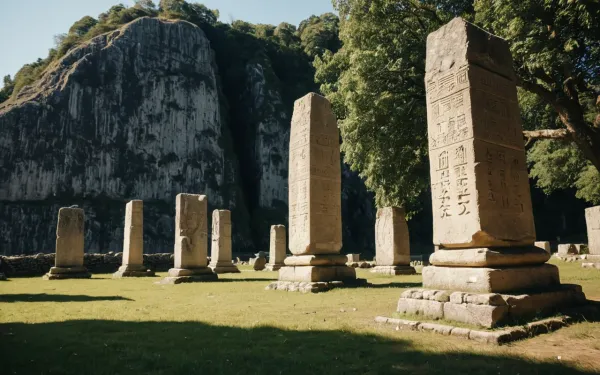
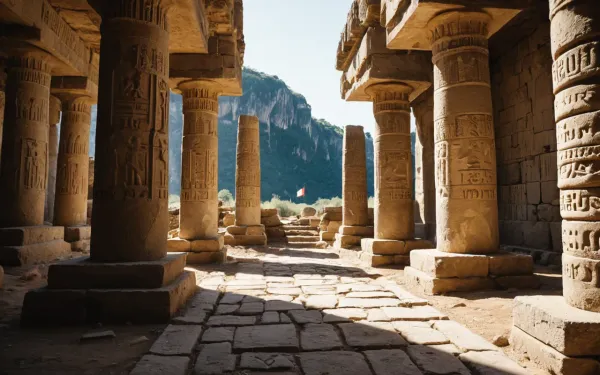
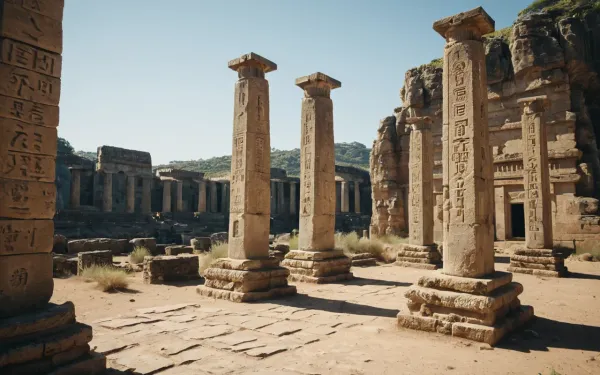
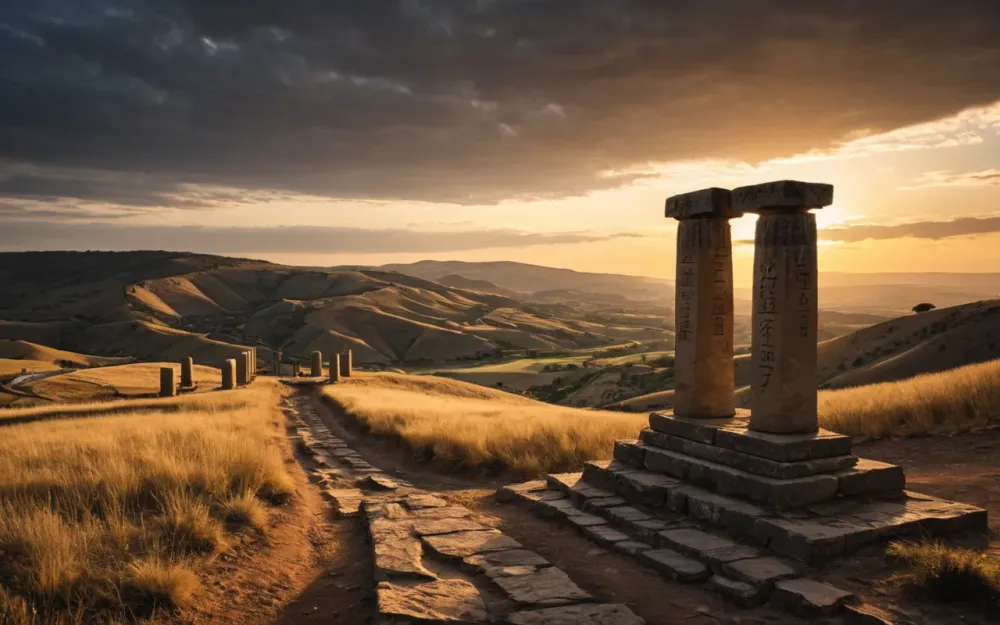
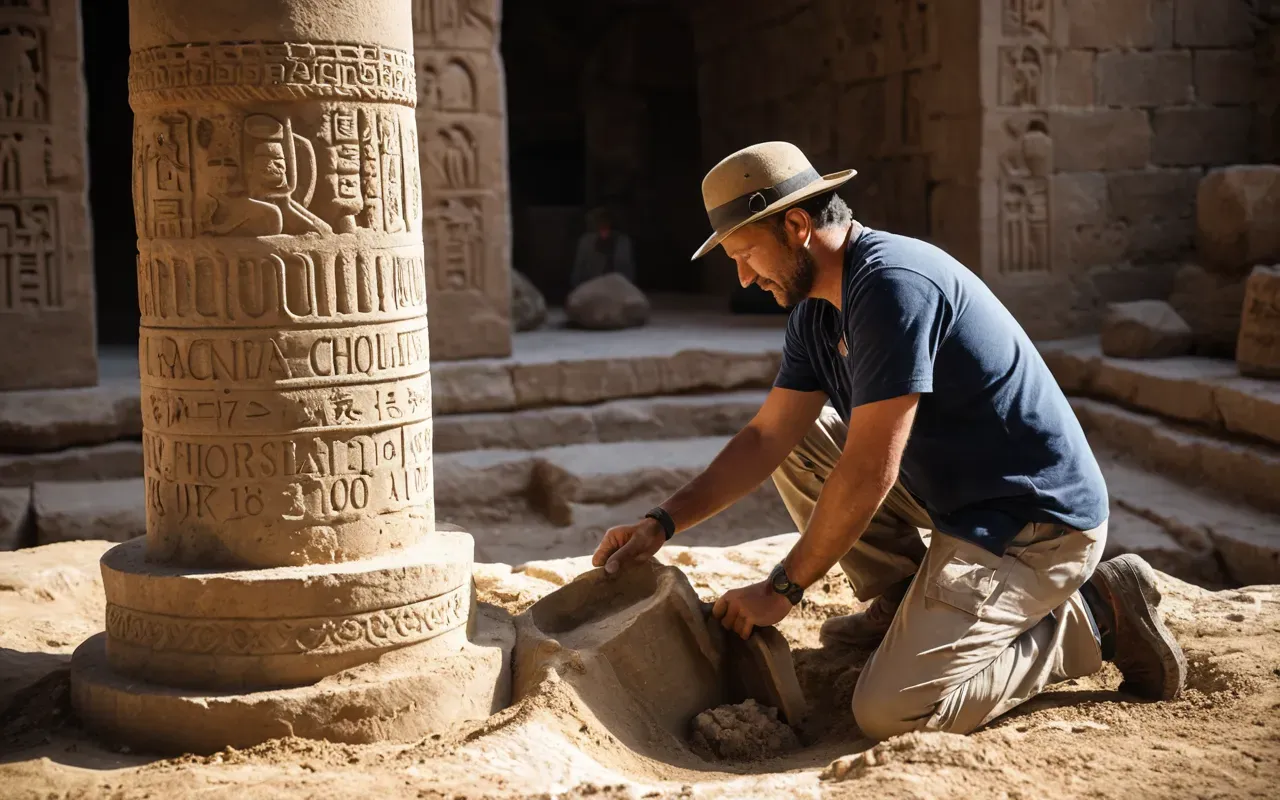
Imagine standing in a vast excavation site in southeastern Turkey. The sun beats down on ancient stones. Among them, a T-shaped pillar emerges. But this one is different. It features a carved human face. This discovery at Karahan Tepe is stirring up a major debate in archaeology.
For years, Göbeklitepe has held the title of the world's oldest known monumental ritual center. It sits about 35 kilometers away. Now, some experts wonder if Karahan Tepe could be older. If true, this would completely shift our understanding of how early humans organized themselves.
The Turkish Ministry of Culture and Tourism announced the find. They date the site to roughly 12,000 years ago. That places it firmly in the Pre-Pottery Neolithic period. But the real question is whether it predates the earliest construction phases at Göbeklitepe.
Rewriting the Neolithic Timeline
The prevailing theory suggests Göbeklitepe was a singular gathering point. Mobile hunter-gatherer bands would converge there. They built monumental architecture before settling into permanent villages. This model has held for decades. Karahan Tepe challenges that narrative.
If Karahan Tepe is older, it points to a different pattern. Ritual building might have emerged at multiple locations. These sites would have been scattered across the upper Mesopotamian plain. This suggests a more dispersed network of early human activity.
Think about the implications. It means early humans were coordinating large-scale projects earlier than we thought. They were doing this across a wider area. This changes how we view the transition from nomadic life to settled communities.
The Dating Debate
Here's the tricky part. Dating these ancient sites is incredibly difficult. Researchers rely on various methods. One promising technique involves pedogenic carbonate laminae. These are thin mineral crusts that form on buried stone surfaces over thousands of years.
Scientists have used this method at Göbeklitepe before. It provides a reliable independent check on conventional radiocarbon dates. If the same technique is applied at Karahan Tepe, it could yield concrete answers. We need those numbers to settle the debate.
Currently, no peer-reviewed publication has released specific radiocarbon dates for Karahan Tepe. The ministry's announcement confirms the artifact's existence. But it lacks the detailed stratigraphic data we need. This gap keeps the controversy alive.
What the Evidence Still Lacks
Look at the details. The carved pillar is undeniably significant. Its artistic value is clear. Yet shared style does not prove shared dating. Two sites can look similar without being built at the same time. We need more than visual comparisons.
Direct artifact-level comparisons are missing from the published record. There are no section drawings. No pottery or lithic sequences. No radiocarbon assays tied to specific occupation layers. Without these, the age claim rests on framing rather than verified science.
I find this frustrating. We have a potentially history-altering discovery. But the hard data hasn't fully emerged yet. Archaeology moves slowly. It's a painstaking process. We have to wait for the laboratories to speak.
Why This Changes More Than You Think
Let's step back. What does this mean for us? It challenges the linear view of progress. We often think agriculture came first. Then permanent settlements. Then monumental architecture. Göbeklitepe already flipped that script. Karahan Tepe might flip it again.
If ritual centers appeared before farming villages, it suggests belief systems drove social organization. People gathered to worship or celebrate first. The need to feed large groups might have spurred agricultural innovation. That is a profound reversal of cause and effect.
This aligns with other findings at the Tas Tepeler program. Multiple sites show similar monumental structures. They are clustered within a small geographic area. This points to a complex regional network. Early humans were not isolated. They were connected.
The Human Face on the Stone
The carved face is particularly striking. It shows a level of artistic sophistication. It suggests symbolic representation of individuals or deities. This kind of imagery usually appears much later in archaeological records. Its presence here is unexpected.
Why carve a face? What did it represent? Perhaps a ancestor. Maybe a spiritual figure. The meaning is lost to time. But the effort required tells us something. These people valued symbolic expression. They invested time in shaping stone with precision.
You can see the skill involved. The chiseling is deliberate. It's not crude. This implies specialized artisans. Or at least a community with shared technical knowledge. Such complexity requires social coordination. It points to a sophisticated early society.
The Bigger Picture
We are witnessing a shift in historical understanding. Each new discovery at Karahan Tepe adds pressure on the old model. Göbeklitepe was revolutionary. But it might not be the origin point. It could be part of a larger, older phenomenon.
The implications stretch far beyond Turkey. They touch on the very roots of civilization. How did we become who we are? What sparked the move toward complexity? These sites hold clues. They whisper from the deep past.
I believe we will see more surprises. The region is rich with potential. Other sites might emerge. They could push the timeline even further back. Or reveal different aspects of early life. The story is far from over.
Connecting the Dots
If you're curious about
The relationship between ritual and subsistence is key. Did belief systems enable large gatherings? Or did large gatherings require belief systems? It's a chicken-and-egg problem. Karahan Tepe forces us to reconsider the sequence of events.
We must remain skeptical but open. Extraordinary claims require extraordinary evidence. The carved pillar is exciting. But we need the lab results. We need the peer-reviewed papers. Until then, we hold our breath.
Looking Ahead
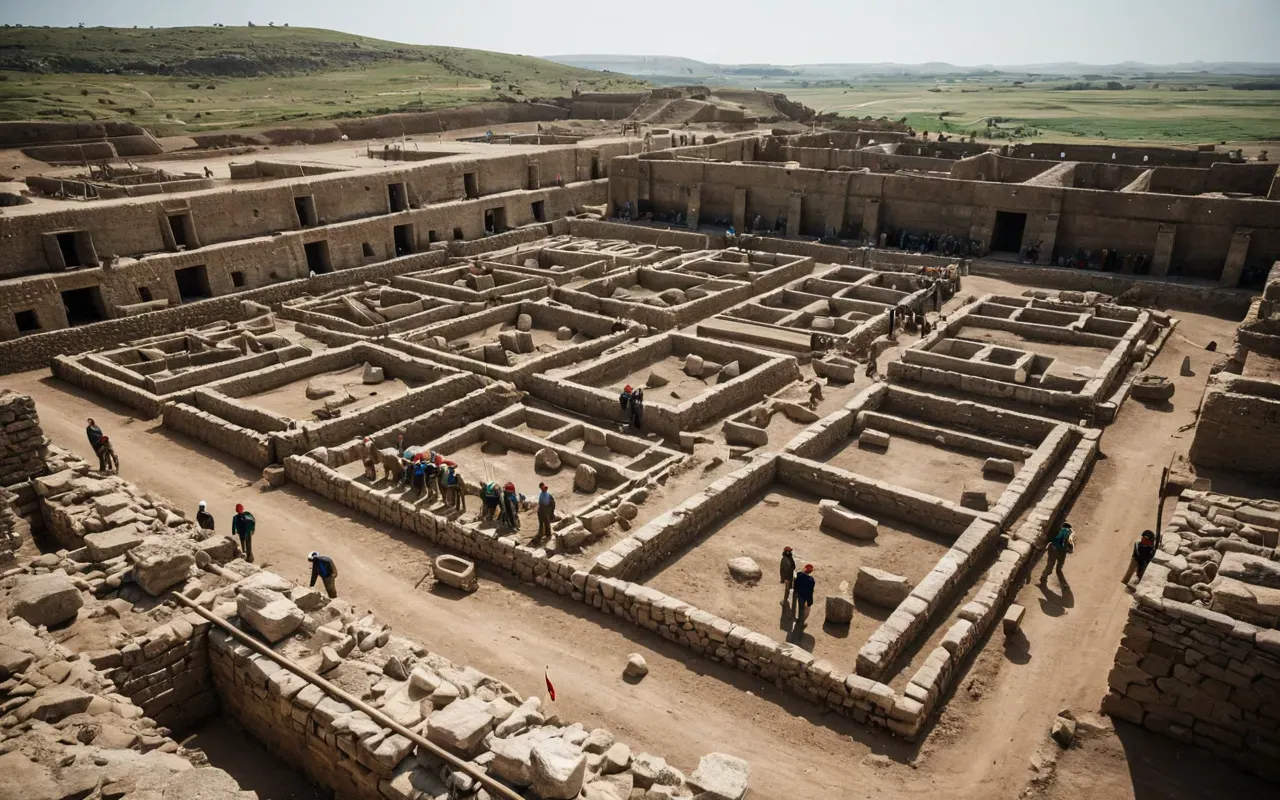
What comes next? More excavations. More dating. More analysis. The team at Karahan Tepe is working diligently. They are uncovering layers of history. Each season brings new possibilities. We are privileged to witness this unfolding drama.
The public interest is growing. People are fascinated by these ancient mysteries. It shows a hunger for connection with the past. We want to understand our origins. These stones speak to that deep need.
If Karahan Tepe proves older, it will be a landmark moment. It will rewrite textbooks. It will change how we teach human history. The ripple effects will be felt across academia. And beyond.
The End of Certainty
Archaeology is full of overturned assumptions. We thought civilization began in the Fertile Crescent. Then Göbeklitepe appeared. Now Karahan Tepe challenges that too. It teaches humility. We know less than we think.
This is the beauty of science. It corrects itself. New evidence replaces old theories. We get closer to the truth. It's a slow, messy process. But it's the best we have. We must trust it.
So watch this space. Keep an eye on Karahan Tepe. The next breakthrough could be around the corner. It might change everything. Or it might confirm what we already suspected. Either way, it will be fascinating.
Final Thoughts
I am genuinely excited about this discovery. It captures the imagination. It challenges our comfort zone. We like neat timelines. History rarely provides them. Karahan Tepe reminds us of that.
The carved face stares out from the stone. It has waited 12,000 years. It has stories to tell. We are only beginning to listen. Let's hope the data comes soon. The world is waiting.
Until then, we speculate. We wonder. We hope. The mystery remains. And that is exactly why we love this field. It keeps us curious. It keeps us digging.