Why We Were Wrong About Civilization Starting With Farms
The Hill That Changed History
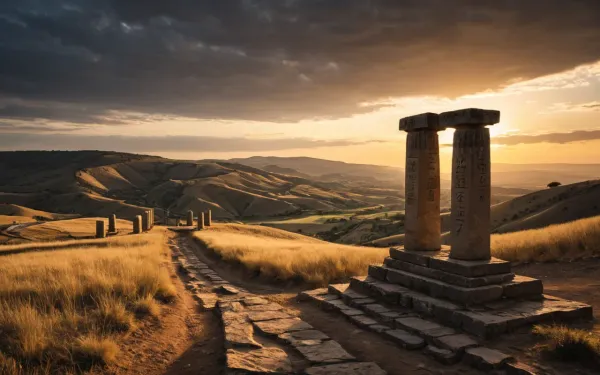
Picture a world without clocks. No cities. No written laws. Just wild grasses, wandering herds, and people who followed the seasons. That sounds primitive, right? But look closer at Potbelly Hill in southeastern Turkey. There, twelve thousand years ago, something wild happened. People who didn't farm, who didn't even own pottery, built a massive stone sanctuary. It wasn't a village. It was a temple. And it flipped the script on everything we thought we knew about how society started.
For decades, historians believed a simple story. Humans settled down first. They tamed wheat. They built walls. Only then did they get bored enough to invent gods. It felt logical. You need a stable food source to support a priest class. But Göbeklitepe refuses to play along. The stones are older than the seeds. The sanctuary predates the harvest. So why did we get the order backwards? Honestly, it makes you wonder how many other 'obvious' truths in history are just convenient guesses.
The Architects Who Didn't Exist
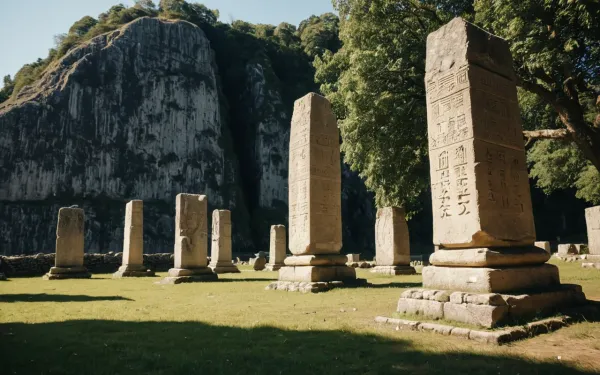
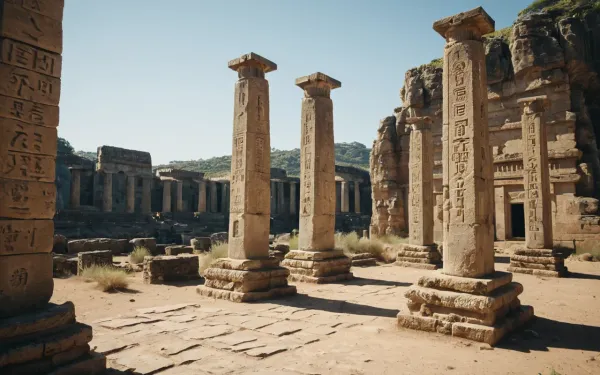
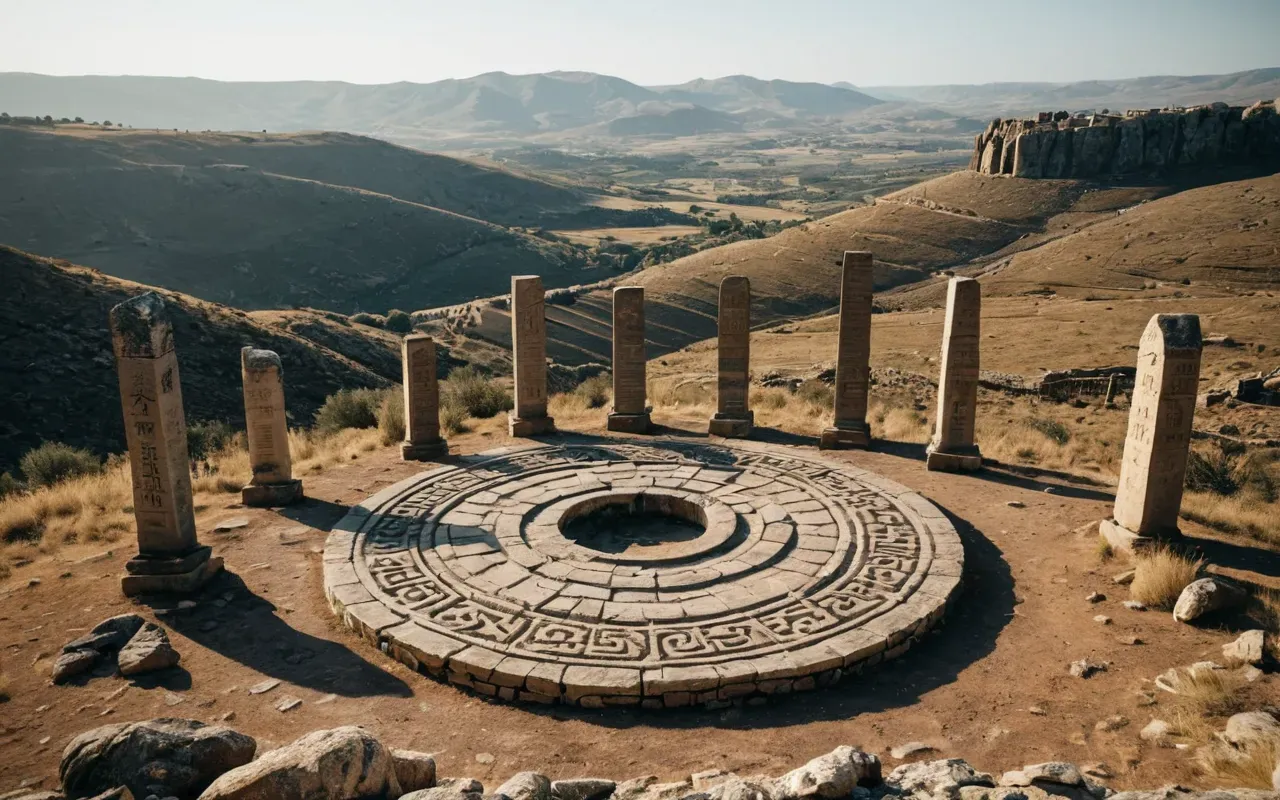
Here's the thing that keeps archaeologists up at night. Who moved these stones? We're talking T-shaped monoliths weighing up to sixteen tons. They aren't just standing there. They're carved with lions, foxes, cranes, and vultures. The detail is sharp. The craftsmanship is undeniable. But there's no nearby settlement. No tools found in the immediate vicinity. No clear workforce. Just a hill. And the silence of twelve millennia.
If you're curious about who built Göbeklitepe and why most travel guides get it wrong, the evidence is frustratingly sparse. We assumed these people were nomads. They wandered. They hunted. They didn't plan. Yet the layout of Göbeklitepe is intentional. The circles are aligned. The pillars face inward. This wasn't a campsite. It was a destination. People traveled from miles around to get there. Why? What pulled them in?
Some experts suggest a shared belief system. A common myth. A story so powerful it united scattered groups into a single labor force. Think about it. We don't need a king to build a pyramid if we believe the gods are watching. We need faith. And at Göbeklitepe, faith came first. The stone came second. The farming came third. It's a subtle shift, but it changes everything. It means ideology isn't a product of civilization. It's the foundation.
The Hidden Calendar in the Stones
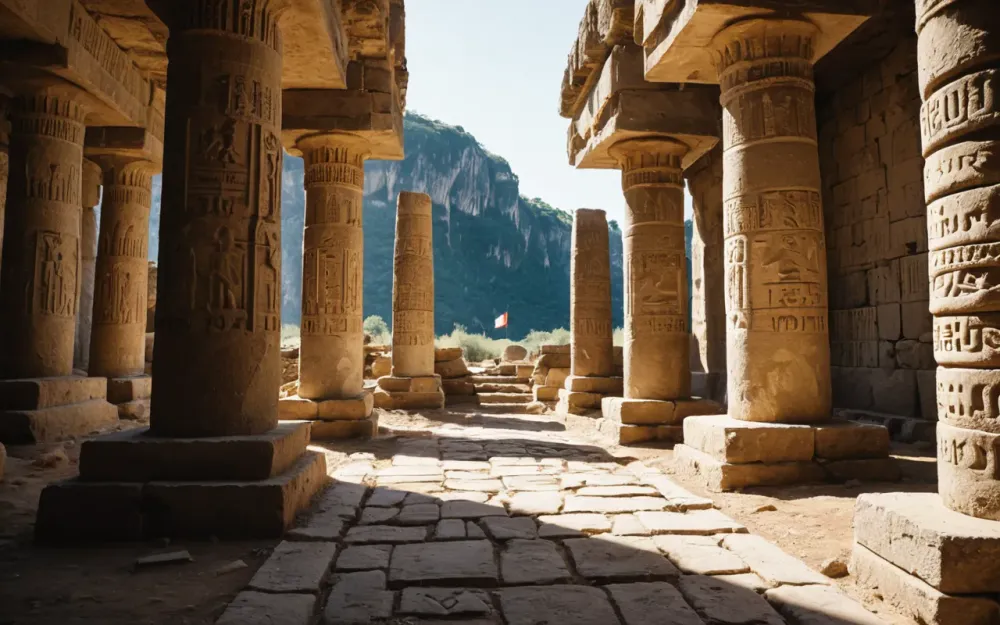
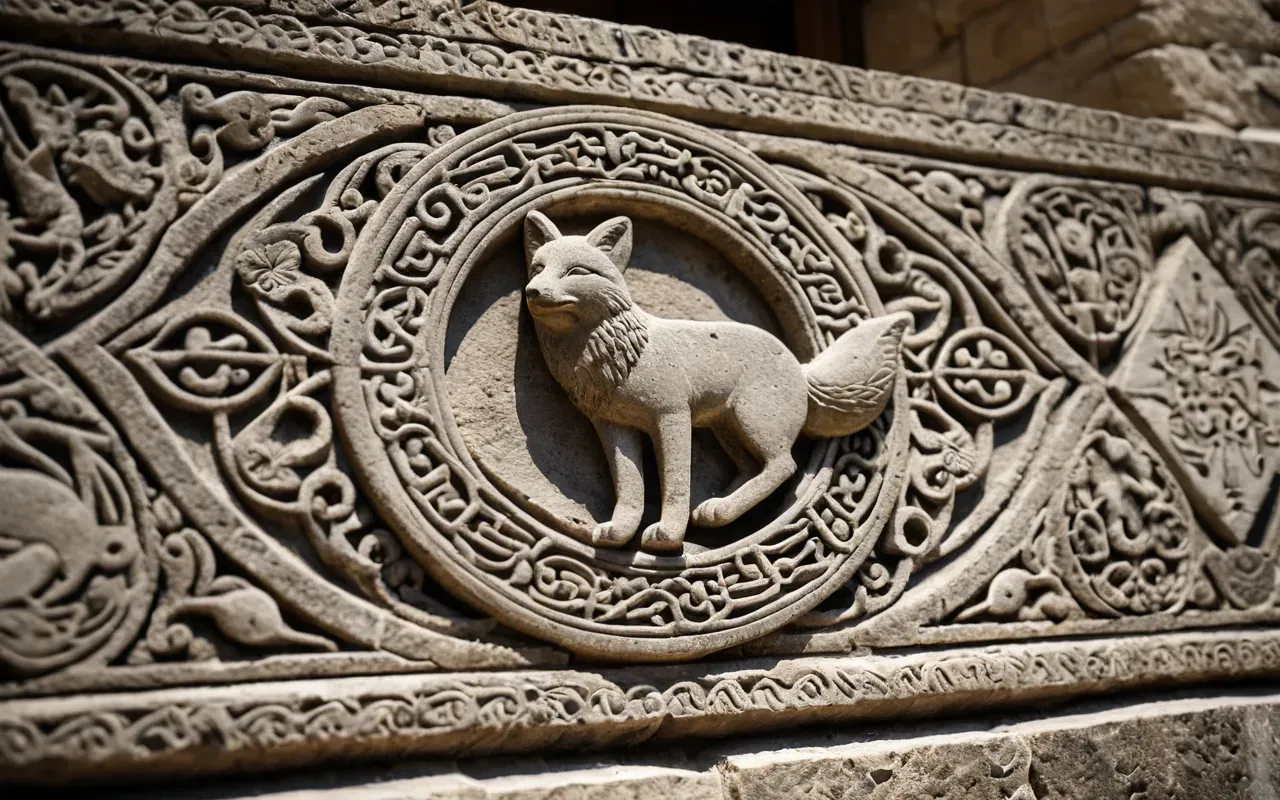
Look at the carvings again. The animals aren't random. They appear in specific pairs. The fox and the vulture. The crane and the bird of prey. Some researchers argue these represent constellations. A sky map. If that's true, the people of Göbeklitepe were tracking time long before they had calendars on paper. They were reading the stars. They knew when the seasons would turn. And they built a massive stone structure to mark it.
This idea isn't new, but it's gaining traction. The Göbeklitepe's hidden calendar theory suggests these pillars functioned as a prehistoric observatory. It fits the pattern. Early humans were obsessed with the sky. It dictated their survival. If you can predict the migration of gazelles or the bloom of wild grains, you eat. The stones might not just be religious. They might be practical. A survival tool carved in limestone.
But wait. There's a catch. The sanctuary was deliberately buried. Around 8000 BCE, the builders filled the enclosures with rubble. They didn't abandon it. They sealed it. Why bury a temple? Usually, that happens when a belief dies. Or when a new one begins. It's a deliberate act of closure. It suggests the site had a lifespan. A beginning. A middle. And an end. That's a level of planning we rarely attribute to hunter-gatherers.
Why Religion Came Before Bread
This is the core controversy. The old model says farming allowed for surplus. Surplus allowed for specialization. Specialization created priests. Priests built temples. The Göbeklitepe model says the opposite. The need for a shared sacred space brought people together. That gathering created a need for reliable food. That need drove the invention of farming. We didn't farm to support our gods. We invented gods to make farming worthwhile. It's a heavy claim. But the stones are hard to ignore.
Think about the energy required to move those pillars. Hundreds of people. Weeks of labor. No food storage. No domesticated animals to pull the loads. Just sheer will. And shared purpose. If you look at the hidden power of Göbeklitepe that could rewrite human spirituality, you see a society bound by something stronger than hunger. They were bound by meaning. And meaning, it turns out, is a powerful motivator.
It also explains why the site feels so different from later settlements. There's no sign of daily life. No hearths. No trash pits. It's pure ritual. That purity is rare in archaeology. Most sites are messy. Life is messy. Göbeklitepe is clean. It's a stage. And the audience was everyone in the region. It suggests a level of social cohesion we didn't think existed back then. We assume early humans were small, isolated bands. But this hill suggests they could unite.
The Silence After the Stones
After the burial, the hill was quiet for centuries. Then, around 7000 BCE, people returned. But not to the sanctuary. They built small houses on the edge. They farmed. They lived normal lives. The great temple was gone. Covered in earth. Forgotten. Or maybe just moved. The sacred energy might have shifted. It's hard to say. What we do know is that the world changed. The wild era was over. The age of the seed had begun. And the hunters became farmers.
It's a poignant transition. The grand vision of the sanctuary gave way to the daily grind of agriculture. Did we lose something? Maybe. The scale of Göbeklitepe is unmatched in the region. Nothing quite like it appeared afterward. It was a peak. A moment of extraordinary collective effort. And then it faded. History isn't always a straight line up. Sometimes it's a circle. And sometimes, the most important moments are the ones we bury.
Today, the site is a UNESCO World Heritage location. Tourists flock to see the T-pillars. They walk the circles. They imagine the past. But the real mystery isn't the stones. It's the minds that moved them. We can't read their words. We can only read their stone. And what it says is simple. We were capable of more than we thought. Long before we had bread, we had belief. And that might be the most human thing of all.
So the next time you hear a story about the dawn of civilization, pause. Ask who told it. Ask what they're missing. The hill on the plain still stands. It's a reminder that history is deeper than our textbooks. And sometimes, the truth is buried right under our feet. Waiting for us to dig. Waiting for us to listen.