The north side of Göbeklitepe just broke every assumption we had about how early humans lived
The north side of Göbeklitepe just broke every assumption we had about how early humans lived
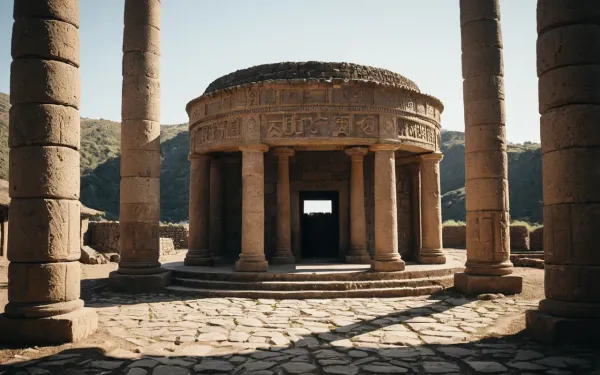
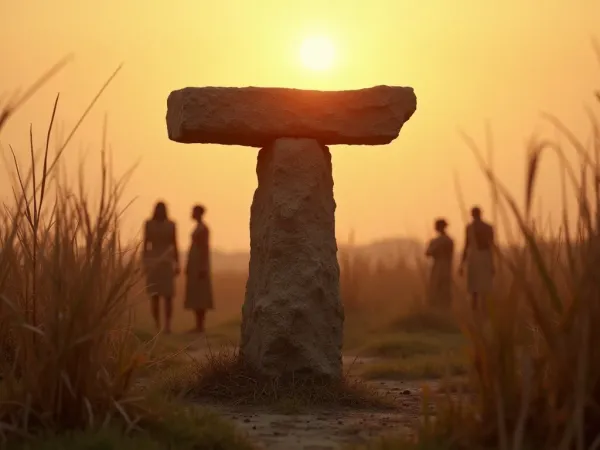
We always thought the famous T-shaped pillars meant one thing. Religion.
For over two decades, the narrative has been rock solid. Göbeklitepe was a temple complex built by hunter-gatherers who hadn't yet needed agriculture.
But here's the thing nobody saw coming from the new northern sector dig. It looks like a neighborhood.
Cultural and Tourism Minister Mehmet Nuri Ersoy announced this on August 13th. The team started digging in an area roughly 80 by 70 meters.
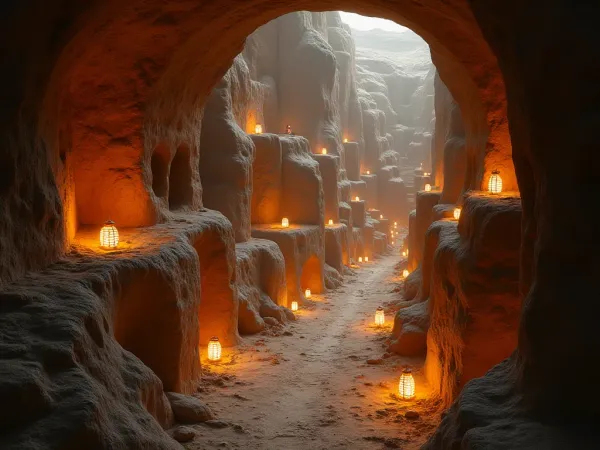
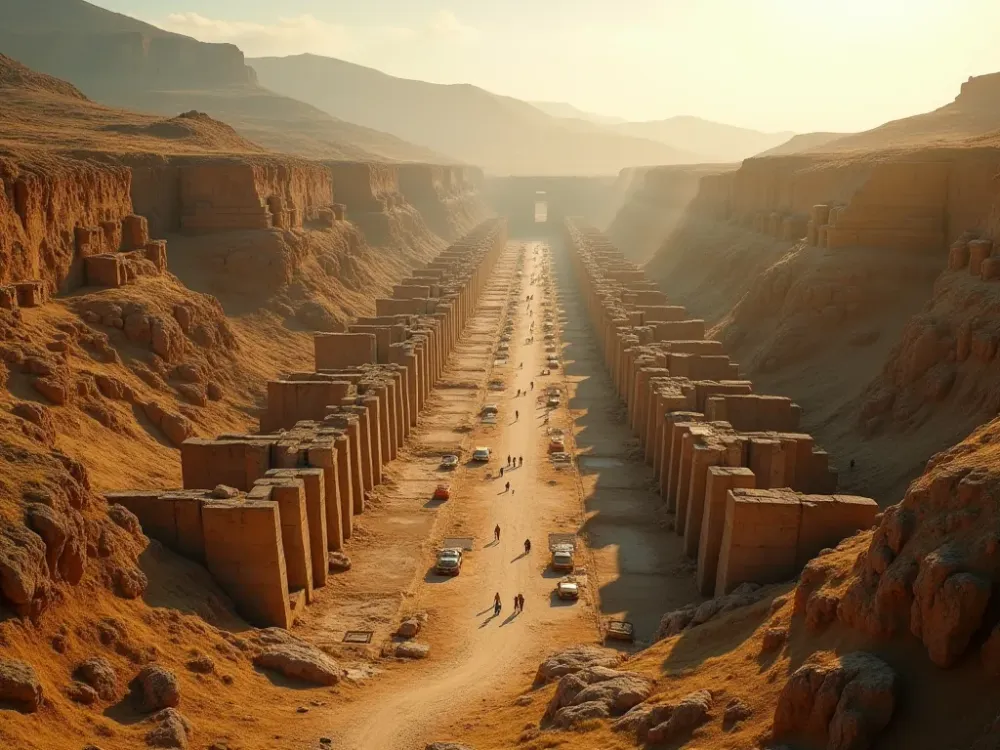
Surface scans and geophysical measurements pointed to something massive. Large public buildings sitting right next to small huts.
This changes the whole vibe. It suggests daily life happened here alongside whatever ritual activity we already knew about.
I was struck by how specific the new data is. We're not guessing anymore based on isolated stones.
The team found rectangular structures dated to the second phase of Göbeklitepe. This period goes back to the eighth millennium BCE.
That's a lot of years. But the layout tells us people lived here in organized communities.
So why does this matter to you if you're just reading history for fun? Because it redefines what 'temple' even means in prehistory.
Why this changes more than people think about the temple myth
We keep seeing this 'temple' label in headlines. But archaeologists have been fighting that word for years.
If you're curious about how the temple story is a modern invention, this new dig adds fuel to that fire.
The northern area shows a mix of functions. Public spaces and private dwellings existing side by side.
This implies a society that was more complex than we gave it credit for. They had zoning, basically.
It wasn't just a sacred grove where people came to pray and left. It was likely the center of their entire social world.
To be fair, this isn't a sudden revelation out of thin air. It fits with other sites we've studied.
But Göbeklitepe is the most famous. So when it shifts, the whole field feels the tremor.
The new data suggests that ritual and domestic life weren't separate categories back then. They blended together.
The concrete evidence behind the new interpretation
Let's look at what's actually on the ground. The team used surface scans and geophysical methods.
These tools detect density changes in the soil. You can see walls and foundations without digging a single hole.
The results showed large-scale public structures. Think of them as community halls or assembly areas.
Right next to these big buildings were smaller units. These are almost certainly where families slept and ate.
This spatial relationship is the key. It proves that daily life and communal activities were intertwined.
It wasn't a place you visited once a year. It was where you lived every single day.
Who wins and who loses in this new narrative about prehistory
The biggest winner here is the public understanding of early humans. We stop seeing them as primitive.
They were sophisticated planners. They built large structures without wheels or metal tools.
The loser is the old simplified story. The one that says religion came before society.
That narrative is now looking shaky. Society and ritual likely evolved together in these early communities.
This shift benefits researchers who have long argued for a more nuanced view. Their work is finally paying off.
But it creates challenges for museums and guides. They need to rewrite their scripts.
Visitors expect a temple story. Now they're getting a community story instead.
The preservation efforts that keep this site alive for the next thousand years
Excavation is only half the job. The other half is keeping what we find from crumbling away.
Minister Ersoy highlighted work in structures A, C, and D. These are the famous ones with the T-shaped pillars.
In Structure C, they're reattaching the last pieces of a pillar's surface. This is delicate work requiring extreme care.
Structure D got a different kind of help. They reinforced the ground connections for two central pillars.
Steel cables are being used to protect these stones from vibrations. Earthquakes or even heavy foot traffic can be dangerous.
This is a holistic approach. We dig new areas while simultaneously saving the old ones.
New walking paths are also being updated. They will be open to visitors soon after the work is complete.
What this means for our understanding of history and human origins
We tend to think in linear steps. Agriculture first, then cities, then religion.
Göbeklitepe challenges that order. It suggests complex social structures can exist without farming.
If you want to see why the temple story is a modern invention, this new data is perfect proof.
The northern dig adds a layer of domesticity that we were missing. It makes the picture more complete.
We're not just looking at monuments anymore. We're seeing a society that worked together to build and maintain these spaces.
This collaboration is the real story. The stones are just the physical evidence of that human effort.
As we move forward in this research season, expect more surprises. The north side is full of potential.
The team is working hard to balance discovery with protection. It's a delicate but necessary task.
In the end, this is about understanding who we are. These early communities set the stage for everything that followed.
The north side of Göbeklitepe is proving that the story is bigger and more complex than we thought.