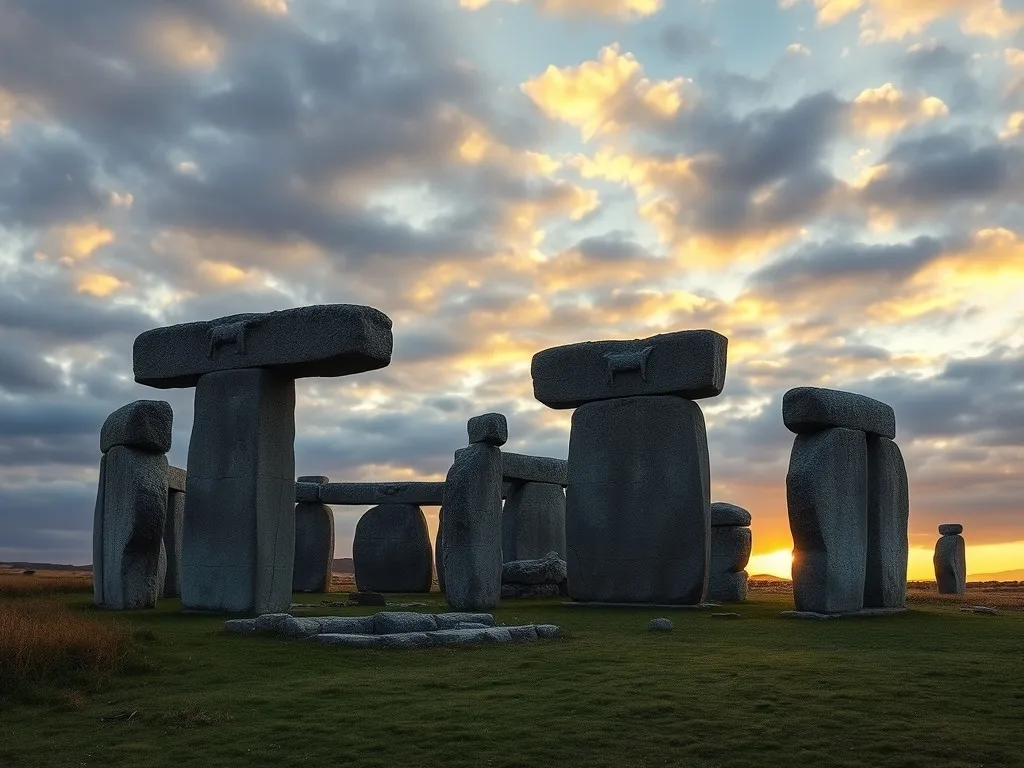
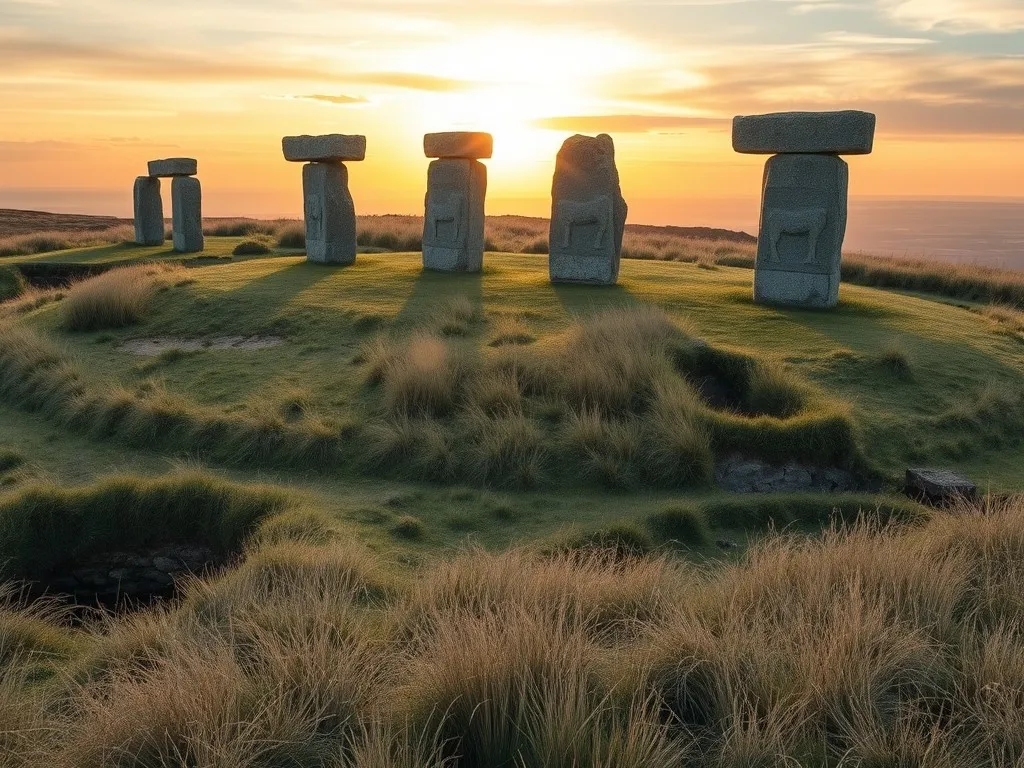
Göbeklitepe Life
Göbeklitepe Preservation: Modern Efforts to Protect the Site
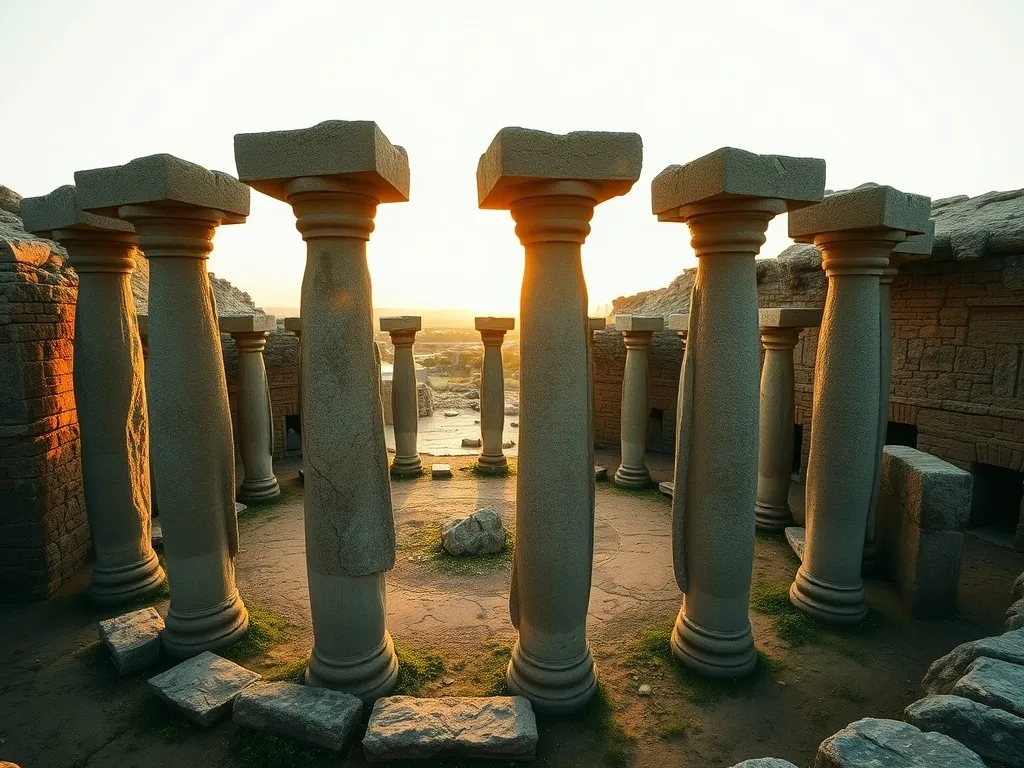
Preservation at Göbeklitepe now centres on conservation rather than new excavation. Turkish and German archaeologists working at the site argue that the priority must shift to stabilising the T-shaped pillars and enclosure walls, maintaining protective roofs over the excavated areas, and limiting further digging. The site has been a UNESCO World Heritage Site since 2018, and the work continues under the wider Taş Tepeler Project across Şanlıurfa.
The reasoning is practical rather than sentimental. Every trench opened exposes 12,000-year-old limestone to weather, water and the footsteps of visitors, and that exposure begins the moment the soil comes off. A carved pillar that has rested in damp, stable ground for millennia starts to dry, crack and shed surface as soon as it meets sun, rain and frost. Digging more therefore adds to the conservation burden faster than the team can answer it.
Leaving parts of the mound unexcavated is treated as a deliberate preservation decision, not a failure to finish the job. Ground that is never opened needs no roof, no drainage work and no stabilisation, and keeping it sealed protects its stratified deposits and organic material intact for techniques nobody has invented yet. On a monument of that standing, the cautious choice is the defensible one.
What conserving a T-shaped pillar actually involves
Conservation of a T-shaped pillar is slow, physical work rather than a quick intervention. According to professor Necmi Karul, a comprehensive restoration project at Göbeklitepe involving many of the standing stones has been running for about two months at a stretch, which gives a sense of the pace: crews work on a limited number of stones at a time and return to them across seasons.
The aim is stability. Workers treat the pillars and the surrounding enclosure walls so that the stones resist cracking and tilt, addressing the joints and settings that hold a monolith upright rather than the carved face itself. A pillar that leans is a pillar at risk, and the masonry around it carries part of that load. The same logic that guided the earliest carvers of these stones now governs how they are kept standing.
Restoration has concentrated heavily on Enclosure C, home to the site's iconic T-shaped pillars, where repairs and stabilisation have extended to the surrounding structures. That focus follows the condition of the enclosure: the most visited and most exposed pillars need the most attention.
Excavation and restoration continue side by side under the GT1 and GT2 protective roofs. New ground is still opened, but the standing stones beneath those shelters are treated as structures under care, not simply as finds to be recorded and left.
The roofs, the season and the visitor's view
The main excavation area is covered by a wide roof carried on supports, spanning the enclosures and keeping direct rain, harsh sun and the worst of the day-to-night temperature swing off the limestone pillars. That cover matters more than it looks. Water in cracks and repeated heating and cooling are what turn a carved surface into a crumbling one, so the roof is doing conservation work every hour of the year, not just during the season.
The same approach is spreading across the wider project. A protective roof was planned for Karahantepe, built along the lines of the one at Göbeklitepe, to strengthen preservation there and to improve what visitors see when they arrive. Shelters of this kind are now part of how the region's sites are presented, not an afterthought bolted on once digging stops.
Work itself follows the calendar. The excavation and restoration season at Göbeklitepe ran for roughly five months, with activity pausing over the harsher months when rain and cold make both digging and stone treatment risky. That rhythm sets what a visitor encounters: the site is not a static display but a place that opens, changes and closes again each year.
By the close of a restoration push, the difference is visible. As the season neared its end, Karul said visitors would see Göbeklitepe with a new face, as cleaned and stabilised stones came back into view. Anyone planning a trip should expect a site that looks different from the photographs taken a year or two earlier.
Who is responsible for protecting Göbeklitepe
Responsibility at Göbeklitepe is shared rather than held by a single body. The German Archaeological Institute and the Şanlıurfa Museum have carried out joint excavations at the site since 1994, a partnership that long predates the current emphasis on conservation. That pairing of a foreign research institute with a regional museum still shapes how decisions are made on the ground.
The German archaeologist Klaus Schmidt ran excavation efforts at Göbeklitepe until 2014. Anyone following the site's rituals and spiritual practices will notice that the same pillars carry both the research story and the preservation one.
Göbeklitepe was declared an official UNESCO World Heritage Site in 2018. That listing changed the paperwork as much as the digging: the site manager reports regularly to the Ministry of Culture and Tourism, and UNESCO receives periodic state-of-conservation reporting on how the monuments are faring.
For a visitor, the practical effect is a clear chain of accountability. Questions about a pillar's condition, a shelter or access to an enclosure run through the museum and the ministry, with the World Heritage listing adding an external check on whether the answers hold up over time.
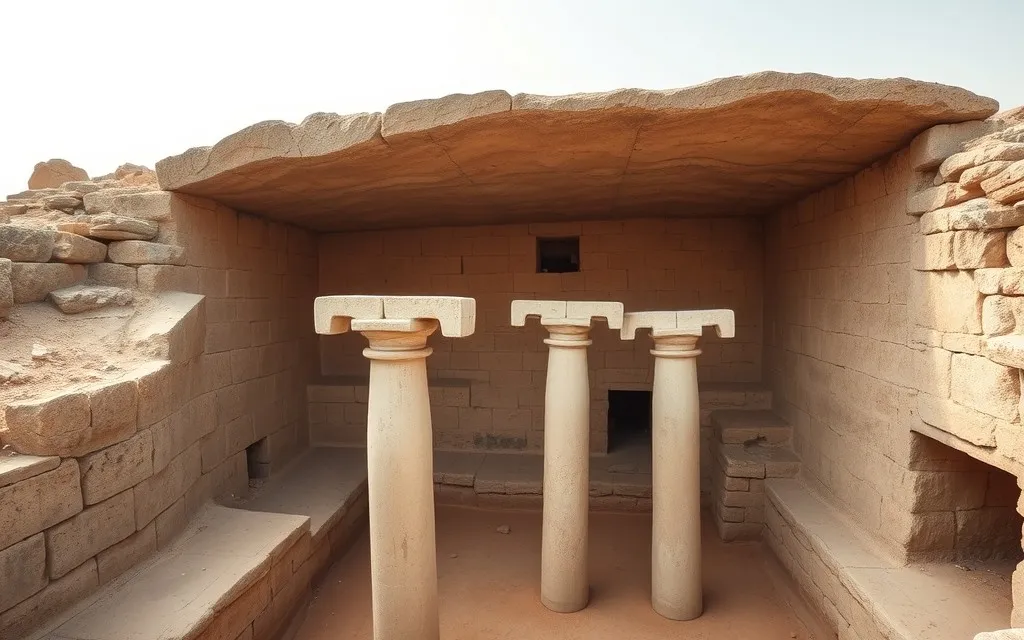
One site among ten: preservation across the Taş Tepeler Project
Göbeklitepe is not a solitary mound under a single team's care. The Taş Tepeler Project has simultaneous excavations underway at 10 sites around Şanlıurfa, which means the people who stabilise pillars, design shelters and monitor stone condition are spread across a regional programme rather than gathered at one hilltop.
The scale of that programme reflects what the landscape holds. According to Karul, surface surveys show that within a roughly 150-kilometre radius there are dozens of settlements contemporaneous with Göbeklitepe, reflecting about a 1,500-year period. Each mound with carved stone and exposed architecture raises the same conservation questions, and none of them can be answered with a single site's staff.
That density has a practical consequence: conservation resources and expertise are shared. A decision to prioritise a shelter, a stabilisation season or a specialist's time at Göbeklitepe is weighed against identical needs elsewhere in the region, and the answer is rarely permanent.
What travels between the sites is method. Protective shelters and stabilisation techniques developed at Göbeklitepe are being reused at neighbouring sites, so lessons learned under one roof reach the next mound instead of staying local. For anyone following preservation, the useful question is no longer only what happens at Göbeklitepe, but which of its solutions have been carried outward.
What each season still adds — and what it costs the stones
Discovery has not stopped; it has been folded into the conservation timetable. The 2025 season produced a human statue with a clearly defined head and torso, found in the ground between Enclosures B and D — not inside a roofed enclosure, but in the corridor of earth that separates them. That position matters, because material between enclosures sits outside the protected footprint and has to be handled quickly once it appears.
Finds accumulate rather than arrive singly. The life-sized wild boar statue in Enclosure D was uncovered two years before the human statue, and it remains one of the clearest examples of how a single season adds one object to a growing inventory that the site must then carry. Each addition changes the balance between pillars and open ground that the team is managing.
Every object lifted from the ground is documented in place first, then stabilised, then either protected where it lies or moved to a museum. That work is where conservation effort actually goes: the carving takes days to expose and much longer to make safe. Stone that has rested in damp sediment for millennia reacts badly to dry air and handling.
The central tension of each season is how much to reveal against how much to leave covered. Opening ground creates new knowledge and new obligations at the same moment, and the team decides season by season which it can carry.
How the site was found, and why that history matters for its care
Göbeklitepe entered the archaeological record quietly. In 1963, researchers from the universities of Istanbul and Chicago recorded the site during a regional survey, noting the broken limestone slabs and flint scatters without recognising what lay beneath them. The mounds sat largely unremarked for decades until excavation began in the 1990s and the enclosures emerged. That long gap matters for care: the site was already a known, mapped location before anyone understood its value, which is why early records, fragmentary as they are, still help today's team judge which surfaces were disturbed and which were never touched.
Recognition brought crowds. A total of 70,420 people visited between June and December 2018, and the figure rose to 400,195 in 2019, the year the site entered the World Heritage List. That jump is the clearest measure of the pressure preservation now manages: paths, barriers and shelter design have to absorb several hundred thousand pairs of feet a year without letting them reach the pillars.
Exposure adds to it. Göbeklitepe lies some 770 metres above sea level and about 400 metres above the Harran Plain, a position that leaves it open to wind, summer heat and winter frost. Managing foot traffic, routes and roofs is therefore as much a part of preservation as the stonework itself; the discovery history explains why the site is both well documented and unusually vulnerable.
Frequently Asked Questions
Can visitors still see active conservation work at Göbeklitepe during the season?
Visitors can watch active conservation work from outside the GT1 and GT2 roofs, where excavations continue and the standing stones are being treated. According to professor Necmi Karul, a comprehensive restoration project involving many of the standing stones has been ongoing for about two months, and by the end of September 2025 visitors will see Göbeklitepe with a new face.
Does leaving parts of Göbeklitepe unexcavated mean archaeologists have given up on new discoveries there?
No, leaving parts unexcavated is a deliberate preservation choice rather than an abandonment of discovery. Excavations still continue under the GT1 and GT2 roofs, and the 2025 season produced a human statue between Enclosures B and D. Surface surveys also show dozens of contemporaneous settlements within roughly a 150-kilometer radius, so the wider research landscape remains open.
How does the protective roof change the conditions inside the enclosures for the pillars?
The roof shields the enclosures from direct rain, sun and temperature swings, reducing the weathering that erodes carved limestone surfaces. Because the stones stay drier and more stable, conservation treatments hold longer and the pillars need less repeated intervention. Karahantepe is due to receive a similar protective roof by the end of the year.
What happens to statues and artefacts found during a season before they are moved or displayed?
Finds are documented in place and stabilised before any lifting, since freshly exposed limestone and sculpture are fragile and can crack or crumble if handled too quickly. The life-sized wild boar statue in Enclosure D and the 2025 human statue between Enclosures B and D illustrate how such pieces emerge during excavation. Conservation then continues under controlled conditions.
For the full overview, see current status of göbekli tepe history.
Related in this series: gobeklitepe artifacts, gobeklitepe discovery story.