Unearthing the Mysteries of Göbeklitepe and Its Significance in Human History
Göbeklitepe's Enigmatic Origins and Its Role in Human Cultural Evolution
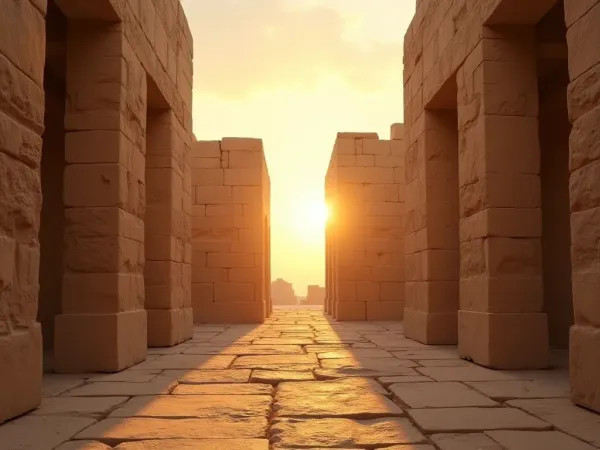
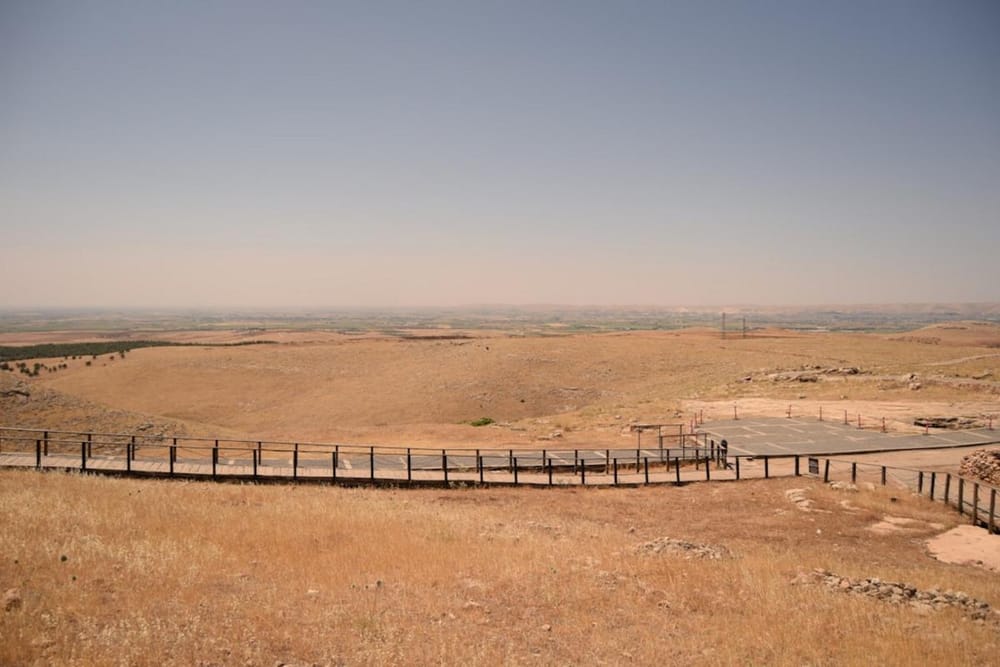
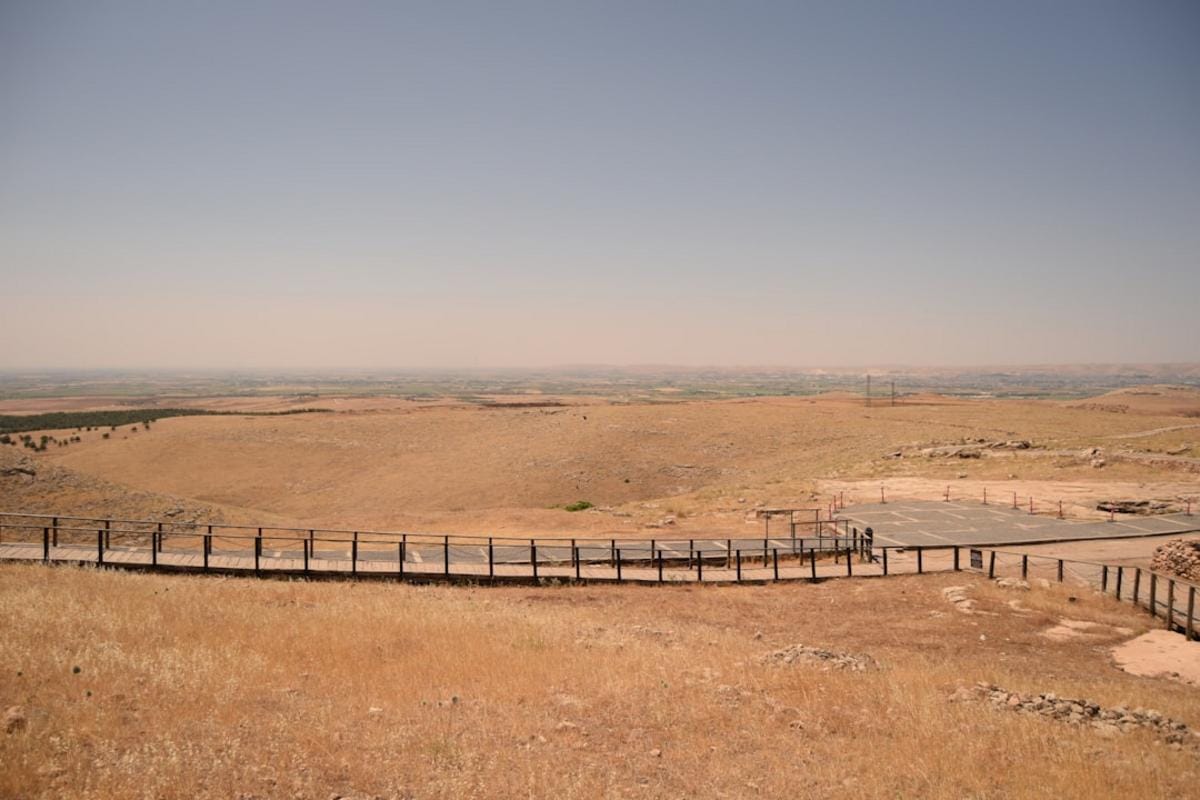
Göbeklitepe, located near Şanlıurfa in southeastern Turkey, is widely regarded as one of the most significant archaeological discoveries of the 21st century. Estimated to be about 12,000 years old, this monumental site predates later-known megalithic structures like Stonehenge by several millennia. Its discovery has profoundly altered our understanding of prehistoric societies, challenging the traditional narrative that early humans solely relied on hunting, gathering, and rudimentary tools. Instead, Göbeklitepe suggests that even 12,000 years ago, our ancestors engaged in complex social and religious activities, possibly establishing the foundations for organized belief systems and communal rituals. Experts believe this site served as a religious sanctuary or ceremonial center, hinting at the early onset of spiritual practices that would unfold into the world's diverse belief systems. The intricacy of the carvings, the T-shaped stones, and the arrangement of circles have led archaeologists to re-examine the technological capabilities and societal organization of early humans. The site has prompted a redefinition of the Neolithic era, shifting the perspective from a slow evolution towards settled farming to a more nuanced understanding of early human ingenuity, cultural sophistication, and community cohesion.
Deciphering the Mysteries of Its Sacred Structures and Symbolism
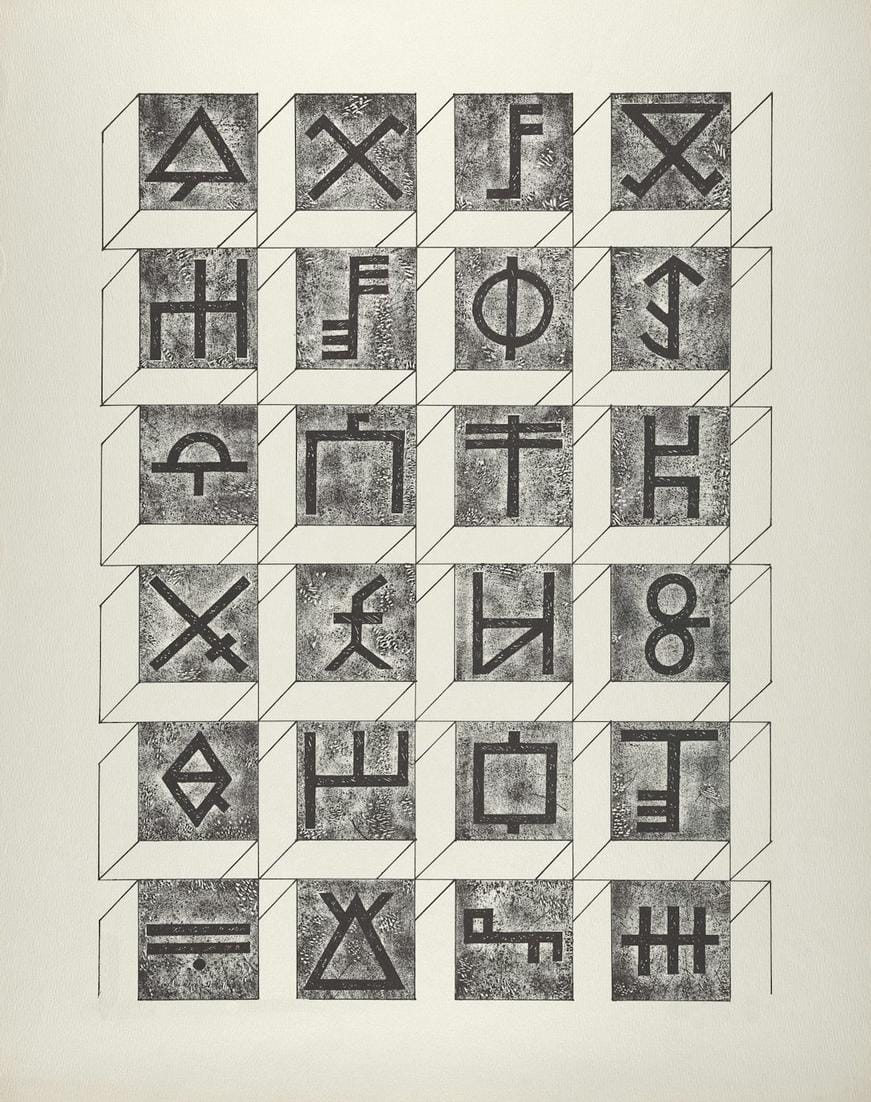
The remarkable megalithic monuments of Göbeklitepe feature carved reliefs and intricate symbols that continue to baffle archaeologists. Unlike later prehistoric sites that primarily focus on functional architecture, Göbeklitepe's pillars are adorned with images of animals, abstract shapes, and possibly celestial symbols. These carvings suggest an early form of myth-making or cosmology, where animals like snakes, lions, and vultures represented sacred totems or spiritual entities. The site’s layout emphasizes its ritualistic function, with multiple circular enclosures that likely served as gathering places for collective ceremonies. What makes Göbeklitepe truly astonishing is the absence of evidence for domestic habitation—no signs of dwellings or food storage—but rather an emphasis on communal worship and symbolic expression. Researchers theorize that this site was constructed by an early religious elite who used visual messages to reinforce social cohesion and spiritual authority. The symbolism on the pillars hints at a complex worldview, perhaps involving stories of creation, survival, and divine forces, which originated long before the advent of agriculture and settled communities. Such insights are invaluable, as they suggest that spiritual and ritualistic practices might have played a central role in the social fabric of early human groups, guiding their worldview and interaction with the environment.
How Göbeklitepe Redefines Our Understanding of Early Human Society
The significance of Göbeklitepe extends beyond its architectural marvels and intricate carvings. This site radically shifts the timeline of human societal development, suggesting that complex social and religious structures existed well before the rise of agriculture and permanent settlements. Traditionally, scholars believed that early humans first focused on survival and only later developed spirituality and communal rituals. Göbeklitepe challenges this notion by providing concrete evidence of organized religious activities among hunter-gatherer groups, which likely played a pivotal role in social cohesion. The notion that spiritual life motivated cooperation, resource sharing, and even early forms of social hierarchy is increasingly gaining acceptance. The site hints at a transitional phase where humans were beginning to forge communal identities and collective beliefs, setting the stage for subsequent cultural and technological advancements. This understanding underscores the importance of ritual and spiritual expression as catalysts not just for societal unity but also for technological innovation, as early humans manipulated their environment with purposefully constructed monuments and symbols. As new excavations continue and technologies like 3D scanning and DNA analysis are applied, our comprehension of this complex cultural landscape promises to deepen, offering a richer picture of humanity's earliest spiritual endeavors.