Karahantepe's New Discoveries Challenge Our Understanding of Humanity's Sacred Origins
The Unexpected Fusion of Daily Life and Sacred Practice in Neolithic Communities
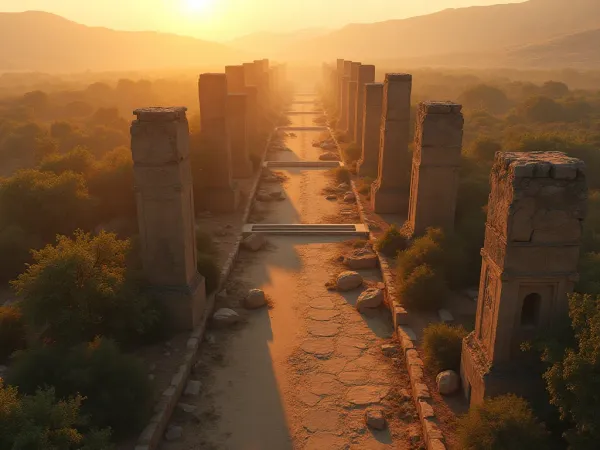
In a revelation that continues to excite archaeologists and historians alike, recent excavations at Karahantepe—located just 60 kilometers from the famed Göbeklitepe—are unveiling a startling narrative: that our ancestors did not see daily life and spiritual worship as separate spheres. Instead, evidence suggests they built structures that served both practical and sacred purposes, blurring the boundaries long assumed to define early human settlements. This discovery 📷 shows large communal buildings and domestic huts existing side by side, challenging the widespread belief that ancient societies were either purely spiritual or purely functional. It appears that early humans, perhaps driven by a fundamental need for communal connection and spiritual expression, seamlessly integrated their beliefs into every facet of their lives, from food production to social gatherings. This integrated view fundamentally alters how we interpret the purpose of sites like Göbeklitepe, emphasizing a holistic approach to early human existence that combines survival and spirituality in ways previously unimagined. For a deeper exploration into how these discoveries connect to our spiritual origins, check out Göbeklitepe and the Dawn of Human Civilizations.
Tools and Techniques That Rewrite Our Prehistoric Narrative
One of the most compelling aspects of Karahantepe’s recent findings lies in the technological sophistication of its tools and construction methods. Thousands of years before the advent of metallurgy, Neolithic people crafted intricate flint tools used for hunting, woodworking, and food processing—some dating back to around 9400 B.C. The diversity of these tools indicates a society that was rapidly evolving technologically, with early evidence of grinding techniques and bread-making processes that hint at the beginnings of agriculture and food cultivation. These technological innovations suggest that early humans were not merely reactive survivalists but active innovators deeply engaged in shaping their environment and spiritual practices. This reshapes the traditional view of prehistoric technological development as primitive and slow, revealing a vibrant culture of ingenuity that laid the groundwork for subsequent civilizations. If you're curious about how these ancient technologies fit into the broader picture, this article offers detailed insights into how Göbeklitepe's innovations challenged our assumptions about early human capabilities.
Implications for Our Understanding of Early Human Spirituality
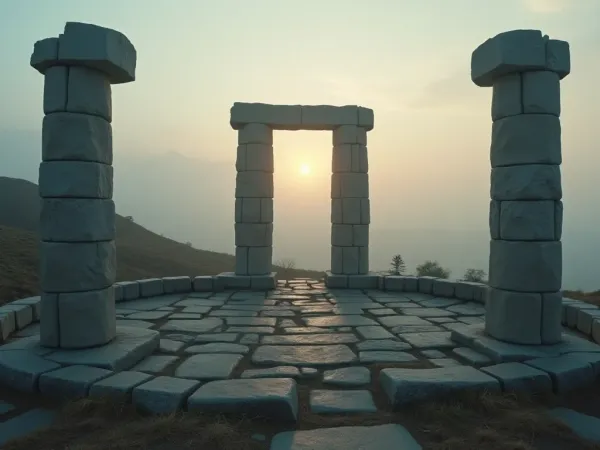
What makes Karahantepe’s revelations truly profound is their challenge to established narratives about prehistoric spirituality. Historically, scholars have viewed sites like Göbeklitepe as purely ritualistic centers, dedicated solely to worship or spiritual gatherings. However, recent findings suggest that these sanctuaries may have also been integral to everyday community life, serving as a space where social cohesion, spiritual identity, and practical existence collided. The evidence of baked grains, grinding stones, and wooden artifacts alongside monumental stone pillars indicates a society that honored both material sustenance and spiritual symbolism in the same complex. This blending signifies that the roots of human spirituality may lie in our earliest efforts to create interconnected communities where religion, survival, and social bonding are inseparable. Such insights open new avenues for understanding the earliest expressions of humanity’s search for meaning, challenging the idea that spiritual practices only emerged once complex societies had developed. To explore this revolutionary perspective further, see Göbeklitepe and the Revival of Ancient Technologies.