The Hidden Power of Göbeklitepe That Could Rewrite Human Spirituality
Unveiling the Sacred: Göbeklitepe's Unexpected Spiritual Revolution
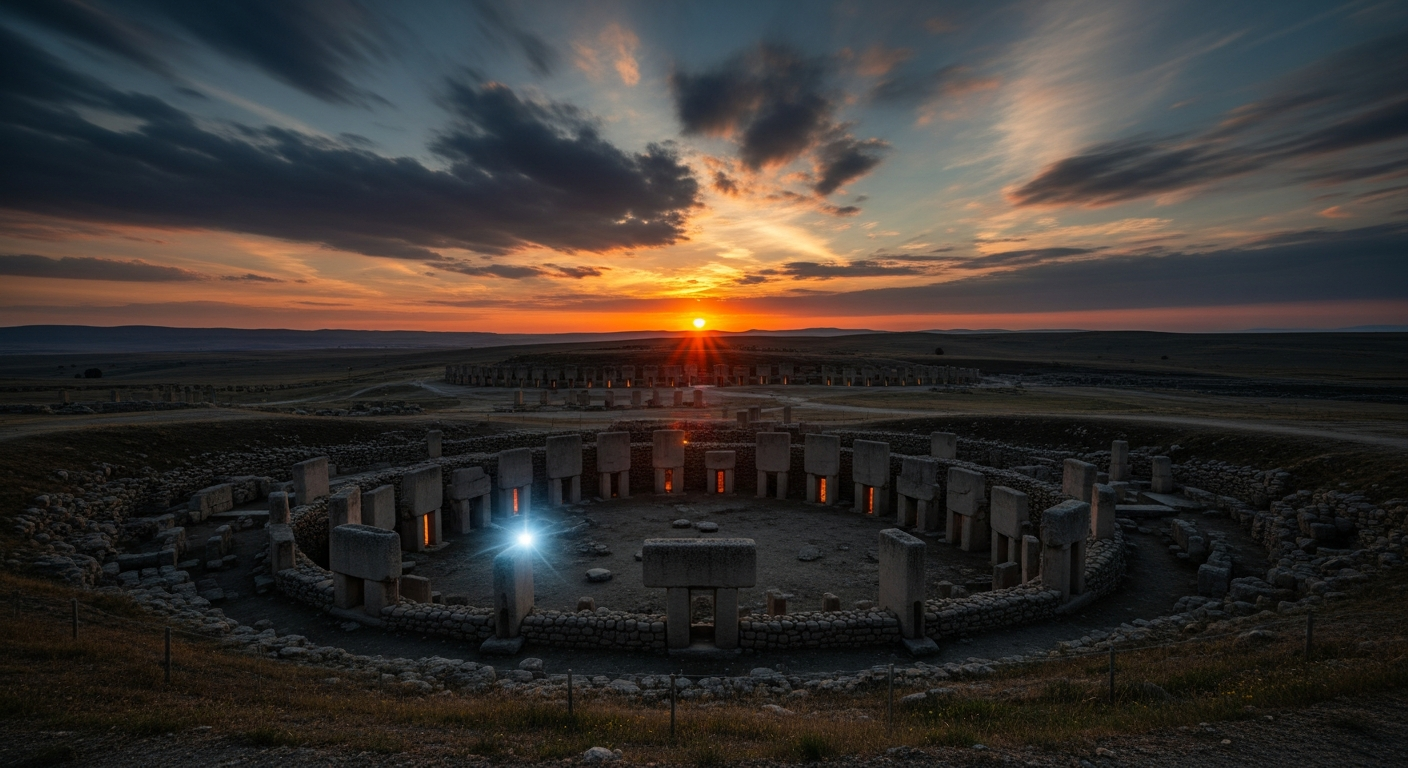
Few archaeological sites have provoked as much fascination and debate as Göbeklitepe. This 12,000-year-old complex has become a symbol of ancient spiritual life that predates the rise of agriculture and the first cities by thousands of years. Its monumental stone pillars adorned with reliefs of animals and abstract symbols suggest a sophisticated belief system, yet one that remains largely elusive and misunderstood. When the Turkish Ministry of Culture and Tourism announced a major exhibition in Berlin featuring artifacts from this site, it was more than just a display of ancient objects; it was a message that challenges modern assumptions about the origins of human spirituality. The question that lingers is whether these early rituals were merely for worship or if they hint at an entirely different cognitive capacity—one that prioritized community bonding, symbolism, and spiritual consciousness long before the advent of written language or cities. Viewing these relics through this lens shifts the narrative of human history, positioning spiritual expression as a central pillar that may have sparked societal cohesion far earlier than previously believed, and this groundbreaking perspective is precisely what this exhibition aims to showcase.
Rewriting Humanity's Early Beliefs Through Art and Architecture
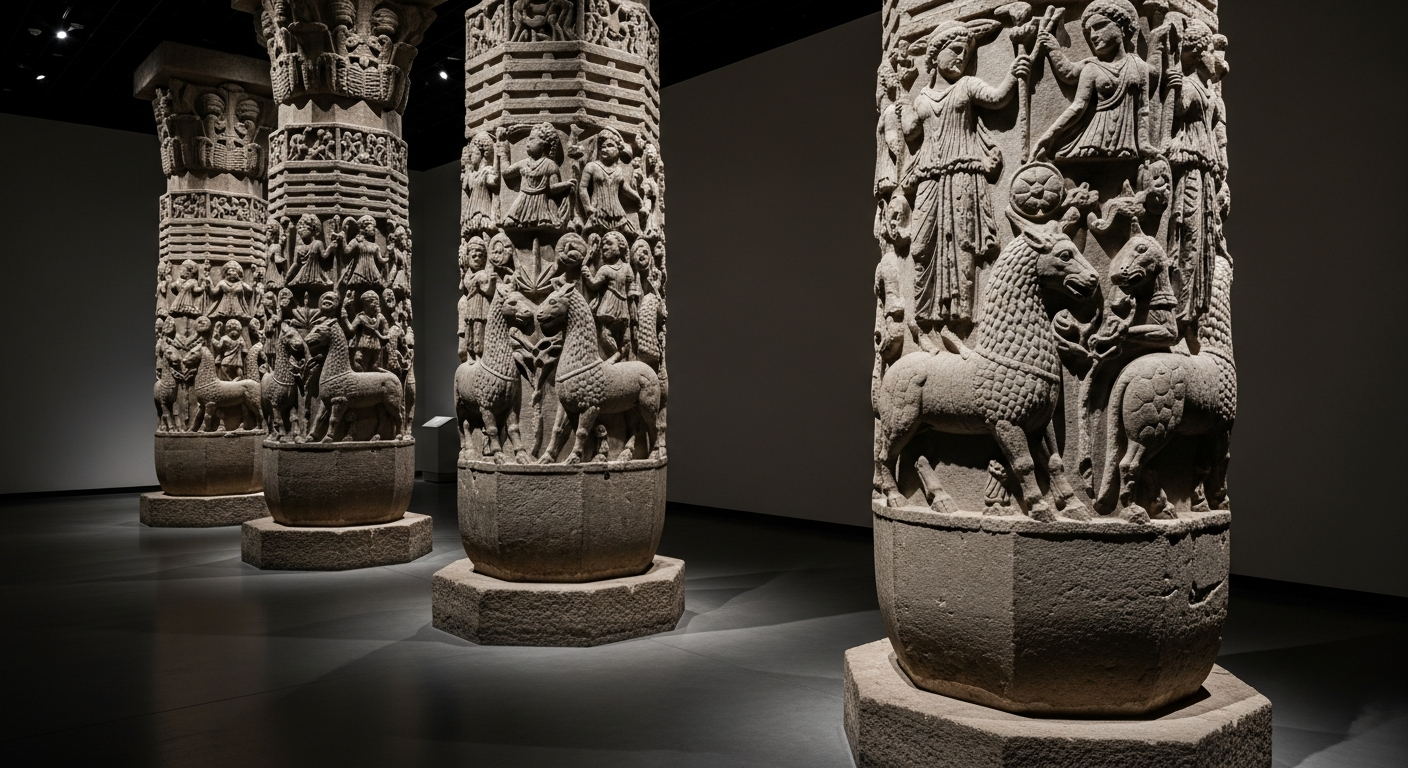
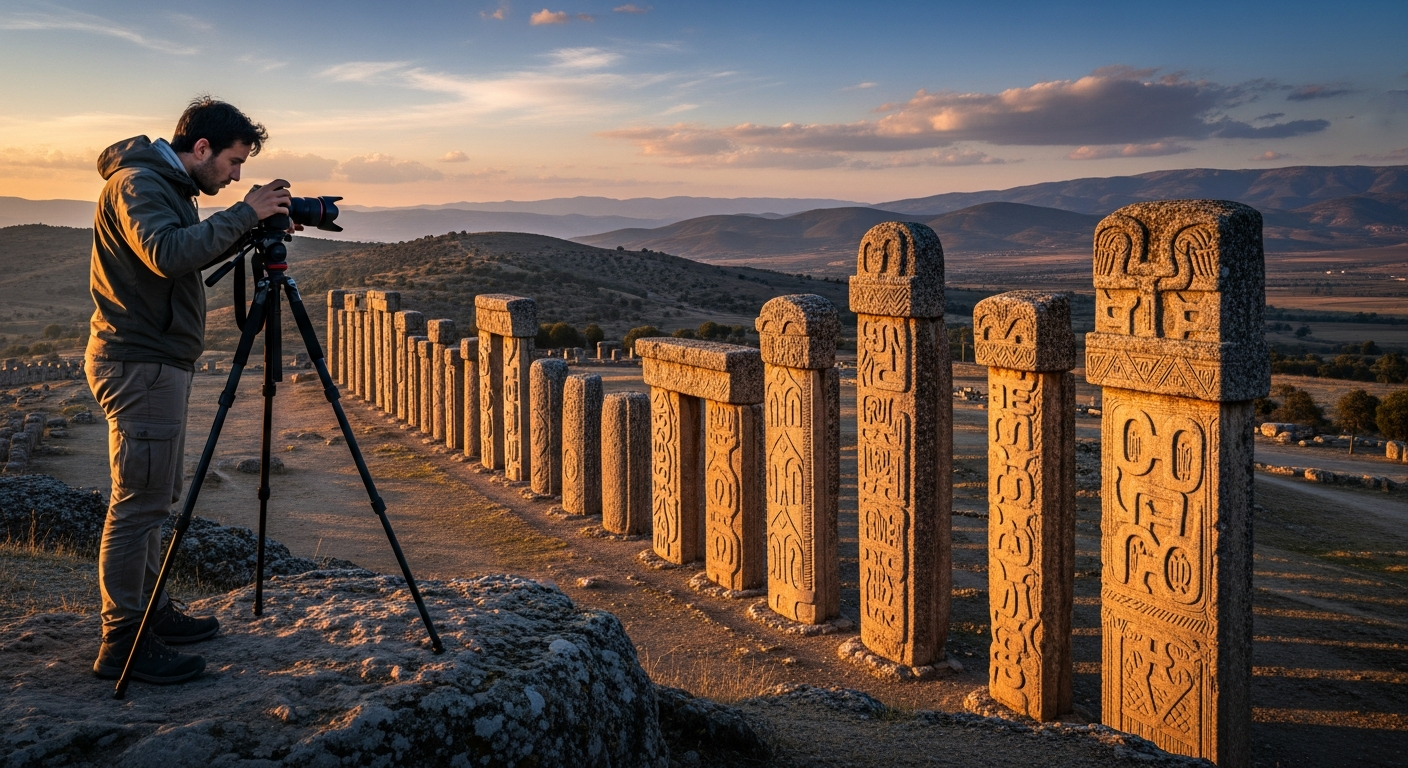
The upcoming exhibition, titled 'Building Community: Göbeklitepe, Taş Tepeler and Life 12,000 Years Ago,' is a curated journey into the minds and spiritual worlds of our earliest ancestors. Featuring 89 artifacts and replicas, many of which are displayed outside of Türkiye for the first time, the exhibition offers a window into how early settlements represented more than just survival but were infused with symbolic meaning. The arrangement of the site’s megalithic pillars indicates a ritualistic purpose, possibly serving as a communal altar for spiritual gatherings that reinforced social bonds. Intriguingly, the artifacts reveal that early humans were not just focused on practical survival but had a deeply rooted need to express abstract ideas about existence, death, and the divine. This challenges the myth that religion or spirituality only developed alongside complex societies; instead, Göbeklitepe suggests that spiritual consciousness was a critical driver in the evolution of organized community life, and that its origins are far older and more profound than we have ever appreciated.
Who Truly Benefits from Göbeklitepe’s Global Spotlight
While the exhibition aims to promote Türkiye's rich heritage on the world stage, it also raises questions about the broader geopolitical and cultural implications. The diplomatic effort to showcase Göbeklitepe underscores a strategic desire to reframe national identity around a shared, ancient human legacy, positioning the country as a pioneering holder of civilization’s earliest roots. This move can be viewed as a form of cultural diplomacy that not only elevates Türkiye’s global profile but also challenges Western-centric narratives of civilization's origins. Yet, this leads to an underlying tension: who truly benefits from such cultural exhibitions? Is it the international community gaining access to humanity’s shared past, or does it risk politicizing and commercializing sacred sites? By bringing these artifacts to Berlin, a hub of global cultural exchange, Türkiye asserts its role as a key custodian of early human history. Nevertheless, the question remains—does this focus on ancient heritage overshadow current geopolitical realities or foster genuine cross-cultural understanding? Such discussions highlight the complex dynamics of historical storytelling in the modern era.
More Than Just Artifacts The Innovation Embedded in Ancient Technologies
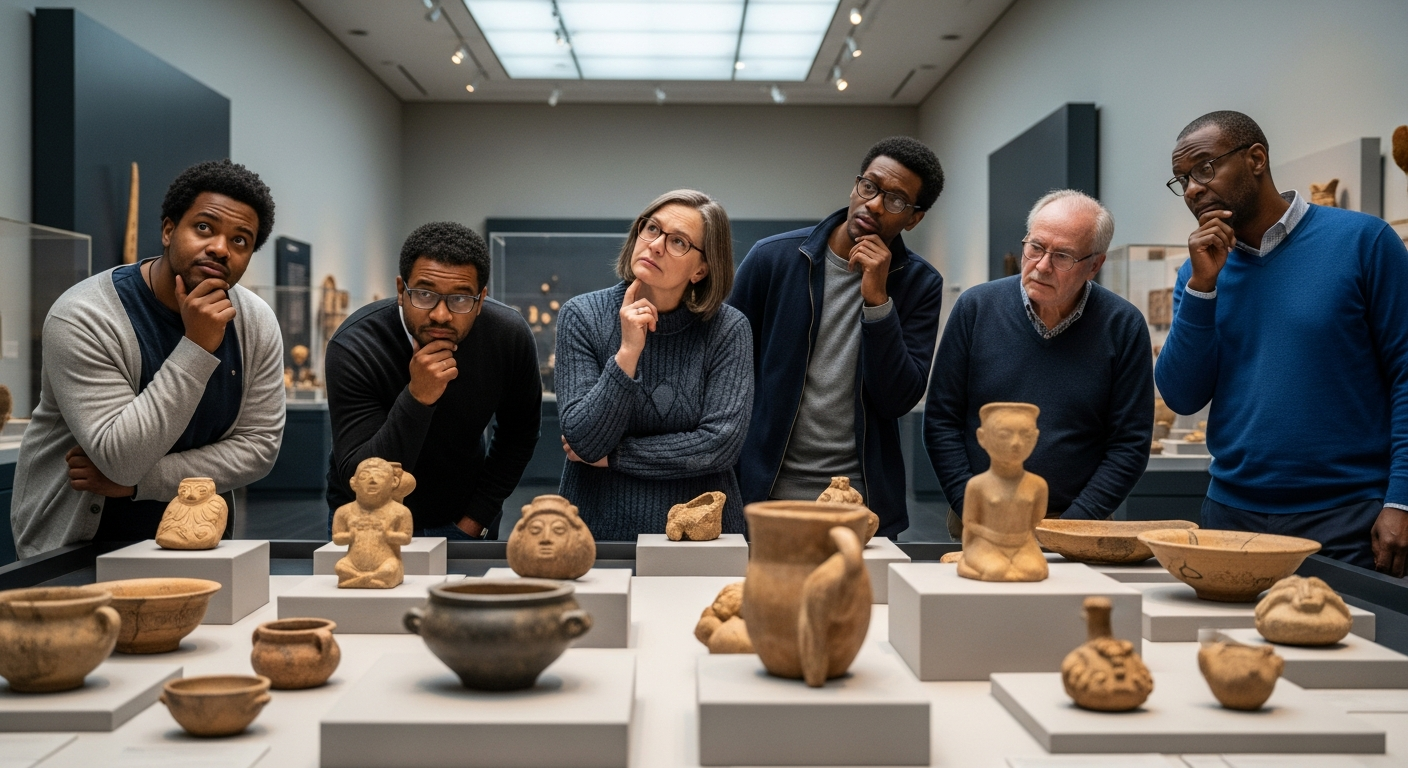
One of the most underreported yet revolutionary aspects of Göbeklitepe is the technological ingenuity that allowed its creators to carve and transport massive stones without the aid of metal tools or wheeled vehicles. Recent studies suggest that these early builders employed sophisticated methods—such as lever systems, rope techniques, and possibly even primitive pulleys—to raise and erect the megaliths. This challenges traditional notions that simple societies lacked complex technological capabilities. The site’s construction indicates an impressive understanding of physics and engineering, predating many other known ancient technologies. As we examine the artifacts in the Berlin exhibition, and particularly the replicas, we're reminded that these innovations were not mere accidents or random discoveries. They reflect a deliberate, advanced knowledge that hints at a broader technological revolution in prehistory. Recognizing these technological feats forces us to reconsider the linear progression we often assume in human development, acknowledging that ingenuity and innovation thrived in the earliest days of civilization, paving the way for future breakthroughs.