That Saw Blade From The Cave Changes Everything
The Stone That Broke The Old Narrative
You have likely heard the story before. Humans were simple hunter-gatherers who chipped rocks and scratched by fires until farming arrived in a flash of genius somewhere around ten thousand years ago. It is a clean, tidy line that fits neatly into our schoolbooks.
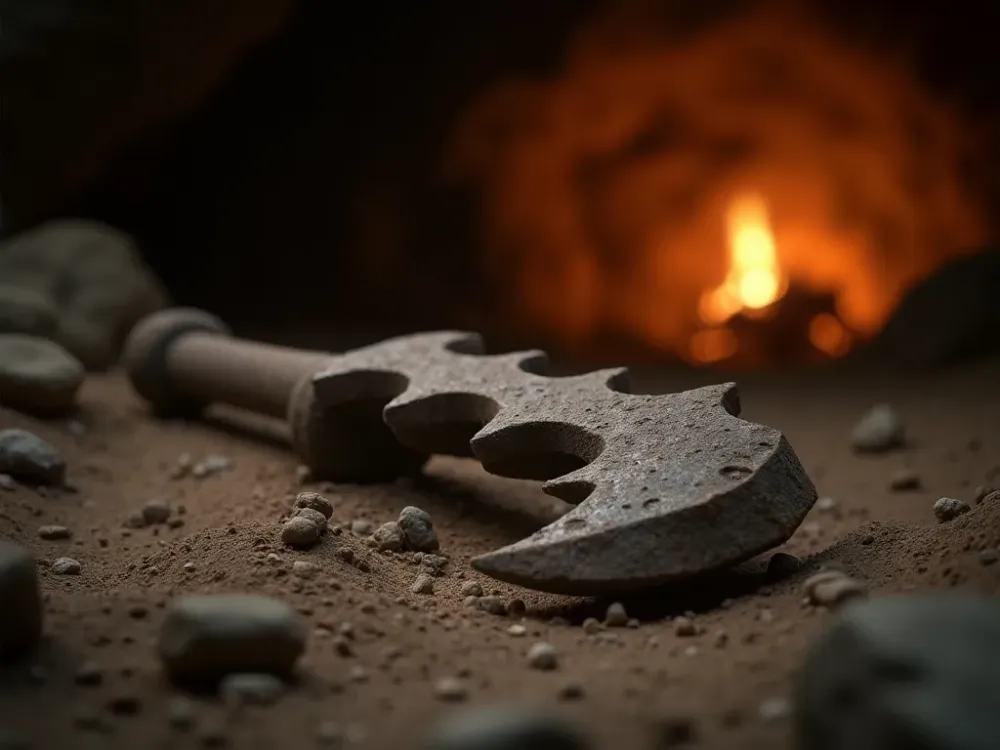
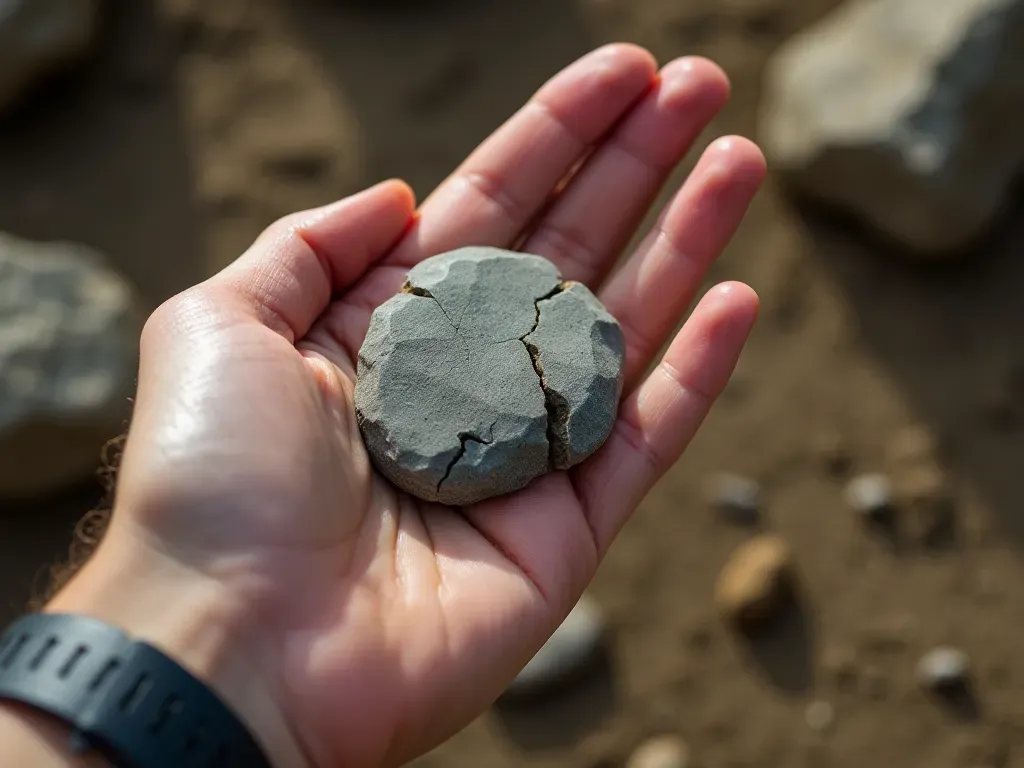
Then a team in northwestern Turkey pulled an object out of the dirt that does not fit. It is not just a sharp edge. It has teeth. And honestly? That single detail makes my head spin, because it implies someone eighty-six thousand years ago was thinking like an engineer.
We are talking about İnkaya Cave. It sits near the village of Bahadırlı in Çanakkale province. For six years, researchers have been digging there, and what they found is quietly rewriting the rules for how we view prehistoric capability in this region.
Why The Toothed Edge Matters So Much
Most stone tools from this era are pointy or sharp. They work by pushing into something. But a toothed edge works differently. It requires friction against the material to cut through it, much like how you would slice bread with a serrated knife rather than a steak knife.
To create those teeth, the ancient maker had to control force with incredible precision. One slip and the blade snaps. Two slips and it is useless garbage in a pile of waste flakes. The fact that they made one—and likely used it repeatedly—suggests a level of dexterity we usually reserve for much later periods.
I keep thinking about the handle. The source notes these tools likely had handles made of bone or horn attached with resin. That is not just a rock in your hand anymore. That is an assembly. That is manufacturing.
The Geography That Drew Them In
Why this specific cave? It is not magic. It is logistics. The site offers two things that are hard to find in the wild: reliable water and abundant raw flint right under their feet.
In many other sites, you have to haul rocks from kilometers away. Here, the environment provided the factory material directly. This proximity likely turned a temporary camp into a long-term workshop.
Between Two Worlds Of Early Life
The location is also a bridge. It sits right between the Anatolian peninsula and the Balkan region. Studying this spot helps us trace how populations moved across landscapes thousands of miles from modern cities.
Professor İsmail Özer from Ankara University led the survey that first identified this spot in 2016. His team has since proved that Çanakkale is far richer in prehistoric evidence than we previously thought.
This connects deeply to broader debates about how early humans adapted. If you have followed the arguments about how driftwood evidence shows early humans were smarter than we admit, this cave find fits perfectly into that same argument for high cognitive ability in the Paleolithic.

What They Were Actually Doing With Those Stones
Here is the tricky part. We do not have bones yet. No animal remains. No seeds or charred plant matter that tells us exactly what was on the menu for dinner.
So we are left with the tools. And the shapes tell a story. Some look like scrapers for skins. Others suggest digging into soil. But that toothed piece? That is likely for cutting through something dense, maybe wood or thick hide.
Researchers are preparing for microscopic analysis. They want to look at the wear patterns under high magnification. Microscopic scratches can reveal if a tool was used on bone or plant stems, turning abstract guesswork into hard data.
The Missing Pieces In The Story
It is frustrating in a way. We know how they made the tools, but we do not fully know what their days looked like beyond that. Did they live there for months? Weeks?
The lack of organic preservation is common in cave sites like this. But it means the stone artifacts carry the entire weight of our understanding right now. Every flake matters.
This reminds me of the debates around three tiny stones that broke the human storytelling timeline. Sometimes, it is not the giant monument that changes history. It is the small, overlooked object sitting in a box.
Why This Changes More Than You Think
The mainstream view often places complex toolmaking and planning much later in human history. We tend to think of the Middle Paleolithic as a period of survival rather than innovation.
But if these people were crafting composite tools with resin and bone handles, they were managing resources. They were testing materials. They were solving problems that required foresight.
This challenges the idea that farming and agriculture were the only triggers for social complexity. Maybe complexity was already there, hidden in these workshops.
Rethinking The Timeline Of Human Skill
Consider the implications. If a group in northwestern Turkey had this level of technical ability eighty-six thousand years ago, then other groups elsewhere likely did too. We are looking at a global network of capable minds, not isolated pockets of primitive behavior.
This also touches on the bigger picture we discussed when looking at the invisible wall that stopped human evolution for thousands of years. Understanding these early capabilities helps us map where and why development accelerated or stalled in different regions.
The Quiet Work Behind The Discovery
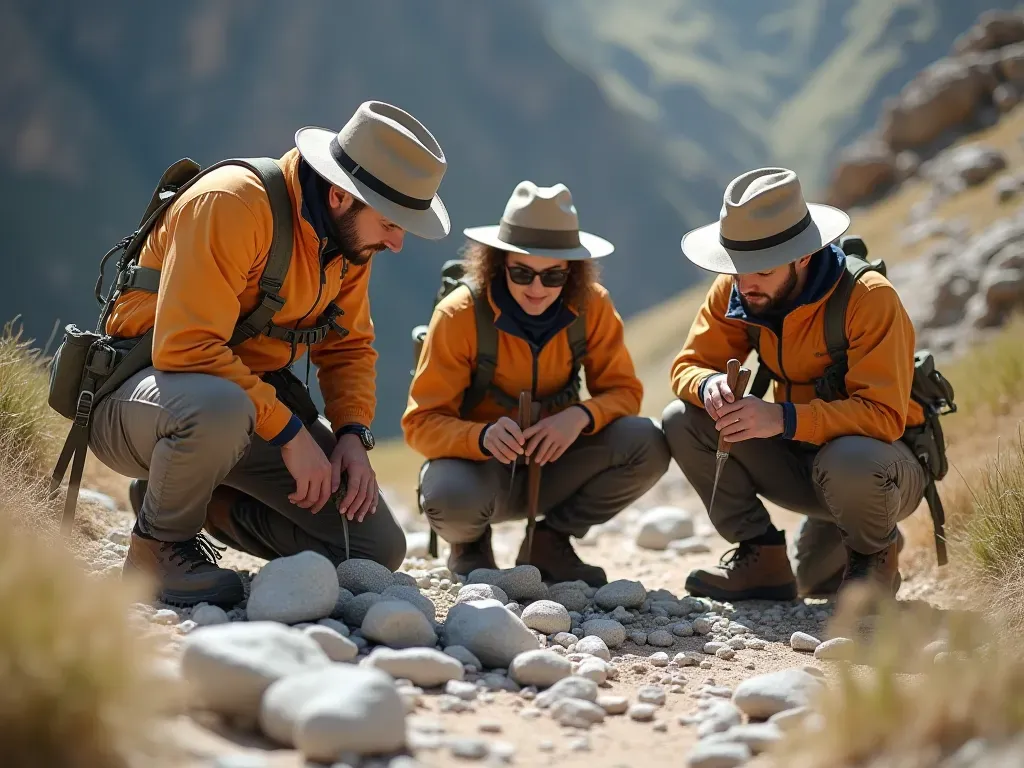
None of this happened by accident. Twenty specialists worked on the latest campaign. They focused on the eastern slopes where the oldest dated remains were hiding.
It is unglamorous work. You dig square by square. You brush away dirt with soft brushes. You log every single flake you find. It takes years of patience to build a picture from fragments.
Professor Özer notes that cave excavations remain limited in Turkey. Most studies focus on open-air sites in the south. This project fills a gap that has existed for decades.
A New Lens On Regional History
For locals in the area, this is not just an academic footnote. It proves their home region was a hub of human activity long before recorded history began.
It changes how we look at the landscape. Those hills are not just scenery. They were workshops. They were kitchens. They were places where humans figured out how to live.
What Comes Next For The Research Team
The team is not done. They expect to find more layers as they dig deeper into the cave deposits.
If they find organic material in future seasons, we could get DNA data. That would be a game changer for understanding population movements and diet.
Until then, the stone tools remain our primary witnesses. And that toothed blade? It is a silent argument for just how smart we were eighty-six thousand years ago.
The Bigger Question About Human Origins
This discovery fits into a larger trend of finding sophisticated behavior in older layers. We keep pushing the timeline back for everything from art to complex tool use.
It forces us to ask if we are still underestimating the past. Are there other caves out there hiding similar secrets? I suspect so.
If you are interested in how these older sites compare to the famous monumental ones, check out the evidence that Göbeklitepe was never a temple. It shows how our assumptions about early human structures are constantly being challenged.
Final Thoughts On The Stone Evidence
We like clean stories. We like clear lines between primitive and advanced. But the dirt does not care about our preferences.
The people at İnkaya Cave were not just surviving. They were creating solutions to problems they faced daily.
And that saw blade? It's proof that innovation didn't just show up recently. It's been baked into who we are all along.