The Shocking Truth About How Göbeklitepe Was Really Built
The Day History Broke Its Own Rules
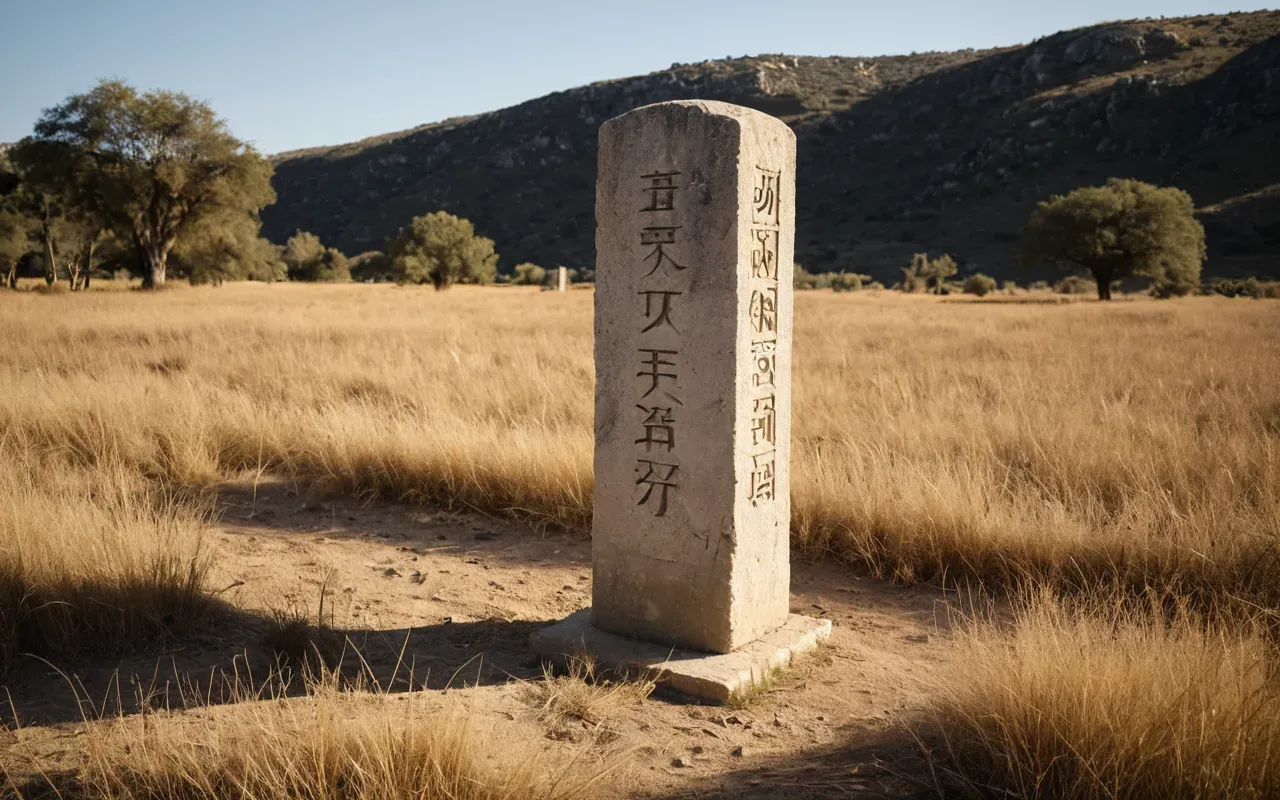
Imagine standing in a field. The sun is hot on your neck. You look down at the dirt and see a stone pillar sticking out of the ground like a broken tooth. It looks old. Really old. But when you brush away the soil, something impossible happens.
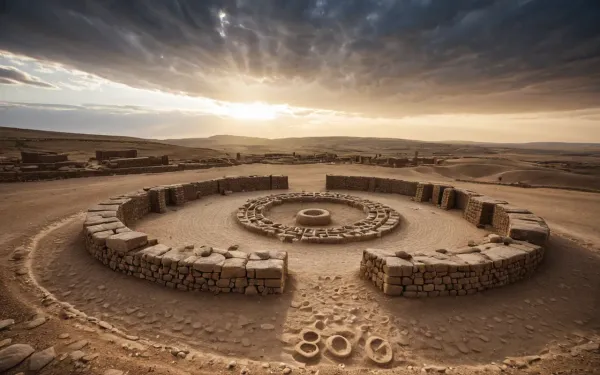
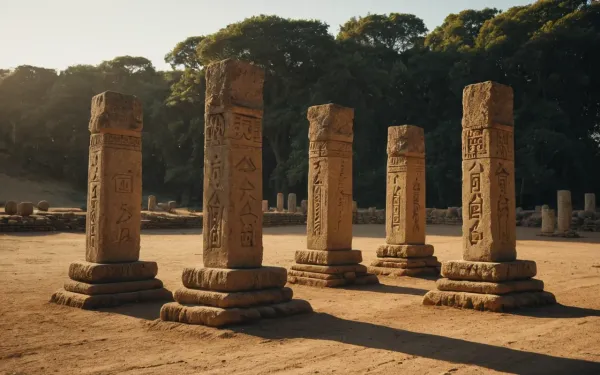
That stone is twelve thousand years old. It was carved by people who did not farm. They had no metal tools. No cities. No writing system to record their names. Yet they moved massive T-shaped stones that weigh up to fifty tons each.
This should not be possible. According to every history book you read in school, civilization follows a strict script. First comes food surplus from farming. Then cities grow around that food. Only then do people have the leisure time to build temples.
Göbeklitepe shatters that script. It proves the opposite is true. The temple came first. The farming came later. This single site flips our entire understanding of human progress upside down.
Why Everyone Got It Wrong For Decades
For most of human recorded history we believed that survival drove culture. We thought early humans were purely practical creatures focused only on finding food and shelter. The idea is simple enough to be convincing.
But look at the evidence again. The builders of Göbeklitepe were hunter-gatherers. They moved constantly across the landscape chasing game and gathering wild grains. Why would they stop to build such a massive structure? What motivated them?
I remember reading about this contradiction years ago. It felt wrong somehow. How can nomadic tribes organize labor on such a scale? We assume they lacked the social hierarchy to do it. That assumption might be our biggest mistake yet.
Klaus Schmidt the German archaeologist who led early excavations saw it clearly. He noted that the sheer effort required to quarry and erect these pillars demanded cooperation far beyond small family groups. Something pulled them together.
And here is the thing that really bothers historians. Those stones were buried intentionally after use. They did not collapse from neglect or time. People covered them with tons of earth deliberately.
The Burial Mystery That Keeps Us Up At Night
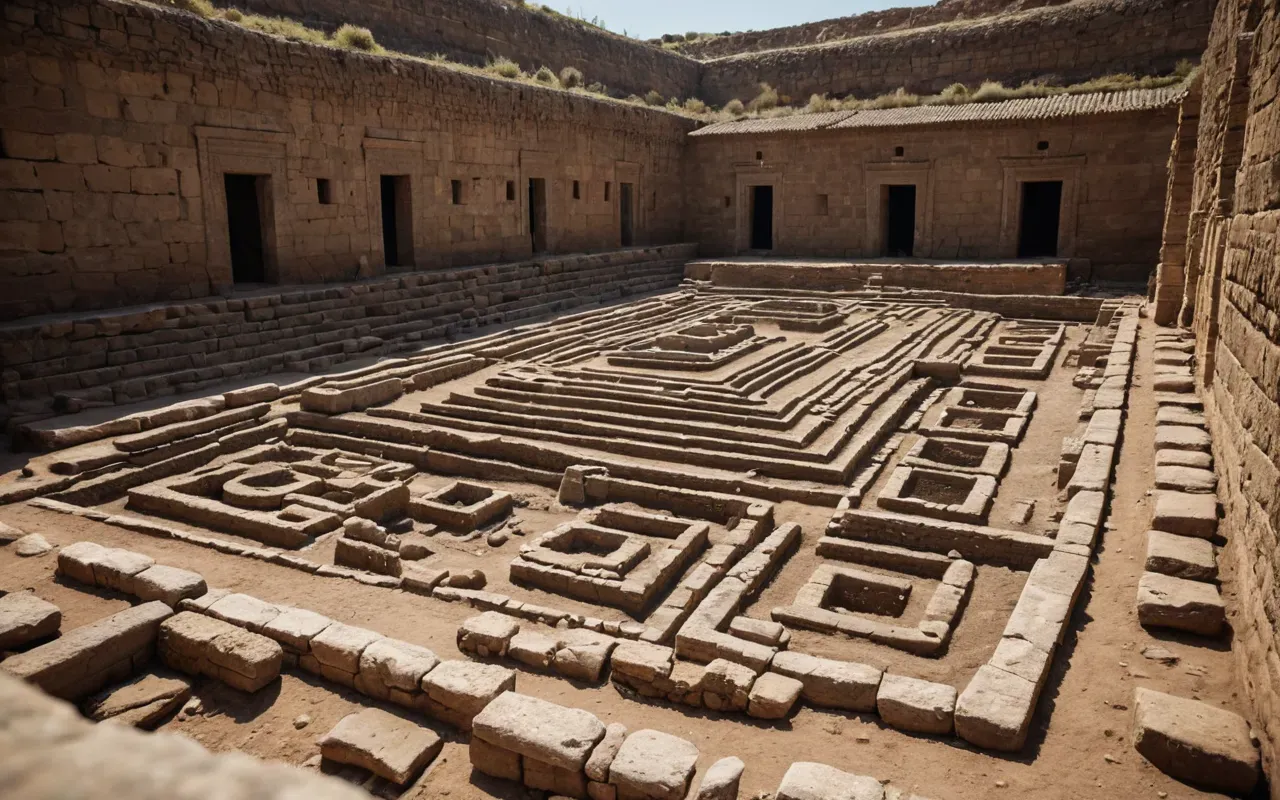
Why bury a temple? It makes no sense from an engineering perspective. You spend decades carving stone only to hide it forever under dirt piles? This behavior points toward deep spiritual significance rather than practical storage needs.
Some researchers suggest it was a way to reset sacred space. Others think it marked the end of an era when climate shifts changed their lifestyle forever. Either way it shows intentionality we rarely see in prehistoric records.
Think about what that implies for us today. If belief systems can mobilize thousands of people before agriculture exists then ideology matters more than material comfort in driving change.
Who Actually Built These Stones Anyway?
We often fall back on exotic explanations when faced with ancient engineering marvels. Lost advanced civilizations? Alien visitors? No. The truth is far more fascinating and deeply human.
These were ordinary people living in a world where survival was never guaranteed. Yet they chose to invest enormous energy into non-sutilitarian projects. That choice tells us everything about human nature.
If you want to understand how this happened read more about Göbeklitepe Builders Had No Tools No Farms And No Cities. It breaks down the technical aspects without losing sight of the human story.
They used stone tools and wooden levers. Nothing magical there. But their ability to coordinate labor across wide areas suggests complex social networks existed long before we thought.
Consider the logistics involved. Moving a fifty-ton stone requires hundreds of workers working in perfect sync for days or weeks. Feeding them too is no small task during those periods.
This level of organization contradicts everything we assume about early tribal life. It forces us to rethink how flexible and capable our ancestors truly were.
The Religious Spark That Ignited Civilization
Here is where things get really interesting. The traditional view says food surplus allowed temples to rise. Göbeklitepe argues that the desire for temple building actually forced people to develop farming.
Think about it logically. If you gather thousands of people for a massive construction project they need food nearby. Hunting alone cannot sustain that many mouths constantly.
So maybe agriculture started as a solution to feeding pilgrims and workers at sacred sites. This reversal of cause and effect changes how we see innovation itself.
It means spiritual needs drove technological advancement not the other way around. A profound shift in perspective indeed.
I find this incredibly compelling because it puts meaning back at the center of human history. We are not just biological machines optimizing calories after all.
Check out The Man Who Dared To Say Religion Came Before Farming for a deeper look at this controversial but increasingly accepted theory among modern archaeologists.
What Does This Mean For Our Modern World?
We live in an age obsessed with data and efficiency. We measure success by GDP growth rates and productivity metrics alone. But Göbeklitepe reminds us that humans have always sought meaning beyond mere survival.
Our ancestors built monuments to gods we do not recognize anymore. They invested resources into symbols rather than just stockpiling food reserves for winter storms.
That instinct remains strong within us today. Look at how much we spend on entertainment arts and spiritual retreats even when basic needs are met.
Rethinking Our Place In The Timeline
History feels distant to most of us. It seems like a series of disconnected events happening in faraway lands long ago. But places like Göbeklitepe bridge that gap surprisingly well.
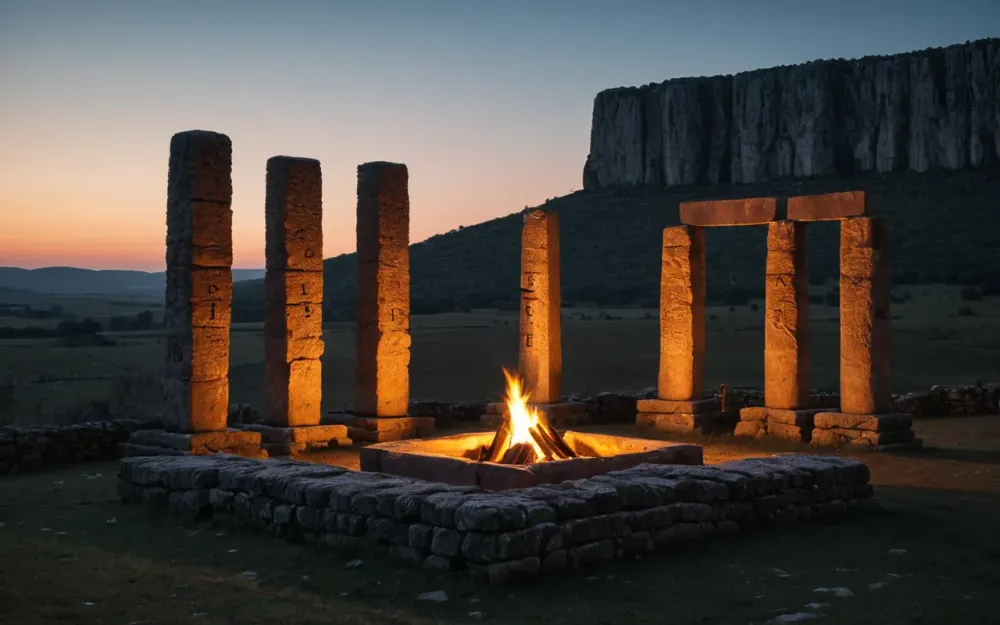
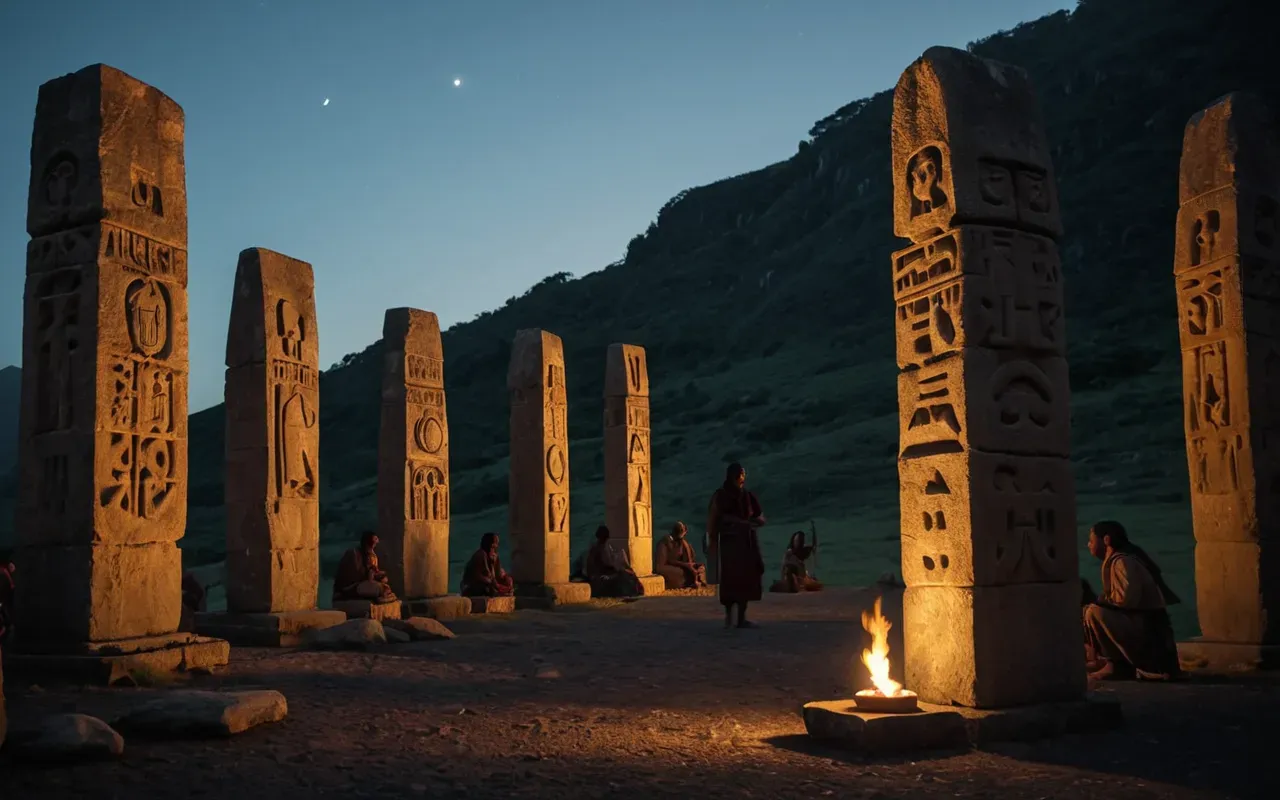
When you stand among those pillars you feel a direct connection to minds that worked similarly to yours. They wondered about death too. They sought purpose beyond daily chores.
This realization humbles me every time I visit the site or study its photos online. It breaks down barriers between then and now effectively.
Perhaps that is why so many people travel there today despite the harsh climate conditions. They seek something authentic in an increasingly fake digital world.
For those planning a trip check out Where Exactly Is Göbeklitepe and Why Most Travel Guides Get It Wrong for practical tips on visiting responsibly.
The Ongoing Debate Among Experts Today
Not everyone agrees on interpretation details of course. Some scholars argue that Göbeklitepe represents only one local phenomenon without global significance. Others see it as proof of widespread Neolithic networks.
These disagreements are healthy though. They keep science moving forward by challenging established narratives constantly.
New discoveries continue to emerge from surrounding sites like Karahan Tepe which may have been built even earlier. Each find adds another piece to the puzzle.
Reading about Karahan Tepe May Have Been Built Before Göbeklitepe reveals how our understanding shifts rapidly with new data.
It is exciting to watch this field evolve in real time thanks partly to improved dating technologies allowing precise carbon measurements.
Why We Should Care About Ancient Stones Now
You might wonder why any of this matters to your daily life in twenty-six. After all twelve thousand years is an eternity away from smartphone screens and electric cars.
But consider this. Our current crises often stem from forgetting who we are fundamentally as a species. We lose touch with our roots and values.
Göbeklitepe shows us that cooperation predates competition in many ways. Early humans worked together on monumental tasks without kings or armies forcing them.
That model of voluntary collaboration holds lessons for us today facing global challenges requiring unified action across borders.
It also reminds us that technology alone does not define progress. Social cohesion and shared belief systems matter just as much if not more.
I believe reconnecting with these deep historical truths can help heal some of our modern fragmentation issues effectively.
Final Thoughts On Rewriting The Story
So what do we take away from Göbeklitepe ultimately? We learn that assumptions can be dangerously limiting when studying the past.
We learn that belief systems have tangible power capable of shaping landscapes and societies profoundly.
And perhaps most importantly we learn that human creativity knows no bounds regardless of available resources or tools at hand.
As I walked away from the site last summer feeling small beneath those towering stones one thought kept returning to mind.
Maybe we have been asking the wrong questions about history all along. Maybe meaning comes before matter not after.
Until we change that fundamental perspective I suspect many mysteries will remain hidden in plain sight waiting patiently for us.
Keep exploring keep questioning and never stop looking beneath the surface because there is always more story waiting to be told.