Why Your History Textbook Is Wrong About How Civilization Actually Began
The Quiz That Exposes Our Collective Amnesia
We just took that viral twenty-question challenge about lost cities. It feels like a fun brain break during your lunch hour. You guess the Olmec heads are from Mexico. You pick true for the Terracotta Army guarding Qin Shi Huang.
It is entertaining. It scratches that itch for trivia validation. But here is the thing that keeps me up at night. That quiz reinforces a narrative we have believed since grade school. Civilization starts with farming.
The story goes like this. Humans were nomadic scavengers for millennia. Then they decided to settle down and grow wheat. Once they had surplus food, they built cities. And once they had cities, they built temples.
It sounds logical. It is clean. But it is completely wrong. If you think about Göbeklitepe for even a minute, the whole house of cards collapses. This site does not fit the timeline.
When Religion Preceded The Plow
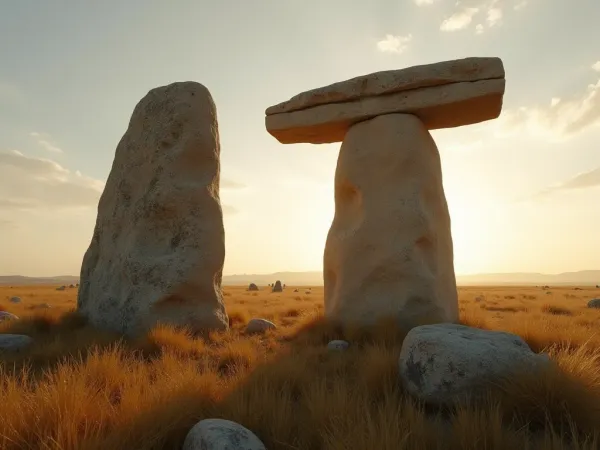
Göbeklitepe is twelve thousand years old. That is not a typo. It predates Stonehenge by over seven millennia. It predates the Great Pyramid of Giza by more than nine thousand years.
The builders were not farmers. They had no irrigation systems. There is zero evidence of domesticated crops at the primary construction phase. So how did they organize enough labor to carve those massive T-shaped pillars?
This is the angle nobody in your history textbook talks about. The implication is terrifying for traditionalists. If these people built monumental architecture without farming, then agriculture might have been a consequence of social structure.
Think about it. You need to feed a workforce that is hauling tons of stone across the plateau. Maybe they started farming because their religion demanded it. Not for survival, but for ceremony.
The Architectural Impossibility That Breaks The Model
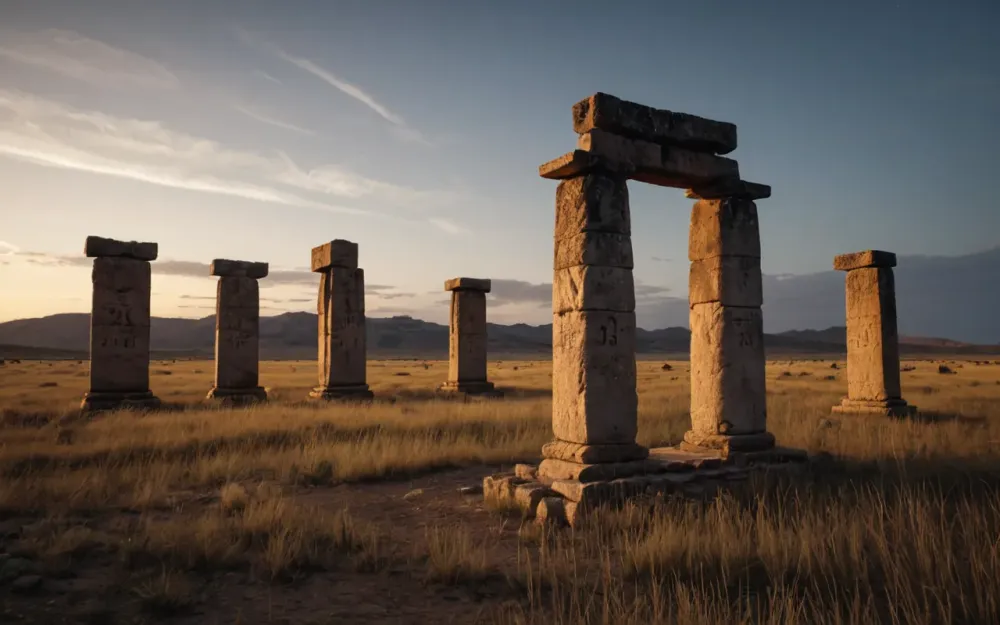
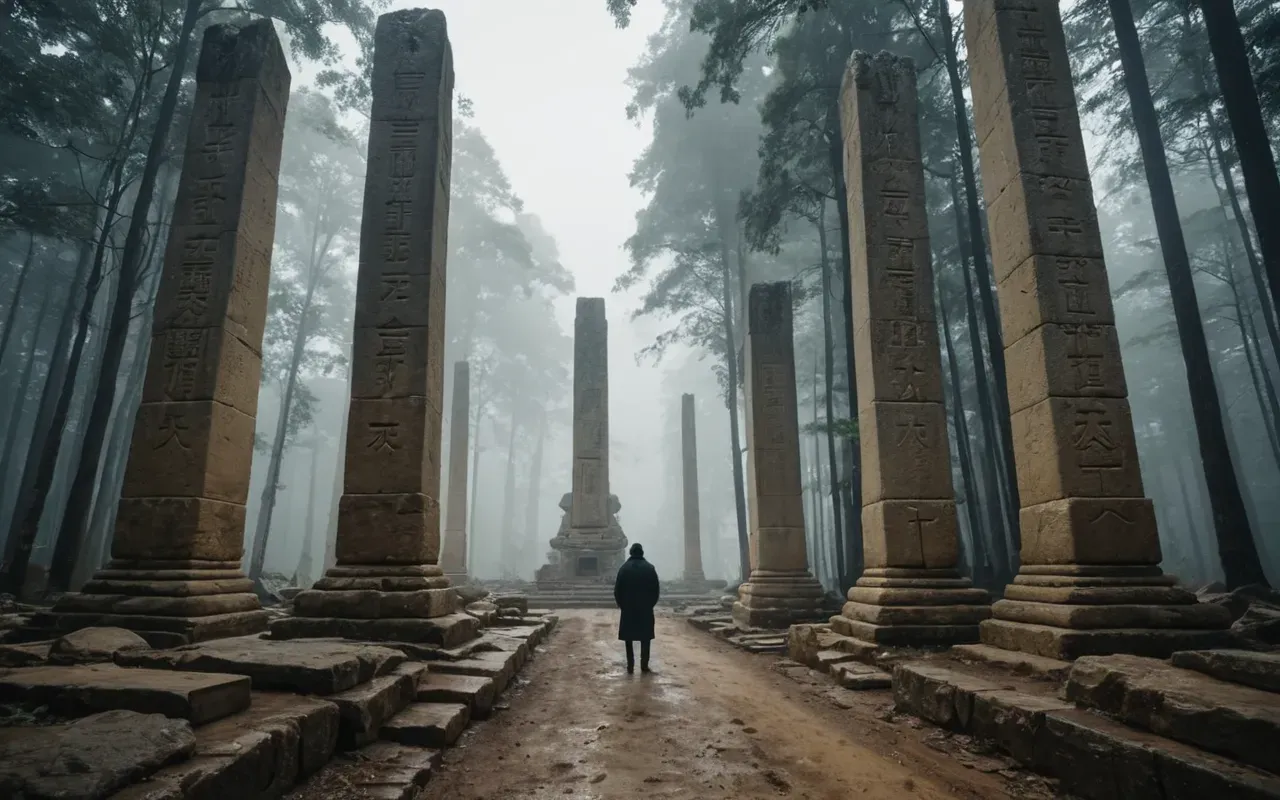
Let us look at the engineering. These pillars weigh up to fifty tons each. That is heavier than a blue whale. The builders used stone tools and copper. They had no bronze.
Modern archaeologists admit they do not fully understand the logistics. How did you move a fifty-ton monolith without wheels? Without draft animals that were domesticated for heavy labor?
This forces us to rethink the capabilities of early humans. We assume simplicity equals ignorance. But Göbeklitepe shows sophistication without industry. It suggests a level of social cohesion we rarely see today.
If you are curious about the shocking truth about how Göbeklitepe was really built, the details will blow your mind. The methods used defy standard evolutionary models.
Who Really Won The Argument?
The traditionalists are losing ground. Every new excavation reveals more complexity. The site was not just built; it was intentionally buried by the people who used it.
Why would you bury your own temple? That is a profound spiritual statement. It implies the end of an era was planned. Ritualistic closure requires immense organizational power.
This challenges the idea that early humans were chaotic. They had rituals. They had schedules. And they executed them with precision. The losers are those who cling to the linear progression myth.
The Symbolic Language We Still Cannot Read
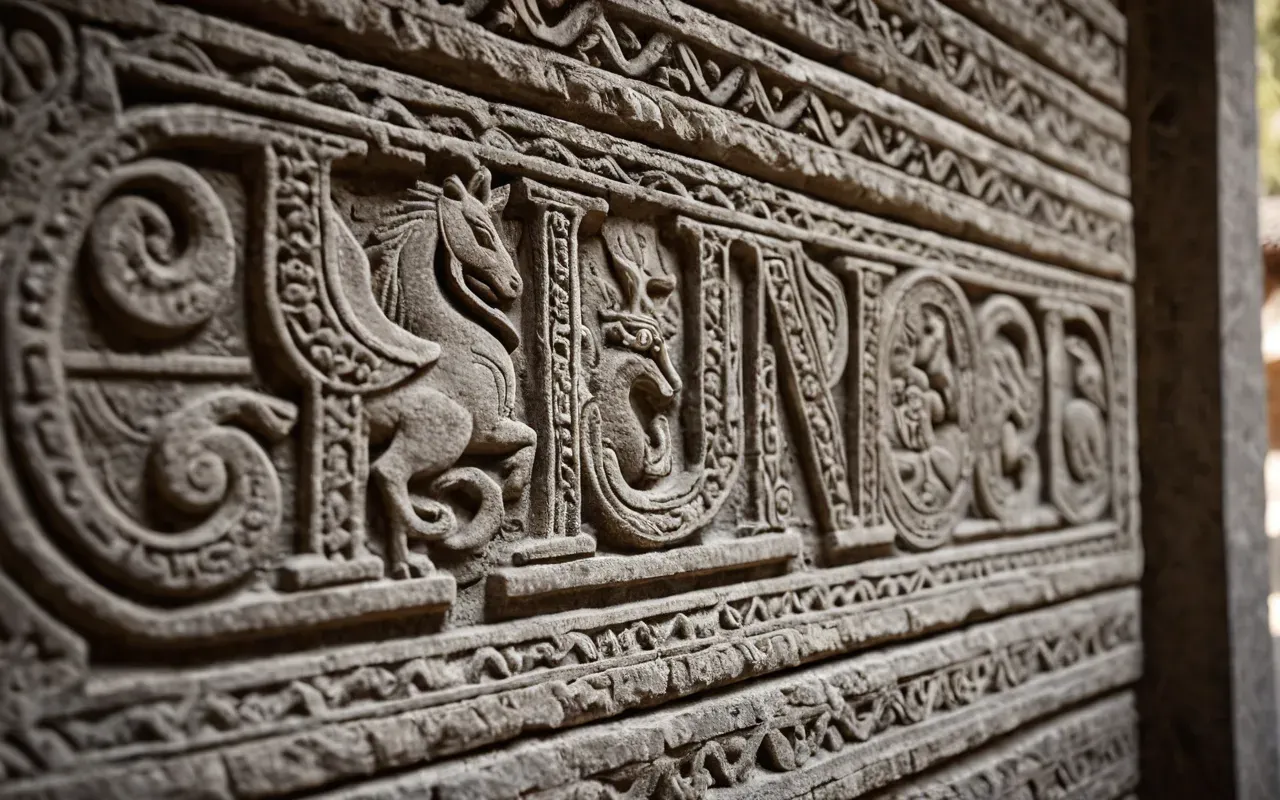
Look at the carvings. Vultures. Foxes. Cranes. These are not random decorations. They tell a story about death and rebirth. The vulture imagery is particularly striking.
Vultures strip flesh from bones. In many ancient cultures, this symbolizes the transition of the soul. The pillars seem to represent a connection between earth and sky.
If you want to understand what the pillars at Göbeklitepe symbolize and how they decode animal carvings, it changes your perspective on prehistory entirely.
We project modern categories onto them. We call it religion because we lack a better word for their worldview. It might have been cosmology. Or ecology.
Why The Location Matters More Than You Think
The site sits in the Fertile Crescent. This is where wheat was first domesticated later on. The proximity is not a coincidence.
It suggests that the spiritual center of gravity pulled human behavior toward sedentism. People stayed close to the temple. They experimented with local flora.
So farming spread out from these holy sites. The temple came first. The fields followed. This reverses the causal arrow of human development.
The Danger Of Ignoring The Evidence
Academia moves slowly. It clings to established paradigms because they are comfortable. Admitting Göbeklitepe breaks the model means rewriting every textbook.
But we cannot ignore it. The stones do not lie. They are there. And they demand a new explanation for how humanity woke up.
If you are skeptical about why we were wrong about civilization starting with farms, the data is overwhelming and undeniable.
We are not just looking at a pile of rocks. We are looking at the birth certificate of complex society. And it was signed by hunters.
What This Means For Your Identity
It changes how you see yourself. You are not the product of economic necessity alone. Your ancestors were driven by meaning.
They sought connection with something larger than themselves. That desire built the world we live in today.
The quiz is fun. But the truth is deeper. We need to stop asking what they did and start asking why.
Rethinking The Lost Cities Narrative
We talk about Atlantis and Angkor as if they are unique. They were advanced for their time. But Göbeklitepe is the root.
It shows that complexity can emerge without technology. It challenges our bias toward material progress.
We measure success by skyscrapers and microchips. They measured it by stone circles and ritual feasts.
Maybe we should learn from them. Not just their engineering tricks. But their capacity for collective purpose.
The Future Of Archaeological Interpretation
New technologies are revealing more sites. Ground-penetrating radar finds structures without digging.
This means Göbeklitepe might not even be the oldest. It is just the one we know.
If Karahan Tepe is older, as some suggest, the timeline shifts again. The revolution was gradual and spiritual.
We must stay open to revision. History is not fixed stone. It is a living conversation.
Why You Should Care About Prehistory Today
It is not just dusty bones. It is about understanding human nature.
We still build monuments to our beliefs. We still organize around shared myths.
The scale has changed. The drivers remain the same.
Recognizing this helps us navigate our own complex world. We are not as different from them as we think.
The Uncomfortable Truth About Progress
Progress is not a straight line. It loops. It backtracks.
We lost something when we left the plateau. We gained security but maybe lost connection.
It is worth asking if that trade was fair. History does not give us easy answers.
But it gives us clues. And Göbeklitepe is the biggest clue yet.
Conclusion Embracing The Mystery
We do not have all the answers. And that is okay.
The mystery drives exploration. It keeps the past alive.
So next time you take a quiz about lost cities. Remember the one that changed everything.
It is not just a site. It is a mirror.
Look closely and you will see yourself reflected in the stone.