The Amazon Was Never Wild And This New Discovery Proves It Completely
The Jungle Hid a Secret For Two Millennia
We have long been told that the Amazon was a pristine wilderness. A vast, untamed green ocean where humans barely scratched the surface. That narrative is now crumbling under the weight of laser data.
New research published in Nature shows that between 600 BCE and 850 CE, a multicultural civilization called the Aquiry flourished here. They were not scattered hunter-gatherers struggling to survive.
They built cities. Well, not stone ones like Rome or Athens. But they engineered the landscape on a scale that rivals any ancient empire we know of today.
The population estimate? Between 1.25 and 3 million people in just one corner of the basin. When you extrapolate this to the entire Amazon region, the numbers are staggering.
This changes everything we thought about how humans interacted with nature before the modern era. It forces us to look at sites like Göbeklitepe through a very different lens.
Lasers Peered Through The Leaves
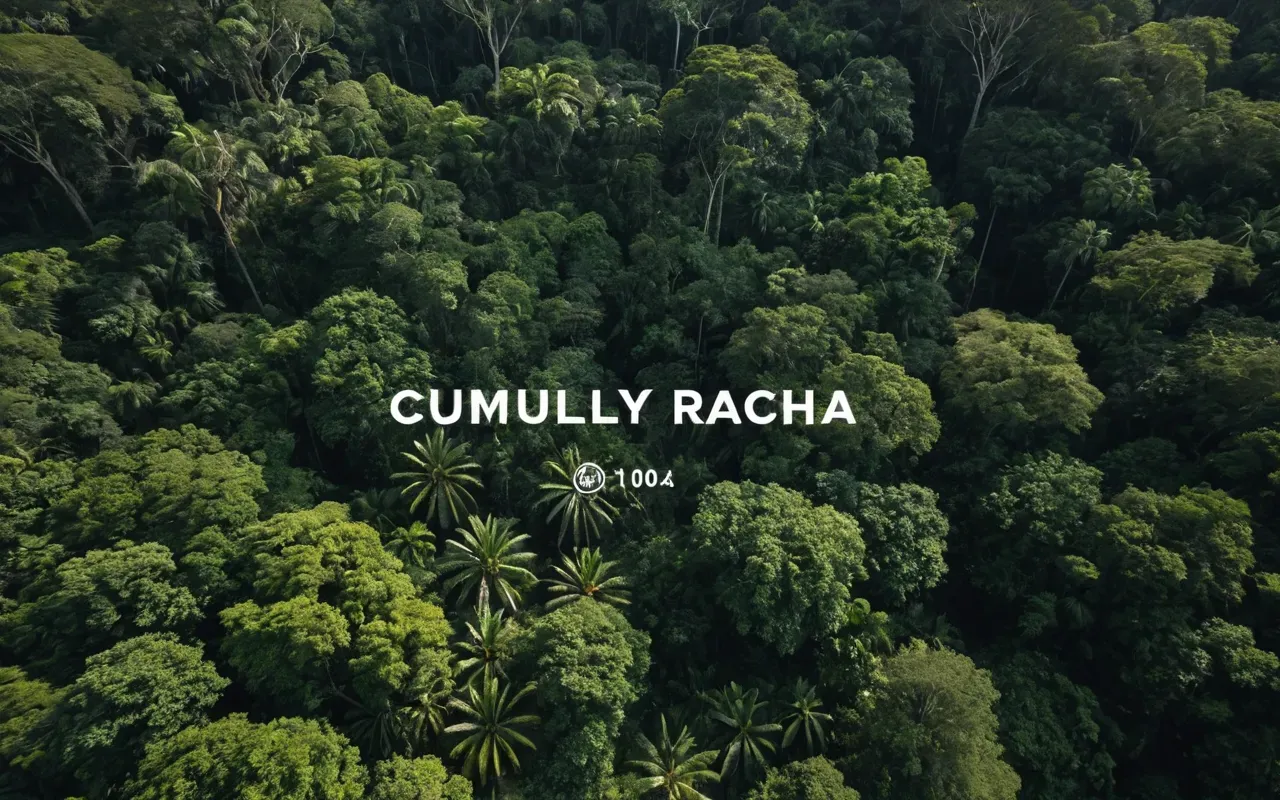
How did we miss this for so long? The answer is simple. Trees are great at hiding things. Traditional archaeology relies on ground surveys or satellite imagery that stops at the canopy.
But airborne laser scanning, or LiDAR, penetrates the foliage. It maps the ground below with millimeter precision. The researchers flew over 183,000 square kilometers.
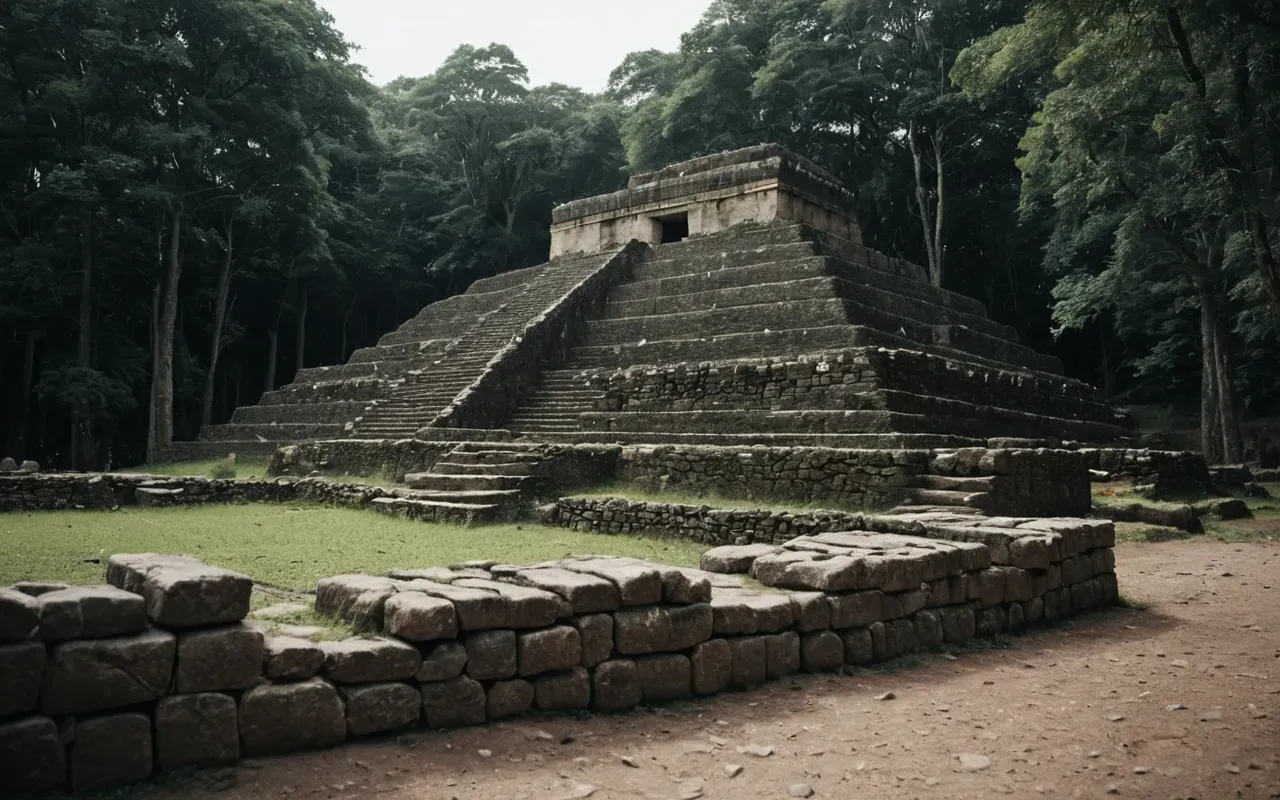
What they found was over 400 well-preserved sites of monumental ceremonial architecture. These were not random mounds. They were intentional, geometric, and massive.
The largest site covers 50 hectares. That is huge. Imagine a complex of temples or plazas that big, hidden under vines and ferns for over a thousand years.
This technology is revolutionizing how we see ancient history. It proves that the absence of stone ruins does not mean an absence of civilization.
A Civilization Without Stone Ruins
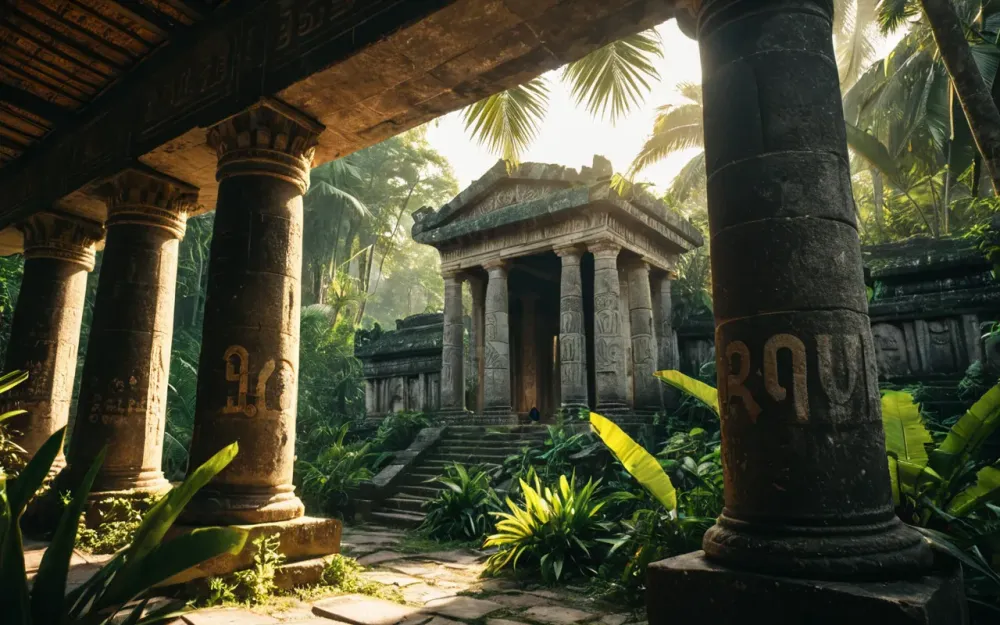
We tend to equate civilization with stone. Pyramids in Egypt. Temples in Greece. Castles in Europe. If it is not carved from rock, we often dismiss it as primitive.
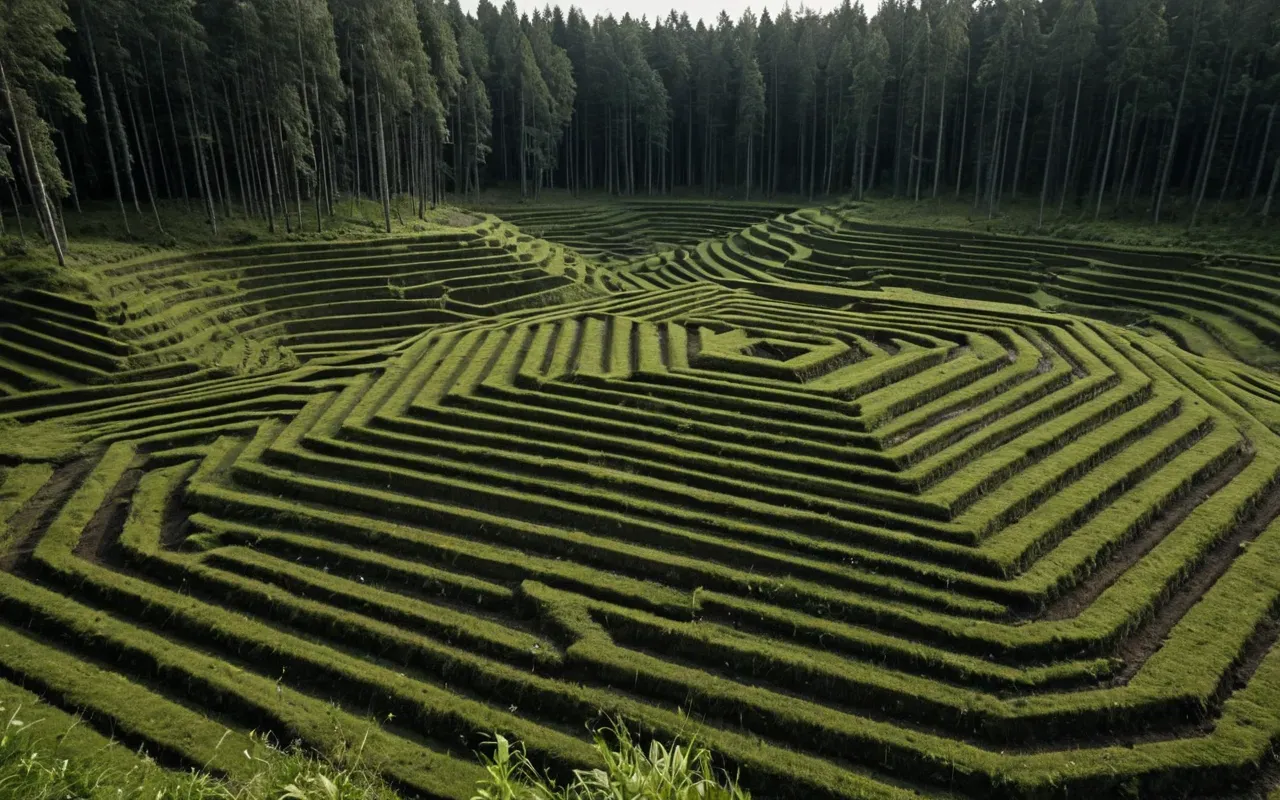
But the Aquiry people worked with dirt. They moved millions of tons of soil to create geometric shapes and wide roads connecting their communities.
These structures served political and ritual purposes. They were venues for gatherings, decision-making, and displays of chiefly generosity.
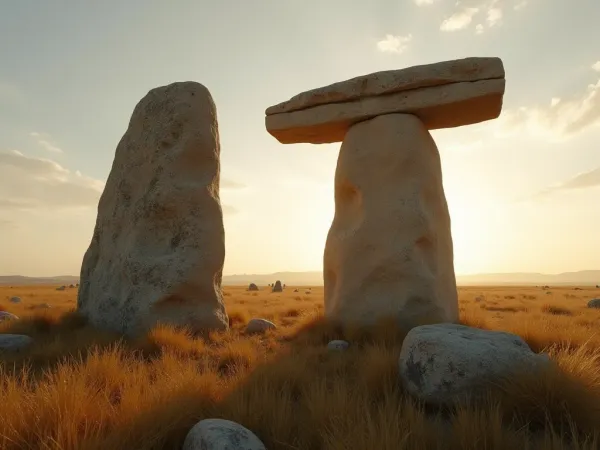
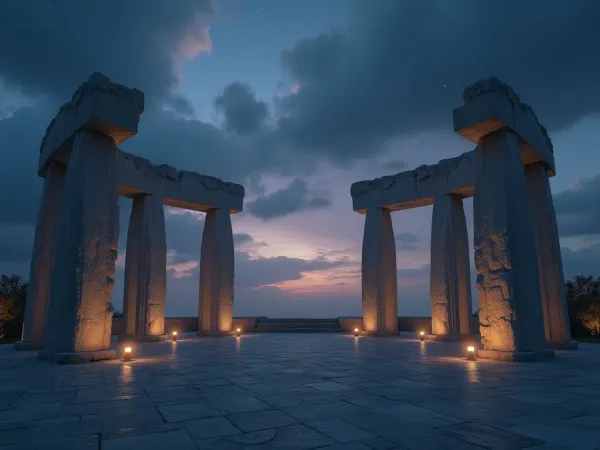
Think about Göbeklitepe for a moment. Those T-shaped pillars were also not permanent stone cities in the traditional sense. They were ritual centers that required immense cooperation.
The Amazon geoglyphs show a similar pattern. Large-scale coordination without the need for urban density or stone masonry.
It challenges our bias that complex society must look a certain way. Complexity can be subtle. It can hide in plain sight under the dirt.
Who Were The Aquiry People?
We do not know what they called themselves. We do not know their languages. The name Aquiry comes from the Indigenous word for the Acre River.
This is not a unique problem in archaeology. Many ancient cultures leave no written records. We have to read the landscape instead.
Oral traditions suggest these centers fostered relations among communities. They were places for dance, music, feasting, and athletic contests.
This sounds familiar to anyone who has studied Göbeklitepe. The emphasis on ritual over daily living quarters is striking.
It suggests that social cohesion was maintained through shared spiritual and cultural experiences rather than just economic trade.
The collapse around 850 CE remains a mystery. It coincided with the fall of the Classic Maya civilization in Central America.
They Engineered The Forest Itself
Perhaps the most surprising finding is how they managed the environment. They did not just live in the Amazon; they shaped it.
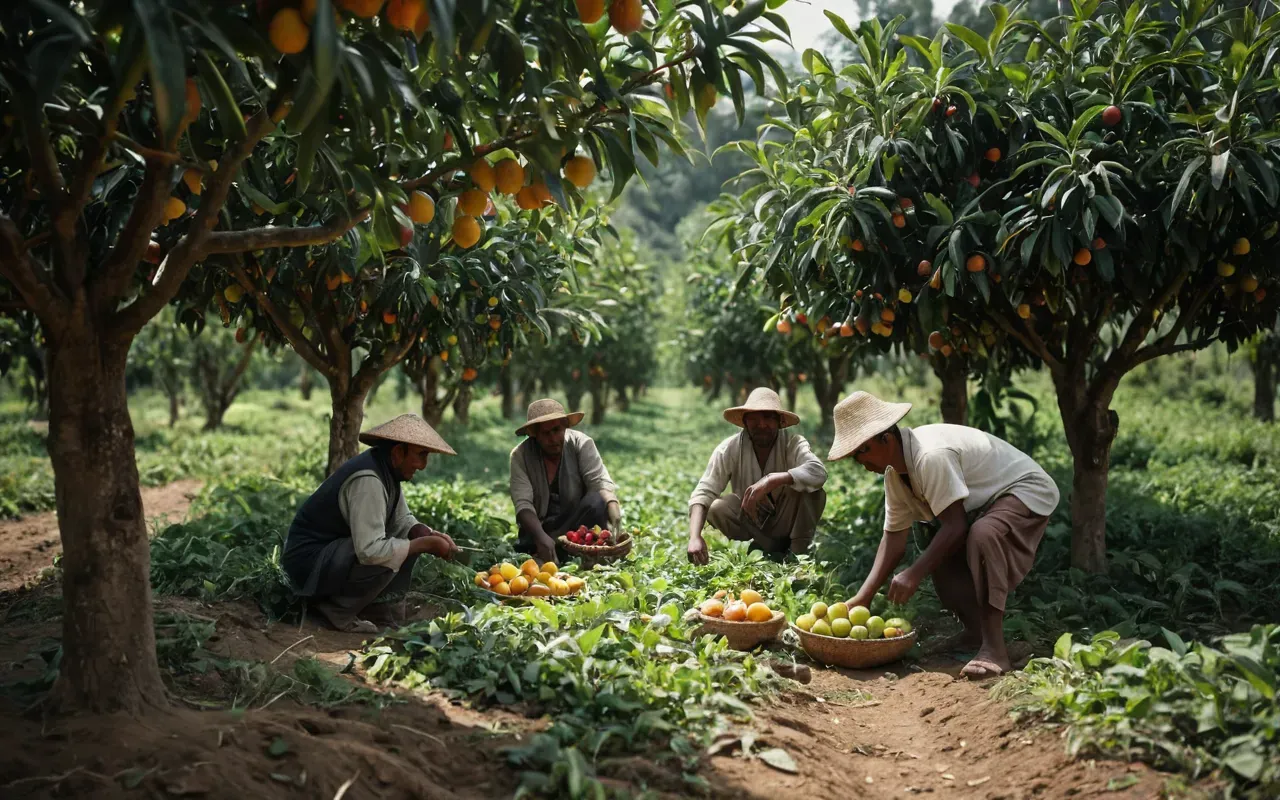
They burned bamboo-dominated forests to clear land for maize, squash, and manioc fields. This is agriculture on a massive scale.
But they also practiced horticulture. They managed valuable tree species like the Brazil nut and peach palm.
This shows a deep understanding of ecology. They promoted species that benefited them while suppressing others.
The researcher Pärssinen notes that this impacts our understanding of carbon production. The ancient Amazon stored different amounts of carbon than the wild forest we see today.
This has direct implications for modern climate models. We cannot treat the Amazon as a static wilderness in historical data.
It reminds us that early humans were active agents of change. They did not just adapt to nature; they directed it.
Why This Matters For Göbeklitepe Fans
At first glance, the Amazon and Turkey seem worlds apart. Different continents. Different climates. Thousands of years between them.
But the underlying theme is identical. Both sites challenge the idea that farming caused civilization.
At Göbeklitepe, we see monumental architecture predating widespread agriculture. The builders were likely hunter-gatherers or early cultivators.
In the Amazon, we see a massive population supported by managed forests and earthworks without stone cities or written records.
Both examples show that human complexity can emerge in diverse forms. It is not a linear path from caves to skyscrapers.
If you are interested in how
Rethinking The Timeline Of Progress
Our history books are full of gaps. We assume that because we did not see it, it was not there.
The Aquiry discovery forces a reckoning. We must look harder for evidence of complexity in places we dismissed as wild.
It suggests that millions of people lived sophisticated lives long before European contact.
And it echoes the lessons from Göbeklitepe. That early humans were capable of incredible feats without the tools we think they needed.
The past is not what we thought it was. It is richer. More complex. And far more surprising.
The Mystery Of The Collapse Remains
Why did it end? Around 850 CE, the Aquiry society seemed to vanish or disperse rapidly.
Was it climate change? Disease? Internal conflict? We do not know yet.
This uncertainty is frustrating but also exciting. It means there are still stories waiting to be told in the Amazon.
It parallels the end of Göbeklitepe's active use. Sites are abandoned, buried, and forgotten for millennia.
The cycle of rise and fall is universal. But the scale of both achievements leaves us in awe.
Looking Forward With New Eyes
This study is just the beginning. LiDAR has opened a door we cannot close.
We will likely find more sites. More evidence of human ingenuity in unexpected places.
For fans of Göbeklitepe and early history, this is thrilling. It validates the idea that our ancestors were more capable than we give them credit for.
The Amazon was never empty. It was home to millions who shaped their world with dirt and determination.
And now we finally know it. The wilderness was a civilization all along.