You Will Never Believe Where This Greek Stone Was Found And Why It Changes Everything
The Mountain That Should Not Have Been Trading With The Sea
Imagine standing on a ridge more than four thousand years ago. You are surrounded by rugged mountains that rise nearly one hundred kilometers away from the nearest coastline. There is no port here. No ships dock at your feet. Just wind, rock, and the distant murmur of a river valley far below.
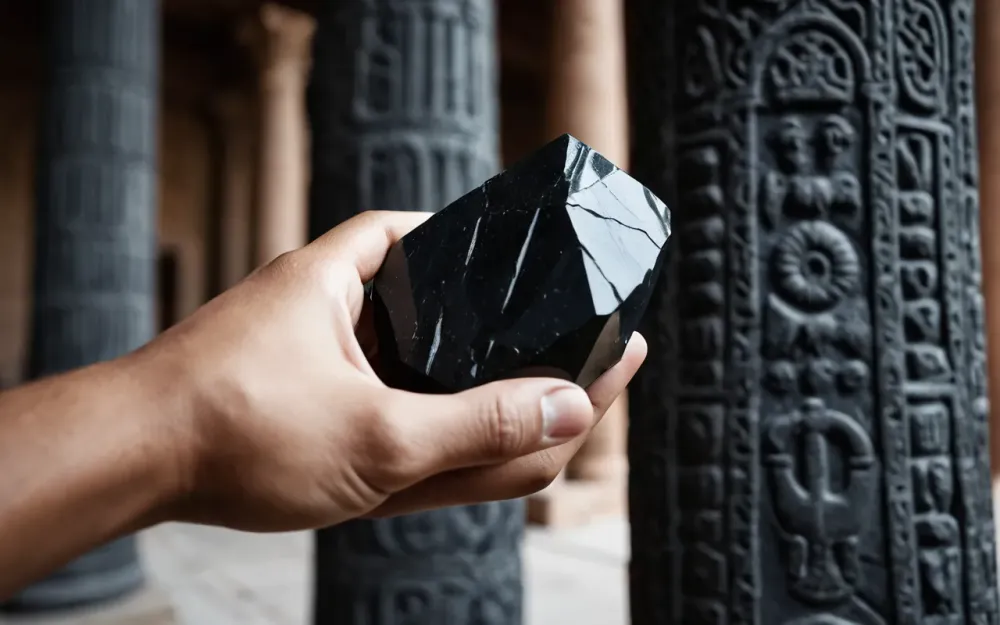
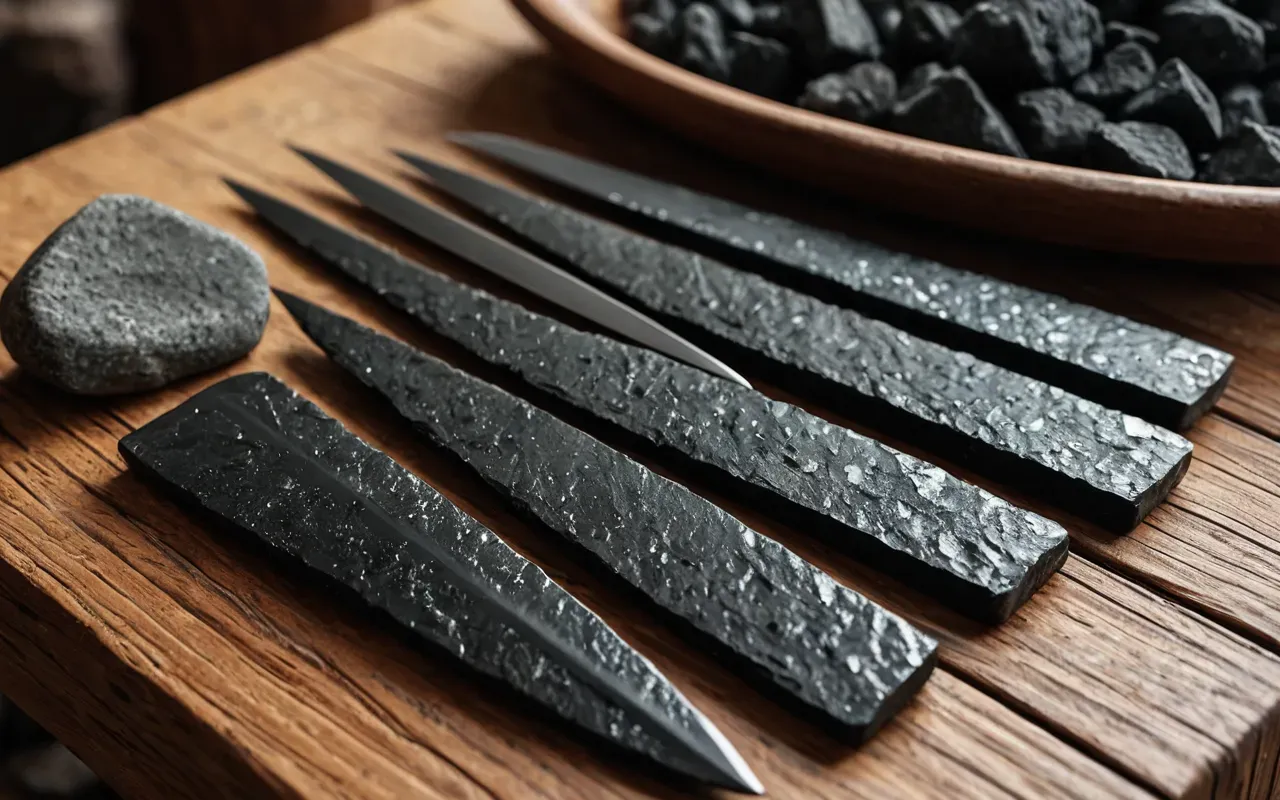
Now hold up your hand. In it rests a sharp knife made of black volcanic glass. This stone did not come from here. It traveled hundreds of miles across open water to reach this remote highland village. That is the scene at Çaltılar Höyük in southwestern Turkey.
Archaeologists have just announced a find that makes historians scratch their heads. They uncovered obsidian tools at this inland site dating back to roughly twenty-four hundred B.C. The twist? The stone originated from Melos, a small Greek island in the Cyclades.
This is not just about rocks. It is about connection. For decades we assumed that early Bronze Age trade stayed close to the coast. We thought inland villages were isolated from the bustling maritime networks of the Aegean Sea.
But look at Çaltılar Höyük. It sits high above sea level in the upper Eşen River valley. The distance to the coast is significant enough to deter casual travelers even today. Yet people here had access to premium tools from across the water.
Why This Distance Matters More Than You Think
Here is the thing about obsidian. It breaks with incredible precision. Ancient people valued it for making cutting tools that were sharper than modern steel knives in some respects. But not every place has volcanoes.
Melos was essentially the gas station of the ancient Aegean. Its volcanic glass spread widely across Greece and nearby islands. Finding it in a coastal Turkish village makes sense. It flows like water.
Finding it in a mountain village far inland tells us something different. It means the network was deep. Materials moved not just along shores but up rivers and over passes into territories that seemed disconnected from global currents.
Excavation director Professor Ayşegül Aykurt noted that these artifacts show connections across the Aegean. She emphasized that the settlement likely acted as an intermediary between coastal communities and central Anatolia.
The Middleman Myth Debunked By Reality
We often imagine trade as a direct line. A merchant sails from point A to point B. But history is messier. The obsidian at Çaltılar Höyük probably changed hands dozens of times before reaching those mountain dwellers.
It might have moved from Melos to a coastal port in Turkey. Then up the river system by boat or pack animal. Each stop added value and distance. By the time it arrived at Çaltılar it was no longer just stone.
It became a symbol of status and reach. Owning tools from the Greek islands signaled that your village was plugged into something bigger than itself. Even in isolation they were connected.
What Else Was Found In The Dirt
The team did not just find obsidian. They uncovered a fragment of what experts call a frying pan object from the Cyclades culture. These spool-shaped weights are iconic markers of Aegean identity.
They also found stone tools made from Central Anatolian obsidian. So the village had ties in two directions simultaneously. One leg reached out to sea and one pulled back toward the continental interior.
This dual connection is fascinating. It suggests Çaltılar was not a dead end but a crossroads. People there could access resources from both the maritime world of Greece and the resource-rich highlands of Turkey.
The Long Sequence Of Life At The Site
Excavations began here in twenty twenty one. They have already revealed eight distinct settlement layers spanning from roughly three thousand hundred B.C. to two thousand four hundred B.C.
That is seven hundred years of continuous occupation. The earliest residents lived on the plains nearby before moving onto the mound as marshlands dried up around them.
The site remained active until at least the sixth century B.C. That makes it one of the longest running archaeological sequences in southwestern Anatolia.
Such longevity implies stability. You do not stay in one place for centuries if life is miserable or resources vanish. There was something sustainable about this highland location.
Connecting The Dots To Göbeklitepe And Earlier Times
Now let me pivot to why this matters for our broader understanding of human history. When we look at sites like Göbeklitepe in southeastern Turkey we see massive structures built before farming took hold.
Scholars argue that religion and social organization drove those early communities together. But how did they sustain themselves? Trade networks played a huge role even then.
The discovery at Çaltılar shows that exchange systems were already sophisticated thousands of years later. If complex trade existed in the Bronze Age imagine how intricate those Neolithic networks must have been.
Consider the implications. People were willing to travel or send goods across great distances long before roads existed. They relied on rivers like the Xanthos which flowed right past Çaltılar.
This mirrors findings elsewhere where maritime networks proved vital for early human expansion. The sea was not a barrier but a highway.
The Chemical Fingerprint Of Volcanic Glass
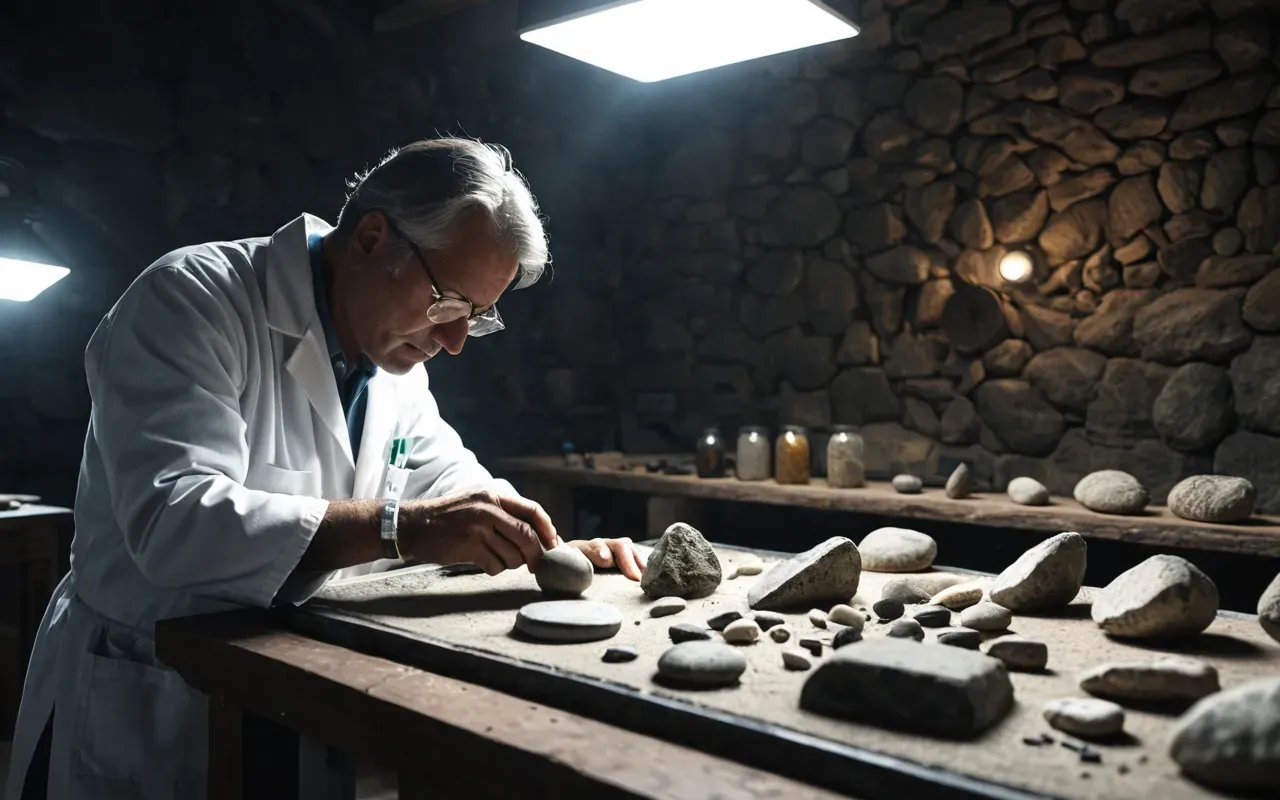
How do we know the obsidian came from Melos? Every volcanic source has a unique chemical signature. Think of it like DNA for rocks.
Scientists analyze the trace elements in each shard. Melian obsidian contains specific ratios of metals that match no other volcano on Earth.
This technology allows archaeologists to map movement with incredible precision. We can trace individual stones back to their exact mountain of origin.
Without this method we would never know that a knife found in Turkey traveled from Greece. It looks identical to local stone except under the microscope.
Why Most People Miss The Bigger Picture Here
Most news reports focus on the novelty of finding Greek items in Turkey. And sure it is cool to see cross-border connections.
But the real story lies in geography. The fact that these goods reached inland mountains changes how we view accessibility.
We tend to think of ancient societies as fragmented. Isolated pockets of humanity struggling alone. This evidence suggests otherwise.
There was cohesion across vast areas. Information moved alongside goods. Ideas about craft technology and social status likely traveled with the obsidian.
The Role Of River Valleys In Ancient Commerce
Researchers believe the Xanthos River served as a natural corridor. It linked Mediterranean ports with highland communities deep inland.
Water transport is efficient. A single boat can carry far more cargo than a caravan of donkeys. This explains how heavy stone tools moved efficiently.
Once goods reached the river mouth they traveled upstream. Then perhaps switched to land routes for final delivery into steep valleys.
This multimodal approach shows advanced planning. Someone had to organize these transfers over many stops.
Comparing Çaltılar To Other Regional Sites
Çaltılar is not unique in having Melian obsidian. Similar finds appear at Bakla Tepe Liman Tepe Miletus and Aphrodisias.
However those locations are closer to the coast. Çaltılar stands out because of its elevation and remoteness.
It extends the known range of Aegean influence deeper into Anatolia. This pushes back boundaries we assumed were fixed.
Archaeologists also found pottery linked to Lycia Caria Lydia and Ionia. These regions formed a cultural mosaic around the Aegean.
The Unusual Building Style At The Site
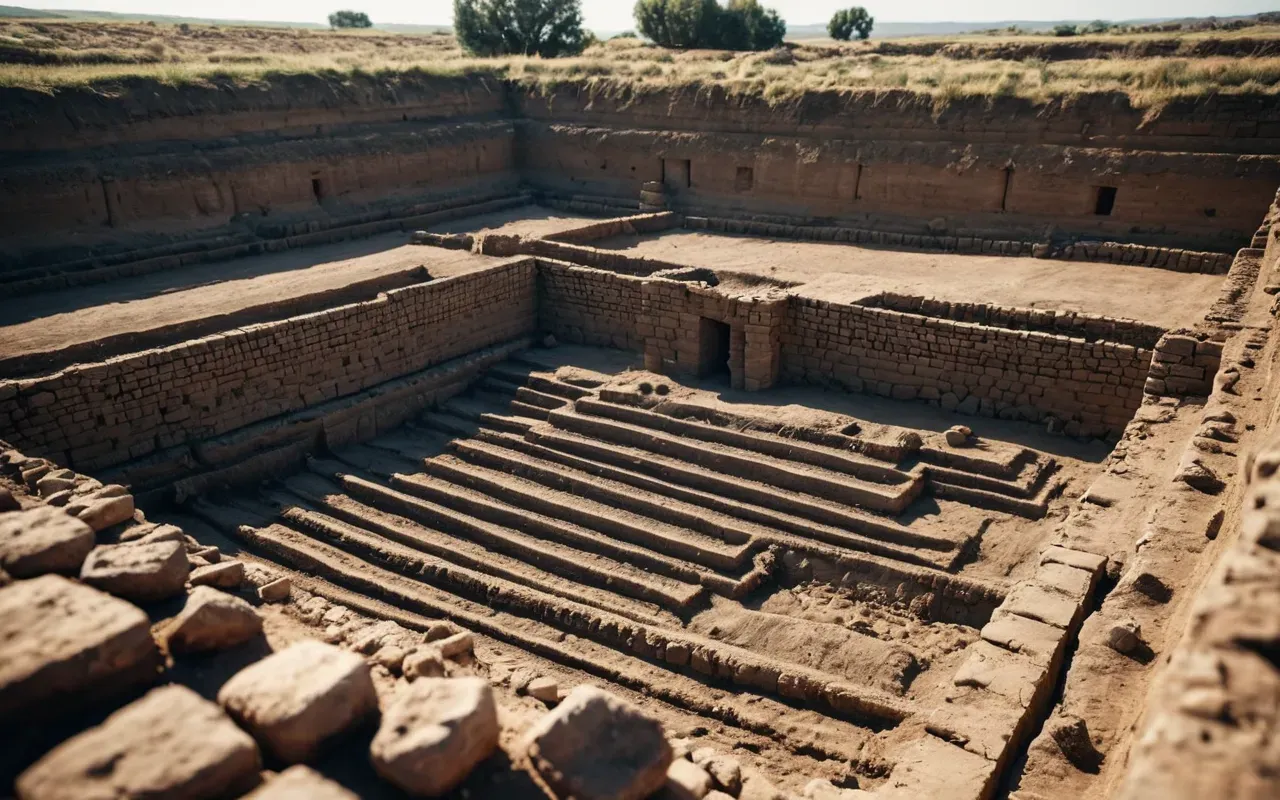
Excavations revealed an unusual Archaic period building. Its stone foundation reused fragments of Late Bronze Age burial jars.
This recycling practice is intriguing. It suggests continuity of memory or perhaps practicality in sourcing materials.
No similar structure has been identified elsewhere in Anatolia yet. It makes Çaltılar a unique case study for understanding local architecture.
Such anomalies often hold keys to broader patterns. One weird building might indicate a wider trend we have yet to fully grasp.
What This Means For Modern Understanding Of History
We like clean narratives. Farmers settle villages grow crops build cities trade develops slowly over time.
Reality is chaotic. Trade preceded agriculture in many cases according to recent theories about early civilization.
The obsidian at Çaltılar supports the idea that networks existed before centralized states formed. People coordinated exchange without kings or governments.
This decentralization challenges traditional views. It highlights human ingenuity in creating systems that endure across millennia.
The Future Of Excavation Efforts Here
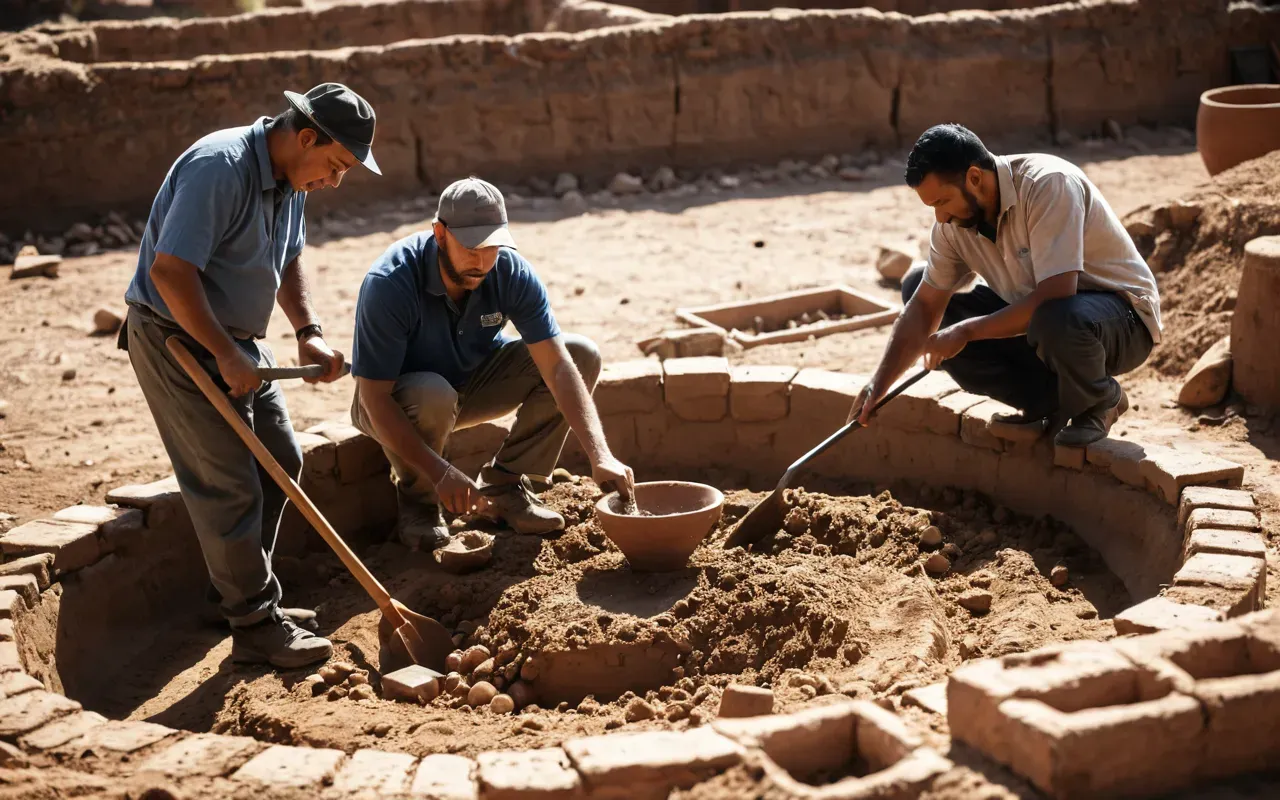
Work continues at Çaltılar Höyük. Each season brings new layers of dirt to peel back.
Who knows what else lies beneath? Perhaps more evidence of direct contact with Greece. Or maybe signs of conflict over trade routes.
Every shard tells a story. Every layer adds depth to our comprehension of the past.
As technology improves we will be able to analyze even smaller fragments. The resolution of history keeps getting sharper.
Why You Should Care About Old Rocks Today
It might seem distant. Four thousand years ago feels like another planet. But the dynamics are familiar.
Global supply chains exist now because they always have. We just scale them differently.
Understanding how early networks functioned helps us see resilience in action. These societies adapted to distance and terrain.
They connected disparate worlds through simple yet effective means. That lesson remains powerful today.
Final Thoughts On The Melian Connection
The presence of Greek obsidian in Turkish mountains is more than a curiosity. It is proof of connectivity.
It reminds us that no place was truly isolated in antiquity. Ideas and objects flowed freely despite geographical barriers.
As we continue digging at sites like Çaltılar Höyük we refine our map of the ancient world. It becomes less fragmented and more unified.
And that unity started long before empires rose. It began with a simple trade route along a river valley.