The stone turtles found in a cave just broke every rule of prehistoric history
The discovery that broke the silence of history
Picture this: you're standing in a pitch-dark cave. The air is cold, stale, almost heavy. Your flashlight barely cuts through the shadows. Then you catch it—a tiny stone turtle, no bigger than your palm, staring back with hollow eyes. It's been sitting there for 16,500 years.
This isn't some movie plot. It actually happened in Turkey this past summer. Archaeologists uncovered around 25 of these little figurines, carved from limestone and clay. The biggest one stretches twelve inches long.
But here's what makes my head spin. These weren't made for decoration. Nope. They were probably placed there as part of a ritual. And honestly, that flips the script on everything we thought we knew about early human life.

Why this find is so shocking to experts
We tend to tie complex rituals to farmers. The standard story goes like this: once humans settled down and started growing crops, they developed religion, art, all that stuff. That's what we're taught in school, anyway.
But these turtles date back to between 14500 B.C.E. and 11200 B.C.E.—the Epipaleolithic period. These were hunter-gatherers. No farms. No cities. Just wandering groups surviving off the land.
So why were they carving stones? Why would a nomadic band spend precious time shaping limestone into turtles? And more puzzling—why bury them upright in the dirt of a cave floor?
Professor Deniz Sari led the excavation. She told reporters the cave functioned as a cult area. The turtles weren't just lying around for kicks. They served a genuine spiritual purpose.
The strange shape of the hill outside
Look at Gedikkaya Hill. It sits right near the cave where these artifacts were found. From certain angles, the hill's shape is unmistakable. It looks exactly like a turtle.
Sari thinks the people living there noticed that shape. They revered it. And get this—some of the smaller stone turtles were designed to mimic that very hill.
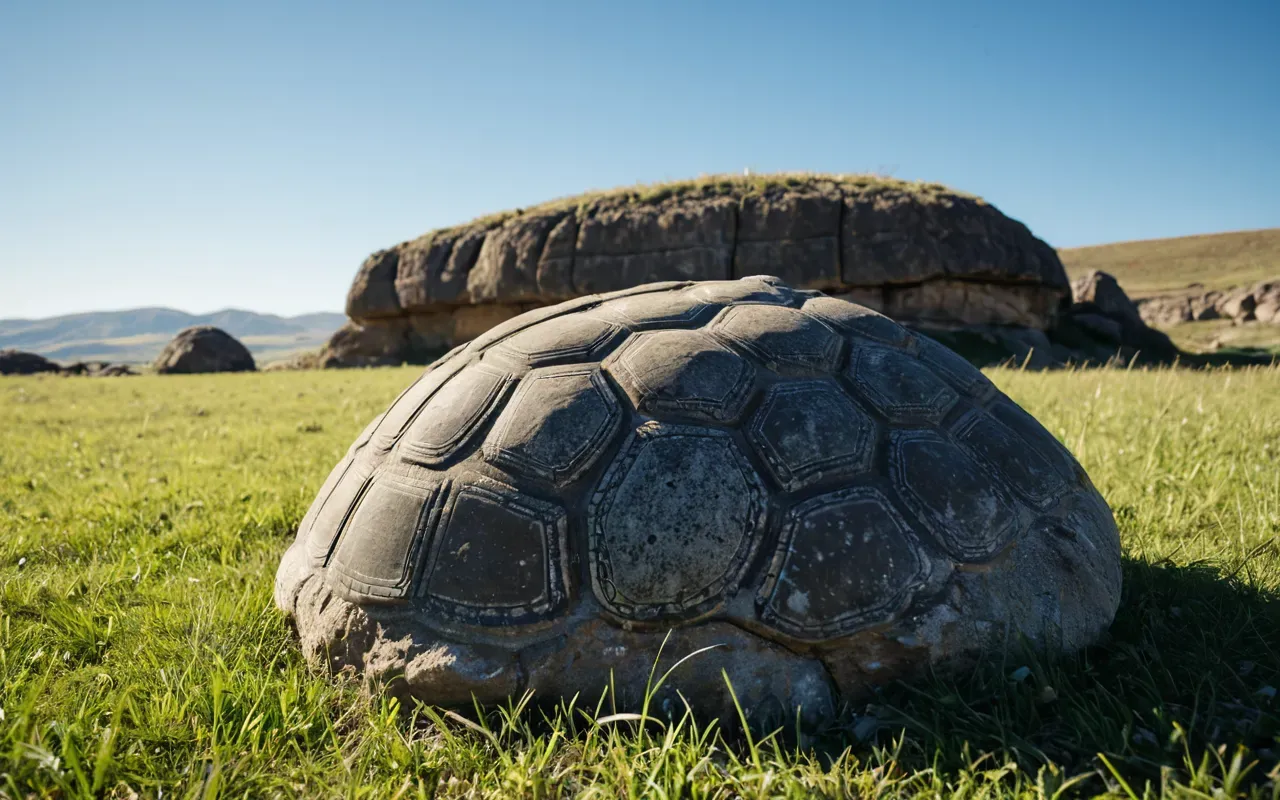
If that's true, we're looking at a mountain cult. These ancient folks worshiped the landscape itself. They saw something divine in the physical world around them.
What this means for our view of history
We often picture early humans as simple. Cavemen who just survived and moved on to the next meal. But these stone turtles tell a different story. These people had deep thoughts.
Turtles symbolize longevity and resilience across many cultures. Maybe these people believed the turtles brought good luck. Or perhaps they stood for endurance—a way to survive the brutal Ice Age.
This discovery fits with other finds in the region. It shows that symbolic thinking was already widespread among hunter-gatherer groups, long before agriculture showed up.
Connecting the dots with other ancient sites
If you're curious about how we interpret these old symbols, I'd recommend reading about the cave where stone turtles prove prehistory wrong. It gives a great perspective on this new evidence.
There's also a fascinating story about the stone circle that proves we got human origins completely wrong. It challenges similar assumptions about early culture.
We keep finding more proof that our history books are too simple. The past is richer and weirder than we ever imagined.
Why the roughness of the stone matters so much to scientists
Most of these figurines are rough. They weren't polished smooth. And scientists don't think that's bad craftsmanship.
Instead, they believe the roughness was deliberate. These objects were made for a specific act of worship, not for display on a shelf.
They were placed upright in the soil. That burial act is a classic sign of ritual depositing in archaeology.
The ongoing mystery of the turtle spirit
We still don't know exactly what these people believed. We can only guess based on the objects they left behind.
But one thing is clear. The late Ice Age world wasn't empty or silent. It was full of meaning and intention.
These twenty-five turtles are just the beginning. More analysis is needed to understand their full significance.
Until then, they remain a powerful reminder. We're not as different from our ancient ancestors as we like to think.