25 Stone Turtles Found In A Cave Prove We Got Prehistory Wrong
The turtle that broke the timeline
We keep thinking early humans were simple. Just survival. But look at this: a cave in northwestern Turkey just gave us about twenty-five stone turtles. They are fourteen thousand five hundred years old. That is older than the pyramids by a factor of three.
These are not random rocks. They were carved with intent. Some have clay coatings. The largest is thirty centimeters long. Many look unfinished, like someone stopped mid-chisel stroke and walked away for millennia.
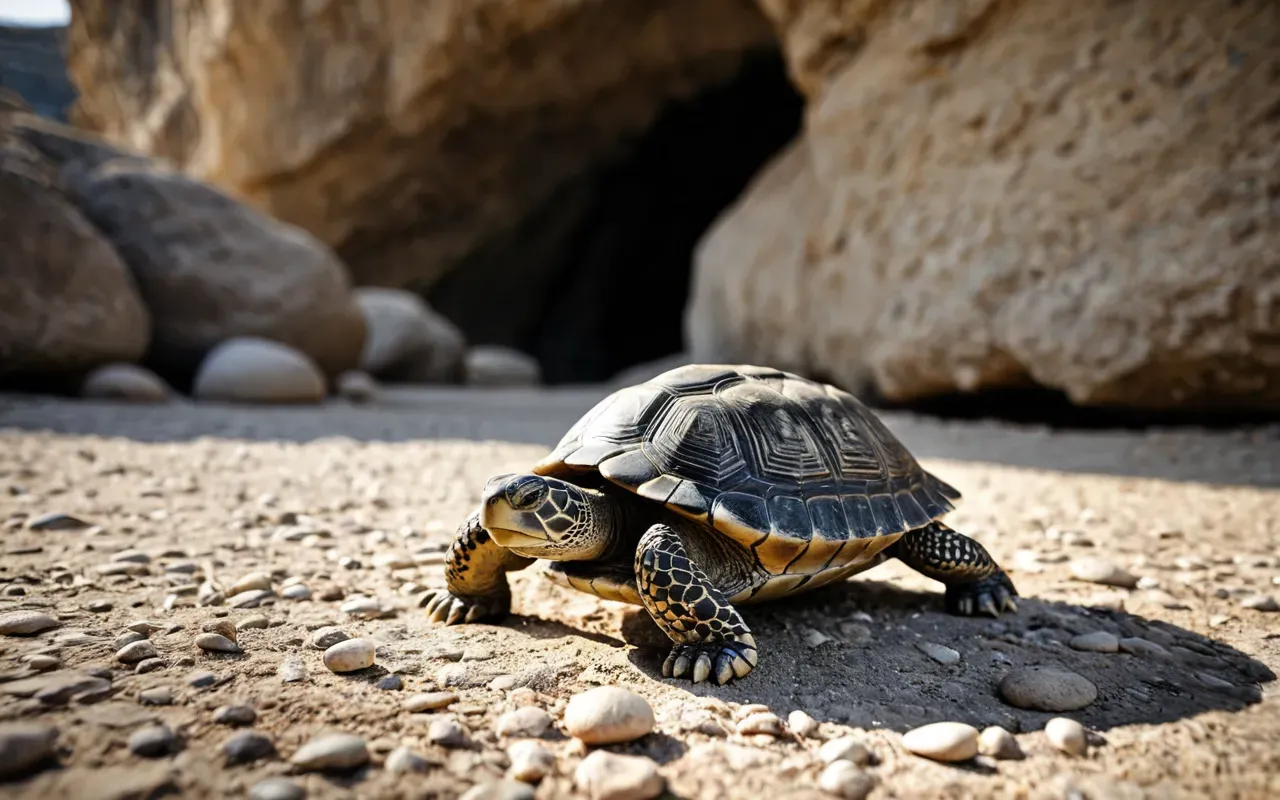
The location is Gedikkaya Cave. The team led by Prof. Dr. Deniz Sarı worked there from May to July this year. A fourteen-member crew spent two months brushing dirt off these objects.
Here is the thing that makes me stop and think. These people were hunter-gatherers. They did not farm. They did not build cities. And yet they made art with symbolic weight. That breaks the standard narrative we learned in school.
Why placement matters more than shape
If you just found a stone turtle in the dirt, I would shrug. Maybe it rolled there. But Sarı’s team found several inserted vertically into soil around circular stone arrangements.
That is deliberate. You do not stick a carved object in the ground by accident. It looks like an offering. Or a marker. Something meant to stay where it was put.
The cave had other clues already
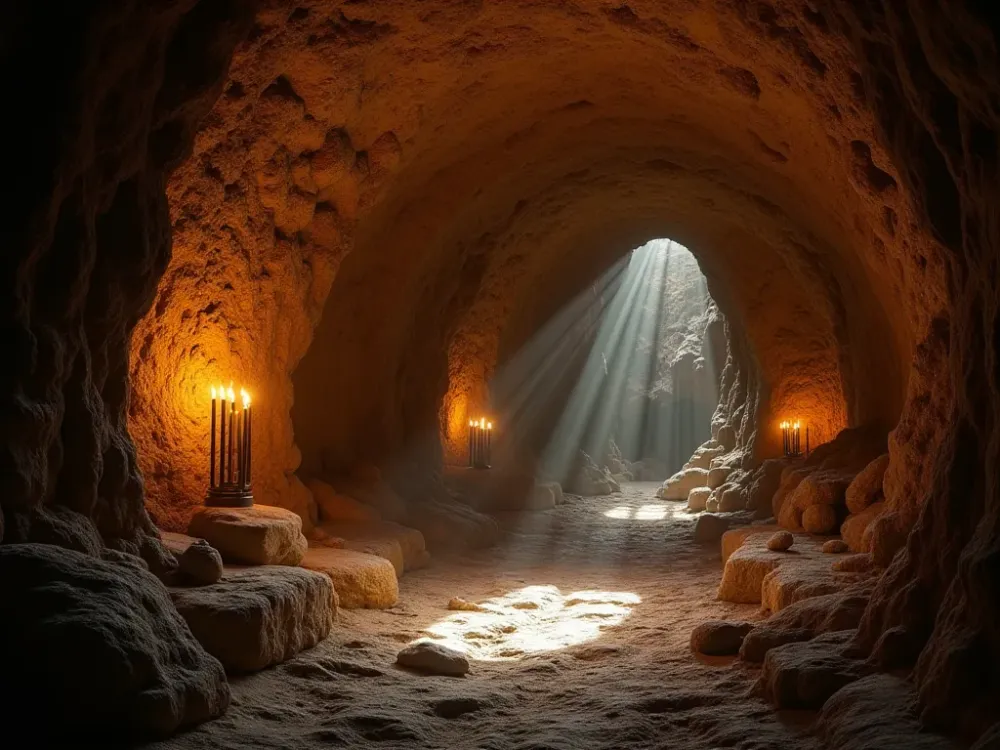
Twenty meters inside the entrance, natural niches held grouped animal remains. Vertebrae. Horns. A raptor claw. Tortoise shell fragments. These were not scattered by wind or water.
Farther back, two curved rows of stones surrounded a large stalagmite. Near it sat a stylized human figurine and bone objects. Researchers call that spot a possible ritual pit.
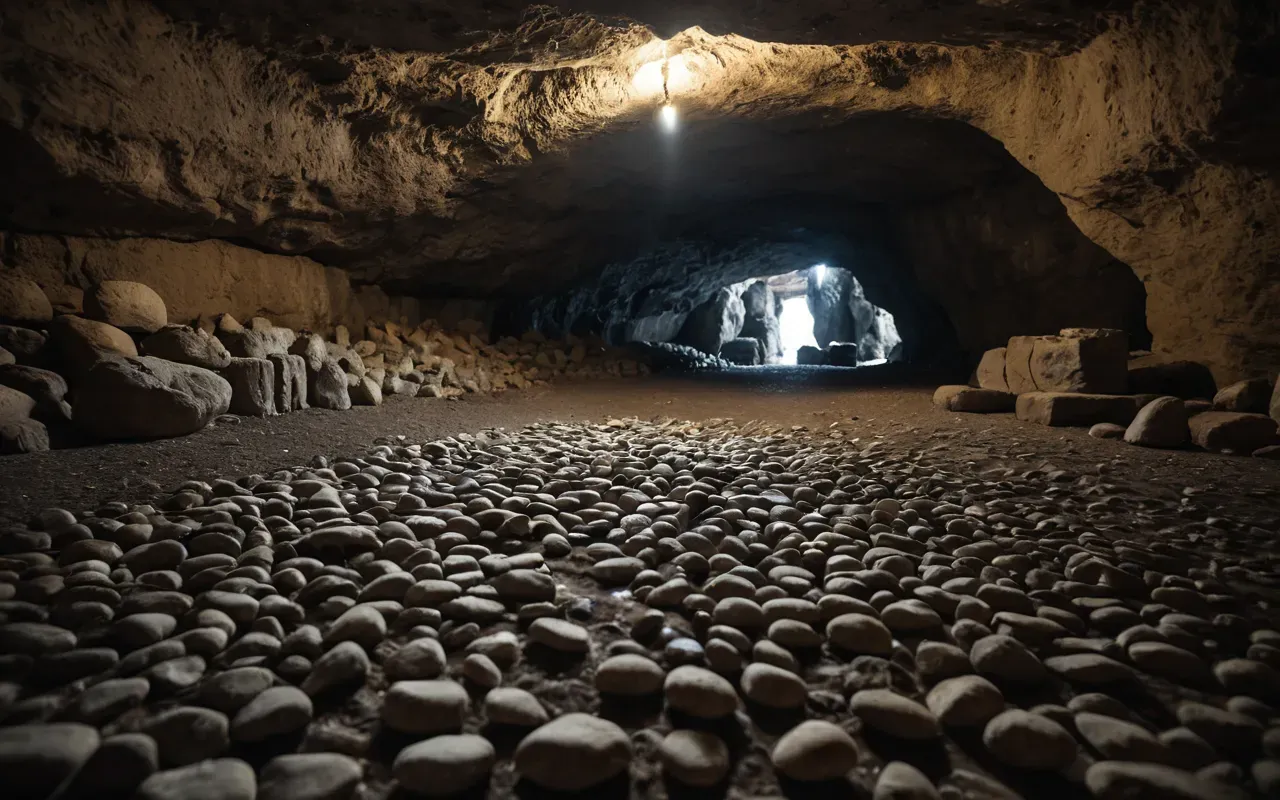
So we have turtles. We have grouped bones. We have a human figure near stones. The pattern is not random. It repeats. And repetition in archaeology means meaning.
What this does to our story of human progress
The old textbook says humans got smart after they farmed. Farming gave us surplus. Surplus gave us time for art and religion. That is the clean line we were taught.
These turtles smash that sequence. People who walked the earth before agriculture were already doing symbolic work. They were making choices about where to put objects and what they represented.
Göbeklitepe was never the starting point
If you have read about Göbeklitepe and the debate over what it really was, this fits. That site showed monumental building before farming. Now we have small objects showing ritual thinking even earlier.
The timeline keeps moving backward. Every find that shows complex thought before agriculture pushes the origin of culture further into deep time.
The turtle hypothesis nobody can prove yet
Sarı has a bold idea. She thinks the people who lived at Gedikkaya may have seen their own hill as turtle-shaped. The animal, the landscape, and the cave all connected in one mental image.
I will be honest. I find that compelling but unprovable. We cannot ask them what they saw. All we have is the pattern of objects and their placement.
Turtles appear in other ancient sites too
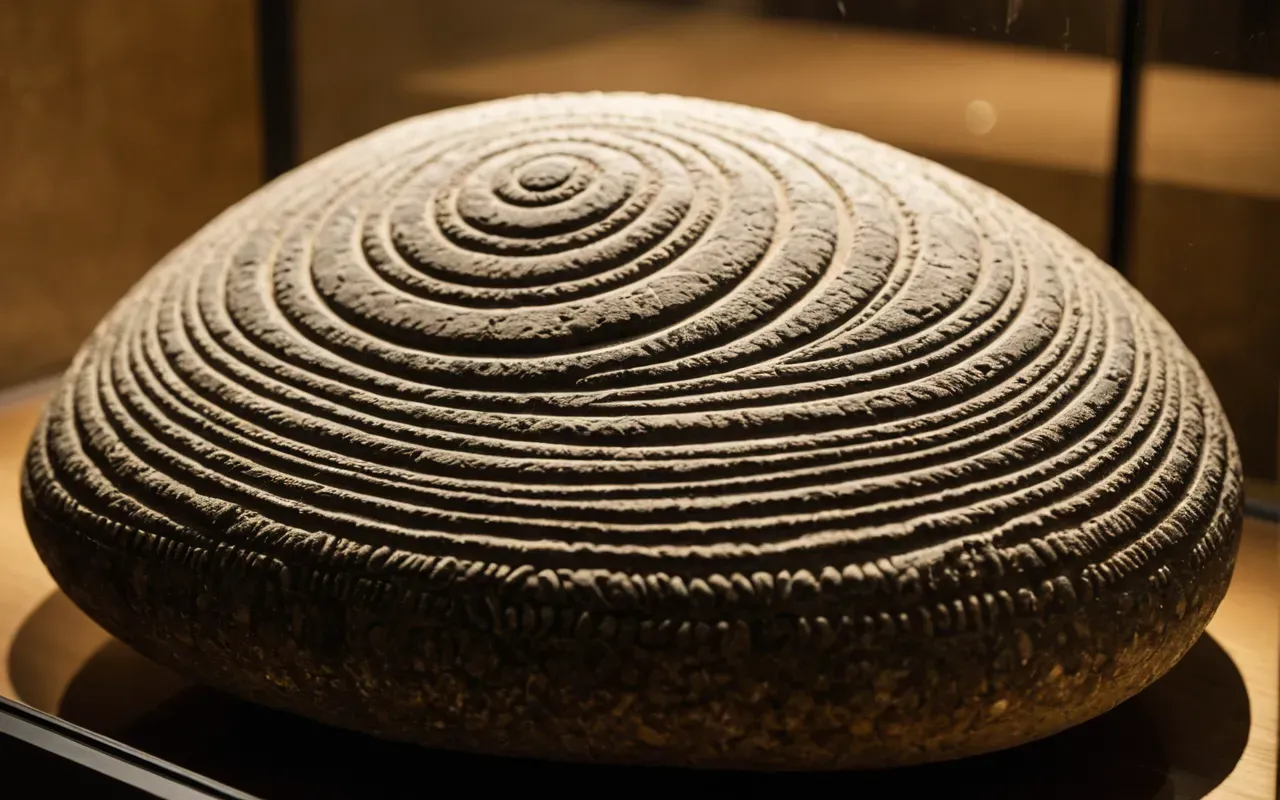
In Israel, Hilazon Tachtit Cave held tortoise remains tied to burial and feasting. Manot Cave had an engraved boulder that looks like a turtle shell from thirty-five thousand years ago.
The animal keeps showing up. Not as a meal, but as something set apart. That consistency across regions and thousands of years is not coincidence.
What this means for how we understand early belief
We like to think religion came late. That people needed gods after they had villages and priests. But these figurines suggest belief was part of daily life much earlier.
A hunter-gatherer group might not build a temple. But they could still mark a spot in the cave as special. They could still give meaning to an animal and encode that meaning in stone.
The bigger question no one is asking loudly enough
We keep measuring prehistoric people against modern standards. If they did not write books or build cathedrals, we call them simple. But simplicity is a judgment, not a fact.
These turtles are small. Thirty centimeters at most. But they carry the same weight as a monument because they show choice. Intention. Meaning made physical.
Where the figurines are now and what comes next
The team moved all twenty-five pieces to the Bilecik Museum and the university for conservation. More analysis is coming. That could change even more of what we think.
If you want to see how the broader story keeps shifting, check out why Göbeklitepe was buried and what that really tells us about early human communities. The pieces are fitting together faster than I expected.
The bottom line is this. We are not looking at primitive people making pretty rocks. We are looking at humans with beliefs, rituals, and a sense of place that rivals anything in recorded history.
And honestly? I think we are only going to get humbled further. Every new dig pulls the curtain back another inch. These turtles were just one more pull.
The next find could be a carved bird. Or a handprint in red ochre. Whatever it is, the message will be the same: these people were not waiting for us to tell them they had culture.
They already had it. They just did not need our permission to prove it.
So the next time you hear someone say early humans were simple, show them a turtle. Thirty centimeters of limestone that has been sitting in the dark for fourteen thousand years waiting to tell us something we never wanted to admit.
We got the story wrong. And these little stone turtles are not done correcting us.