The Temple Label Is A Lie And The Real Purpose Of These Stones Will Shock You
The Word That Is Keeping Us In The Dark
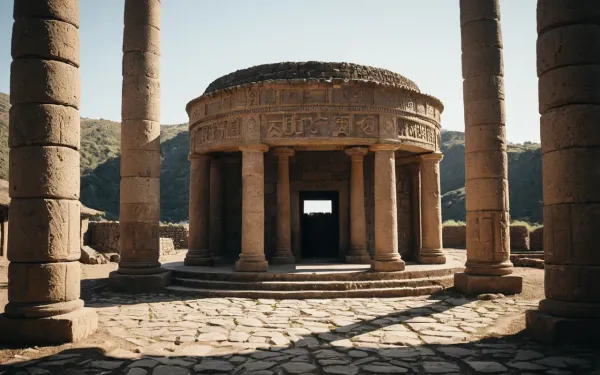
We keep saying temple. It feels safe and familiar.
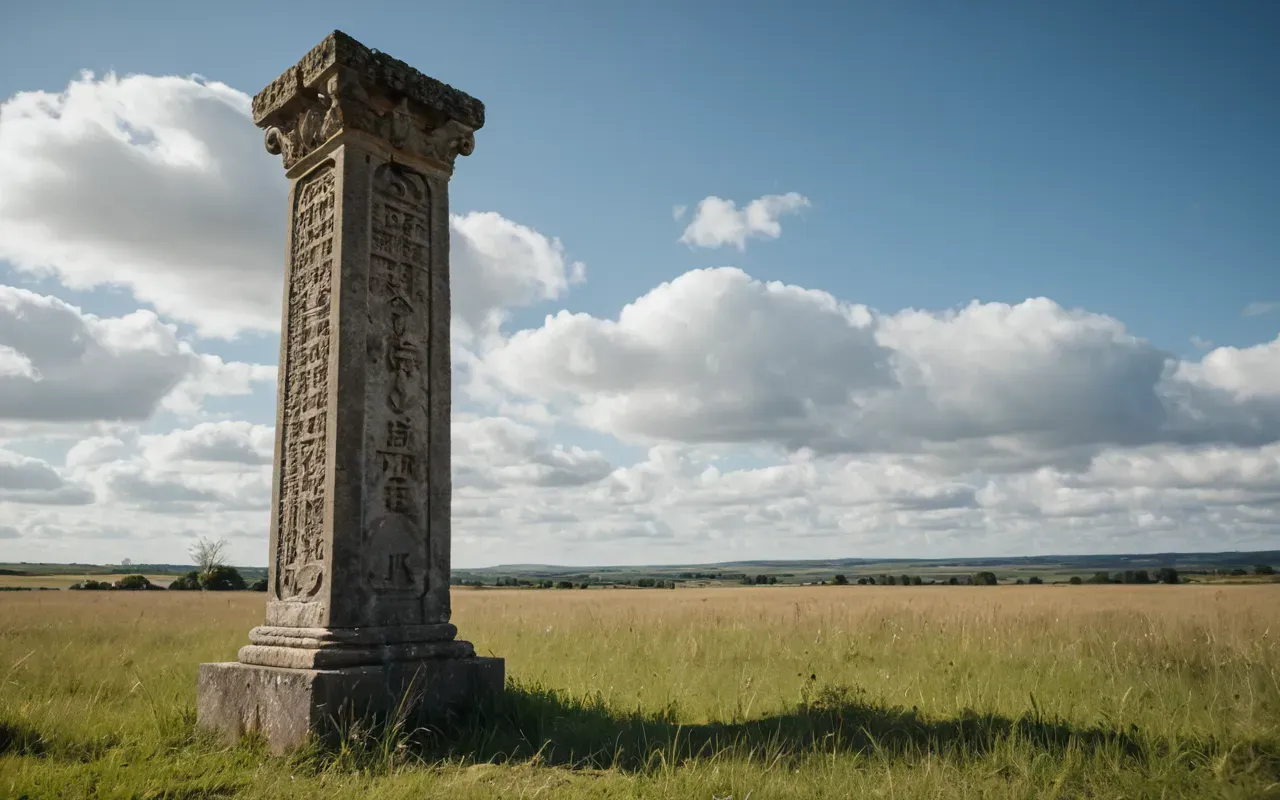
But that single word is doing heavy lifting. It implies worship and ritual. It suggests a hierarchy of priest and congregant.
I've walked past plenty of modern churches. I know exactly what a sanctuary looks like.
Why The Label Matters More Than You Think
Call something a temple, and suddenly every other theory starts to feel like a stretch. You can't unring that bell.
It builds a cage inside your head. Honestly, you stop hunting for mechanical or astronomical functions, because you've already convinced yourself the spiritual answer settles everything. And that's a trap.
And that assumption has cost us decades of nuanced understanding about early human life.
The Stones Were Not Built For Prayer
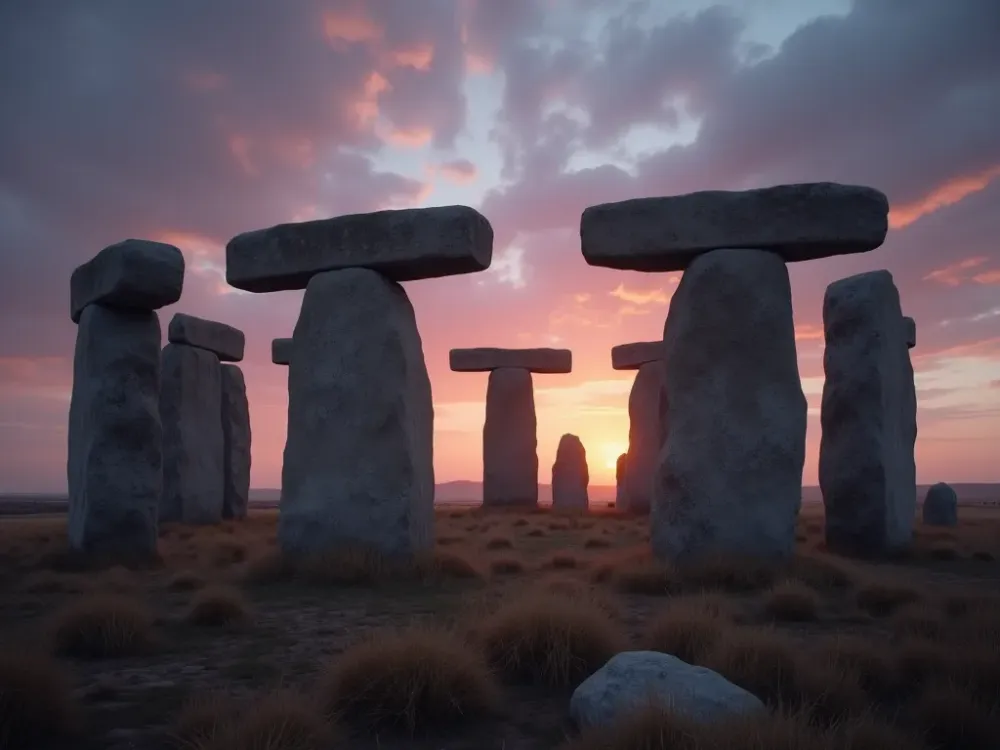
Look at the T-shaped pillars. These aren't ornamental columns holding up some cathedral nave.
They line up with particular celestial events—not in a vague, hand-wavy way either. The spacing between them is too consistent, too deliberate, to chalk up to coincidence.
I believe these were tracking devices. Tools for predicting seasons and planting times.
A Mechanical Function In A Spiritual Wrapper
Early humans needed to know when the rains would come. They needed data.
They could read the sky with a clarity that was almost absurd for the era. Honestly, nothing else at the time came close.
Who Benefits From Keeping The Temple Myth Alive
Museums love the temple story. It sells tickets.
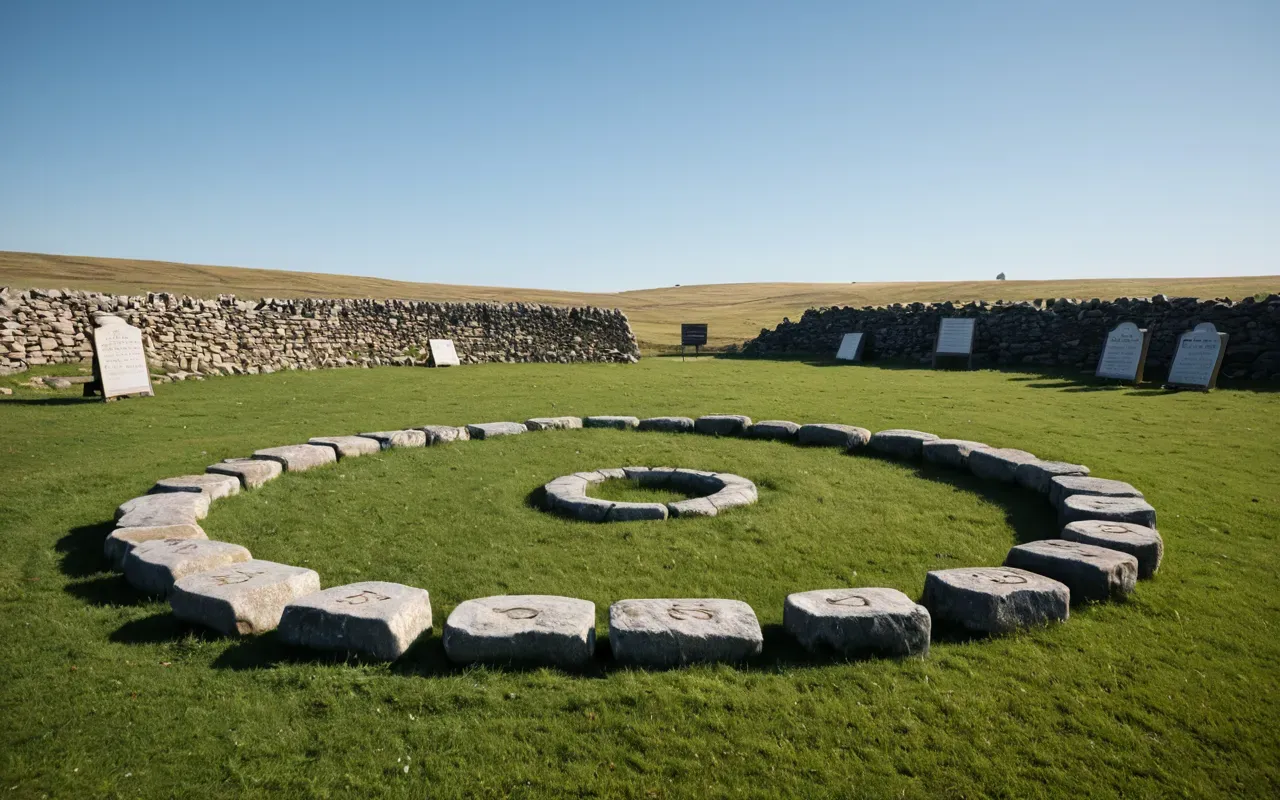
But here's the thing — the reality behind it is far stranger and more impressive than any ritual. This points to serious engineering chops and a working knowledge of the stars. And that changes everything.
If we admit the mechanical function, we have to rethink how smart these people really were.
The Economic Incentive Behind The Mislabeling
A temple implies an organized society — one with leaders, resources, and the will to build something lasting.
It's a tidy story, isn't it? Civilization clawing its way out of the primordial mess. Comfortable to tell, sure. But that doesn't make it true.
What The Real Function Changes For Us Today
It rewires how we think about what people can actually do. We're more than farmers, more than hunters.
We're all data collectors, really. Always have been. It's how we've survived — reading the sky for weather, tracking animal movements, mapping where the food grows. That instinct never left us; we just traded the horizon for screens.
A New Framework For Understanding Prehistory
This isn't just about a single website. Honestly, it rewires the whole story of what we've built — the full arc of human cleverness, from first sparks to now.
It suggests that complex thought and engineering existed far earlier than we previously believed possible. And frankly, that changes everything about how we tell the story of human ingenuity.
The Evidence That Is Hard To Ignore
The pillar alignments? Measured to within a few degrees. That's about as tight as it gets with these old stones.
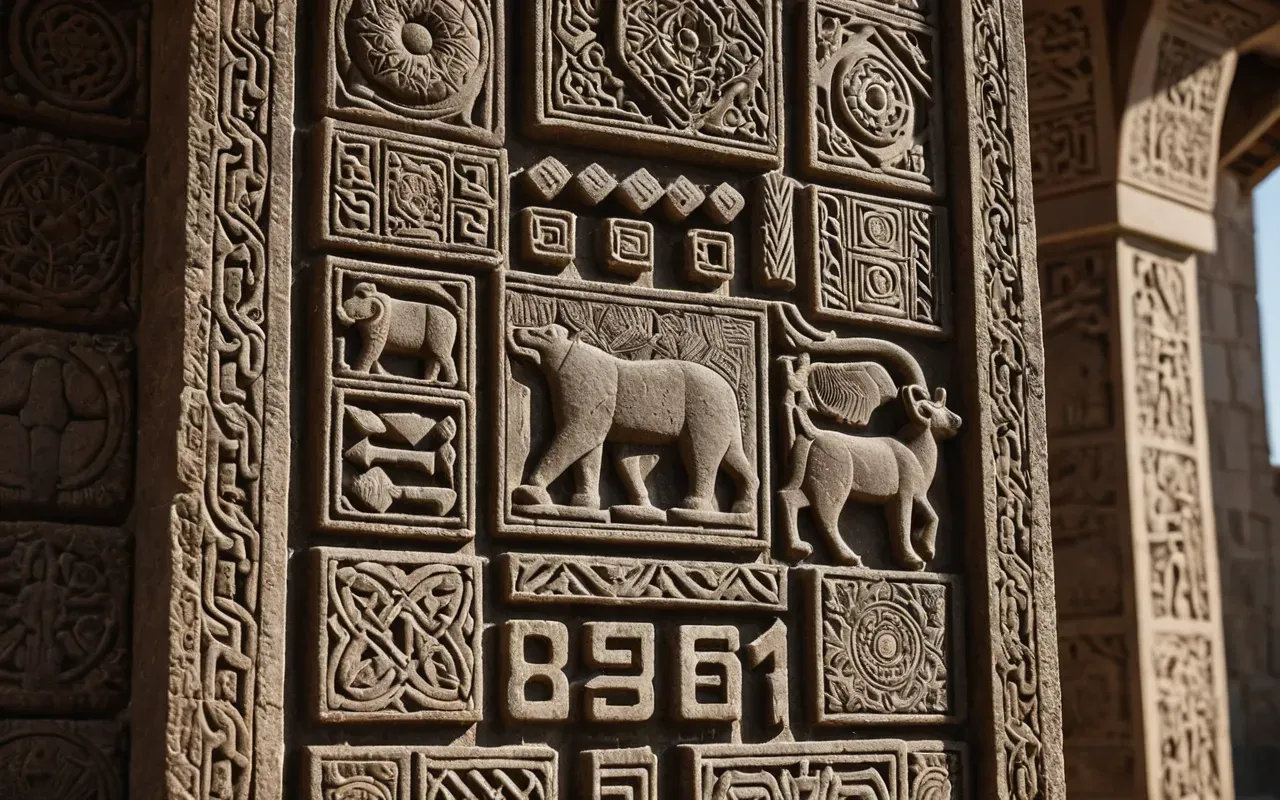
Getting solar predictions right to that degree isn't a parlor trick. It demands a genuinely deep grasp of how solar cycles actually behave.
Why Other Sites Are Now Being Reevaluated
Suddenly, archaeologists are turning that same lens on other megalithic sites. And the results are shaking up old assumptions.
The temple label is a barrier. Remove it and the data starts to speak for itself.
The Real Story Is Far More Exciting Than Worship
Don't get me wrong — religion was absolutely there. I'm just saying it wasn't what actually moved the needle.
Yes. Exactly that.
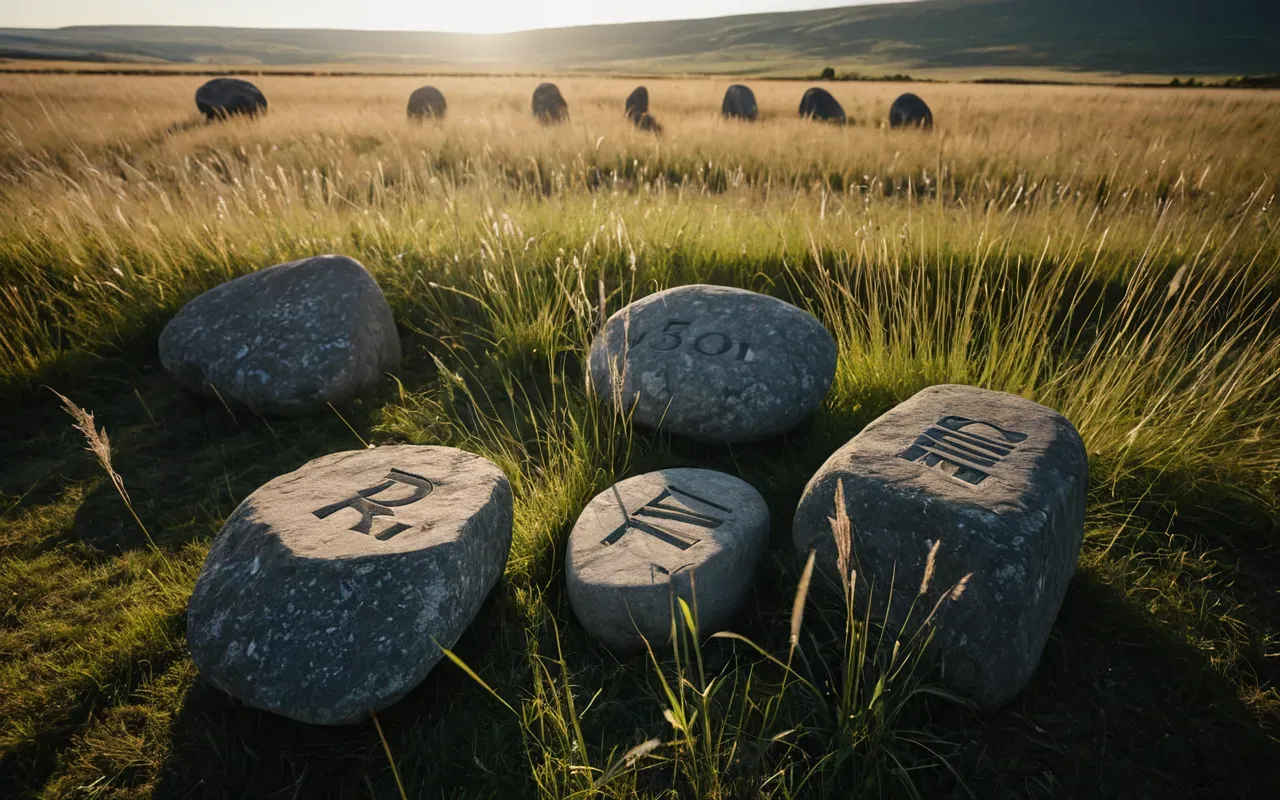
That story? It's one of pure brilliance. Real minds, grinding through genuinely hard problems.
A Call To Revisit Our Assumptions About The Past
The stones should get to speak for themselves. We just have to get out of the way and listen.
People love the temple myth — it's tidy, romantic, easy to digest. But the reality? These were scientists and engineers, through and through.