The 12,000 year gap in our timeline that schools refuse to teach
The Timeline Lie We All Swallowed In School
Here’s the thing. Your history teacher started the story with a wheel. Or maybe a pyramid. Perhaps it was a cuneiform tablet in Mesopotamia. But that narrative is broken.
We're taught that humans invented agriculture, settled down, and only then built complex structures. It feels logical. Efficient, even. But look at the actual dirt record from southern Anatolia around BCE. The sequence runs completely backwards.
Göbeklitepe wasn't a farm that became a temple. It was a massive, organized ritual center built by people who did not yet know how to grow wheat. That ,-year gap is the biggest hole in our collective understanding of history.
Why The Standard Model Fails At Hilltop Sites
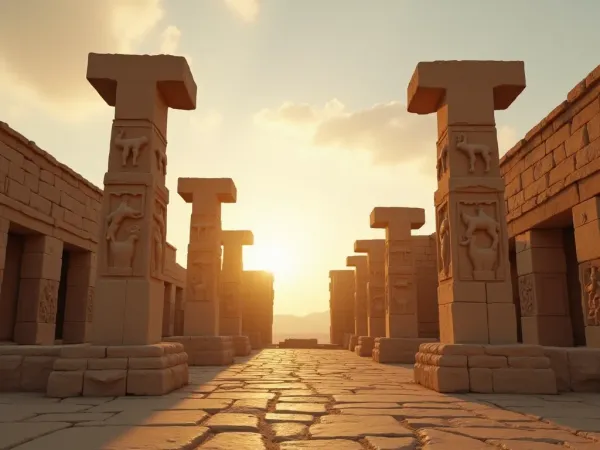
The standard model says survival comes first. You need stable food before you can spare energy for art or religion. But at this specific site, the energy went into carving T-shaped pillars weighing up to tons. Nobody was farming.
I've noticed that modern archaeologists are slowly dropping the word 'temple' in casual conversation. Too Christian, too static for what they found there. These were gathering places. Meeting halls for a society with no state and no kings.
If you're interested in how this contradicts the usual narrative, check out why Netflix left out the oldest city in their ancient civilizations series. The omission speaks volumes about what we are still comfortable ignoring.
What The Stones Actually Tell Us About Early Beliefs
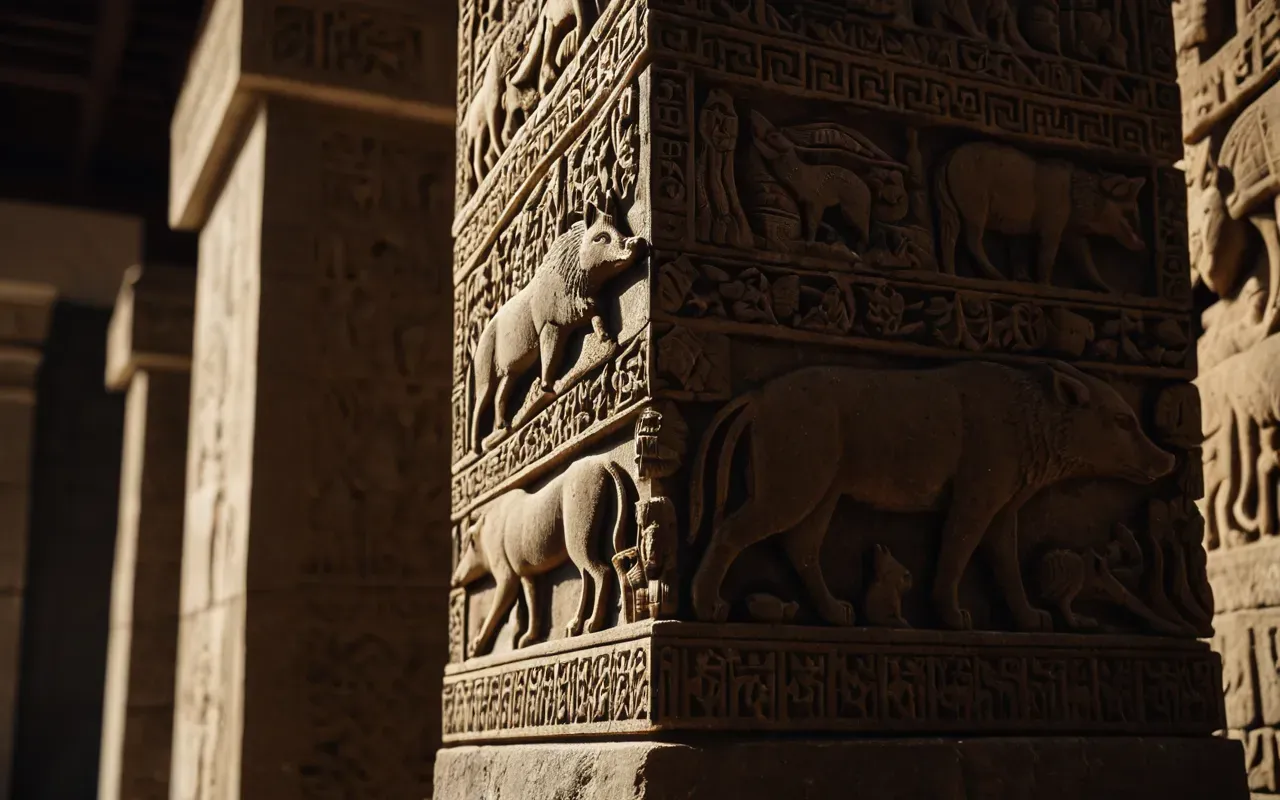
Walk into the enclosures. You see animals. Lions, boars, foxes. But you also see abstract symbols. And then there are the hands. Carved stone hands emerging from the pillars as if they were growing out of the rock.
To be fair, interpreting prehistoric art is messy. We project our own religious frameworks onto them. But the sheer scale suggests a shared belief system that required massive coordination to maintain and rebuild over generations.
The Mystery Of The Deliberate Burial
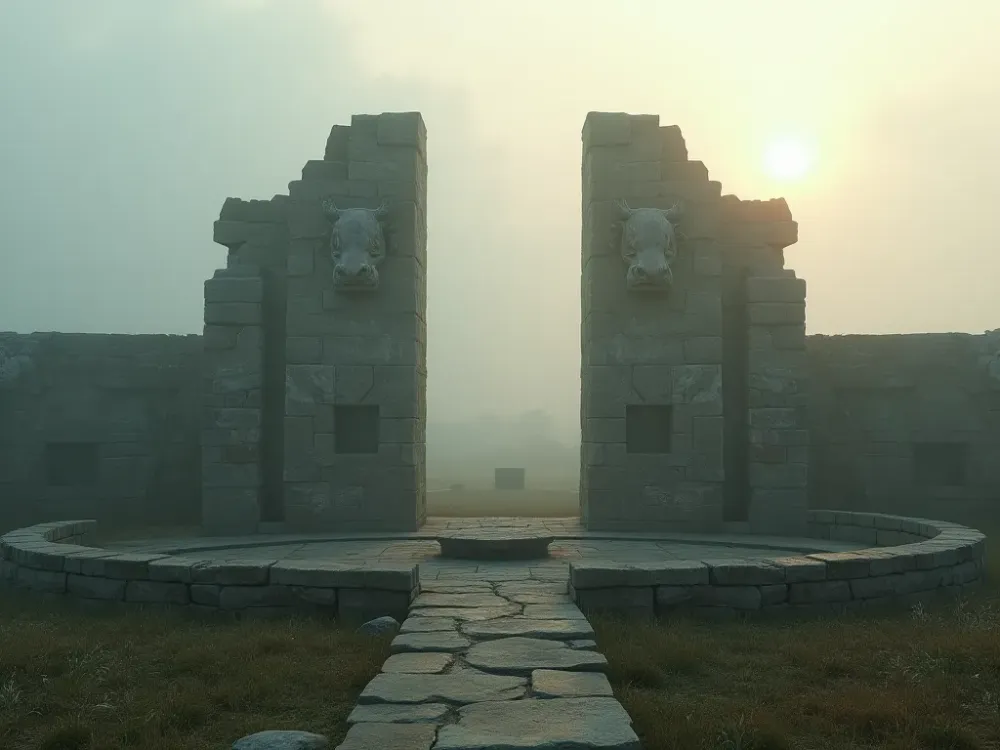
This is where it gets weird. The builders didn't just abandon the site when they eventually moved to farming villages nearby. They deliberately filled the enclosures with tons of earth and rubble.
Why bury your own creation? It's not a collapse. No fire, no earthquake. Someone made a decision to cap these structures and walk away forever. That act of closure implies a completed cycle, or maybe a taboo.
Honestly, this specific behavior unsettles me more than the construction itself. Building takes energy. Destroying what you built by burying it requires intention and consensus. It changes how we view their social cohesion.
The Engineering Gap That Defies Logical Progression
Modern engineers look at the joints and feel uneasy. There is no mortar. The stones are fitted so tightly you can't slide a credit card between them in many cases. Yet these people used only stone hammers.
The ancient finds that made modern engineers look like amateurs includes several similar feats, but the scale here is different. We are talking about moving tons of limestone from a quarry not far away without wheels or draft animals.
Look at the logistics alone. To build one enclosure required hundreds of people working for years. This wasn't a small band of nomads. It was an organized society with leadership, task allocation, and long-term planning capabilities.
How We Measure Human Progress Is Broken
We usually measure civilization by its output. Crops, cities, trade goods. But here, the primary output was social cohesion and shared ritual space. The 'product' was the community itself.
Judge them by our standards and they were primitive. No writing system yet. No metal tools. But if you value complex social organization and monumental architecture, they beat Rome by a thousand miles.

Why This Specific Site Changes The Global Narrative
For a long time, we thought the Middle East was just one of many centers. But this site sits right in that zone where wild wheat and barley were domesticated. It is the epicenter.
The connection between ritual gathering and the subsequent development of agriculture might be causal, not coincidental. Maybe they started farming to feed the people coming to these gatherings for the next season.
Challenging The Hunter-Gatherer Myth
We have this romantic image of prehistoric humans as simple, tribal bands. But the evidence from nearby cave finds proves they planned like engineers before they had farms.
There is a lot of debate about whether these structures were seasonal or permanent. The lack of hearths suggests they might have been used for specific events, not daily living. That distinction matters hugely for our timeline models.
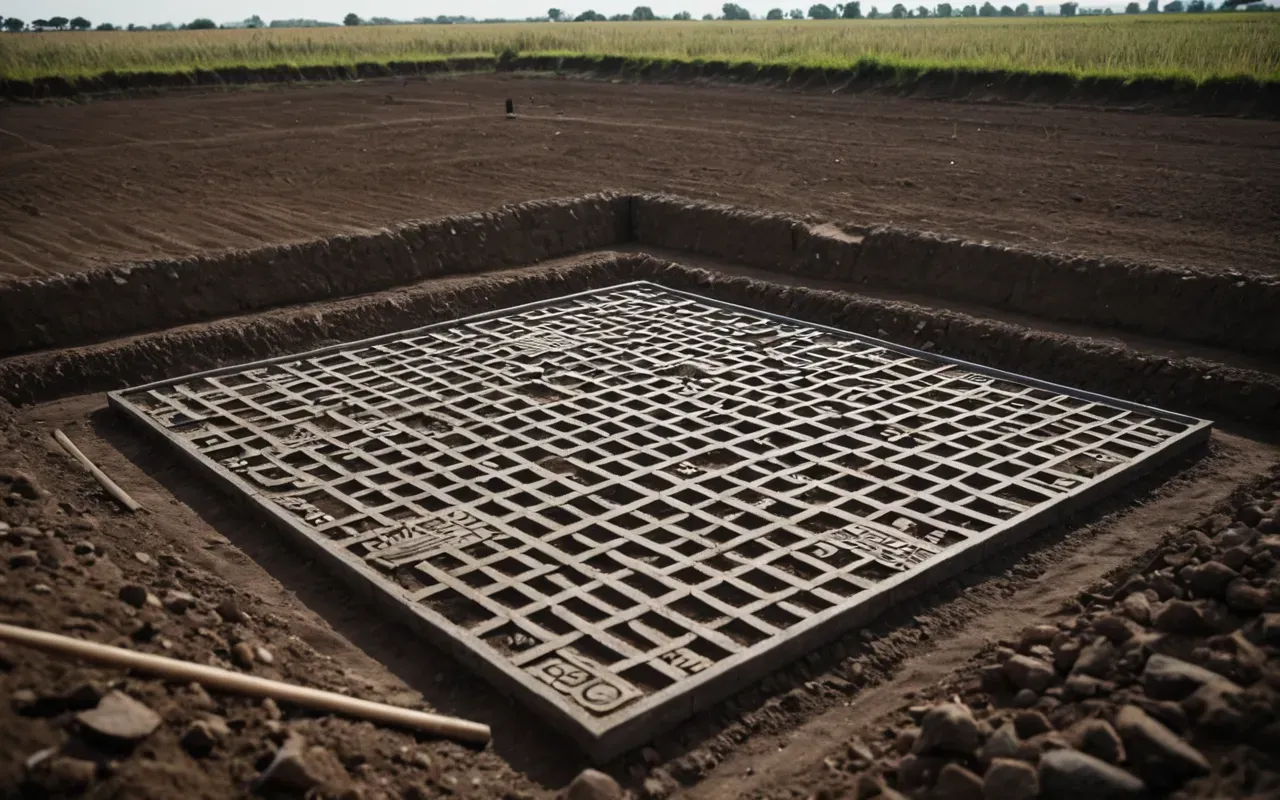
The Forgotten Workers Behind The Megaliths
Who actually did the digging? We talk about the leaders, but we ignore the labor force. These were likely hunter-gatherers who developed specialized skills just for this project.
The forgotten workers behind Göbeklitepe are rewriting human history by showing that specialization can exist without a state economy. You don't need a king to have skilled craftsmen if the social incentive is strong enough.
Skills That Outlived The Structures
When the site was buried, those skills didn't disappear. They migrated to the nearby villages where permanent houses were built using similar techniques.
The transition from mobile tent-dwellers to permanent stone-house dwellers happened within a few hundred years of this site's peak activity. That speed suggests a cultural shockwave radiating outward.

Frequently Asked Questions
What is the exact date of the ancient civilizations timeline for this site?
The primary construction phase dates to approximately BCE, during the Pre-Pottery Neolithic A period. This places it well before the establishment of permanent agricultural villages in the region.
Why did early humans bury their own temples?
Archaeologists believe the deliberate burial was a ritual act of closure rather than abandonment. It suggests the society chose to end use of the site and preserve it for future generations or spiritual reasons.
How does this compare to Stonehenge?
This site is roughly , years older than the main construction phase of Stonehenge. While both are megalithic structures, they differ significantly in purpose and cultural context across millennia.