The 25 ancient finds that made modern engineers look like amateurs
The viral list is lying to you about the past
A video called " Archaeological Discoveries" just landed in my feed. The pitch? Ancient people supposedly ran hydraulic systems and performed surgery before anyone invented writing. I watched it twice. Slick editing. Messy facts.
This happens constantly. Viral content can't resist a good mystery, so it shrinks real science into snackable myths. And what do you walk away with? The idea that history is just a string of magic tricks pulled off by ghosts.
But slow down and look closer. Some of these finds are legit. They show real engineering from people who never wrote a word down. The trick is telling the signal from the noise.
Why we keep falling for ancient mystery man theories
We love a gap. Show us something that looks advanced with no context around it, and we'll stuff aliens or lost civilizations into that space. It's more fun than admitting "people figured this out over centuries."
The video brought up hydraulic systems. Fine — ancient water management was real. But slapping "advanced" on it with zero context is misleading. That was survival tech. Not sci-fi.
I've watched this pattern for years now. Someone finds a stone circle. The internet calls it a star map. Archaeologists explain the sediment layers. The internet scrolls past.
The psychology of the impossible past
We chronically underestimate prehistoric brains. Stone tools make us assume simple minds. That bias is just wrong. These people solved hard problems with almost nothing.
Think about it. No electricity. No computers. And they still aligned structures to the sun and hauled tons of rock using leverage alone. That's engineering.
Why skepticism matters more than ever now
In a world of deepfakes and AI images, trusting your own eyes gets harder every year. That photo of an "ancient computer" could just be a prop on a movie set.
So always check the source. No peer-reviewed journal, no major museum? Treat it as entertainment. Not evidence.
The real marvels are boringly brilliant
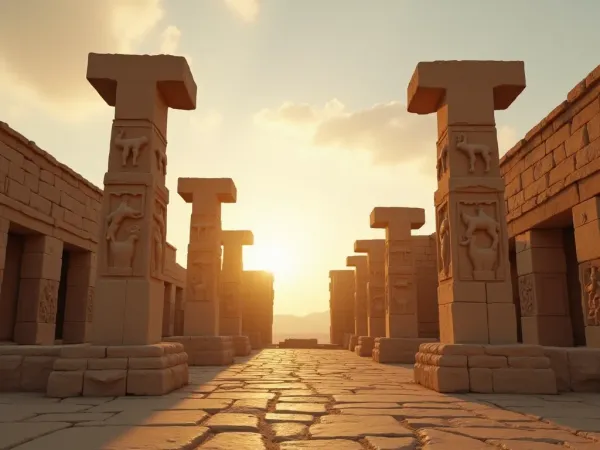
Take Göbeklitepe. It's not some mystery box. It's a site with solid dating and clear stratigraphy. Those T-shaped pillars aren't alien landing pads.
Hunter-gatherers built them. Before farming. That's the part that bends your brain. They organized labor on a massive scale with no agriculture at all.
The engineering is subtle, too. Gravity and weight hold the stones in place. No mortar. Just physics. And it's stood there for twelve thousand years.
Which challenges the whole timeline. We assumed farming came first, then cities. Göbeklitepe says no. Rituals and community building drove social complexity.
What the viral list missed about labor
The video fixated on the finished product. It skipped the workers. Thousands of people had to coordinate to build these sites.
That's a political and social achievement, not just a physical one. It proves early humans had leadership structures.
How to spot the fake archaeological finds online
Rule one: if the thumbnail has bold red arrows, be suspicious. Real archaeology is slow and boring and detailed.
Rule two: check the material. A "bronze age" item that looks like polished steel is fake. Oxidation happens.
Rule three: look for context. A found object with no excavation photo is probably a prop or a modern forgery.
The role of AI in creating false history content
Generative AI makes convincing photos of "lost cities" trivially easy. Most are pure fiction. They look real because the algorithms are good.
I've seen "ancient submarine" images that are obviously digital art. They still circulate as news, because people want to believe in magic.
The true timeline of human ingenuity is humbling
We aren't the first builders. We inherited a long line of problem-solvers. Every generation added a tool or a technique.
The stone tools at Göbeklitepe show precision cutting. These people were making composite materials. Glue and resin.
That's chemistry without a lab coat. It shows a cognitive depth we ignore in favor of flashy myths.
Why the farming myth persists despite evidence
Schools teach that agriculture enabled civilization. Göbeklitepe says otherwise. The need to gather people for rituals drove the shift.
Counter-intuitive? Sure. But the data backs it up. Social needs came before economic ones in early human development.
What this means for how we view modern progress
We like to think we're the apex of innovation. But we're standing on a foundation laid by people with no books.
Their achievements were earned through trial and error over millennia. We have computers now. Different kind of advantage.
Respect the past without mystifying it. The real history is stranger and more impressive than any alien theory.
The next time you see a viral ancient find video
Pause. Ask for the source. Check if it's a museum or an academic paper.
If not, enjoy the story — but keep your critical thinking hat on. The past is complex enough without fake layers on top.
The real discoveries are happening in quiet labs and dusty sites. They don't need a soundtrack or a clickbait title to be amazing.
History is written by those who dig. Not just those who talk. Support the real work and you'll learn more than any video can teach.