Why Netflix Left Out The Oldest City In Their Ancient Civilizations Series
The Big Screen Lie About Human Origins
I watched a massive documentary series last night and I felt genuinely angry. Three hours of high-budget cinematography. Egypt, Rome, China, the Maya — all of it gorgeous, all of it expensive. And not one word about a specific site in Southeastern Turkey.
That omission is not a small mistake. It erases the first complex society on Earth. We're talking about people who organized labor, carved massive stone pillars, and built circular enclosures twelve thousand years ago.
The series treats civilization as a linear path. Farming appears first. Then cities rise. Finally, temples get built. That timeline is wrong, and it makes the creators look outdated.
The Stone Pillars That Defied Gravity
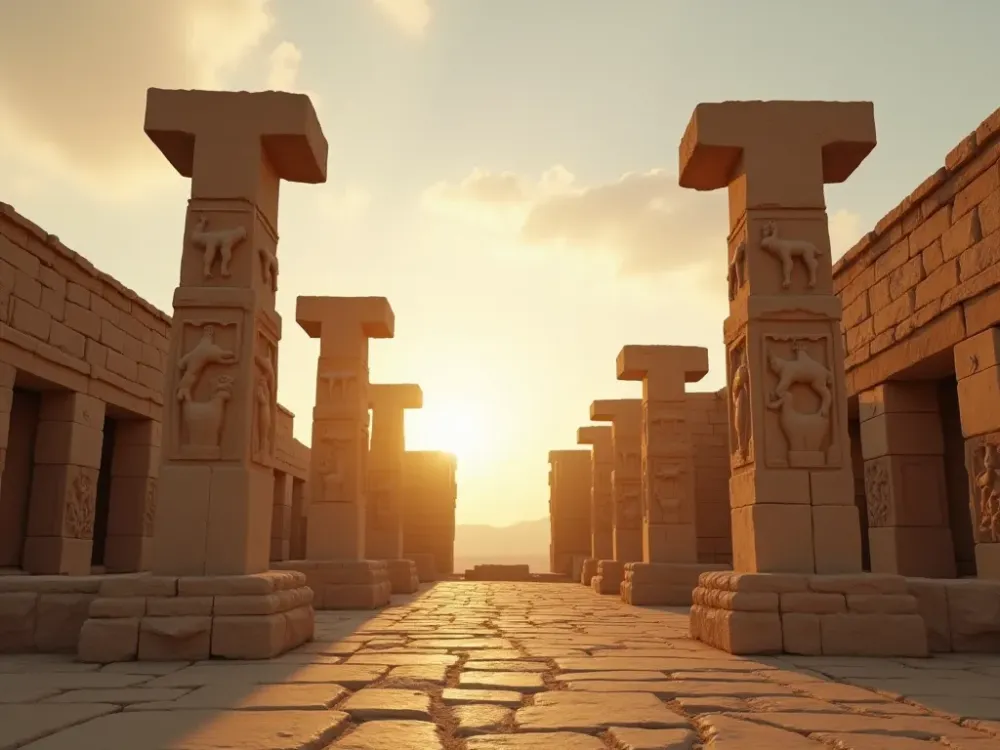
Imagine standing in a dimly lit room. The walls are made of T-shaped limestone blocks. Each pillar stands five meters high and weighs seven tons.
These are not random rocks. They are architectural masterpieces from a pre-farming era. The people who built them had no bronze tools and no wheels.
They used stone hammers and rope. That is it. Yet they managed to transport these heavy slabs from a quarry two kilometers away.
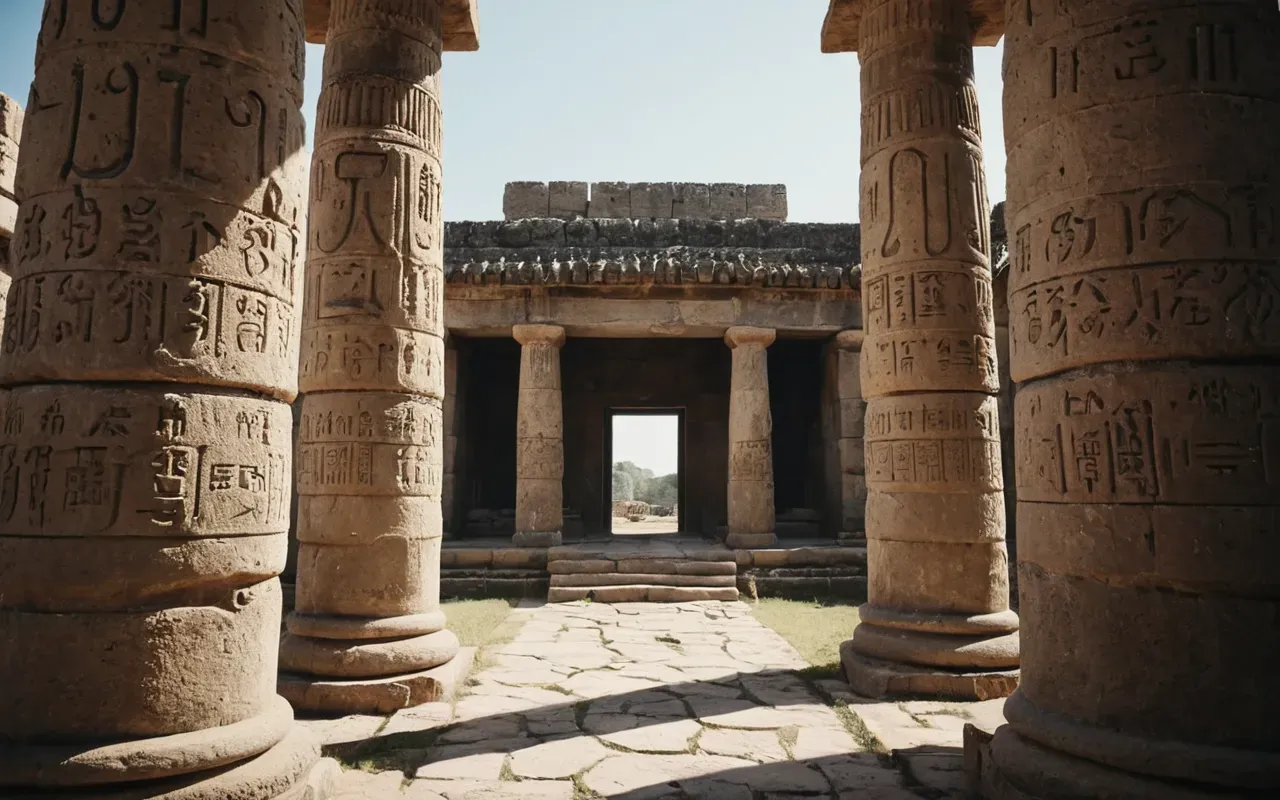
The precision is staggering. The joints fit together with millimeter accuracy. This level of engineering usually appears in the Roman Empire.
But this happened thousands of years before Rome existed. The creators of the documentary series likely skipped it because it breaks their narrative.
Why The Mainstream Narrative Fails Here
Most popular history shows follow a specific script. They want you to believe that agriculture was the prerequisite for complex social organization.
This is a convenient lie. It allows us to feel special about our modern achievements. If hunter-gatherers could build massive enclosures, then we are not as unique as we think.
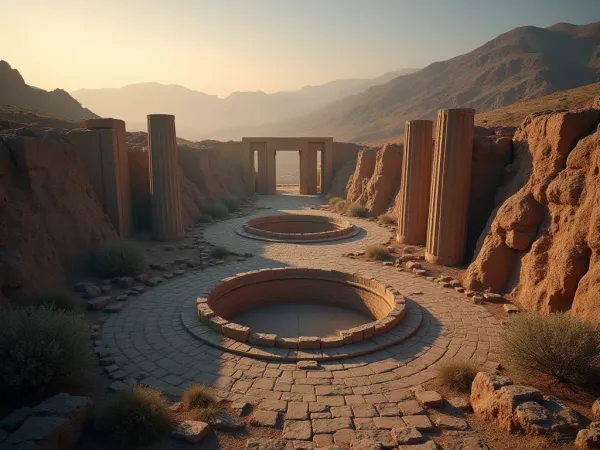
The site in question was intentionally buried by its builders. They filled the enclosures with tons of soil and debris to hide them.
This act of concealment suggests a deliberate ending. A ritual closure rather than an abandonment due to collapse.
The Hidden Evidence In The Carvings
Look closely at the reliefs on these pillars. You see vultures and cranes floating above a circle of heads.
These are not just decorative patterns. They represent a specific belief system about death and the afterlife.
The heads in the circle have no bodies. This implies a separation of spirit and matter that is incredibly sophisticated.

This is not primitive art. It is symbolic communication. These people had a language of images that predates writing by millennia.
The Problem With The Farming First Theory
We assumed that surplus food created leisure time. Leisure then allowed for art and religion. But this site proves the reverse.
Religious structures came first. The need to gather and ritualize drove the development of agriculture later on.
This flips the entire pyramid of human progress. We are not just farmers who got smart later. We were complex beings from day one.
What The Streaming Giants Missed
The production team likely had access to this data. They chose to ignore it because it does not fit the three-act structure.
They wanted a clear beginning and end. This site has no clear ending because it was buried for ten thousand years.
It is a mess of overlapping layers. It resists the clean narrative that television demands.
The Real Story Behind The Stones
I have spent hours reading the excavation reports. They reveal a community of thousands gathering for seasonal feasts.
They hunted wild cattle and prepared massive quantities of bread. This was a social hub before it was a religious center.
This changes how we view prehistoric trade. These people connected with others over hundreds of kilometers.

Why This Matters For Your History Books
If your history class skipped this era you are missing half the story. The first ten thousand years of engineering were ignored.
We are looking at ancient structures through upside down glasses. The foundation is not what we think it is.
The people who built these stones were our ancestors. They had the same intelligence and creativity we have today.
Frequently Asked Questions
Why did Netflix skip this ancient site?
Production teams often prioritize clear narrative arcs. This site has complex overlapping layers that resist simple storytelling structures used in mainstream documentaries.
How old are the stone pillars at this site?
The structures date back approximately twelve thousand years. This makes them significantly older than the pyramids of Egypt and other famous monuments.
Did these people have a written language?
No evidence of full alphabetic writing has been found. However they used complex symbolic reliefs that functioned as a form of non-verbal communication and record keeping.
Final Thoughts On The Missing Chapter
This is not just about one site. It is about how we define progress. We need to stop looking down on our ancestors.
The next time you watch a history show ask yourself who they left out. The answer might surprise you and change your view of the past.
The truth is buried in the soil. It waits for us to dig deeper and challenge what we think we know about human civilization.