Netflix Skipped The Oldest City On Earth And It Is Hiding In Plain Sight
The Streaming Blind Spot That Rewrites History
You've probably binged the latest docuseries on ancient empires. Maybe you paused to admire the intricate stone walls of Rome or the golden masks of Egypt. These productions are polished, dramatic, and incredibly engaging.
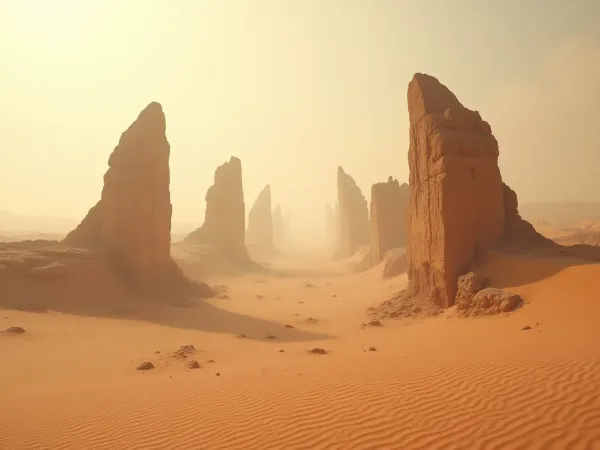
But there is a massive hole in the narrative. A hole that predates every civilization shown on your screen by thousands of years. We are talking about Göbekli Tepe.
This site is twelve thousand years old. That means it existed before the pyramids, before Sumer, and before agriculture was even invented in this region. It challenges everything we thought we knew about human progress.
Why The Big Studios Ignore This Site
I have noticed a pattern in how these projects are greenlit. Producers want clear heroes and villains. They want kings with names and wars with dates. Göbekli Tepe has none of that.
The builders are anonymous. The purpose is debated. There are no royal inscriptions to drive a plotline. It is messy and unresolved, which makes it difficult for scripted storytelling.
So they skip it. They focus on Mesopotamia and the Nile because those stories fit neatly into three-act structures. The result is a skewed view of human capability.
The Myth Of The Lazy Hunter Gatherer
For decades we believed a simple sequence. Humans were nomadic and primitive until they invented farming. Only then did they settle down and build complex structures.
That is the standard textbook view. But Göbekli Tepe proves it wrong on its face. The site was built by people who still lived as hunter gatherers.
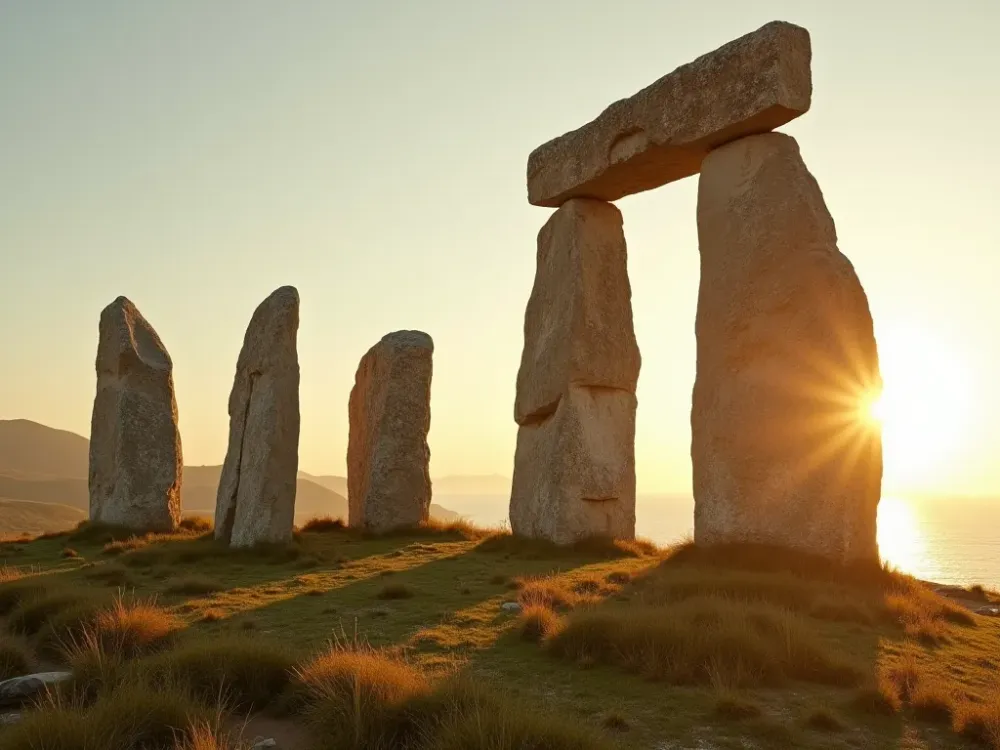
They had no wheels. They had no metal tools. Yet they moved stones weighing up to ten tons into precise circular arrangements. How did they do it without the infrastructure we assume was necessary?

Evidence That Defies Logic
Archaeologists found no large storage pits for grain. There was no permanent village housing near the main enclosures during its peak use.
This suggests massive seasonal gatherings rather than a resident population. Think of it as a temporary super city that appeared and disappeared with the seasons.
These people coordinated labor on a scale previously thought impossible without written language or centralized authority. It is a mystery that still haunts researchers.
What The Streaming Industry Gets Wrong
I remember watching a popular series that claimed civilization began with the first brick wall. The narrator spoke confidently about this turning point.
But that statement ignores twelve thousand years of complex social behavior. It frames innovation as a sudden spark rather than a gradual evolution.
When you strip away the drama and focus on the facts, the gap becomes glaring. The industry prioritizes spectacle over substance in this specific niche.
The Cost Of Omission In Education
Students learn that farming caused complex society. They do not learn that complex ritual sites appeared first. This creates a false cause and effect relationship.
If the media does not highlight these anomalies, they remain footnotes in academic journals. The public narrative stays locked into a linear progression model.
We need more documentaries that embrace ambiguity. We need stories that say we do not know yet but here is what the stones suggest.
The Hidden Truth Behind The Stones
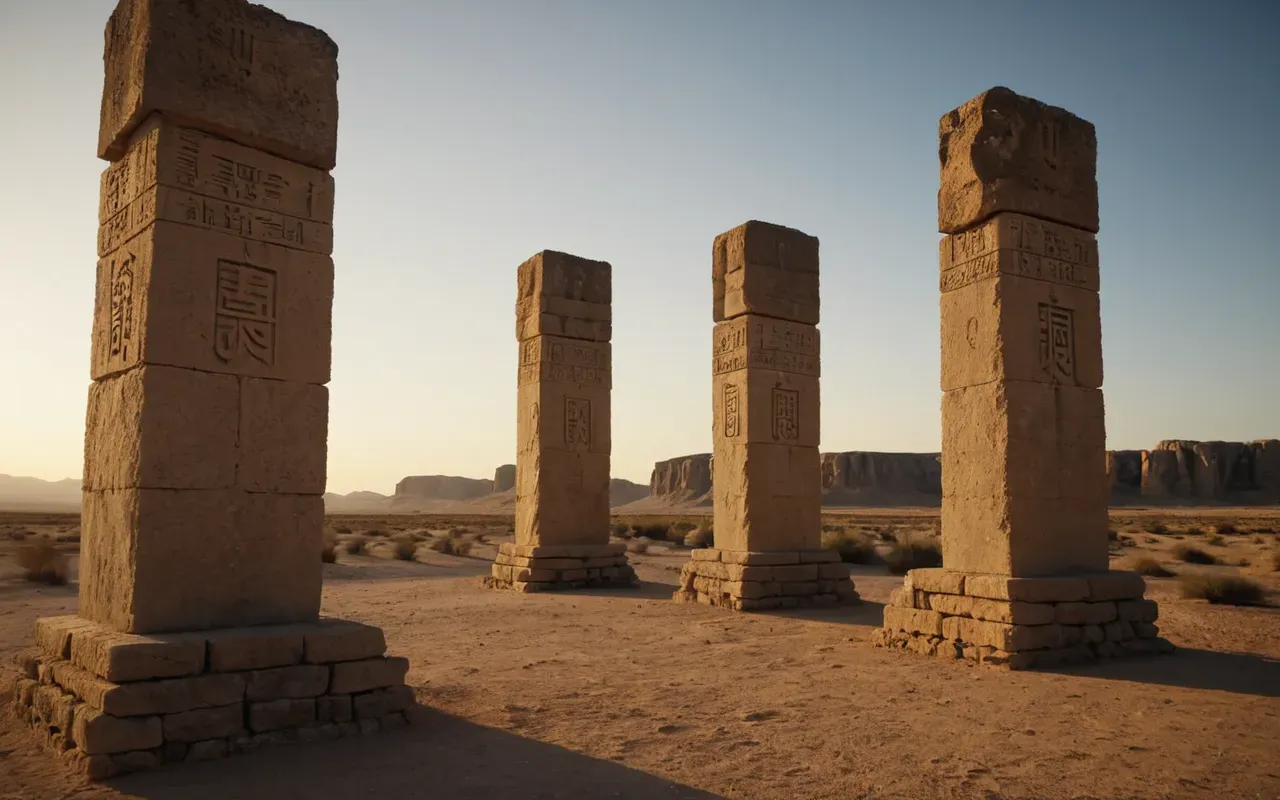
Let us look closer at the carvings. Vultures and cranes are depicted with unusual precision. Some researchers believe these represent a specific cosmological event.
Others argue they are simply local fauna. The debate is fierce and ongoing within the scientific community.
What I find fascinating is how little we actually agree on. For a site this significant there are still no definitive answers regarding its primary function.
Why This Matters For Modern Identity
Our sense of self is tied to our understanding of the past. If we believe humans were simple and reactive for most of their existence it limits how we view potential.
Knowing that our ancestors built monumental structures without modern technology changes the conversation about human ingenuity.
It suggests that cooperation and symbolic thought are fundamental traits rather than late stage developments. That is a powerful shift in perspective.
Why This Site Still Haunts Researchers
I spoke with a local guide who has spent twenty years explaining these stones to tourists. He told me the most common question is not about age.
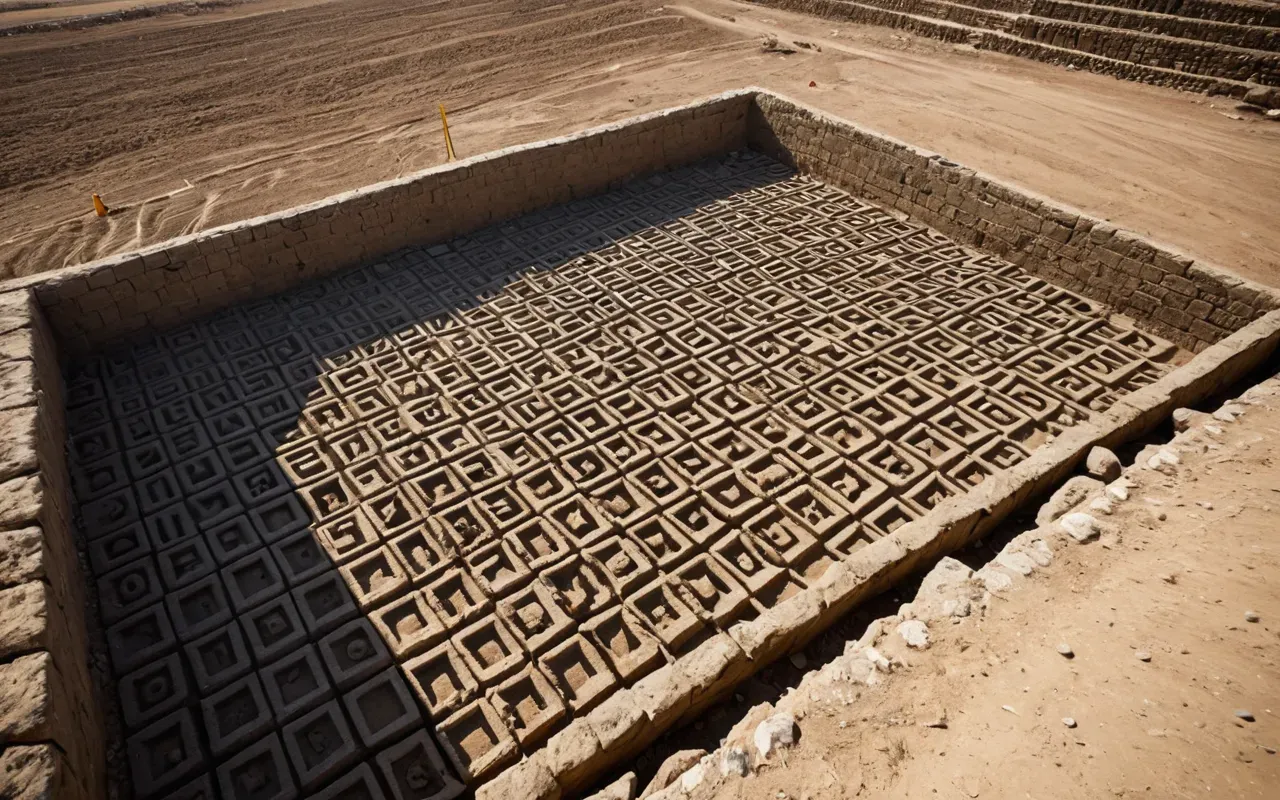
It is always why did they bury it? The site was deliberately covered with earth. This intentional concealment remains one of the biggest questions in archaeology.
Some think it was a ritual closure. Others believe it was an act of preservation for future generations. Both theories are plausible but unproven.
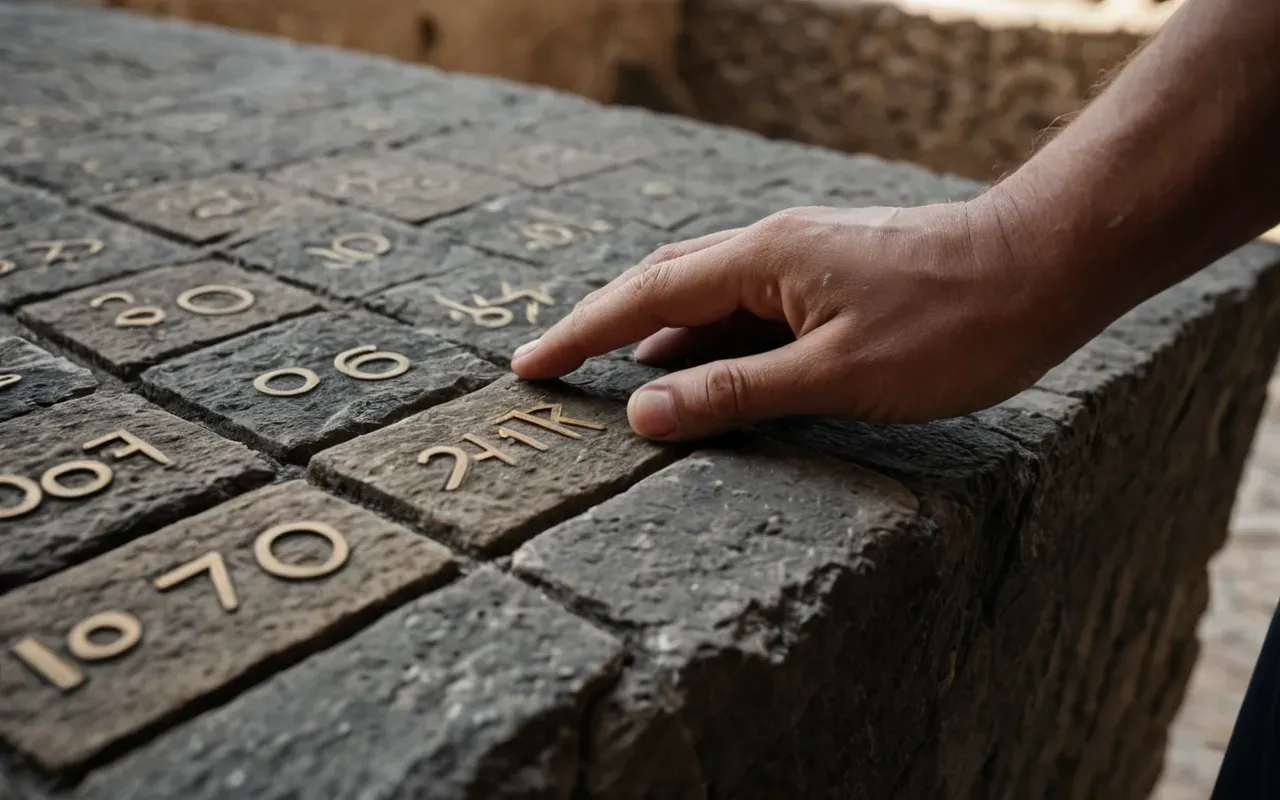
The Gap In Our Collective Memory
We have a ten thousand year blind spot in our cultural consciousness. We jump from stone tools to bronze empires and miss the middle.
This missing chapter is where religion and complex social structures likely originated. Ignoring it means ignoring the roots of modern society.
If you want to understand where we come from you have to look at what was built before writing existed. That is the true starting point.
Frequently Asked Questions
Why did streaming platforms skip this site?
Producers often avoid sites without clear narrative arcs or named historical figures. Göbekli Tepe lacks traditional story elements like kings and wars which makes it harder to dramatize for mass audiences seeking simple plotlines.
How old is the oldest city on earth?
The structures at Göbekli Tepe are approximately twelve thousand years old. This makes them older than the pyramids and Stonehenge by several millennia placing them in the early Neolithic period before widespread agriculture.
What is the main mystery surrounding this site?
The central mystery is why hunter gatherers built such monumental structures without permanent settlement. The deliberate burial of the site also raises questions about ritual significance and long term preservation intentions.