The 12000 Year Old Argument That Broke The Temple Myth
The Lie We Have Been Telling Ourselves For Decades
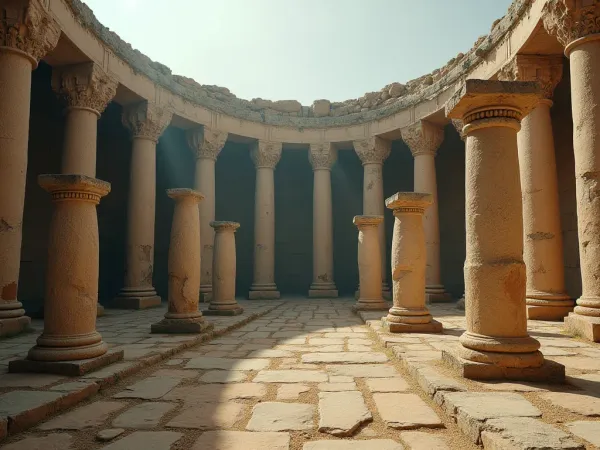
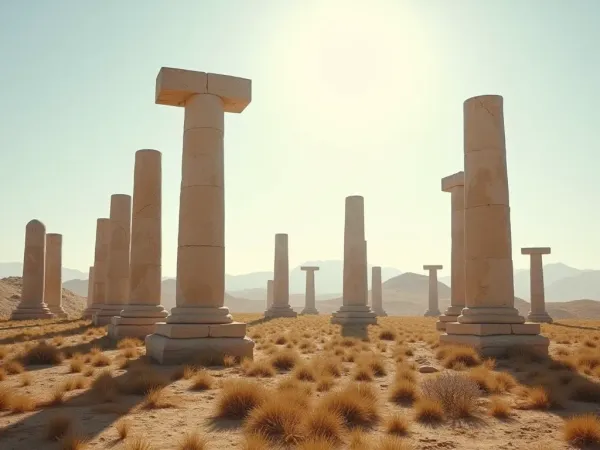
You've probably seen the photos. Those T-shaped pillars standing in a circle, like giant chess pieces frozen mid-game. Tourists snap pictures while guides whisper about priestly rituals and divine worship.
Here's the thing. That story is wrong. Or at least it's dangerously incomplete — misleading in a way that distorts how we see our own past.
I've spent years reading the excavation reports and talking to researchers who actually work in the field. The label "temple" is a modern marketing invention. It stuck because it sounds dramatic.
Why The Temple Label Is A Modern Invention
When Klaus Schmidt first started excavating in the late nineties, he called it a temple. The word carried weight and authority.
But Schmidt himself was cautious about defining the exact function. He knew these people weren't farmers yet. They didn't live in cities.
The problem is that later popularizers took his tentative ideas and ran with them. They built a whole narrative of religious awakening before agriculture.
That narrative fits neatly into the idea that religion drives civilization. But the evidence suggests something more complex — and far less mystical.
The Problem With Assuming Religious Purpose
We project our own understanding of religion onto people who lived twelve thousand years ago. We assume their rituals looked like ours.
In reality, these groups likely had social structures based on kinship and cooperation, not hierarchical priestly classes.
The pillars weren't altars for sacrifice. They were probably markers of identity and status within a community.
What The Stones Actually Told Us About Daily Life
Recent finds near the main structures reveal hearths and storage pits. Not exactly features of a sacred temple.
They point to cooking and food storage. People ate here. They lived here — or at least spent significant time preparing meals.
If you're interested in how the domestic context shifts the narrative this is a key turning point in our understanding.
The Role Of Food In Social Bonding
Feasting was likely a central activity. Sharing food creates bonds stronger than any ritual chant.
Archaeologists found animal bones showing signs of large-scale processing. That suggests organized hunting and sharing.
This was a place for gathering, not just praying. A social hub where groups from different areas met and exchanged goods.

The Burial Mystery That Changes Everything
Underneath the main structures, archaeologists found skulls and bones. But they weren't in coffins or graves.
They were placed carefully among the stones. Some had their faces modified or removed entirely.
This practice is known as ancestor veneration. It's not the same as worshipping a god.
Why Ancestor Worship Is Different From Temple Rituals
Ancestor worship is personal and familial. It connects the living to their own dead relatives.
Temple rituals often involve impersonal deities and complex hierarchies. There's no evidence of a priestly class here.
The people who built these stones weren't serving a god. They were honoring their own family history and identity.

How New Technology Is Rewriting The Story
Ground-penetrating radar has revealed structures we never knew existed. These aren't just circles of pillars.
They show a complex layout with rooms and corridors. This looks more like a house or a communal building.
If you want to see how the structural evidence challenges old ideas this is a critical piece of the puzzle.
The Architecture Of Community Not Religion
The layout suggests private and public spaces. That's typical of domestic life, not religious institutions.
People likely gathered in the larger circular areas for social events. The smaller rooms were for storage or sleeping.
This distinction matters because it changes how we view the origin of complex societies. It wasn't religion first.

The Real Reason We Got This Wrong For So Long
We're biased toward grand narratives. A temple is a more exciting story than a communal dining hall.
Media and museums prefer clear categories. "Temple" fits easily into our understanding of history.
But the reality is messier and more human. These people were experimenting with new ways of living together.
The Danger Of Simplified Historical Labels
Simplification leads to misunderstanding. We lose the nuance of how these early communities actually functioned.
By calling it a temple, we imply a hierarchy that may not have existed. We miss the egalitarian spirit of the site.
This isn't just an academic debate. It affects how we see our own capacity for cooperation and social innovation.

What This Means For Our Understanding Of The Past
Göbeklitepe shows us that complex social structures can exist without agriculture or cities.
This challenges the traditional view that farming led to settlement, which then led to religion and civilization.
Instead, social cooperation may have driven the development of new technologies like farming and pottery.
Rethinking The Sequence Of Human Development
We usually think of tools and technology as the first step. But Göbeklitepe suggests social needs came first.
People needed a way to meet and bond. They created these structures to facilitate that connection.
Only later did they develop the agricultural techniques needed to support larger permanent populations.
Frequently Asked Questions
Why is the temple label considered misleading?
The term implies a religious institution with priestly hierarchies, which is not supported by evidence. The site likely served social and communal purposes rather than purely ritualistic ones.
How old are the structures at this site?
The main structures date back approximately twelve thousand years. This places them in the early Neolithic period, before widespread agriculture and urbanization.
What evidence supports the domestic interpretation?
Archaeologists found hearths, storage pits, and food remains. These are typical of living spaces, not religious temples, indicating daily life activities like cooking.
Can we be certain about the social structure?
We cannot know with absolute certainty. However, current evidence suggests egalitarian, kinship-based groups rather than hierarchical religious classes.