The Stone Circle That Proves We Got Human Origins Completely Wrong
The Stone Circle That Broke The Timeline
In 1995, Klaus Schmidt stood on a hillside in southeastern Turkey. He wasn't hunting for the world's oldest temple. Honestly, he was just scouting locations for a doctoral thesis on prehistoric settlements. But what he stumbled onto broke every rule we'd memorized from the textbooks.
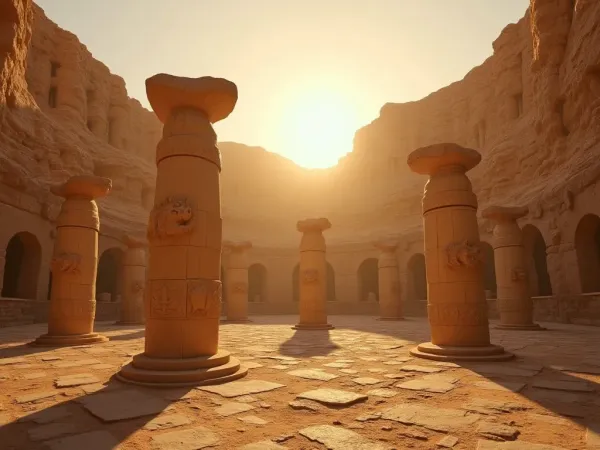
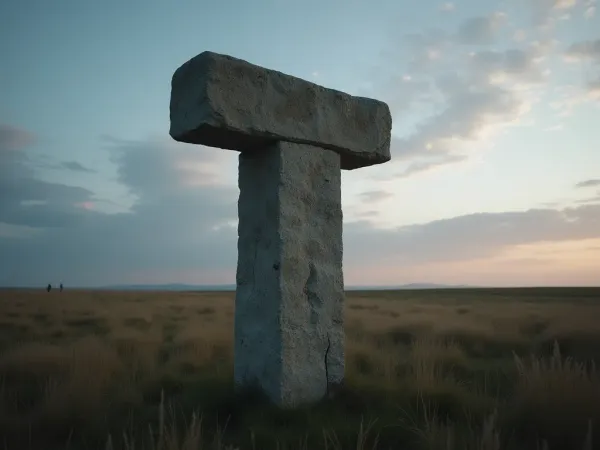
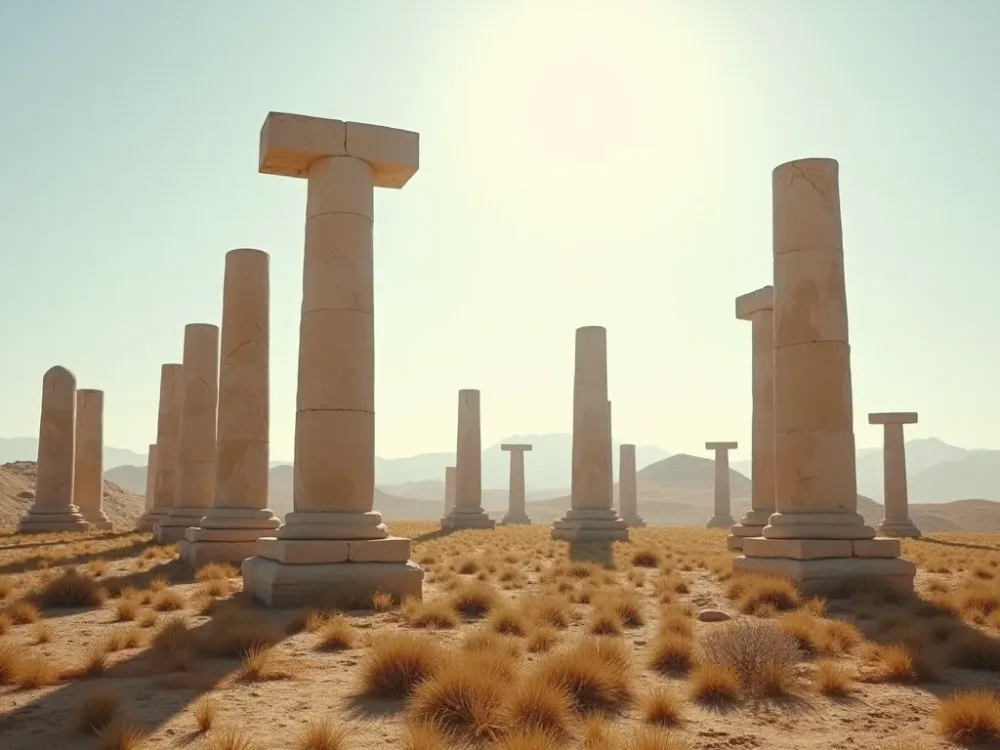
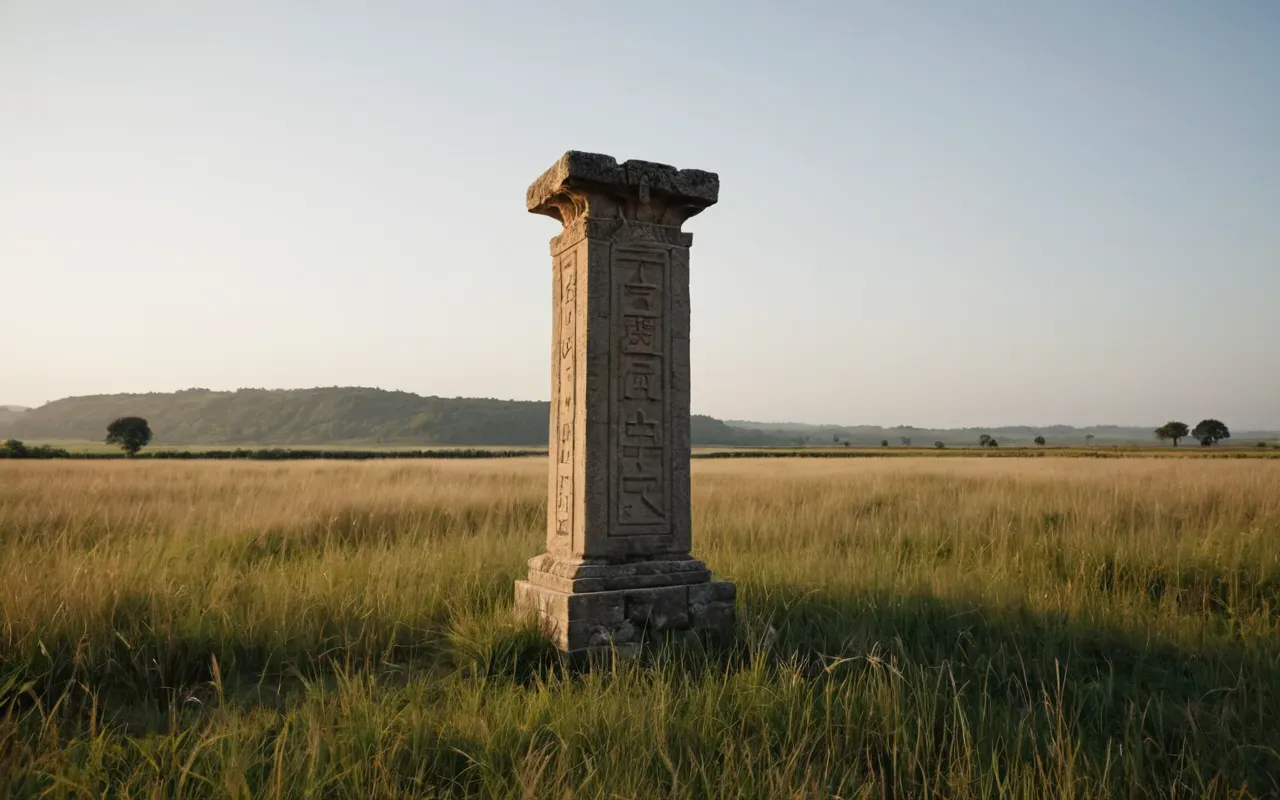
These structures were massive. T-shaped pillars thrust up from the earth like silent ancient guards. And they predated agriculture by thousands of years. That one detail demolished the tidy linear story we'd always told about human progress.
We grew up hearing that people farmed first. Then they settled. Only after that did they build cities and temples. Göbeklitepe turns that sequence upside down. It hints that complex social organization came *before* the surplus food that supposedly made it possible.
Why The Standard Narrative Failed Us
Think about the logic for a second. If you're feeding a crew of builders for years on end, you need agriculture. But here we've got buildings with no farms to support them. That contradiction has kept archaeologists staring at the ceiling since the first trowel hit the dirt.
I've noticed something about people—we'll accept almost any new fact if it fits our worldview. But the idea that hunter-gatherers coordinated projects this big? It feels wrong. It goes against every instinct. Yet the stone doesn't lie.
The site reveals communal labor on a scale we'd never imagined for that era. Thousands of people likely pitched in, both to build and to maintain the place. That kind of effort implies social bonds stretching far beyond a single family or clan.
To be fair, the experts are still hashing out the details. Some researchers argue these were seasonal gathering spots, not permanent villages. But no matter how you slice the social structure, the complexity is staring you right in the face.
The Carved Faces And What They Mean
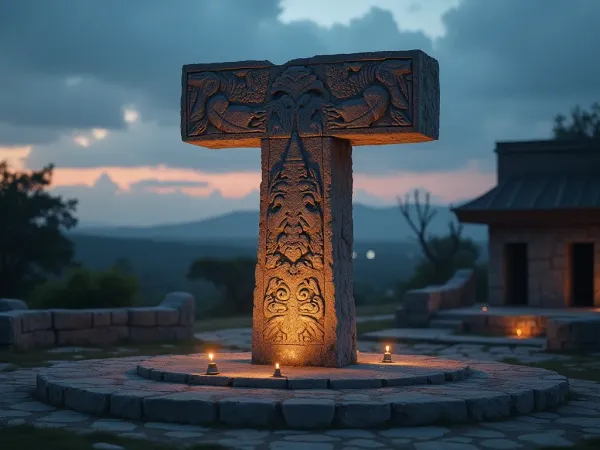
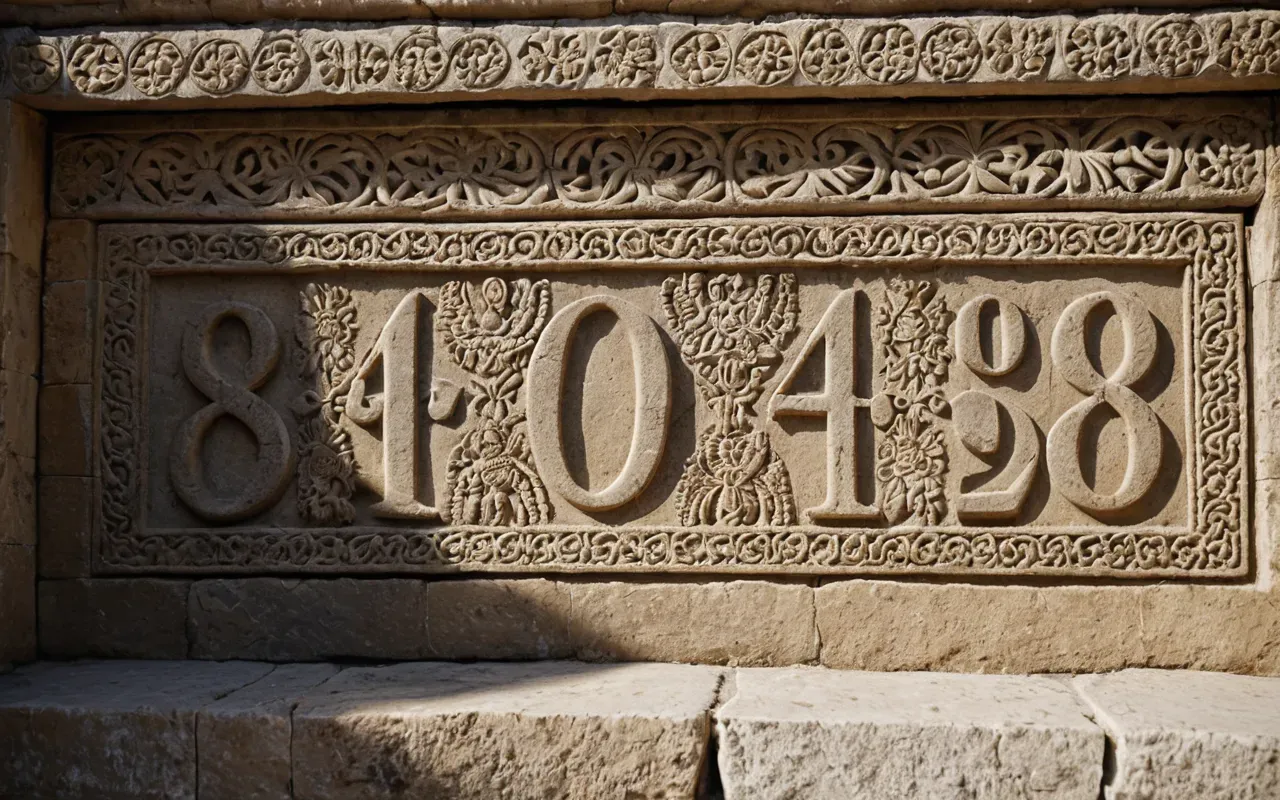
Plenty of pillars are covered in intricate carvings. Foxes, cranes, snakes, scorpions—all etched into the rock with startling accuracy. These aren't just pretty decorations. They almost certainly carried real symbolic weight for the people who made them.
Some pillars show what look like arms and belts. That anthropomorphic element suggests they were meant to stand in for someone specific. Ancestors, maybe? Gods? Or just powerful figures from their world?
The symbols aren't scattered at random. Certain animals keep showing up together, over and over, which points to a shared code or belief system. That kind of consistency suggests a sophisticated way of thinking among the people who lived here.
This is the part I can't stop thinking about. We tend to assume that complex ideas need complex tools. But these folks created rich symbolic art with no metal and no writing. Their mental frameworks were genuinely advanced.

The Mystery Of The Buried Circles
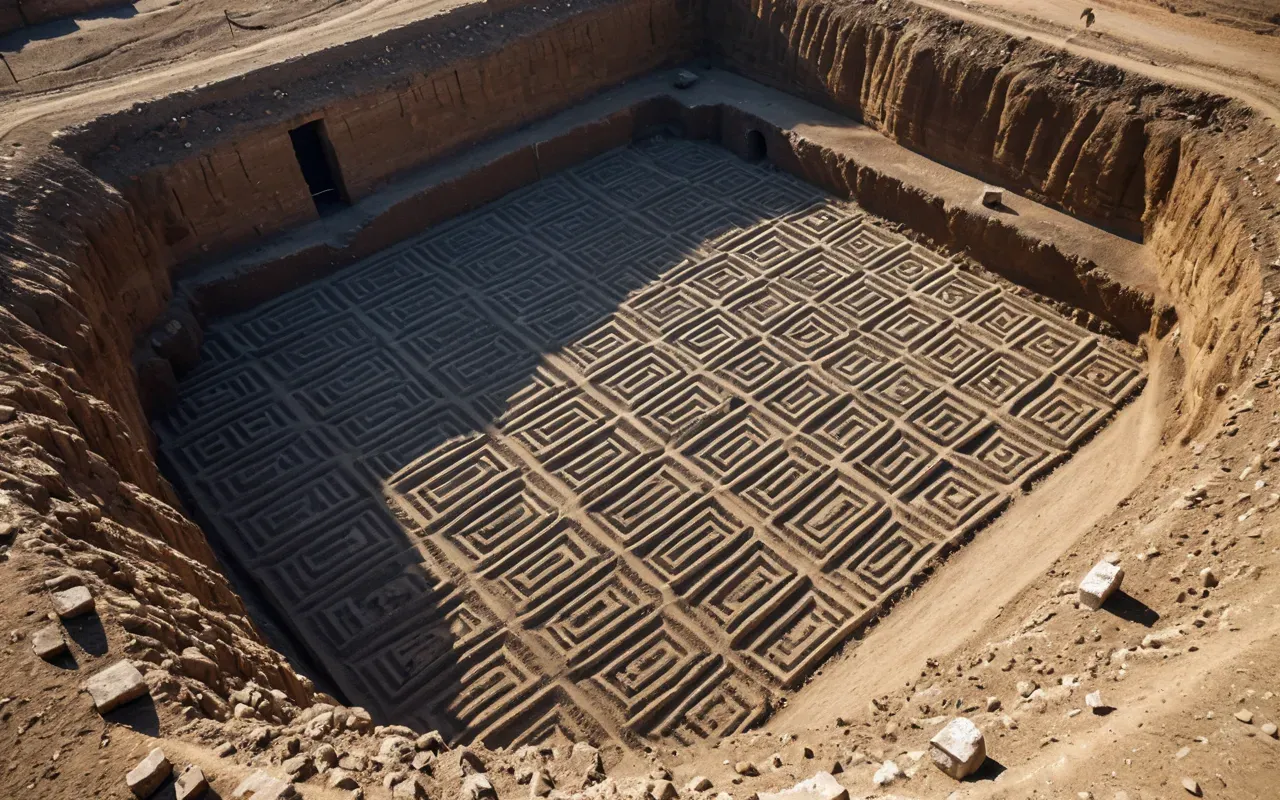
Here's what really gets me. After roughly fifteen hundred years of use, the structures were deliberately buried. They weren't abandoned to the elements or left to crumble. Someone carefully filled them in with dirt.
Why would a community pour so much effort into building something, then hide it away? One theory is that the site lost its religious meaning. Another suggests it was a conscious act of preservation—sealing it up for whoever came later.
It's worth noting that similar burial rituals have shown up at other Neolithic sites. That hints at a wider cultural pattern across the region. Maybe covering a sacred space was their way of formally closing a chapter.
To my mind, that speaks to the depth of their spiritual attachment. They didn't just walk away when the site became inconvenient. They treated the ending itself as something sacred, something that deserved ritual care.
What We Still Don't Know About The Builders
We've got the stones. We've got the carvings. What we don't have is any direct record of daily life. Where did these people sleep? What did they eat? Who was in charge while the work was happening?
Genetic research is starting to close some of those gaps. DNA from nearby sites suggests a blend of local and migrating populations. That points to movement and exchange across surprisingly long distances.
But the exact group behind this particular circle is still a mystery. A distinct tribe? A coalition of bands? Without written records, those questions might stay open for decades.
I keep coming back to the silence of the past. Thanks to tools like photogrammetry and DNA analysis, we have more answers than ever. And yet the biggest questions stay stubbornly unresolved.
The Impact On Modern Understanding Of History
Göbeklitepe forces us to rethink what "civilization" actually means. It's not just cities and kings. It's the capacity to organize hard, complex labor for goals that aren't about survival or profit.
This site challenges the comfortable idea that religion grew out of agricultural surplus. Instead, it looks like belief itself may have driven social complexity from the very beginning.
For anyone studying history, this is a critical case study. It shows how new evidence can knock down assumptions we've held for generations. The narrative isn't fixed—it's always up for revision.
We should be careful about declaring final answers. The dig is still ongoing. New discoveries could reshape our understanding again in the next few years.
Frequently Asked Questions
What is the primary mystery surrounding Göbeklitepe?
The core puzzle remains: how did hunter-gatherers raise such monumental structures without agriculture or permanent towns? That question challenges the standard timeline of human development and social organization.
When was Göbeklitepe first discovered?
The site was first identified in the early 1960s, but systematic excavation didn't begin until 1995 under Klaus Schmidt. That's when its true historical weight started to come into focus.
Why were the structures intentionally buried?
Archaeologists believe the burial was a deliberate ritual act—either to preserve the space or to formally close it once its religious relevance faded. Either way, it points to deeply complex social and spiritual practices.
How does Göbeklitepe change our view of early religion?
All of this suggests that elaborate religious beliefs and communal rituals came *before* agriculture and permanent cities. Which is exactly the opposite of the traditional story of human cultural evolution.