You Have Been Watching The Wrong Story About Göbeklitepe For Decades
The Stone Pillars Were Never Temples
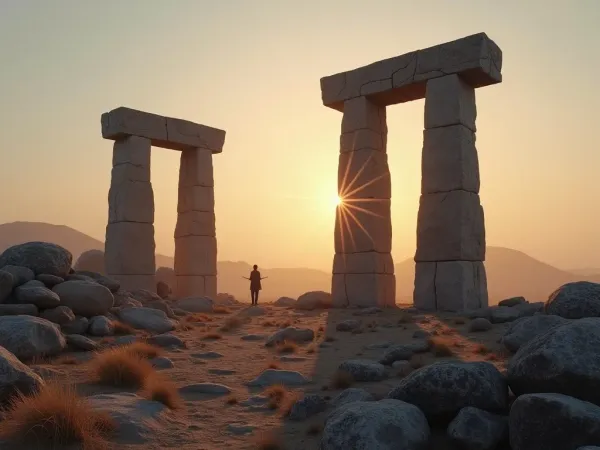
I have spent years reading about the T-shaped monoliths. They stand three to six meters tall. Each weighs between forty and sixty tons. The standard narrative is that they were temples.
But here is the thing. The word temple implies a space for worship. It suggests a priest and an altar. Does that fit a site built by hunter-gatherers who had no agriculture?
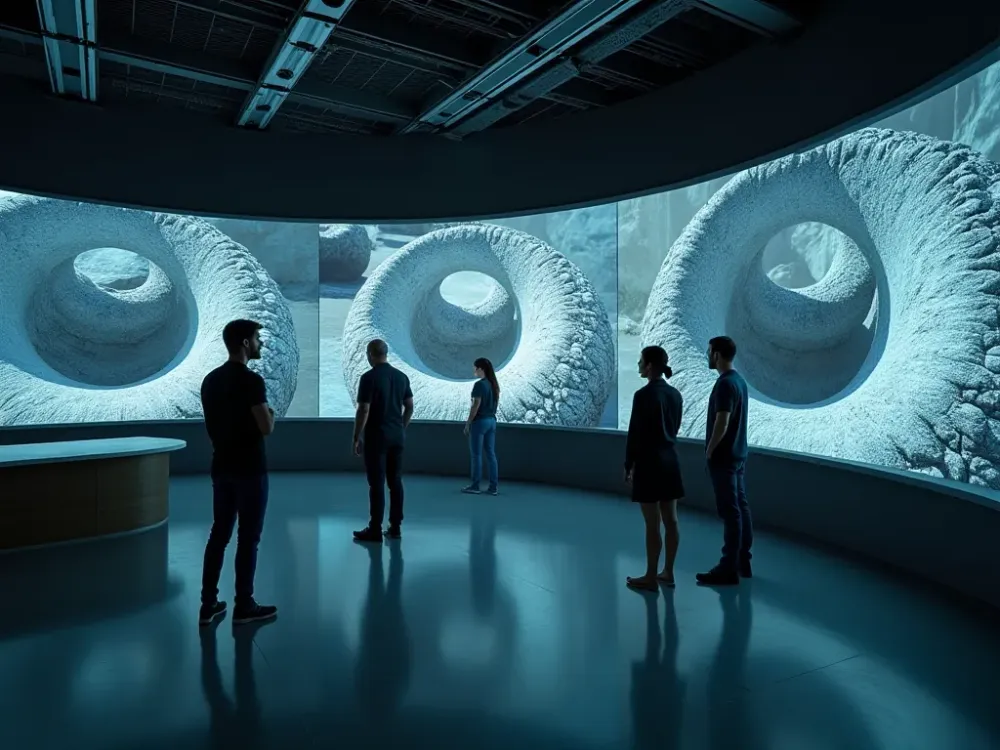
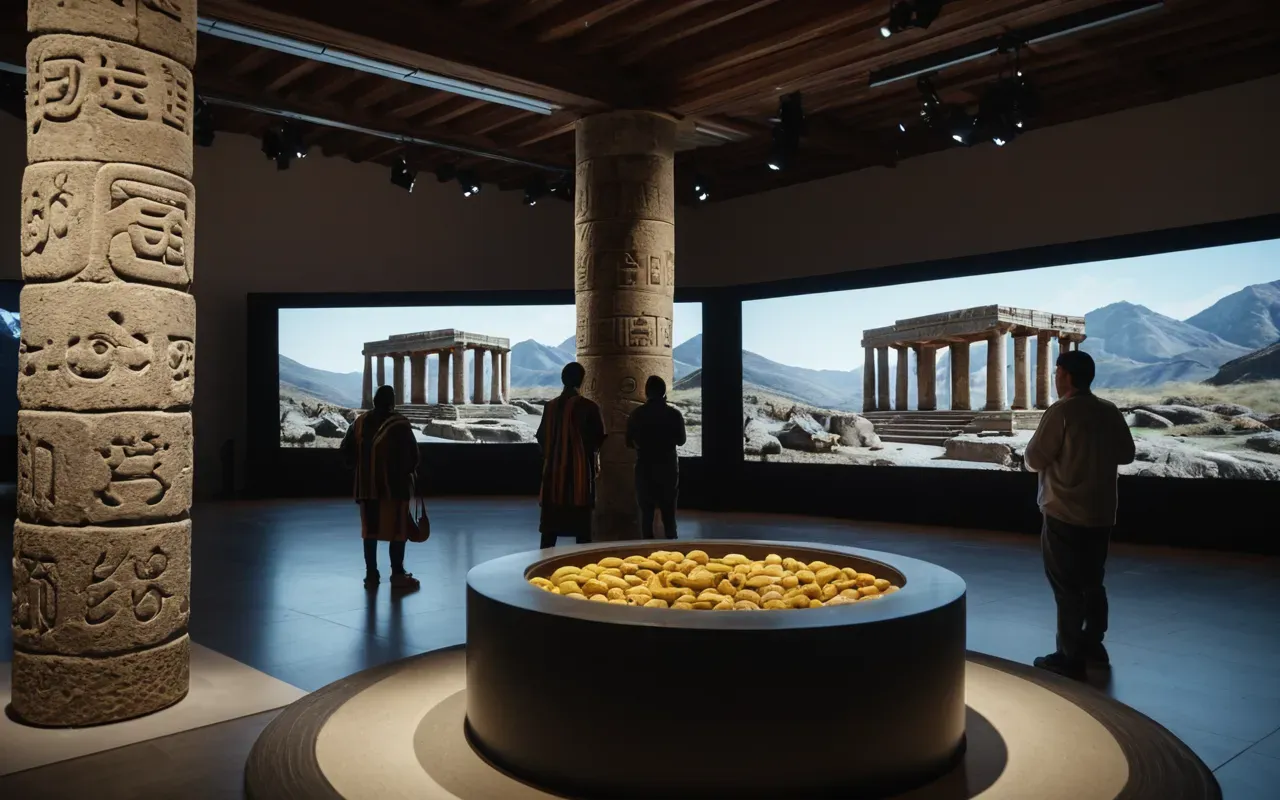
The new virtual simulation center in Şanlıurfa changes the script. It does not show a priest lighting incense. It shows people moving rocks with leverage.
This is not just a museum display. It is a decoding of labor and logistics. The animation tracks the transition from nomadic life to settlement.
If you have ever wondered why we build monuments before we invent writing, this is the answer. It is about coordination.
Why Animation Beats Static Plaster Casts
Static exhibits are dead. They tell you what something was. Animation tells you how it happened.
I walked through the center and watched a sequence of shelter construction. The figures used simple tools. No cranes. No modern machinery.
The animation shows the Ice Age melting away. It shows the landscape changing from frozen plains to fertile riverbanks.
This context is missing in most textbooks. We learn about the result but not the cause.
The shift from hunting to farming is shown as a gradual process. It was not an overnight switch.
The Zero Point Of History Misunderstood
Aydın Aslan calls this site the zero point. I agree with that label.
But what does zero mean here? It means the start of complex social organization.
The pillars were not just decorative. They required a workforce that could plan for years ahead.
If you are interested in how early humans managed such massive projects without written records, check out the missing parts of Göbeklitepe history that often get skipped.
The animation center provides the narrative bridge. It connects the dots between survival and culture.
What The Animations Actually Reveal About Labor
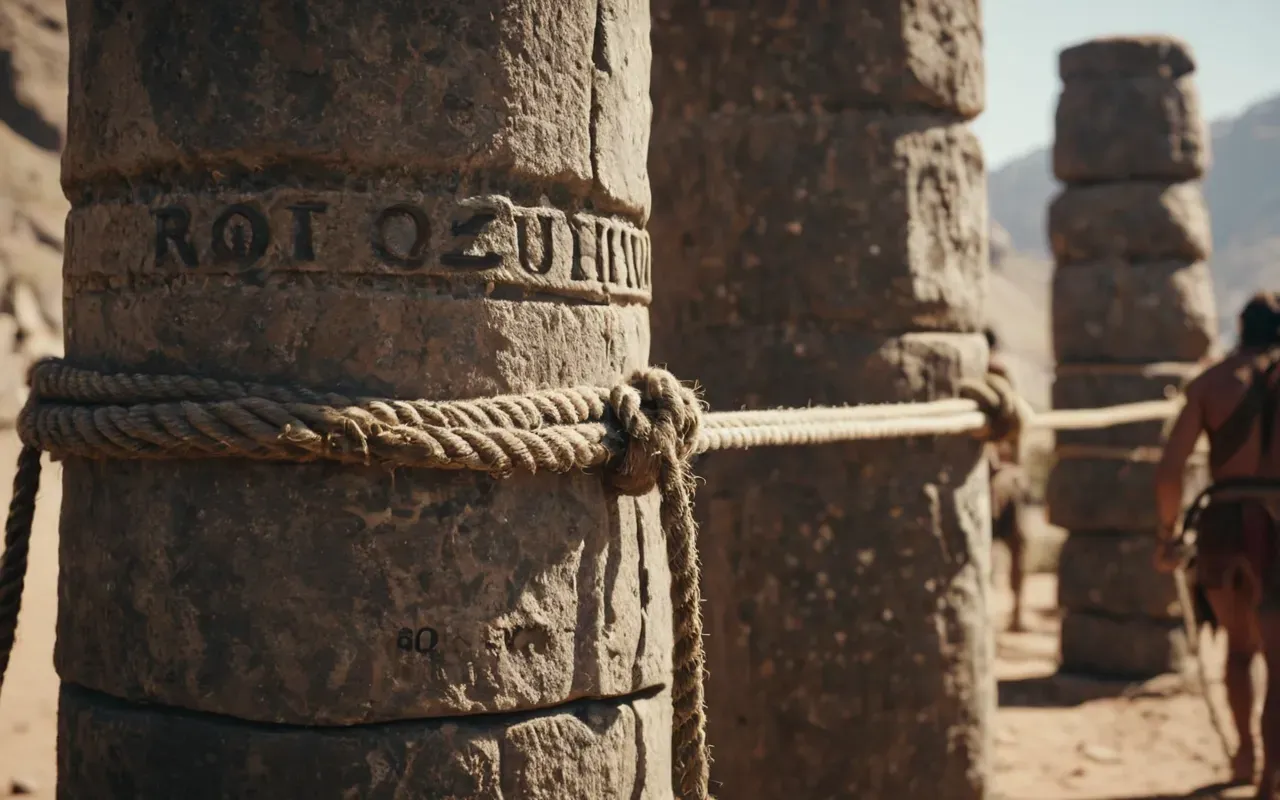
The most striking detail is the coordination. Dozens of figures moving in unison.
They use ropes and wooden levers. The physics are accurate based on modern engineering tests.
This suggests a level of cognitive ability that rivals our own project managers.
We tend to underestimate prehistoric people. The animation forces you to respect their ingenuity.
The transition to agriculture is shown as a response to these building projects. You need surplus food to feed builders.
The Ice Age Connection Nobody Talks About
Aslan highlights the post-Ice Age period. This is key.
The climate shifted rapidly. Wild game became scarce. People had to adapt or die.
Building giant structures was a way to assert control over the environment. It was an act of defiance against nature.
This reframes the site as a survival strategy rather than just a religious one.
Why Visitors Should Watch Before Visiting
Aslan recommends the center before the site. I second that.
Seeing the stones without context is like reading a novel in reverse. The animation provides the plot.
You start to see the engineering marvels instead of just religious symbols.
The Real Purpose Of These Stones Will Shock You
They were not altars. They were anchors for a new social order.
The animation shows the community gathering around them. Not for prayer but for planning.
This is a secular interpretation backed by the logistics of construction.
If you have always assumed these were purely spiritual spaces, you might want to reconsider. The evidence points to practical necessity.
For a deeper look at how modern media gets these stories wrong, see how the history channel missed the real story of these ancient stones.
How This Changes Your View Of Human Progress
We think we are unique in our ability to build. This site proves otherwise.
The capacity for large-scale collaboration is ancient. It predates writing by millennia.
That changes everything about how we define civilization. It is not about technology alone.
It is about the willingness to work together for a shared goal that takes years to achieve.
The virtual center makes this tangible. It moves the story from abstract theory to visible reality.
I left the center with a new respect for those early builders. They were not just surviving. They were creating.