The Ancient Civilization That Built Before Farming Existed
The Timeline We Were All Taught Is Backwards
I still remember the exact moment my university professor dropped that bomb in a lecture hall. He told us civilization started when humans stopped moving and started farming.
It felt so obvious then, didn't it? You build a house, you plant seeds, the village grows into a city. That is the story we are all sold.

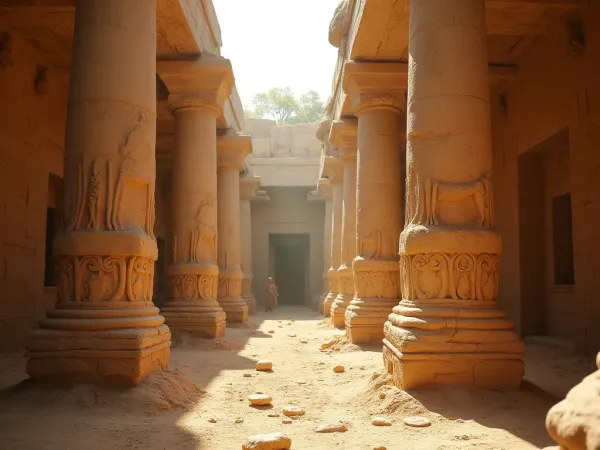
But look at Göbeklitepe. Those massive T shaped pillars are older than the first wheat seeds we ever domesticated in that region.
The Hunter Gatherer Who Raised The Pillars
This is the part that keeps me up at night. People without agriculture, without pottery, and even without metal tools carved those stones.
We used to think you needed a surplus of food before you could afford to build monuments. The evidence says otherwise.
They were nomads or semi-nomadic groups. They had no permanent cities and no tax systems to pay for the labor.
So who did the work? And why would mobile groups spend generations moving multi-ton stones across miles of terrain?
The Missing Agricultural Link In The Story
For decades, archaeologists assumed the temple came first and farming followed as a way to feed the workers.
Recent isotopic analysis of human remains at nearby sites tells a different story. The diet was wild game, not cultivated grain.
Why Mobile Groups Built Permanent Structures
I think the key is social cohesion. These were not just buildings; they were meeting places for scattered bands.
The structure was the anchor, not the result of sedentary life.
Imagine a group that moves with the seasons. They need a reliable place to meet every year for rituals and trade.

The Economic Cost Of Pre-Farming Construction
Moving a single pillar took the strength of dozens or perhaps hundreds of people. It was an enormous collective investment.
Why They Buried The Site Instead Of Destroying It
Here is the weird part. When they were done, they deliberately buried it with tons of soil and debris.
The Social Glue That Bound Nomadic Bands Together
We often view ancient civilizations as top-down empires. But this was a bottom-up collaboration of mobile groups.
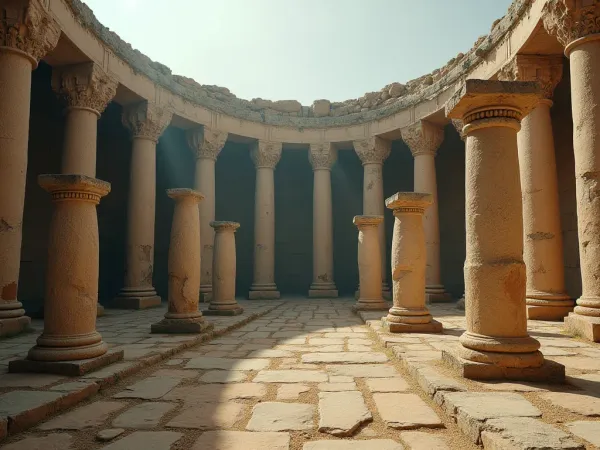
It was less about worship in the traditional sense and more about identity. These were gathering halls, not just temples.
The Ritual Feasting Evidence In The Soil
Excavations found massive quantities of animal bones. They were not just eaten; they were processed for large gatherings.
The scale of the feast suggests hundreds of people gathered at once, which is impossible for a single family group.
This required coordination. Someone had to organize the hunt. Someone had to bring the food from miles away.
Comparing Göbeklitepe With Other Ancient Sites
Look at Karahan Tepe, a similar site nearby. It shows the same pattern of large structures built by non-farming people.
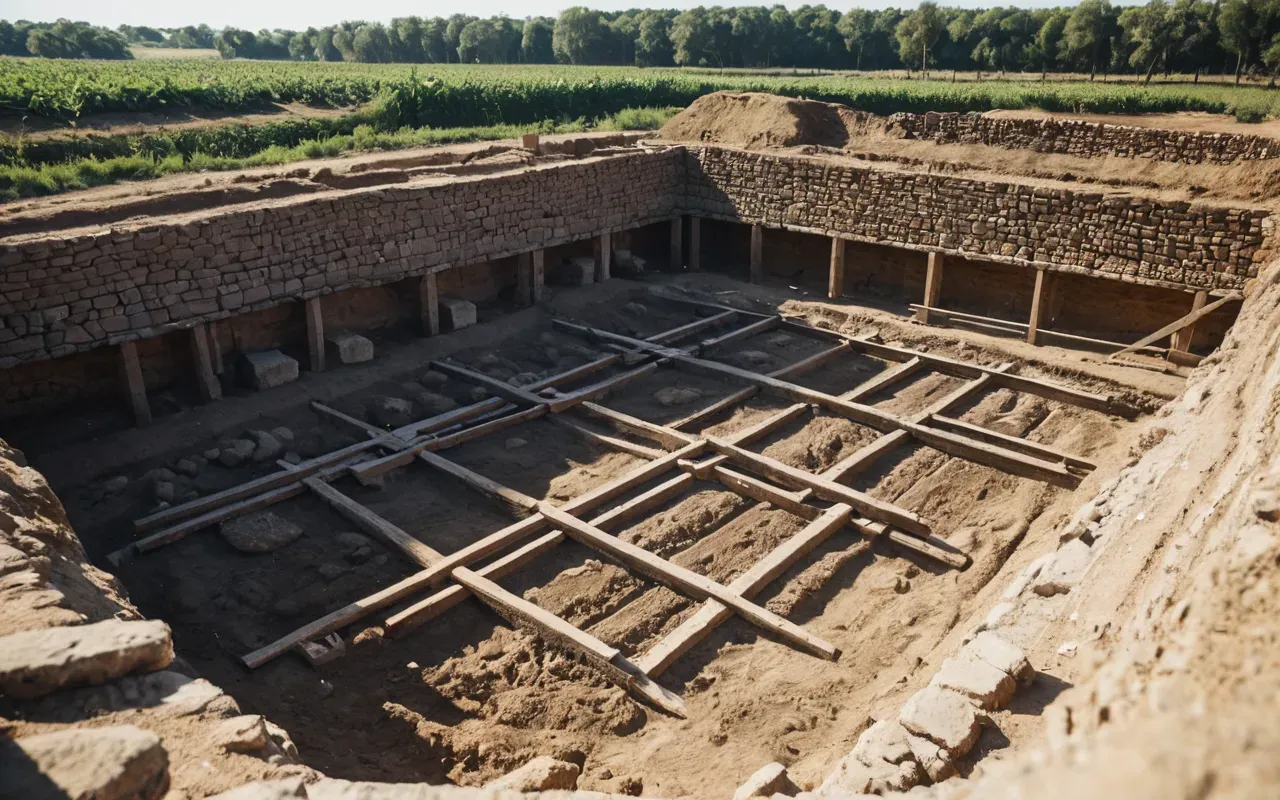
We also see similar timelines at sites like Abu Hureyra. Agriculture appears later, not before the social complex forms.
The Role Of Karahan Tepe In This Narrative
It suggests this was a regional phenomenon, not just one isolated spot. A whole culture of pre-farming builders.
Specific Structural Differences Between The Two Sites
Karahan Tepe has more varied animal carvings. Göbeklitepe focuses heavily on the T-shaped human-like forms.
How This Changes Our View Of Human Agency
We are not passive creatures who just followed nature. We actively chose to build complexity before we had the means.
The ambition was there long before the technology caught up. That is what makes it so remarkable.

This means our ancestors were capable of long-term planning. They thought about their grandchildren, not just today.
The Psychological Impact Of Monuments On Mobile Groups
A permanent structure gives a moving people something to return to. It creates a sense of belonging over generations.
The Evidence Against The Farming First Theory
If farming came first, we would expect to see agricultural tools and storage bins at the earliest layers.

We do not find that. The earliest layers are full of ritual objects and hunting gear, but no farming implements.