Why The Official History Of Göbeklitepe Is Missing The Most Important Part
The Deliberate Burial That Breaks History
We're told these stones were abandoned. That's wrong. The layers of earth sitting on top of them tell a very different story.
Picture it: massive limestone pillars, two decades of work to finish them. Then you fill the pits with dirt and rocks. Why would anyone do that? It makes no sense — until you look at the data.
The standard take is that these communities just left. Moved on, and the structures crumbled under their own weight or the weather. But the evidence doesn't back up a passive decay.
The soil deposits are too uniform. No sign of centuries of rain or wind erosion. It looks like someone shovelled the material in — deliberately, in a coordinated effort.
This is where I part ways with the textbooks. If you read The Ancient Civilization That Built Before Farming Existed, you see how early societies organized labor without kings or written laws.
Burying is an active choice. It takes consensus. It takes strength. And it points to a ritual purpose we still haven't fully figured out.
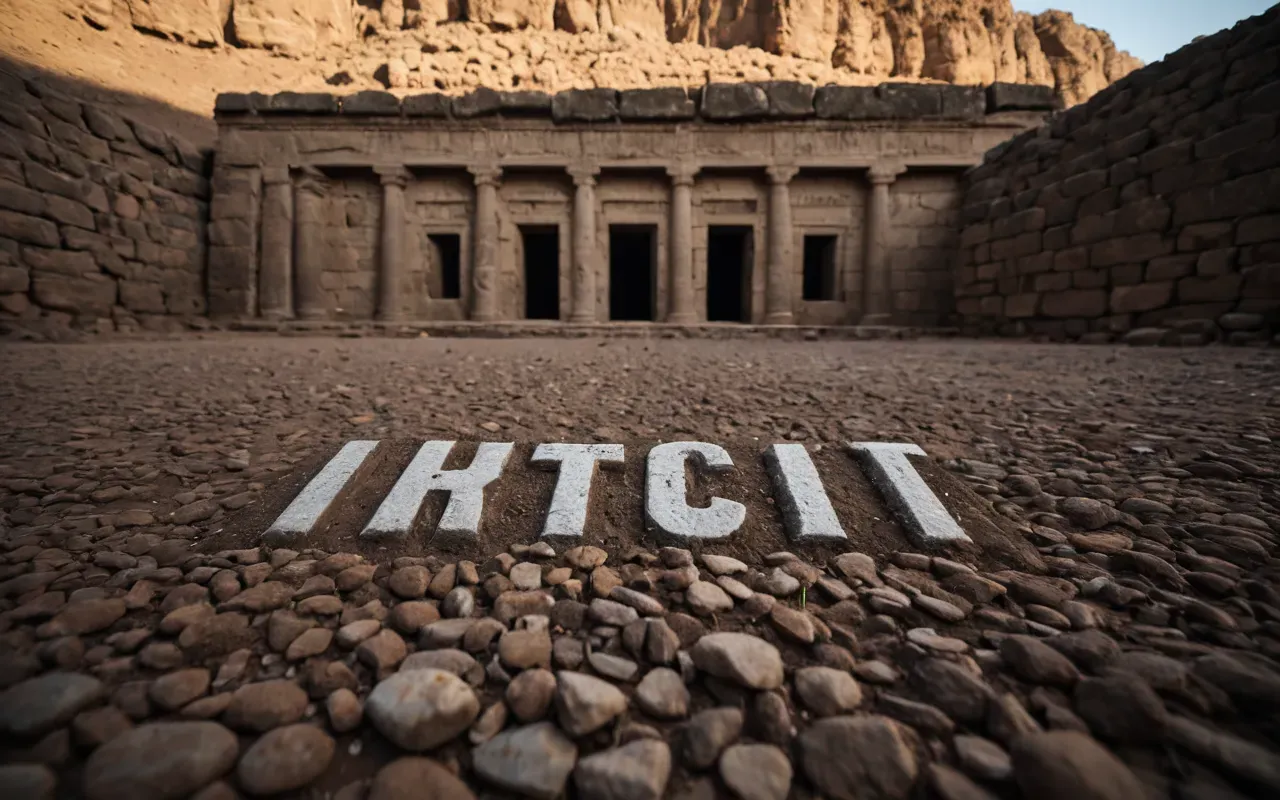
The Missing Piece In The English Narrative
Most English-language sources fixate on the discovery date. They highlight Klaus Schmidt's work from the late nineties. All true, but incomplete.
The narrative stops at excavation. It rarely asks what happened after the site was filled in. That gap leaves us with half a story.
I've read through dozens of academic papers. The burial phase shows up in footnotes, at best. A sentence or two. That's not enough.
Why does this matter? Because the burial reveals a complex social structure. It shows these people had shared beliefs strong enough to override practical needs.
They could have used the space for agriculture. Instead they sealed it off. That prioritizes ritual over survival in a way that feels genuinely alien to us.
If you're interested in how other ancient sites handled similar transitions, The Ancient Fact About Your Own Body That Proves We Are Not Just Farmers But Something Far Older offers a fascinating biological perspective.
The English-speaking world often frames this site as a temple. Convenient label — but it misleads us about the function.
A temple implies a deity and a priesthood. We have evidence for neither here. The T-shaped pillars aren't statues of gods in the traditional sense.
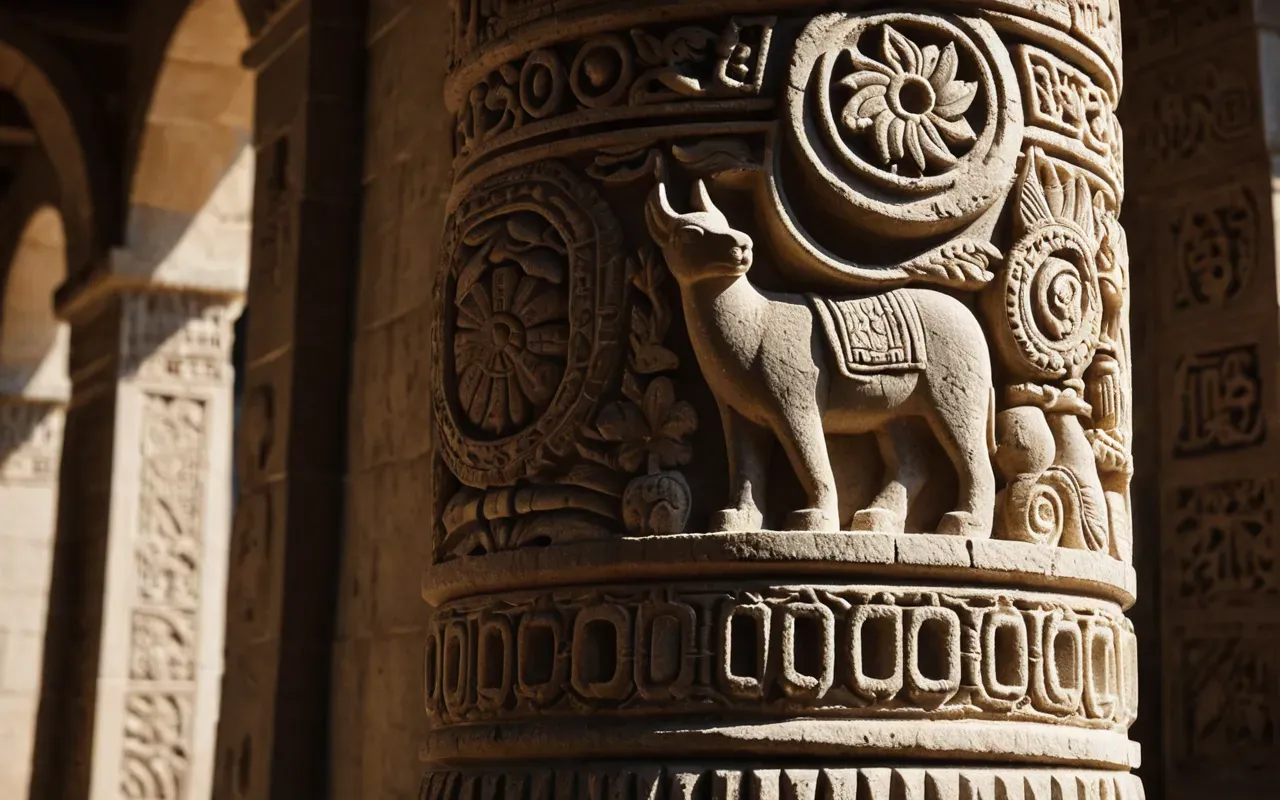
What The Stones Actually Tell Us
Look at the layout. Circular enclosures with two central pillars. That's not random placement. There's a geometry to it.
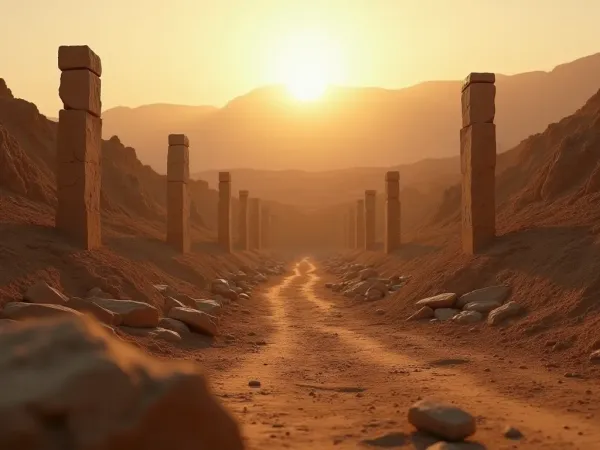
The pillars are massive. Some weigh over ten tons. Moving them required coordinated effort from hundreds of people.
No wheels. No draft animals. Just human muscle and simple tools like antler picks. That level of engineering challenges our assumptions about prehistoric capability.
This is the part I find most compelling. It suggests a society with strong social cohesion and shared goals that transcended individual survival.
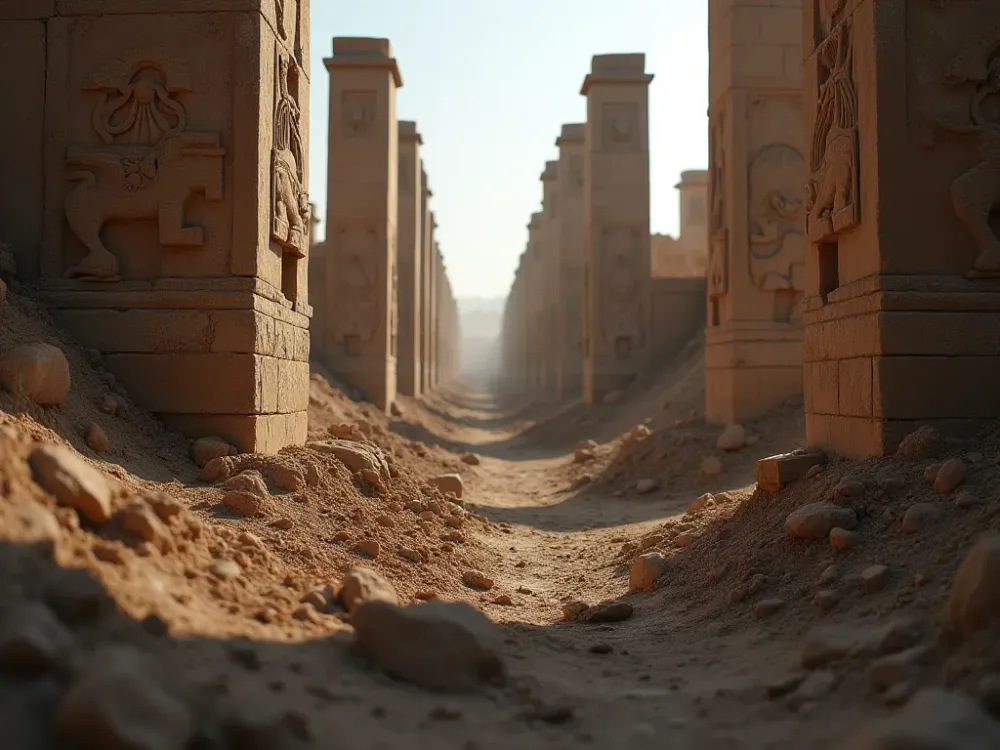
The carvings show vultures. Foxes. Boars. Not just decorative motifs. They likely held symbolic meaning in a belief system we can't fully reconstruct.
Recent studies on similar sites suggest these symbols may have been part of a broader communication network across the region.
That implies trade. Not just of goods but of ideas. A shared cultural language existed before writing was invented.
The burial phase reinforces this. It was a community decision. A collective act of memory preservation.
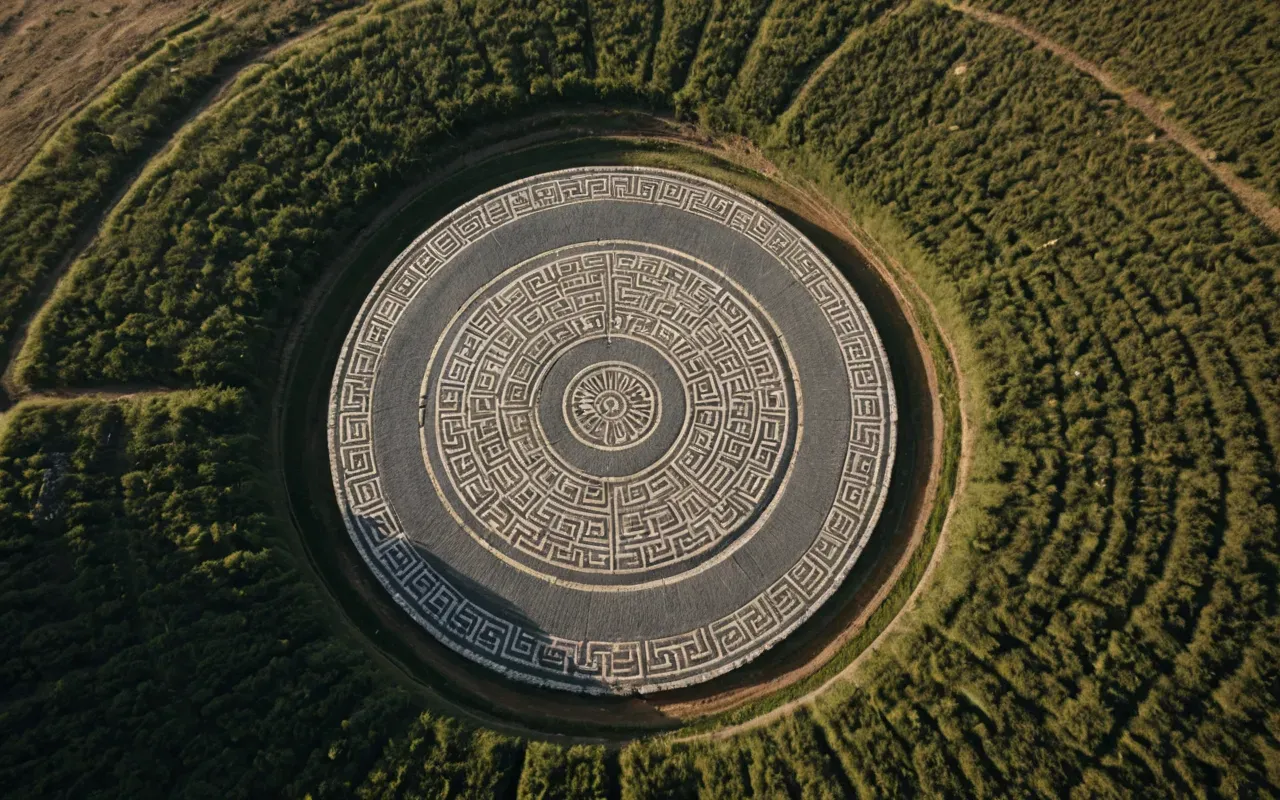
The Role Of Ritual In Prehistory
We often assume religion came after agriculture. The evidence from this site suggests otherwise.
The structures predate farming by thousands of years. That flips the traditional timeline on its head.
If you want to explore this inversion further, The Man Who Dared To Say Religion Came Before Farming provides a deep dive into the archaeological debate.
The burial act itself is a ritual. It transforms the site from a place of gathering to a sacred memory.
This kind of symbolic action is what defines human culture. It goes beyond survival.
Why The Standard Story Falls Short
The standard story is clean. It fits into a linear progression of human development.
Hunter gatherers build simple huts. Farmers build towns. Kings build temples. That's the model we were taught.
This site breaks that chain. It shows complex architecture before the agricultural revolution.
So it forces us to rethink what drives human innovation. Is it technology? Or is it belief?
I believe it's the latter. The drive to create meaning pushes us to build beyond our immediate needs.
The burial of the site is the ultimate act of meaning making. It preserves the past for a future that may never see it.
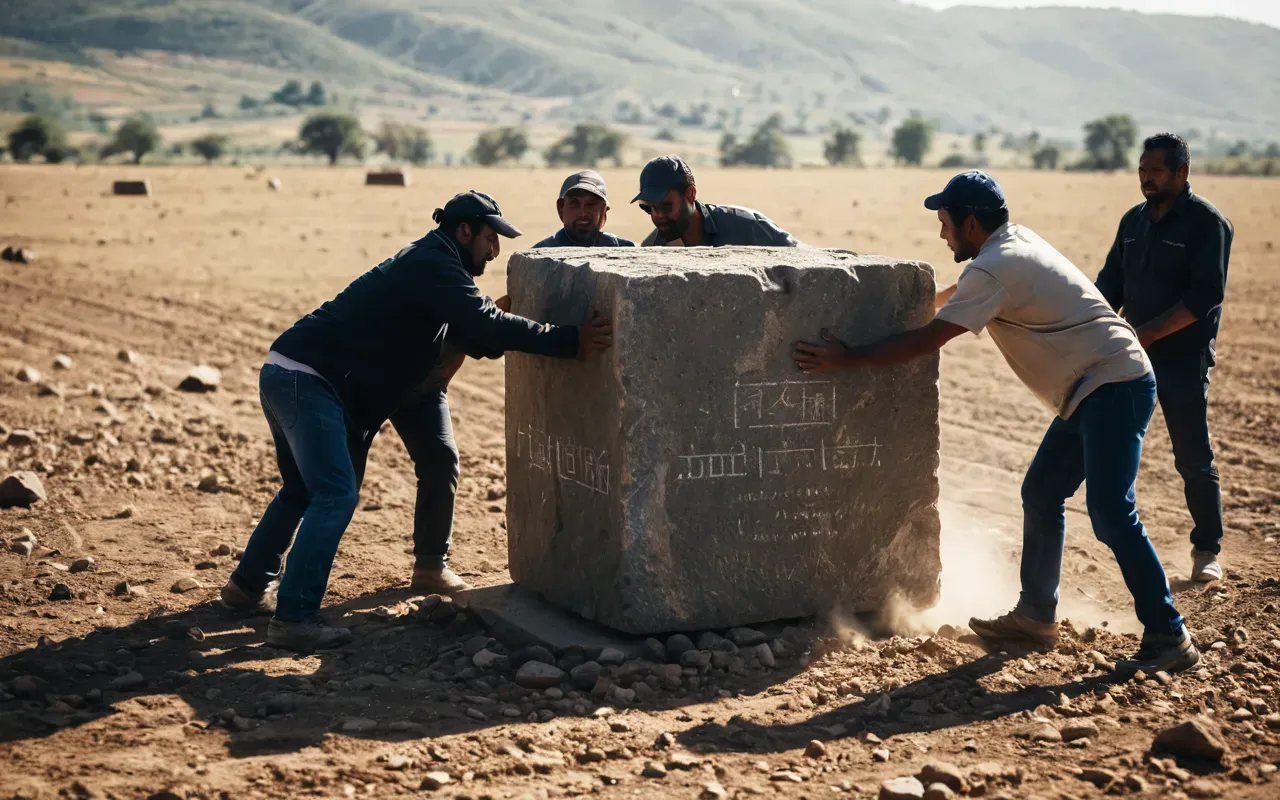
The Evidence We Are Overlooking
Soil samples from the fill layers show a mix of materials that wasn't naturally present nearby.
That suggests the fill material was transported from a distance. Not just local debris.
Why bring in dirt from elsewhere? To cover the stones specifically. This points to a deliberate act of concealment.
Some researchers argue this was a way to honor the site. To protect it from erosion or misuse by other groups.
Others suggest it was a ritual closure. A final act of devotion before the community dispersed.
Both views agree on one thing. The burial wasn't accidental. It was intentional and significant.
This is the part of the history that gets lost in translation. The active choice behind the silence.
Comparing Other Ancient Sites
Few other sites from this period show similar deliberate burial practices.
Most ancient structures collapse naturally. They're found in a state of ruin.
This site was preserved by human hands. That's a unique distinction in prehistoric archaeology.
It stands as a testament to the power of collective intention in early human societies.
What This Means For Our Understanding Of History
We need to update our mental models. The past is more complex than we assumed.
The drive to build and the drive to remember are older than we thought.
This changes how we view human potential. We're not just reactive creatures. We're creators of meaning.
The burial of these structures is a message in time. A silent statement that matters outlive the people who made them.
I think this is the most important lesson from the site. It speaks to our shared humanity across millennia.
Frequently Asked Questions
Why were the structures at this ancient site buried?
The burial was likely a deliberate ritual act to preserve the site's symbolic significance. Evidence shows the fill material was transported specifically for this purpose rather than resulting from natural decay or erosion processes.
How old are the structures at this location?
The structures date back approximately twelve thousand years. This places them in the Pre-Pottery Neolithic period, making them among the oldest known monumental architecture in the world.
What is the main misconception about this site's history?
The main misconception is that the structures were abandoned and collapsed naturally. In reality they were deliberately buried by their creators as a final ritual act before dispersal.