Göbeklitepe Was Not A Temple But A Home And That Changes Everything About Us
The Stone That Broke The Theory
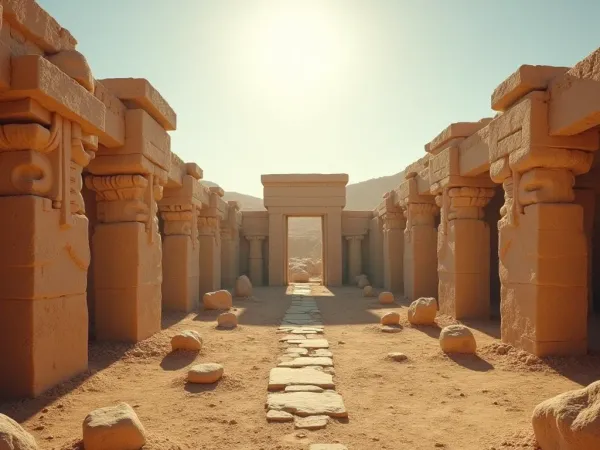
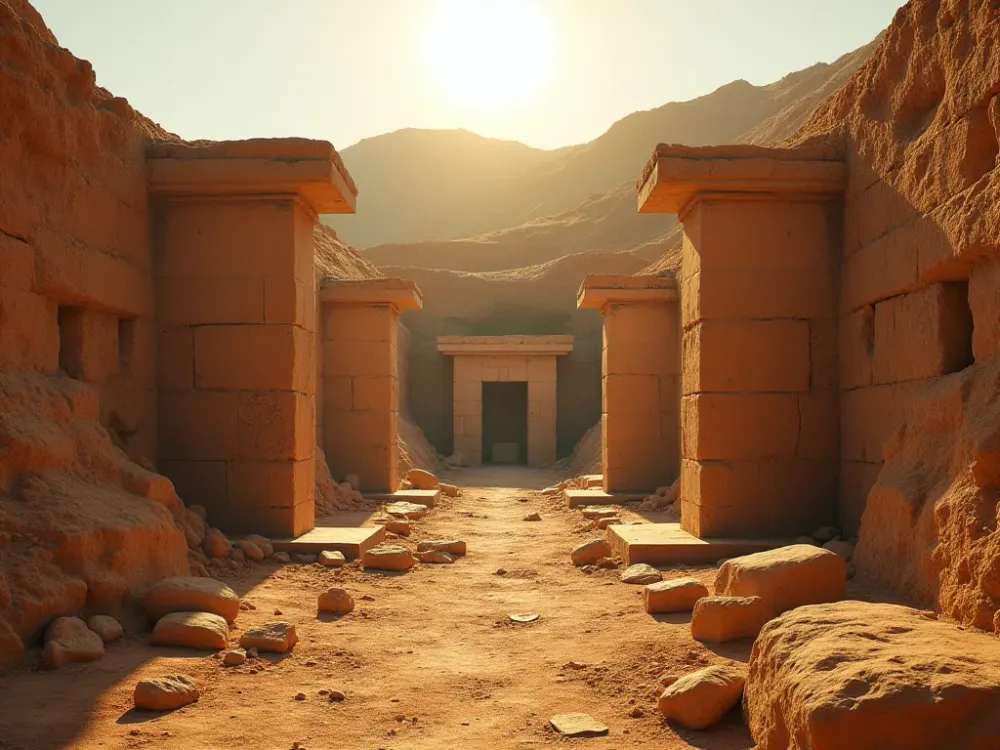
Picture a stone pillar, five meters tall, casting a shadow over you. Dead silent. It's been standing there for eleven thousand years. Easy to assume you're looking at a temple, right?
But what if that assumption is wrong? What if those massive structures weren't built for worship at all? Recent work in Şanlıurfa points somewhere far messier.
The story we've repeated for decades is cracking. Not a small tweak to the timeline — a fundamental shift in how we see human origins.
Why The Temple Label Fails Us Now
For years, scholars called it a sanctuary. People traveled from afar, performed their rituals, went home.
That idea held up because we found no houses. No pottery either. It looked like pure ceremony, nothing else.
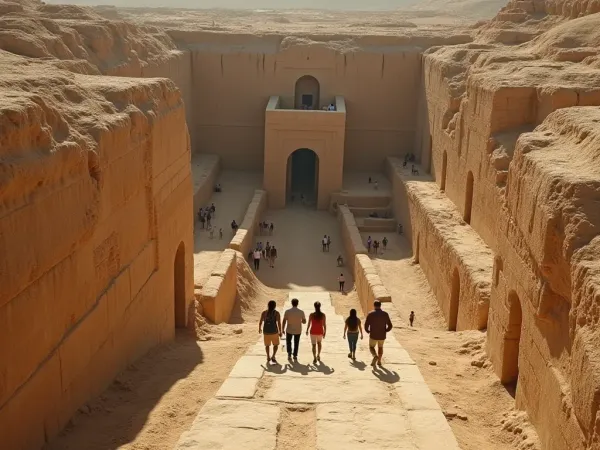
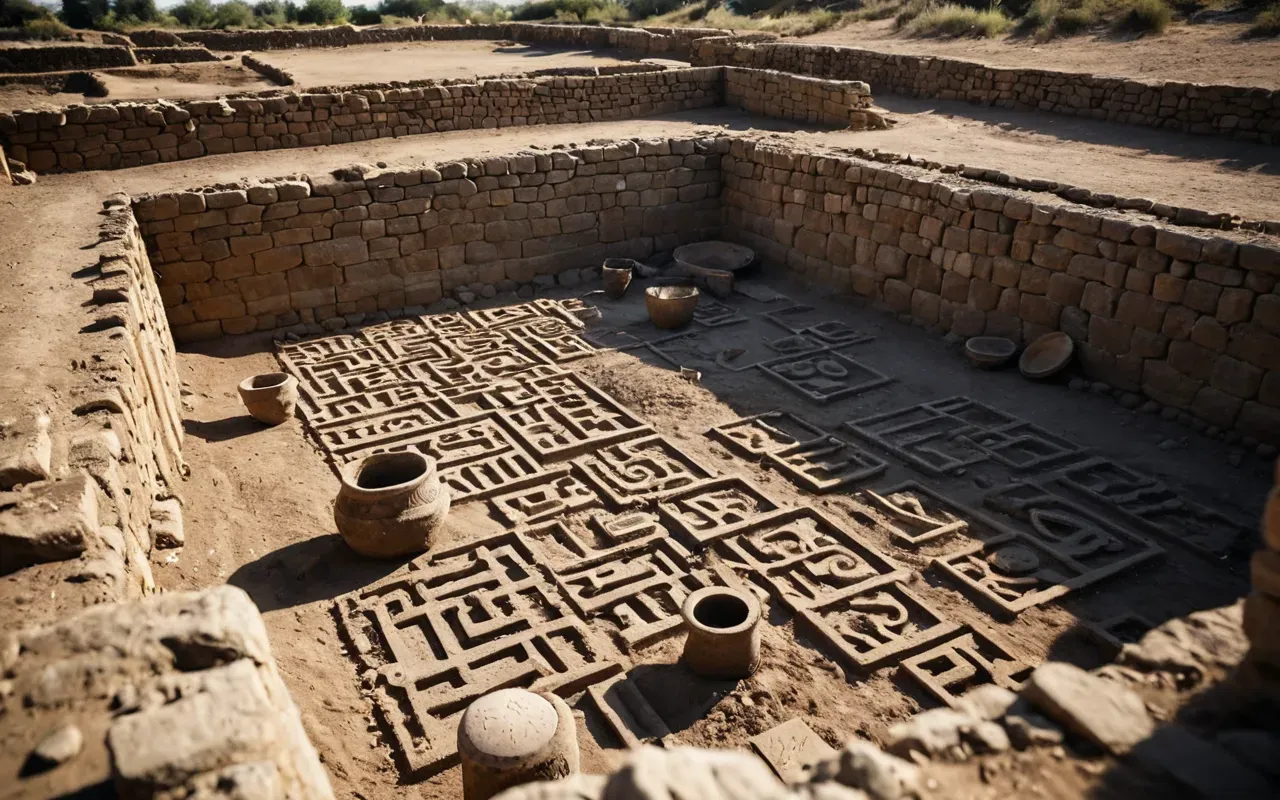
New surveys tell a different story. We're now looking at rectangular layouts sitting near the main circles.
Homes, most likely. Real living spaces where families slept and ate. That's a direct challenge to the "special events only" reading.
The Missing Evidence Of Daily Life
So if people lived here, where are their pots? Where's the food waste?
The missing ceramics are strange. Though honestly, they fit the hunter-gatherer profile perfectly.
Yet now we see signs of permanent habitation. That contradiction sits at the heart of the whole debate.
We're not just looking at a temple anymore. We're looking at a community.
The Man Who Started It All
Klaus Schmidt dug here in the nineties. He believed these people were nomads.
His argument: building a place like this forced them to settle down. It pushed them toward farming.
Brilliant theory. Also incomplete — he missed the residential aspect entirely.
Challenging The Nomad Narrative
So if they lived here, were they fully nomadic? Or did they keep a base camp?
That distinction matters. It reshapes how we read social organization in the Neolithic.
Maybe we're seeing a hybrid society. Part ritual group, part settled village.
That's more complex than any simple label allows. It reflects a transitional era in human development.
What This Means For Your Understanding Of History
You were taught that humans became farmers, then built cities. Standard story.
Göbeklitepe suggests the order may have been reversed. Big structures came first.
Now we add another layer: people lived beside these structures while building them.
The Ripple Effect On Other Sites
If it holds true here, it probably applies elsewhere. Karahantepe might share the same story.
And that pattern could redefine how we interpret similar sites across the region.
A New Framework For Early Settlements
We need a new model. One that blends ritual and domestic life seamlessly.
It isn't about picking one or the other. It's about understanding how they interacted.
The Preservation Work Behind The Scenes
While we argue about the history, engineers are saving it. They reinforce the pillars against earthquakes.
Steel cables now hold these ancient stones in place. A modern intervention, for better or worse.
It ensures the site survives for future generations to study and visit.
Why You Should Care About This Shift
This isn't academic trivia. It changes how we see ourselves.
We're not just products of agriculture. We were builders and believers long before that.
Our ancestors had complex social lives. They raised massive structures while still hunting and gathering.
Looking Ahead To The Next Decade Of Digs
The work is far from over. New tools and techniques will reveal more detail.
Maybe we'll find organic remains that confirm the residential theory. That would be a breakthrough.
Until then, we hold onto this new perspective. It's a more human story.
The Bigger Picture Of Human Origins
Göbeklitepe is a mirror. It reflects our own drive to build and belong.
We're not just consumers of nature. We're creators of meaning and space.
This site proves that even without farms, we had culture. That's a powerful realization.
What Experts Are Saying About The New Data
Scholars are cautious but excited. They see the potential for a rewrite of textbooks.
The data is strong but not yet conclusive. More verification is needed.
Debates Within The Academic Community
Some stick to the temple model. Others embrace the village idea.
That healthy disagreement drives better research and deeper understanding.
How To View This Site Differently Next Time You Visit
So don't just look at the pillars. Imagine the people living nearby.
Think about their daily routines. Their food sources and social bonds.
The Final Thought On This Discovery
Göbeklitepe is not just a ruin. It's a story of human ambition.
It shows we were capable of great things before we had modern tools.
This new angle makes the site even more fascinating — and more relatable to us today.