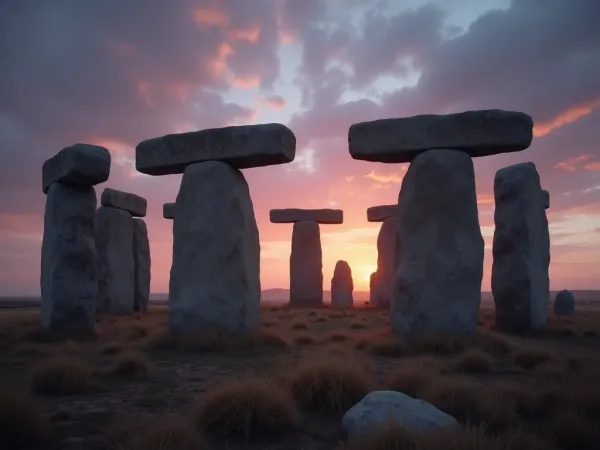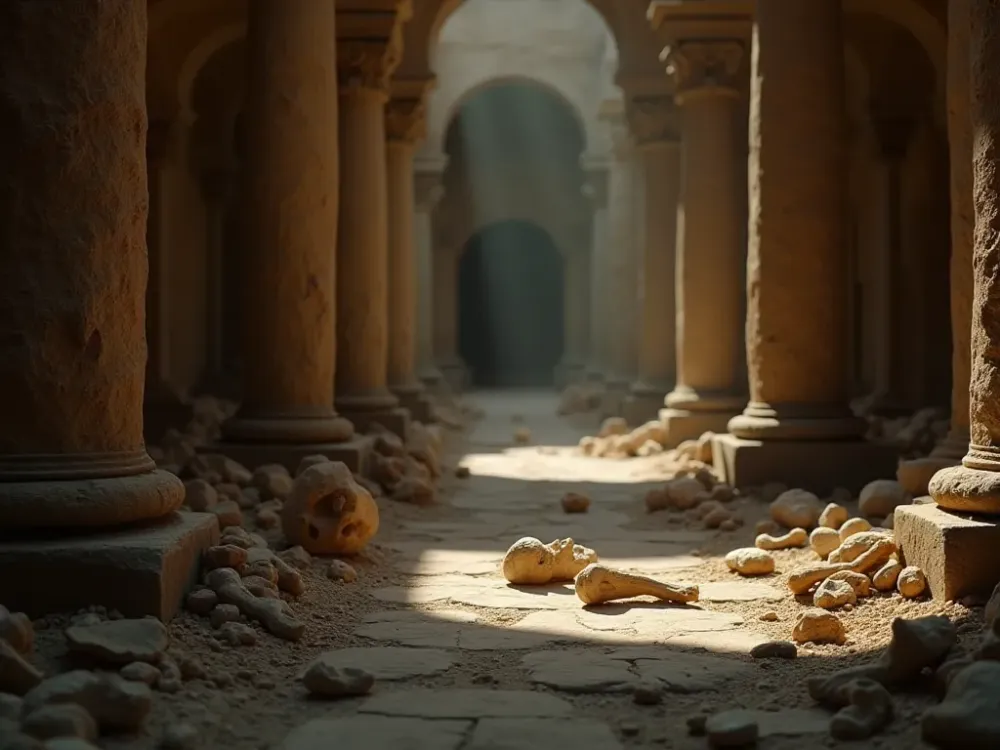
The bones in Göbeklitepe's temple were never put there by hand
The bones in Göbeklitepe's temple were never put there by hand
For thirty years, archaeologists have stared at the scattered human bones inside Göbeklitepe's massive stone enclosures and assumed one thing: ritual. They believed ancient people deliberately placed these remains as part of elaborate ceremonies.
That assumption just collapsed. A new study published in PLOS One on September , , suggests that gravity and erosion did the job instead. The bones didn't end up there by human hands.
They slid down from higher up the settlement mound. This single realization rewrites how we understand death in one of history's most famous places.
I was struck by the simplicity of it. We have built an entire narrative around ritual complexity. Now we are looking at geology.
Why this changes more than people think
Most visitors to Göbeklitepe walk through the monumental structures imagining priestly rites. They picture solemn ceremonies and sacred deposits.
But the new evidence points to something far more mundane yet equally fascinating. Ordinary domestic burials beneath house floors were disrupted by natural forces over millennia.
This isn't a correction. It's an expansion. The site wasn't just a temple. It was a home where people lived and died.
If you've read about how Göbeklitepe was actually a home, this new finding fits perfectly into that growing understanding.
The first burial reveals a family's final rest
Discovered in during construction of a drainage channel, the first burial sat beneath a plaster floor. It contained at least three individuals.
An adult woman aged thirty-five or older. A man between twenty and thirty. An adolescent girl estimated at eleven to fourteen years old.
Their bones had been rearranged within the pit. Skulls gathered in one corner. Long bones aligned along a wall.
The researchers propose this was a collective burial that was reopened multiple times. Earlier occupants were moved aside to make room for new arrivals.
That detail matters enormously. It shows these weren't random deposits. They were deliberate, repeated acts of care.
The second burial tells a different story entirely
Found in and fully excavated only in , this burial held a young adult woman between twenty and thirty years old.
She was placed on her left side in a flexed position, facing east. Much of the skeleton remained in its original anatomical order.
But here's where it gets interesting. The bones were heavily fragmented despite being undisturbed.
Calcareous deposits covered many fragments. Rodent gnawing marks were visible. Soil pressure had broken long bones over thousands of years.
This proves extensive damage can occur naturally while a body remains buried. No human hands needed to scatter these bones.
Ancient landslides explain the scattered remains mystery
Göbeklitepe's monumental buildings sit in a depression surrounded by higher settlement deposits. This makes them vulnerable to material moving downhill.
Over thousands of years, erosion and slope movements carried soil, stones, and human remains from burials above into the structures below.
The researchers compared the new intact skeletons with the fragmented remains from the monuments. The similarities were striking.
Both groups showed extensive fragmentation, calcareous deposits, and evidence of animal activity. This is the smoking gun.
At least some of those scattered bones weren't ritual deposits at all. They were displaced domestic burials.
The skull cult evidence still stands firm
Does this mean there was no ritual practice at all? Absolutely not. The researchers are careful to distinguish between natural and deliberate damage.
Cranial fragments from five individuals show deep incisions. These marks indicate deliberate human modification after death.
Comparable practices exist at other Neolithic sites in the region. At Sefertepe, archaeologists found a chamber with twenty-one human skulls.
At Karahantepe, skull fragments show cutting, scraping, and burning. These weren't accidental damages.
Göbeklitepe's imagery supports this too. Headless human figures and animal sculptures associated with heads suggest symbolic traditions involving the body.
So we have two layers here. Ordinary burials that got moved by nature. And selective ritual treatments of specific individuals.
This discovery reshapes our understanding of Neolithic life
For decades, Göbeklitepe was interpreted primarily as a ritual center. A place for gathering and ceremony.
But recent excavations have revealed domestic buildings and everyday activities. People lived there throughout its occupation.
The presence of burials associated with domestic structures confirms this. It was a settlement where people worked and buried their dead.
Burials beneath house floors were widespread in Neolithic Anatolia and the Levant. This finding places Göbeklitepe firmly within that broader tradition.
If you're interested in how humans built Göbeklitepe before farming, this domestic context adds crucial depth to that story.
The implications for future research are significant
This finding forces archaeologists to reconsider how they interpret scattered remains at other sites.
We need to distinguish between deliberate human treatment and environmental changes over thousands of years more carefully.
Further skeletal analysis and absolute dating will be needed. We must establish when different mortuary practices occurred.
We also need to understand how these practices changed during the settlement's long occupation from around to BC.
This isn't the end of the story. It's the beginning of a more nuanced understanding.
What this means for how we remember ancient people
We tend to romanticize the past. We imagine grand rituals and elaborate ceremonies.
But reality is often more complex and layered than our imaginations allow.
These Neolithic people weren't just ritual specialists. They were families living their lives, caring for their dead in ways that made sense to them.
Sometimes the most profound discoveries aren't about what was done deliberately. They're about understanding how nature and human action interacted over time.
The bones in those monuments tell a story of both care and chance. Of ritual and geology working together across millennia.
And that's a far richer narrative than any simple explanation of ritual deposit could ever provide.