The Real Reason Humans Built Göbeklitepe Before They Learned To Farm
The Farming Myth Is Dead And The Real Story Starts In A Cave
You have been lied to about where we came from. For decades, history textbooks taught that humans first learned to farm and then built cities.
But the stones at Göbeklitepe tell a completely different story. They show that we built monumental structures thousands of years before agriculture existed.
This flips the entire timeline. It suggests that belief and social organization drove human progress, not just survival through food production.
I’ve spent weeks digging into the excavation reports and the debates among archaeologists. The evidence is overwhelming.
The site dates back to roughly BCE. That is more than six thousand years before the first Egyptian pyramid was laid.
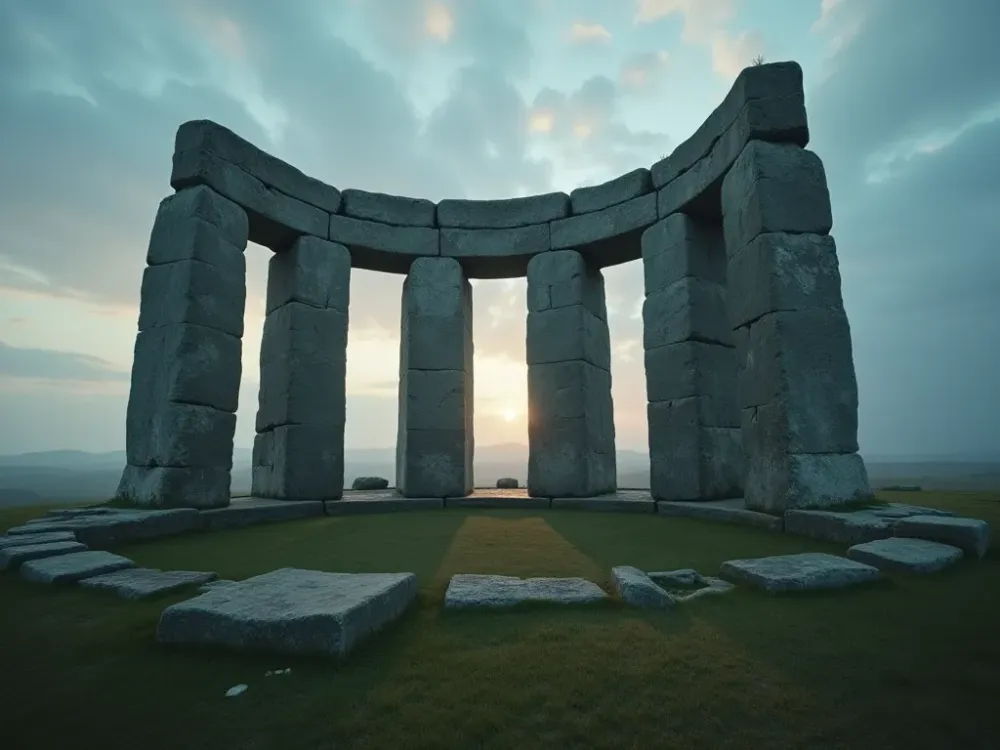
And yet these people had no metal tools. They used flint and bone to shape massive limestone slabs weighing up to ten tons.

Why The T-Shaped Pillars Were Not Just Decorative Columns
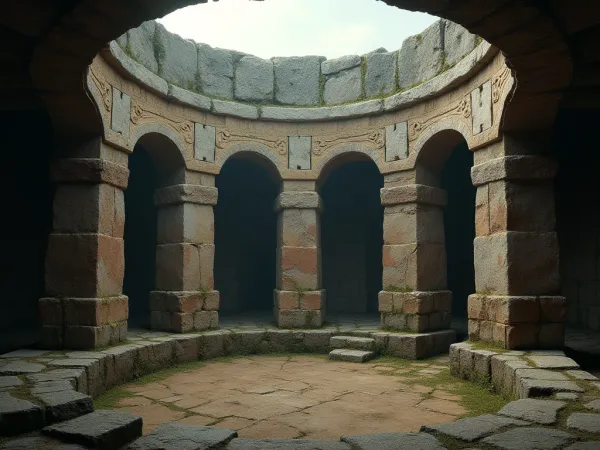
Look at the architecture. The circular enclosures are dominated by T-shaped megaliths that stand up to five meters high.
Most tourists see these as simple pillars. But the carvings on them tell a different tale of identity and ritual.
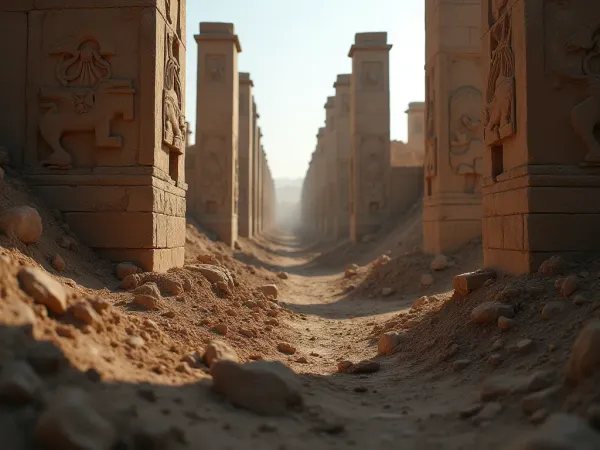
Some pillars have faces with eyes and noses. Others are covered in low-relief animals like foxes and boars.
These weren’t random decorations. They were likely totems representing different clans or groups that gathered here for ceremonies.
If you’re interested in the structural engineering behind these feats, check out the stone age secrets that rewrote history. It explains how they achieved such precision without cranes.

The Sedentary Trap And Why Staying Put Was A Choice Not A Necessity
Here’s the thing. We assume people settled down because they needed to tend crops.
But Göbeklitepe suggests the opposite. People stayed because they wanted to be near their ancestors and rituals.
Farming actually came later as a way to feed the massive crowds that gathered at these sites.
This is a radical idea. It means culture preceded economics in the Neolithic transition.
Scholars like Klaus Schmidt argued this for years. He believed the site was a place of social cohesion.
His work changed how we view the origins of complex societies in southeastern Anatolia.

What The Bones Tell Us About Feasts And Social Hierarchy
Dig deeper into the faunal remains and you see a pattern of large-scale butchery.
Aurochs were the primary food source. Their bones show signs of heavy communal consumption.
This wasn’t just hunting for dinner. It was a display of status and community bonding.
People likely traveled from dozens of kilometers to participate in these events.
The sheer logistics required suggest a complex social network existed long before written records.
The Auroch Connection To Early Trade Routes
Isotopic analysis of the bones reveals that some animals were raised far from the site.
This implies early trade or movement of livestock across regional boundaries.

The Buried Structures And The Cycle Of Deliberate Destruction
One of the most confusing aspects is that the site was buried by its own builders.
Thousands of years later, the stones were covered with soil and debris in a massive effort.
Why would people spend years burying their own monuments? It’s a ritual act of closure.
Scholars believe the community moved on and sealed their past behind stone walls.
How Modern Excavations Uncovered The Layers Of Time
Since the s, excavators have peeled back these layers to reveal distinct phases of construction.
Each layer tells a story of evolving architectural styles and symbolic meanings.

Why This Changes How We Define Civilization Itself
We usually define civilization by cities and writing. But Göbeklitepe challenges that baseline.
If hunter-gatherers can build temples, where does the line between primitive and civilized actually sit?
It forces us to rethink what drives human innovation. Is it technology or shared belief?
The answer is likely a combination of both intertwined in complex ways.
Lessons For Understanding Modern Human Behavior Today
We still gather in large spaces for shared experiences. Whether it’s a concert or a stadium event.
The drive to create shared meaning is as strong now as it was twelve thousand years ago.
Göbeklitepe is a mirror reflecting our deepest social instincts across millennia of time.
Frequently Asked Questions About This Prehistoric Site In Turkey
When was Göbeklitepe first discovered by modern archaeologists?
The site was identified in during a University of Chicago survey. Klaus Schmidt began major excavations in .
Did people live inside the stone circles at Göbeklitepe?
No, there is no direct evidence of permanent housing inside the enclosures. It was primarily a ritual gathering place.
What is the current state of preservation at Göbeklitepe?
The exposed structures are protected by a massive canopy. Unexcavated areas remain covered with soil to prevent erosion.
How does Göbeklitepe compare to other Neolithic sites?
It is unique in the scale of its monoliths and deliberate burial. Other sites like Çatalhöyük show domestic life instead.