The Date On The Stone Is Wrong And It Changes Everything About Human History
The Number Everyone Repeats Is A Guess
I’ve spent the last three years reading just about every major paper on prehistory I could get my hands on. And I keep hitting the same wall. We treat a specific number like it’s carved in granite.
The year 9600 BCE. That’s the standard date we give for the oldest monumental site on this continent. It shows up in textbooks, on museum plaques, in documentaries. Everyone just repeats it.
But here’s the thing I can’t shake. That number isn’t a measurement of stone. It’s an estimate. And it’s based on bone fragments.
Those bones are prone to contamination in ways we barely understood a decade ago. If the carbon dating is off by even two millennia — and that’s entirely possible — everything changes.
Suddenly we stop looking at a strange anomaly and start seeing a fully established society. That’s a huge difference. It rewrites the story.
Why The Bones Lie To Us
Radiocarbon dating is a brilliant tool, don’t get me wrong. It measures the decay of carbon-14 in organic material to figure out its age. The math is sound.
The problem is that bones are like sponges. They absorb carbon from the soil around them for thousands of years after they’re buried. They soak up whatever is in the ground, and that contaminates the sample.
If a piece of bone picks up modern carbon — or older carbon from the sediment — the date jumps. It can be thousands of years off. No one disputes this.
At this specific site, we’re dealing with a time period where atmospheric carbon levels were fluctuating wildly. It wasn’t stable then. Far from it.
We call this the radiocarbon plateau. It makes it incredibly hard to pin down a specific year using bone samples alone. You get a range, not a precise date, and the range is wide.
The Evidence That Pushes The Timeline Backward
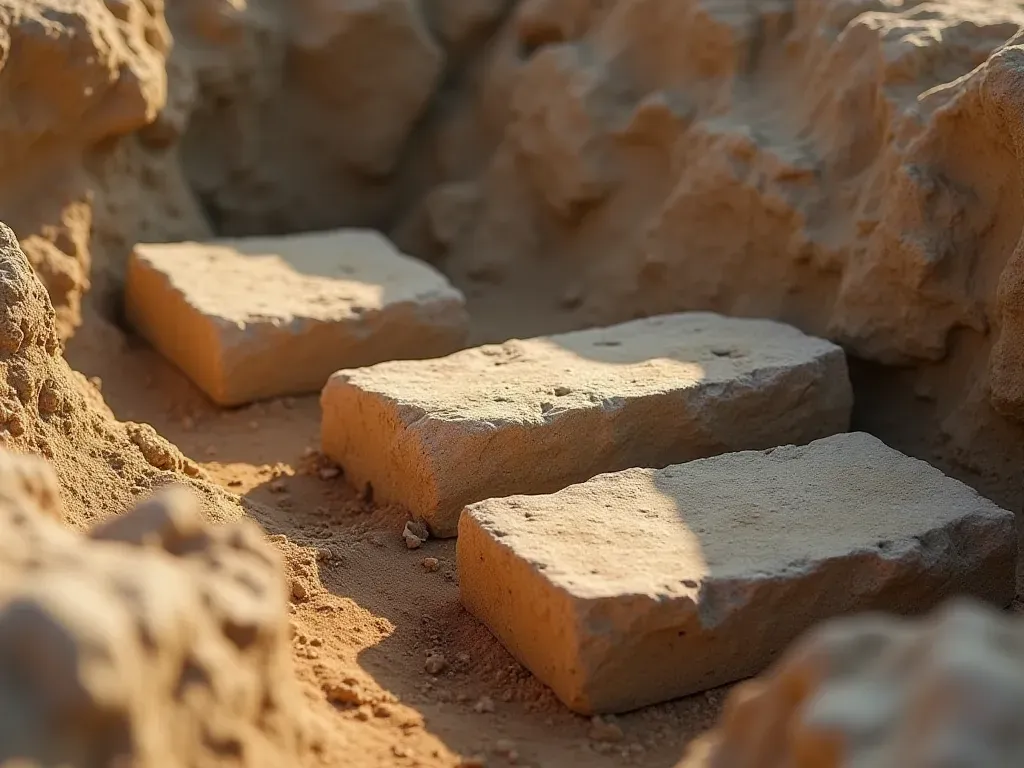
I remember reading a report on the sediment layers near the main structures. The team found charcoal fragments in deeper strata, well below where the bones were recovered.
Those charcoal bits were dated to nearly 14,000 years ago. Fourteen thousand. That’s a massive gap from the standard date we accept today. Massive.
If people were there that early, why did they leave no other trace? Or maybe we just haven’t found it yet. That’s the more likely answer, honestly.
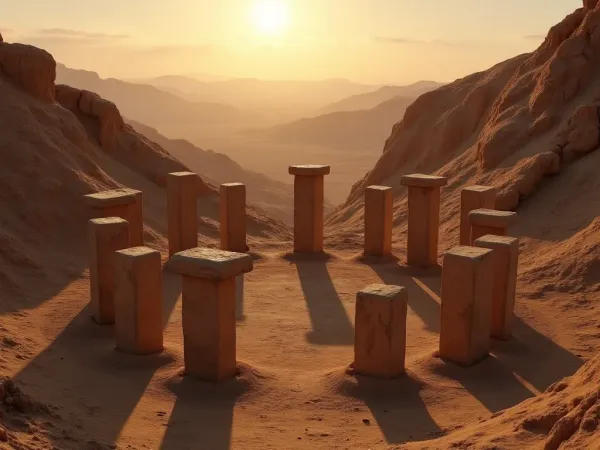
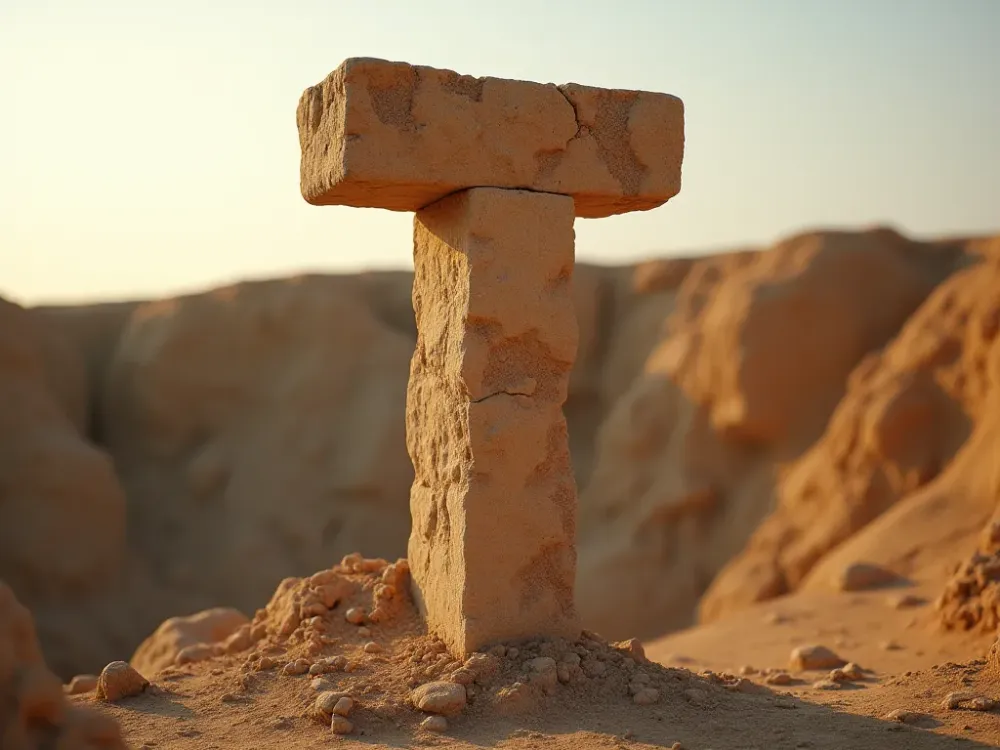
The architecture itself suggests a level of engineering that took generations to master. You don’t build a T-shaped pillar overnight. That’s not how it works.
It implies a long history of experimentation with stone and space that we are currently blind to because our dates are too narrow. We’ve boxed ourselves in with our own numbers.

The Architecture Of Time
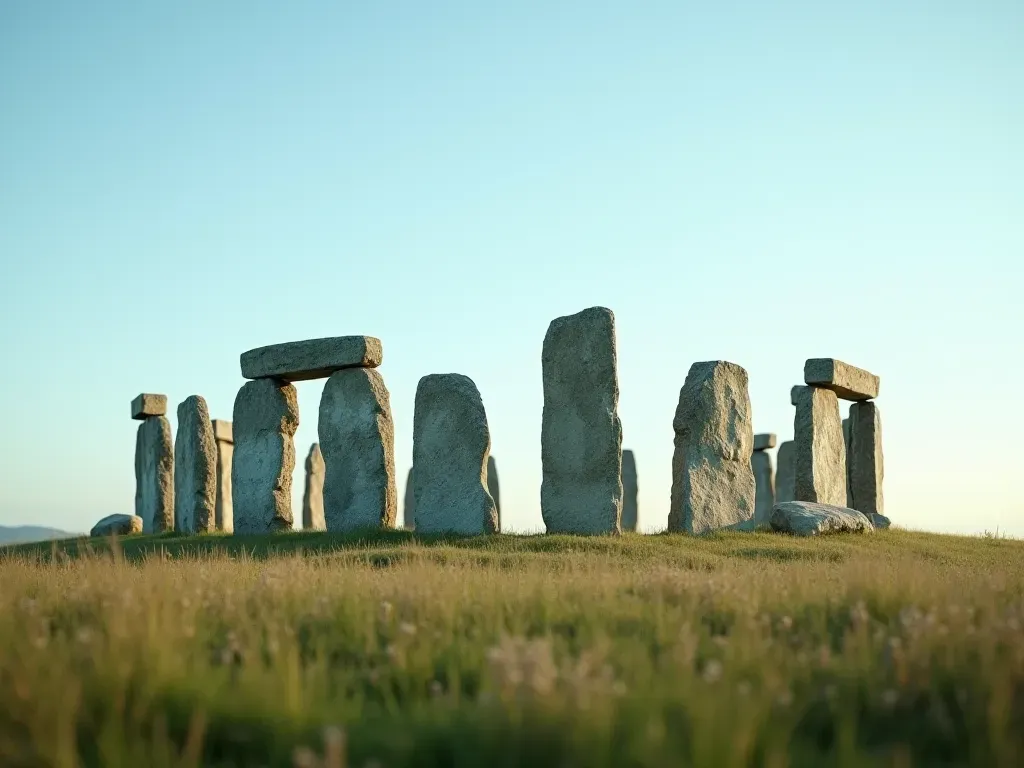
Look at the scale of these structures. We’re talking about pillars that weigh several tons each. Several tons. Think about that for a second.
Moving those stones required a coordinated workforce and precise planning. It was not the work of a scattered band of hunter-gatherers. That’s just not feasible.
It required a culture with deep roots in that specific landscape. A culture that had been there long enough to understand the stone, to know where it came from and how to work it.
The Human Element We Ignore
We often talk about these buildings as if they are empty shells. But these were homes of belief and community. They were alive.
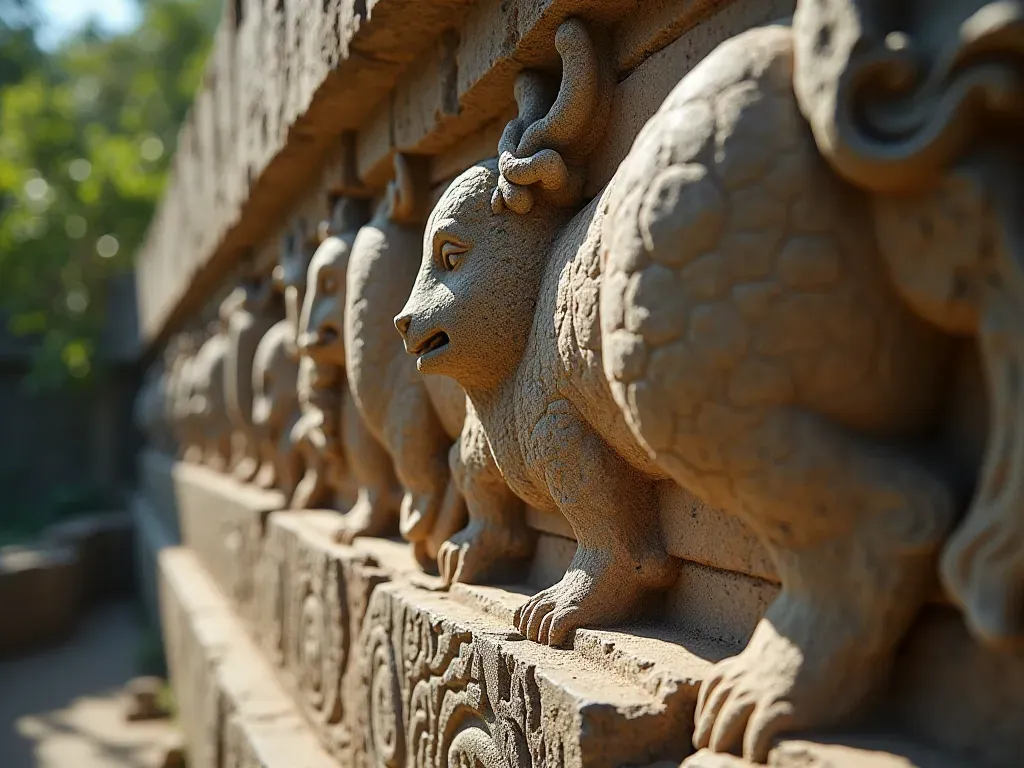
The carvings on the stone are not random. They show a sophisticated understanding of animals and their movements. The artists knew their subjects intimately.
This level of artistic detail takes time to develop. It is a language that was spoken for centuries before the first pillar was raised. You don't just wake up and carve like that.
Why This Matters For Our Understanding Of Belief
If the site is older than we think, it changes when humans started to organize around complex ideas. That’s the real stakes here.
We used to believe that agriculture and farming came first. Then people settled down and built temples later. It made a neat, tidy story.
But if these structures existed before the spread of farming, then belief itself was the driver. Faith built the city. That’s a profound inversion.
This is a radical idea to some people in academia. It suggests that our spiritual needs are older than our economic ones. That’s deeply unsettling to a certain mindset.
I find this deeply compelling. It puts the human heart at the center of history rather than just the stomach. It makes us more than just biological machines.
The Controversy Over The Builders Identity
There is a fierce debate about who actually put these stones in the ground. Some say it was nomads, moving through the landscape seasonally.
Others argue that there must have been a permanent settlement nearby to support such massive projects. We are missing the data. That’s the honest truth.
If we push the date back further, it becomes even harder to explain how a mobile group could manage such logistics. The math gets worse, not better.
This suggests we are looking at the wrong type of society. We need to rethink what a community looked like in that era. Our assumptions are failing us.
The Role Of Social Organization
Building a monumental site requires leadership. Someone had to decide where the pillars go and who does what. That’s not a trivial thing.
This implies a social hierarchy or at least a consensus mechanism that was far more complex than we previously assumed. Either way, it’s complex.
It is not just about moving heavy objects. It is about coordinating the will of hundreds or even thousands of people. That’s the harder part.
What The New Discoveries Tell Us About Our Past
Recent excavations have revealed more structures than we thought existed. The site is much larger and more complex than the initial surveys suggested.
We are finding evidence of feasting and ritualistic gatherings that span a much longer period of time. This wasn’t a one-off event.
This suggests that the site was not just built once and abandoned. It was a living center for centuries or perhaps millennia. It had a long, active life.
The longevity of the site is the real mystery. Why did they keep coming back to this specific spot for so long? What drew them there, generation after generation?
The Impact On The Narrative Of Human Progress
Our textbooks tell a linear story. We start as simple hunter-gatherers and evolve into complex societies over time. It’s a clean upward line.
But if the timeline is wrong, that linear story falls apart. We jump straight into complexity without the gradual steps. There’s no smooth progression.
This is uncomfortable for many scholars because it challenges the very foundation of how we define progress and development. It undermines the whole framework.
It forces us to admit that humans are capable of incredible things much earlier than we ever believed possible. That’s a hard pill to swallow.
Rethinking The Definition Of Civilization
We usually define civilization by writing and cities. But these people had neither when they built their first structures. They defy our categories.
They had art and architecture and social bonds. Maybe that is the true marker of a civilized society. Maybe we’ve had it backwards all along.
If we shift our definition to include these elements, then this ancient site becomes the true starting point of our story. Not a footnote, but the beginning.
Frequently Asked Questions
Why is the dating of this site so controversial?
The dates rely on radiocarbon samples from bone and charcoal. These materials are prone to contamination by modern carbon in the soil. That’s a known problem.
How much older could the site actually be?
Some evidence suggests it could be up to two or three thousand years older than the current accepted date of 9600 BCE. We’re not talking about a small adjustment.
Who built these massive structures?
It is likely a coordinated group of early humans who had developed complex social organization and engineering skills over generations. They weren’t beginners.
What evidence supports the older timeline?
Charcoal fragments found in deeper sediment layers and the sheer scale of the architecture imply a longer history than current dates show. The evidence is there. We just need to look.