The History Channel Missed This One Detail About Göbeklitepe
The Spectacle Trap in Modern Documentaries
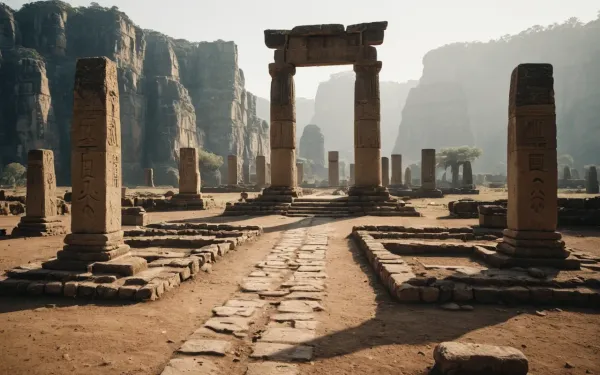
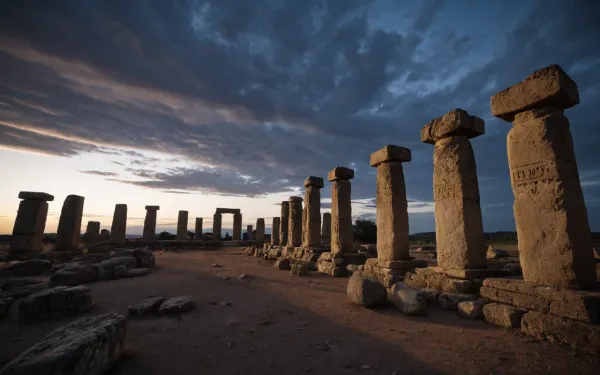
You switch on the TV expecting a dry lecture. Instead you get thunderous music and sweeping drone shots of massive T-shaped pillars rising from the earth. The narrator’s voice drops an octave to deliver the line that sells millions of ad copies: this place was built by aliens or a lost super-advanced civilization because hunter-gatherers could not possibly have done it.
I have watched these programs dozens of times. They are visually stunning but intellectually shallow. The problem is not the visuals. It is the narrative framework that wraps those visuals in a blanket of mystery rather than material evidence. When you search for Göbeklitepe history channel clips online, you find thousands of hours of content promising secrets. Most of those secrets are recycled tropes from pseudoscience forums.
Here is the thing. We do not need aliens to explain Göbeklitepe. And we certainly do not need a lost advanced civilization that vanished without leaving pottery or metal tools. What we have instead is something far more impressive and much harder for television producers to dramatize: ordinary people doing extraordinary things with stone and social organization.
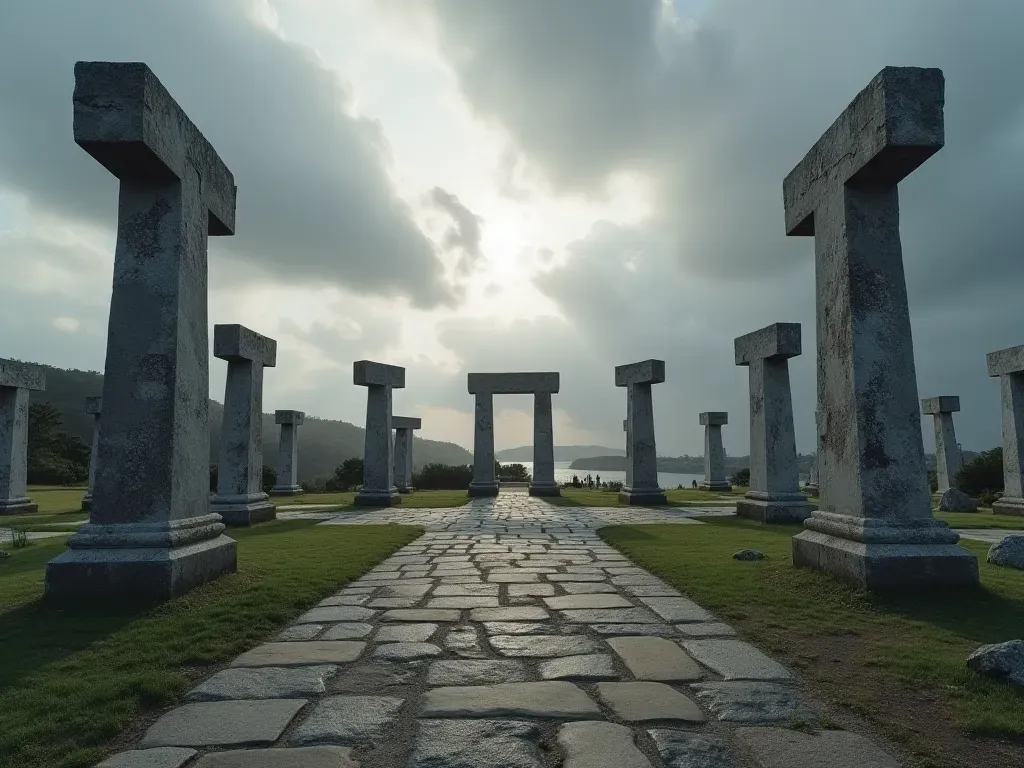
Klaus Schmidt Saw What The Cameras Missed
To understand what the media gets wrong you have to look at who was actually digging. Klaus Schmidt led excavations here for nearly two decades before his death in 2014. He did not see evidence of a high-tech society collapsing into ruin. He saw a ritual center used by mobile groups over thousands of years.
Schmidt argued that religion came before agriculture. This idea alone shook the academic world to its core. Traditional history taught us that farming led to surplus which led to cities which led to temples. Göbeklitepe flips that script completely. These people built monumental architecture first and then perhaps developed settled life later.
Documentaries rarely explain this nuance. They prefer the shock value of 'impossible builders.' But if you read Schmidt’s actual publications you see a different story emerging from the dirt every day. It is a story about social cohesion and shared belief systems enabling large-scale labor without coercive state power.
If you want to dig deeper into his methodology check out how experts are pedaling past myths to uncover the real Klaus Schmidt legacy at Gobeklitepe. It shows why context matters more than camera angles when interpreting ancient sites.
The Illusion of Advanced Technology
Let us talk about the tools. Critics and sensationalists often claim that Neolithic people lacked the means to move ten-ton stones. They forget basic physics and human ingenuity. You do not need steel chisels or cranes to quarry limestone on this plateau.
The rock at Göbeklitepe is relatively soft compared to granite. Early humans used harder stones as hammers and wooden wedges that expanded when wet to split larger blocks. It takes time yes but it does not take magic or lost technology. We see similar techniques still in use today among traditional craftspeople.
The real engineering marvel was not moving the stone itself. It was organizing hundreds of people to work together without paychecks or police forces forcing them along. That requires a different kind of power: ideological commitment.
Why Burial Is Not Destruction But Respect
One of the most misunderstood aspects of Göbeklitepe is its deliberate backfilling. Around nine thousand BC people started covering these temples with tons of soil and debris. Pop history channels often frame this as hiding something or a catastrophic abandonment.
That interpretation misses the cultural context entirely. In many ancient cultures burying sacred spaces was a ritual act of closure or preservation. It signified respect for what had been built and perhaps a transition in religious practice rather than fear of invasion.
Think about it. Why would you go to the effort of carefully placing stones and dirt over a perfectly good structure if you were running away? You leave things in haste when fleeing danger. This looks like planning.
For a more detailed look at this process read why why was Göbeklitepe intentionally buried after one thousand five hundred years on our sister site. The evidence points to ritualistic behavior not panic.
The Animal Symbols Were Not Alien Messages
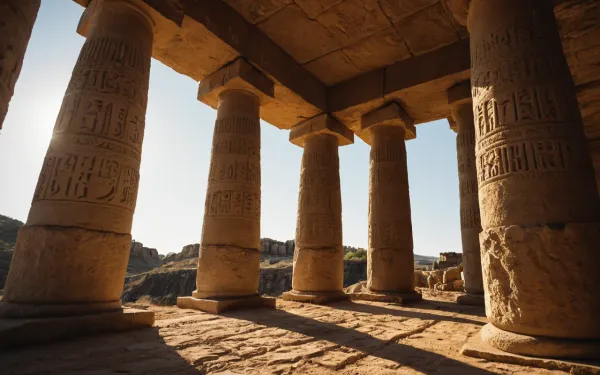
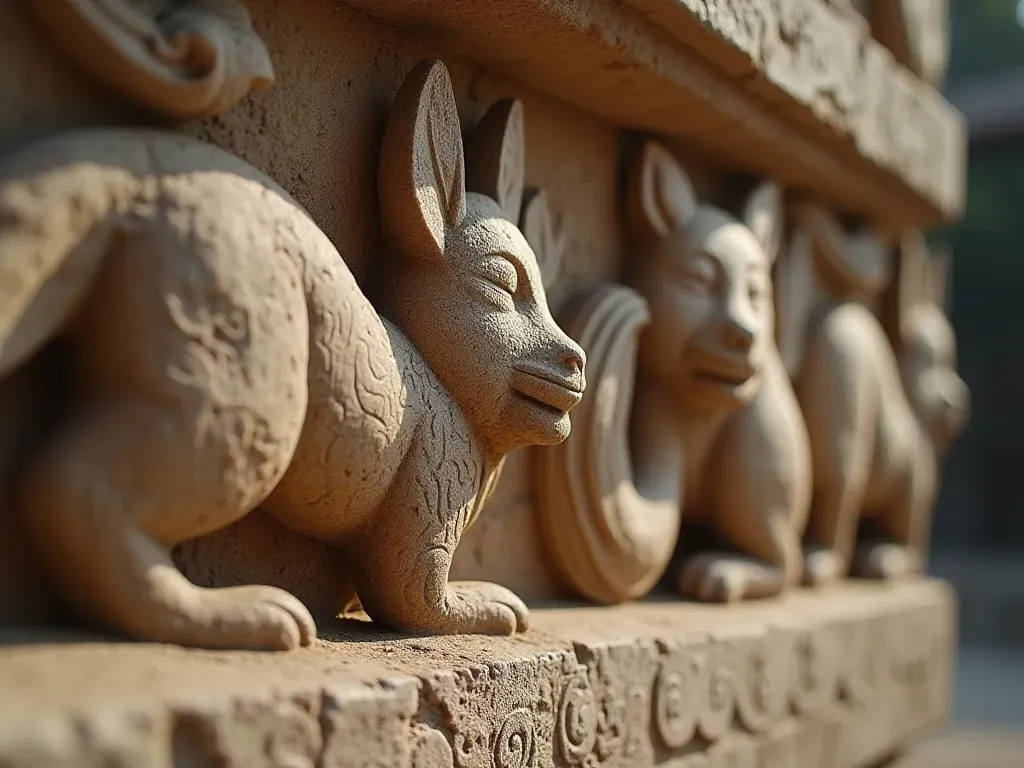
Look at the reliefs on those pillars. You see birds foxes boars snakes and cranes floating in space above them. Conspiracy theorists love to claim these are maps of constellations or messages from extraterrestrials trying to communicate with us.
This is a lazy interpretation that ignores local fauna. These animals lived right there on the Anatolian plateau ten thousand years ago. They were part of daily life and likely held symbolic importance within hunting or spiritual traditions.
The crane relief for instance appears in multiple structures. Cranes migrate through this region annually today just as they did then. Their arrival could have marked seasonal gatherings which aligns perfectly with the idea of Göbeklitepe as a meeting place.
When documentaries jump straight to astronomy they miss the terrestrial connection. These were people grounded in their environment watching real animals move across real landscapes not decoding alien star charts.
The Feasting Evidence Changes Everything
Archaeologists found massive amounts of animal bones at the site. Thousands upon thousands of them mostly from wild boar and deer. This suggests huge feasts took place here regularly bringing people together for communal meals.
Feasting is a powerful social glue. It builds trust creates alliances and reinforces group identity without needing written laws or standing armies. This explains how diverse groups could coordinate labor for such massive construction projects.
Most viewers never hear about the pottery shards or grinding stones found alongside the pillars. Those items tell us that food preparation was central to whatever happened here. It was not just prayer; it was participation through shared consumption.
If you are curious about the specifics of these meals check out the rituals performed at Göbekletepe feasting hunting or worship. The details reveal a complex social fabric.
Understanding Scale Without State Power
We assume that big buildings require kings or emperors. Göbeklitepe proves that assumption wrong again and again for modern audiences. No palaces exist here no royal tombs with gold masks just circles of stone.
This challenges our entire definition of civilization. We tend to equate complexity with hierarchy but these people achieved monumental scale through egalitarian cooperation driven by belief rather than force.
It forces us to rethink what makes humans unique. Maybe our defining trait is not domination but the ability to imagine shared futures and work toward them collectively across vast distances.
What The History Channel Gets Fundamentally Wrong
The main issue with popular coverage is the lack of chronological context. They present Göbeklitepe as an isolated anomaly rather than part of a broader cultural shift happening across Southeastern Anatolia.
Sites like Karahan Tepe and Nevalı Çori show similar features nearby. This indicates a regional phenomenon not a single mysterious event. When you look at the bigger picture the mystery dissolves into understandable human behavior.
For a deeper critique of these narratives visit why history channel narratives about gobeklitepe are fundamentally wrong two. It breaks down the specific claims made in recent broadcasts.
Another common error involves dating methods. Critics often dismiss radiocarbon dates as unreliable without understanding the calibration curves used today. The science behind placing these structures at twelve thousand years old is robust.
The Problem With Lost Civilizations
Why do we love the lost civilization angle so much? It flatters our ego to think that modern society is fragile and prone to collapse. But it also insults the intelligence of prehistoric people by denying them agency.
These were not confused primitives stumbling blindly into greatness. They made deliberate choices about where to build what to carve and when to cover it up. Their actions had meaning within their own cultural framework.
Attributing their achievements to outside help strips them of that dignity. It turns vibrant human history into a hollow shell waiting for us to fill with our own fantasies.
Climate Change Connections Ignored By TV
Recent research links the abandonment of Göbeklitepe to severe droughts around ten thousand BC. This environmental stress likely pushed communities toward agricultural experimentation as a survival strategy.
Television shows rarely mention climate data because it is boring compared to aliens. Yet this connection helps explain why farming emerged when it did and where.
Understanding these environmental pressures gives us a clearer picture of human adaptability. We are not separate from nature; we respond to it creatively even in deep crisis.
Preservation Issues Get Little Airtime
Today the site faces real threats from tourism and weathering. Protective structures cover parts of it but debates continue about how much intervention is appropriate without altering authenticity.
You can learn more about these ongoing efforts in preservation challenges protecting gobeklitepe from climate change and tourism pressure. The balance between access and conservation is delicate.
Ignoring these practical realities makes the story feel disconnected from present concerns. We need to care about preserving this heritage for future generations not just consume it as entertainment.

The Role Of Symbolism In Governance
Before writing systems existed symbols carried immense weight. The recurring motifs at Göbeklitepe may have functioned as a form of proto-writing or shared language facilitating communication between different groups.
This idea challenges the notion that literacy is required for complex administration. Visual cues and shared iconography can coordinate behavior effectively without alphabets.
Exploring the role of writing systems in early governance offers insights into how societies organized before formal texts appeared.
Misinterpretation Of Carbon Dating Claims
Some critics argue that carbon dates are too old to be true. They point out potential contamination issues or methodological flaws without engaging with the actual calibration processes used by labs.
These objections often stem from ideological bias rather than scientific skepticism. The dates align with stratigraphic evidence and other regional findings making them highly credible.
Read about controversies surrounding carbon dating and claims of twelve thousand BC origins for a balanced view on this debate.
The Concrete Controversy Explained Simply
Rumors spread online that archaeologists poured concrete on the site destroying evidence. This claim lacks any factual basis despite being repeated frequently across social media platforms.
Conservation techniques involve stabilizing fragile stones not encasing them permanently in cement. Proper documentation occurs before any physical intervention takes place.
Check they poured concrete on the worlds oldest temple and no one is talking about it to see how misinformation spreads quickly without verification.
Small Finds Tell Bigger Stories Often Overlooked
While big pillars grab headlines tiny items like antelope teeth or small stones provide crucial context about daily activities and trade networks.
These humble objects reveal connections to distant regions showing that Göbeklitepe was part of a wider exchange system not an isolated island.
Discover how tiny antelope teeth just rewrote the history of early human survival and why small details matter immensely.
The Invisible Barrier To Understanding Change
Sometimes our own mental models prevent us from accepting new data. We expect linear progress but human history jumps loops back and evolves in unexpected directions.
Recognizing this helps us appreciate Göbeklitepe for what it is: a testament to human creativity under constraint not a puzzle piece from another dimension.
Explore the invisible wall that stopped human evolution for thousands of years to understand biological factors shaping culture.
Storytelling Artifacts Break Chronology Norms
New finds suggest symbolic expression predates many assumed milestones. This pushes back the timeline for abstract thought and narrative construction significantly.
It means our ancestors were thinking deeply about existence much earlier than textbooks usually admit.
See three tiny stones just broke the timeline of human storytelling and nobody is talking about it for more examples.
Secrets Hidden In Plain Sight At Excavations
Archaeologists share findings openly in peer-reviewed journals yet public perception lags behind. This gap allows myths to flourish unchecked.
Bridging that divide requires better science communication and less reliance on sensational hooks.
Read why archaeologists are secretly hiding the truth about gobeklitepe to see how conspiracy theories exploit uncertainty.
Aerial Views Reveal Engineering Constraints Clearly
Drone footage shows terrain limitations that ground-level views obscure. Understanding topography explains construction choices better than speculation does.
It demonstrates practical problem-solving rather than mystical knowledge.
Travel Practicalities For Modern Visitors Today
Planning a trip requires knowing current regulations and weather patterns. Respect for local communities is essential during visits.
Use visiting gobeklitepe today practical guide for US travelers to prepare adequately.
New Stones Rewire Our Cognitive Timelines Drastically
Each new discovery pushes boundaries of what we thought possible. This constant updating is exciting not threatening.
Embrace the changing narrative instead of clinging to outdated dogma.
Religion Preceding Settlement Rewrites Urban Evolution
Settlements formed around sacred centers not just resources. This inversion changes how we model city formation.
How does Göbeklitepe change our understanding of early religion explores these implications thoroughly.
Frequently Asked Questions
Why is the History Channel criticized for its Göbeklitepe coverage?
Critics argue that popular documentaries prioritize sensational narratives over archaeological evidence. They often suggest impossible origins like lost advanced civilizations while ignoring mundane explanations such as social organization and ritual feasting which explain the construction adequately.
How did people build Göbeklitepe without metal tools?
Builders used stone hammers and wooden wedges to quarry the local limestone. The rock is relatively soft allowing extraction through persistent labor rather than advanced technology. Physics principles like leverage also helped move heavy blocks without machinery.