Why The Amazon Was Never Wild And This New Discovery Proves It Completely
The Jungle That Was Never Wild
We were taught the Amazon was a pristine wilderness. Untouched. Silent. But that story just collapsed.
A new study in Nature reveals a civilization so vast it defies logic. The Aquiry people lived here two millennia ago.
They built monuments without metal tools. They shaped the landscape with their bare hands and ingenuity.
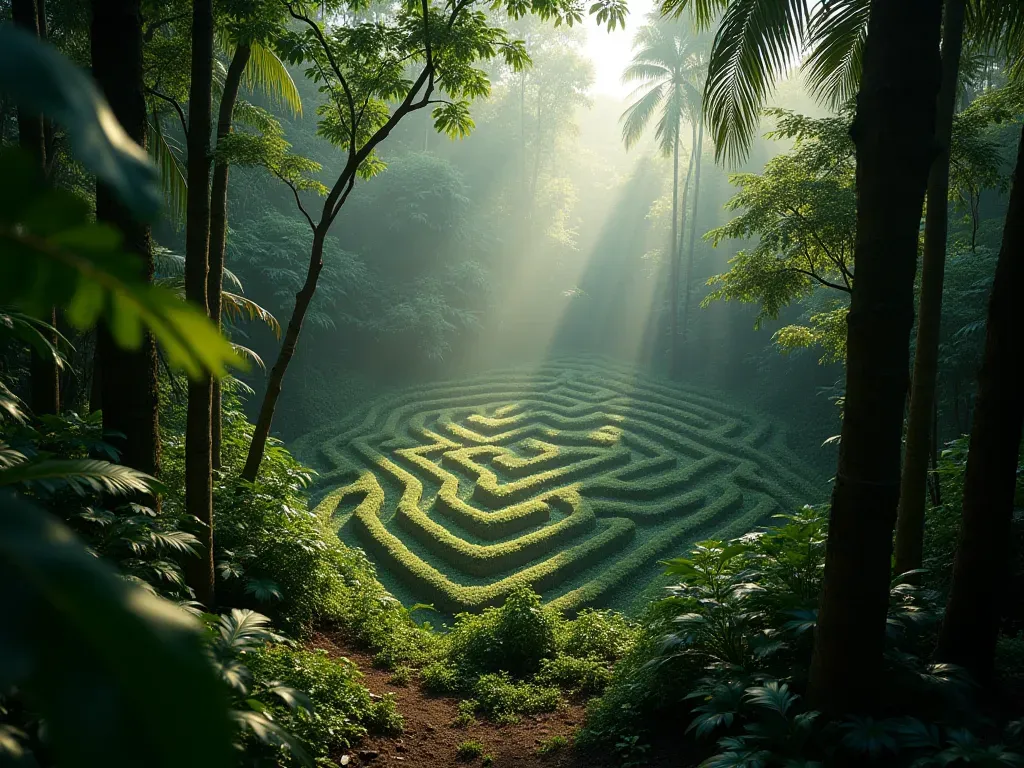
What Lidar Scanning Just Revealed
Researchers used canopy-penetrating lidar to map the forest floor. The results were staggering.
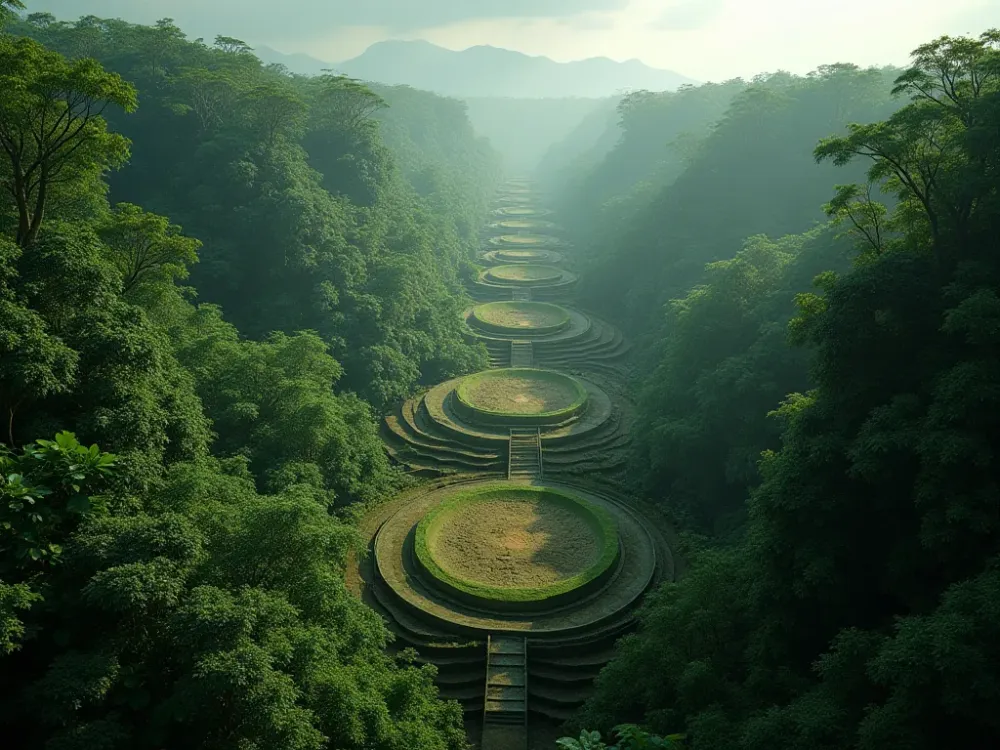
They found over 20,000 precolonial earthworks in just three percent of the region. That is not a village site.
I was struck by the precision. These were not random mounds. They were deliberate architectural choices.
The scale is astonishing. Martti Pärssinen from the University of Helsinki called it monument-building on a grander level than ever seen.
The Numbers That Break Old Models
Previous estimates for the entire Amazon were far too low. This one region matches those old projections.
We are now looking at a dense population of one to three million people. This changes how we view precolonial density.
If similar results appear elsewhere, global climate models may need reevaluation. The impact on biodiversity is significant.
Pentagrams In The Deep Jungle
The shapes are what caught my eye. Circles and squares were expected. But pentagrams? That is unexpected.
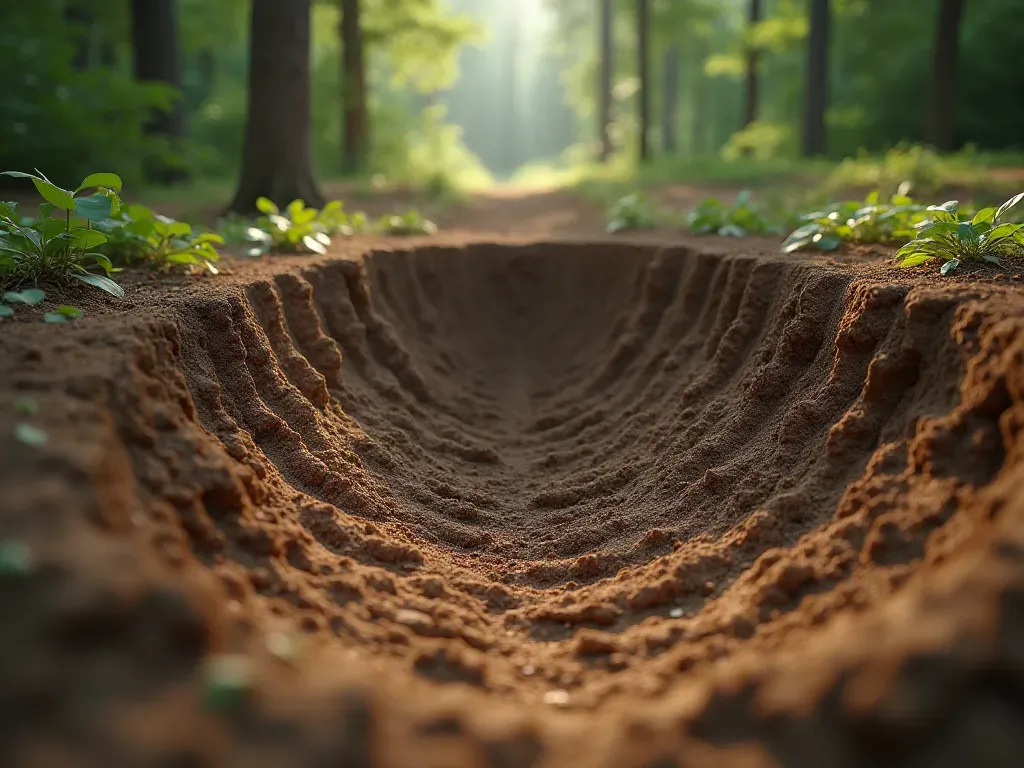
These earthworks feature ditches up to sixteen feet deep. They were likely ceremonial or political bases.
The largest site approached 123 acres. Imagine digging that without machines or metal tools.
A Civilization Without Metal
The team believes these structures were built without metal. No animals helped in the labor either.
This level of engineering challenges our assumptions. It suggests a sophisticated understanding of land and labor.
If you are curious about how other early societies managed complex tasks, check out how history books lied about farming first.
Why This Changes Everything We Know
The Aquiry civilization emerged around six hundred BCE. Villages held roughly three hundred inhabitants.
They cultivated squash maize manioc Brazil nuts and peach palms. They were farmers and gardeners of the jungle.
The sites were abandoned between eight hundred fifty and nine hundred fifty CE. This coincides with other collapses.
The Myth Of The Pristine Forest
Alceu Ranzi from the University of Acre said it best. The old idea of a pristine Amazonia falls apart.
This is not just about archaeology. It is about how we define wilderness and human impact.
If you want to see another perspective on ancient sites reshaping our timeline read about Göbeklitepe and the evidence that proves it was never a temple.
The Implication Nobody Is Talking About
Most research comes from deforested areas. We are only seeing a fraction of the truth.
The team documented four hundred thirty two earthworks. Three hundred ninety six were never recorded before.
This suggests our data is skewed. We are missing the bulk of what actually existed in this region.
Who Wins And Who Loses Here
Traditional narratives of isolated tribes lose ground. Complex societies gain recognition in the historical record.
Conservation efforts may need new frameworks. If people shaped the forest then protecting it means preserving that legacy.
The winners are truth and accuracy. The losers are outdated myths that served certain political or academic agendas.

What This Means For Your Understanding Of History
I keep thinking about the sheer effort required. Millions of people moving earth by hand over centuries.
It makes you question other assumptions. How many other 'wild' places are actually managed landscapes?
If you have ever felt that history textbooks oversimplify complex pasts this is why. The evidence is on the ground.
The Backstory They Skipped In The News
Most headlines focus on the size. They miss the cultural context of these geometric enclosures.
The Aquiry were not just builders. They were a society with political and ceremonial structures.
For more on how media misses critical details in archaeology stories see Why The History Channel Gets Göbeklitepe Wrong.
The Road Ahead For Amazonian Archaeology
We have only scanned three percent of the area. The remaining ninety seven percent could hold more surprises.
Future studies will likely refine population estimates. The range of one to three million may narrow with more data.
This is not the end of the story. It is barely the beginning of a much larger correction in our historical understanding.
Why Skeptics Should Pay Attention Now
To be fair not all experts agree on the interpretation. But the physical evidence is undeniable.
The lidar data does not lie. It shows ditches embankments and geometric patterns that require explanation.
Your mileage may vary on the cultural interpretation but you cannot deny the scale of human activity recorded here.