The Göbeklitepe History English Readers Are Being Told Is Wrong
Why the English-language story is off
I read a popular article last week that called the site a "temple" three times in one paragraph. It never mentioned the housing clusters it sat next to.
That framing has become standard in English writing. It sells well. But the evidence from the excavation trenches tells a different story.
The problem isn't bad faith. Most English summaries are copied from each other, tracing back to a handful of early papers that prioritized the monumental pillars over the rest.
So when you search for this topic in English, you get a narrow slice. And that slice has shaped public understanding of prehistory more than any other single site.
What the pillars actually are
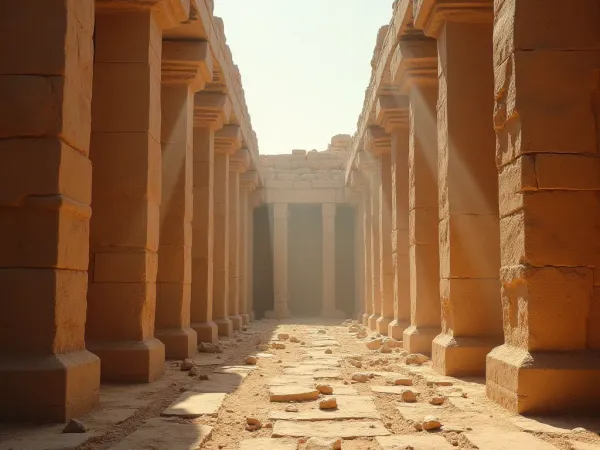
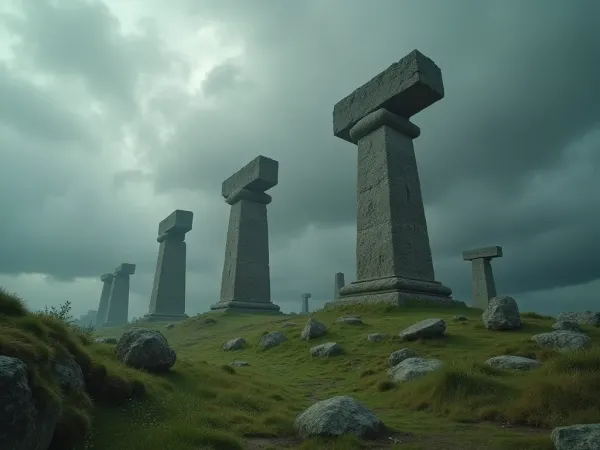
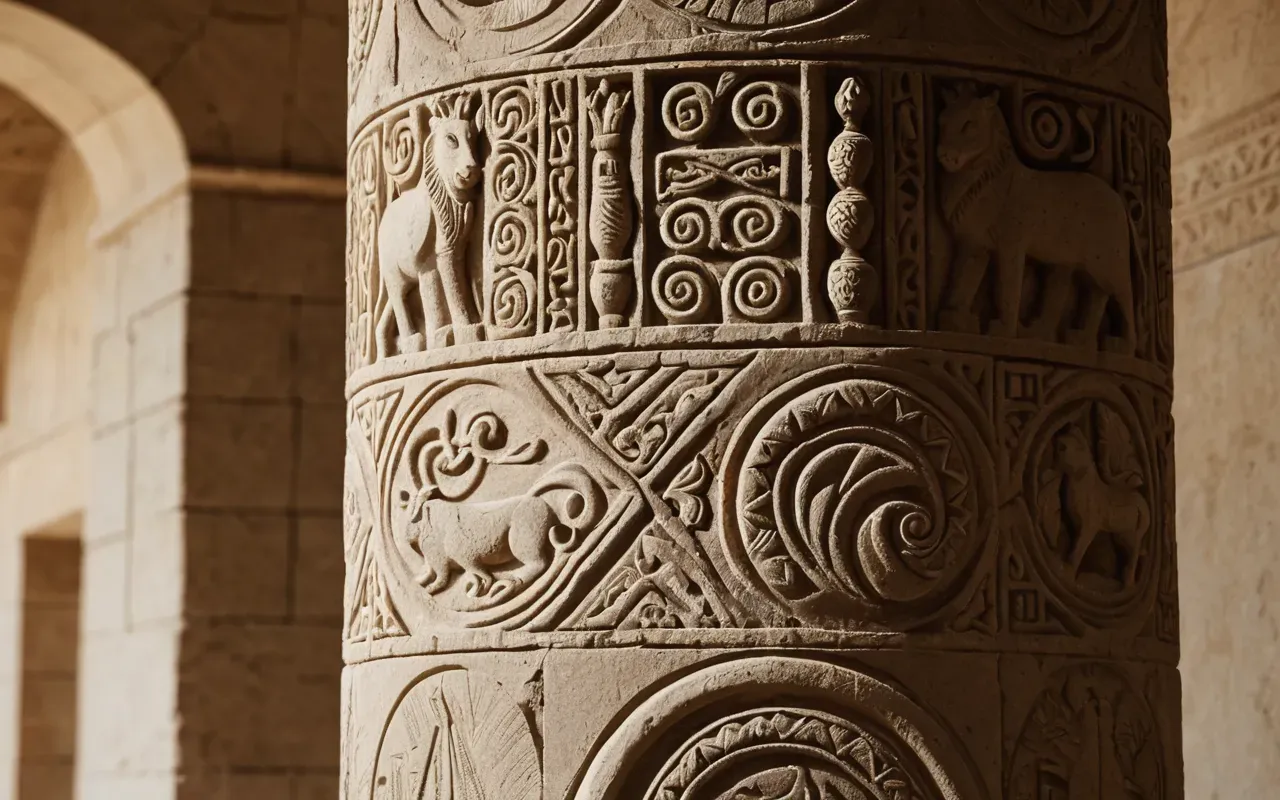
The T-shaped limestone columns stand between two and five meters tall. They were quarried from local bedrock, not transported over long distances.
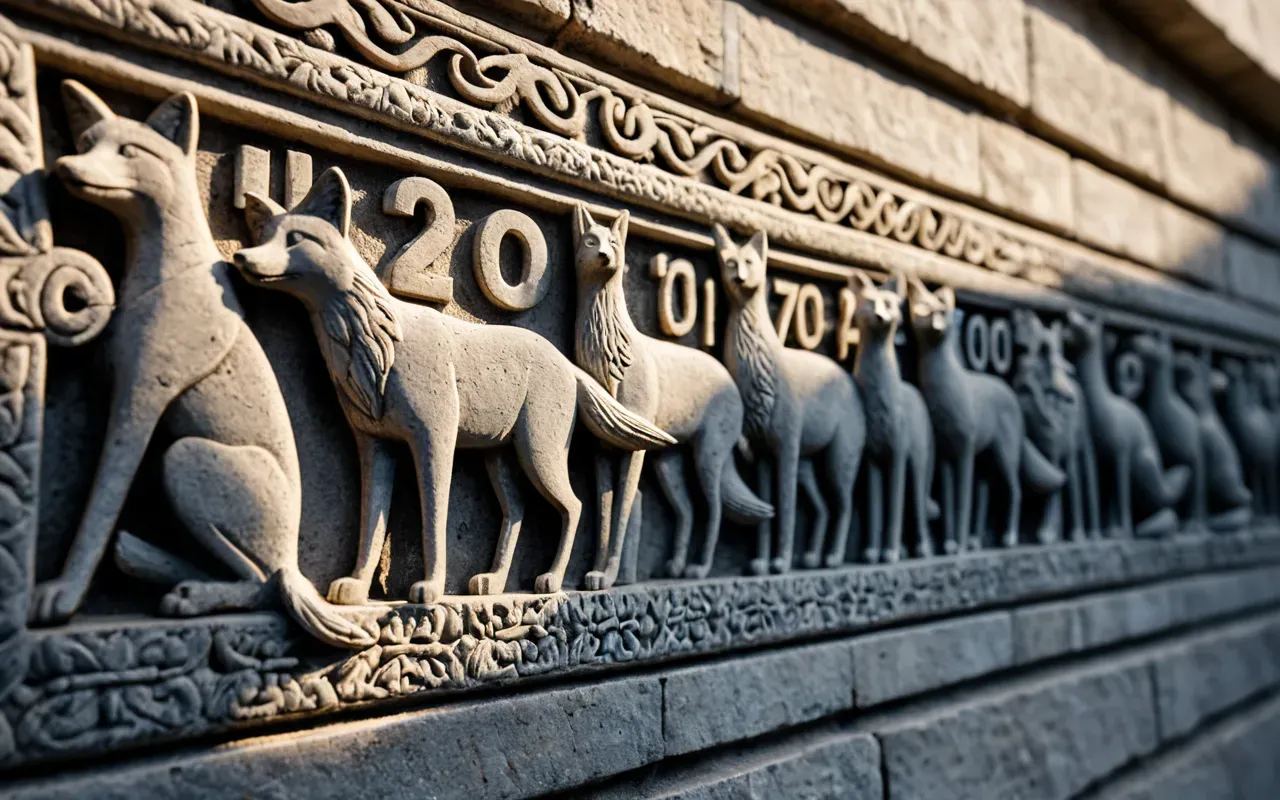
Many are carved with animals. A vulture perches on one. Foxes flank another. The carvings are shallow and stylized, not realistic.
Here's the thing: none of the pillars show human faces. The closest we get are abstracted torsos with claw-like hands hanging at their sides.
That absence is significant. If these were deities or ancestors rendered in human form, we would expect faces. We don't have them.
The housing that changes everything
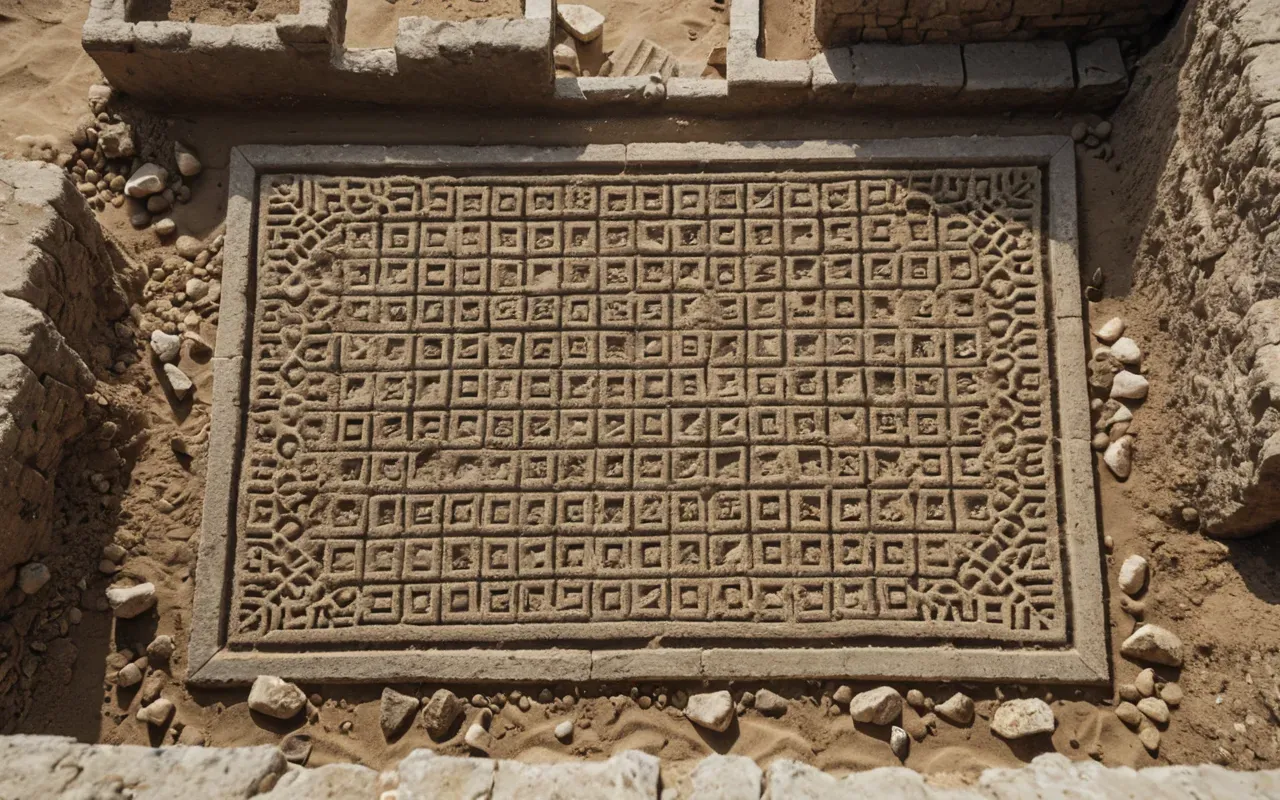
Excavations to the north and south of the circular enclosures have revealed semi-subterranean rooms. Flat roofs supported by central posts.
These weren't temporary shelters. They had hearths, storage pits, and grinding surfaces worn smooth by repeated use.
A group of people lived here. Not visitors passing through for a ritual season. Residents with daily routines and material culture.
This is the detail English summaries skip because it doesn't fit the temple narrative. But it's where the site gets interesting.
The burial question no one answers clearly
Human remains have been found at the site. But they are fragmentary and scattered across multiple layers.
We don't have a single intact burial in the enclosure floors. We have isolated skulls, partial skeletons, and bones mixed into fill deposits.
Some researchers interpret this as evidence of deliberate deposition. Others see it as natural accumulation over centuries.
To be fair, the distinction matters less than we think. In prehistoric contexts, the line between "ritual" and "domestic" is blurry at best.
What the bone evidence actually shows
Isotope analysis of a few specimens suggests mixed diets. Some individuals consumed more plant matter; others relied on meat.
That pattern fits a community in transition. Not yet fully agricultural, but no longer purely foraging either.
The bones don't tell us what the people believed. They tell us how they ate and where their food came from.
English-language articles often leap from "bones found" to "ancestral worship." That's a logical gap the evidence doesn't close.
The dating problem in plain English
Most sources cite a range of roughly 11,600 to 9,500 years ago. That's about 9,600 to 7,500 BCE in the calendar most readers know.
The dates come from radiocarbon measurements on charcoal and bone samples collected during excavation. They are calibrated against known standards.
But here's where it gets messy: the site has multiple construction phases. The earliest enclosures predate the later ones by several centuries.
So when an article says "this site is from 9500 BCE," it's picking one point in a wide range. The full story spans over two thousand years of use.
Why the phases matter for interpretation
The earliest enclosures are smaller and simpler. The pillars have fewer carvings. Construction is less precise.
Later phases show larger circles, more elaborate animal reliefs, and deliberate backfilling of earlier structures.
That backfill is one of the most debated features. Some see it as a ritual act of closure. Others point to practical reasons for filling in old structures.
The honest answer is that we don't know yet. And English summaries rarely convey that uncertainty.
What the carvings might actually mean
The animals carved into the pillars include vultures, foxes, boars, and cranes. Some are shown in groups; others stand alone.
One pillar shows a bird of prey perched above what looks like a human-like form. The relationship between them is unclear.
Researchers have proposed many interpretations: totemic symbols, cosmological markers, clan identifiers, seasonal indicators.
None of these are proven. The carvings predate writing by thousands of years, so we have no contemporaneous text to decode them.
A pattern in the animal choices
The animals shown are all species that lived in the region during the relevant period. Nothing exotic or symbolic from far away.
That suggests local ecological knowledge rather than abstract cosmology. The people carved what they knew and saw every day.
And that's a more grounded reading than "spiritual symbols of the universe." It fits a community adapting to its environment.
The English-language bias in how this is told
Most of the foundational papers came out in German and later translated into English. The translation process flattened nuance.
Terms like "sanctuary" and "temple" were applied because they fit the narrative of religious architecture. The local context was less familiar.
English readers then encountered a story about "the world's oldest temple." That phrase stuck. It's catchy and marketable.
But a temple implies worship of gods by priests in a formalized religion. We have no evidence for any of those three elements.
How the framing shapes what gets researched
When a site is labeled a temple, funding and academic attention flow toward ritual interpretation. Domestic contexts get less scrutiny.
That creates a feedback loop: we study the pillars more because they fit the narrative, and we learn less about daily life.
The result is an English-language history of this place that emphasizes the monumental and downplays the mundane.
And the mundane is where the real story of early human social organization actually lives.
What we can say with confidence in English
People built large circular enclosures with carved pillars between roughly 9600 and 7500 BCE. That's established.
They lived in nearby housing structures with hearths and storage features. Also established by excavation.
The site was used over multiple centuries with distinct construction phases. The dating supports this clearly.
What we cannot say is that it was a temple in any recognizable sense. That label goes beyond what the evidence supports.
Frequently Asked Questions
What is the most reliable dating for this site?
Radiocarbon dates place initial construction around 9600 BCE and continued use through approximately 7500 BCE. The range reflects multiple building phases across more than two millennia.
Why do English articles call it a temple?
Early translations from German used the word "sanctuary," which English readers interpreted as a temple. The label became standard in popular writing even though the site lacks typical temple features like altars or priestly roles.
Can we determine what the pillar carvings meant?
No. The site predates writing by thousands of years, so there is no contemporary text to decode the symbols. Interpretations range from clan markers to ecological references, but none are confirmed.
Did people actually live at this location?
Yes. Excavations have uncovered semi-subterranean housing with hearths, grinding surfaces, and storage pits adjacent to the enclosures. This indicates permanent or long-term residential use rather than seasonal visitation.
How does this site compare to other prehistoric structures?
It is among the oldest known monumental stone constructions. Unlike later sites such as Stonehenge, it predates agriculture and urban settlement by a significant margin.