Why a 5000 year old loaf of bread is currently saving a drought stricken region
The loaf that defied time and dust
Most archaeological finds are broken. You know the drill — shards of pottery, fragments of bone, a story told in pieces.
This was different. In September of last year, a team digging near the central city of Eskisehir uncovered something whole.
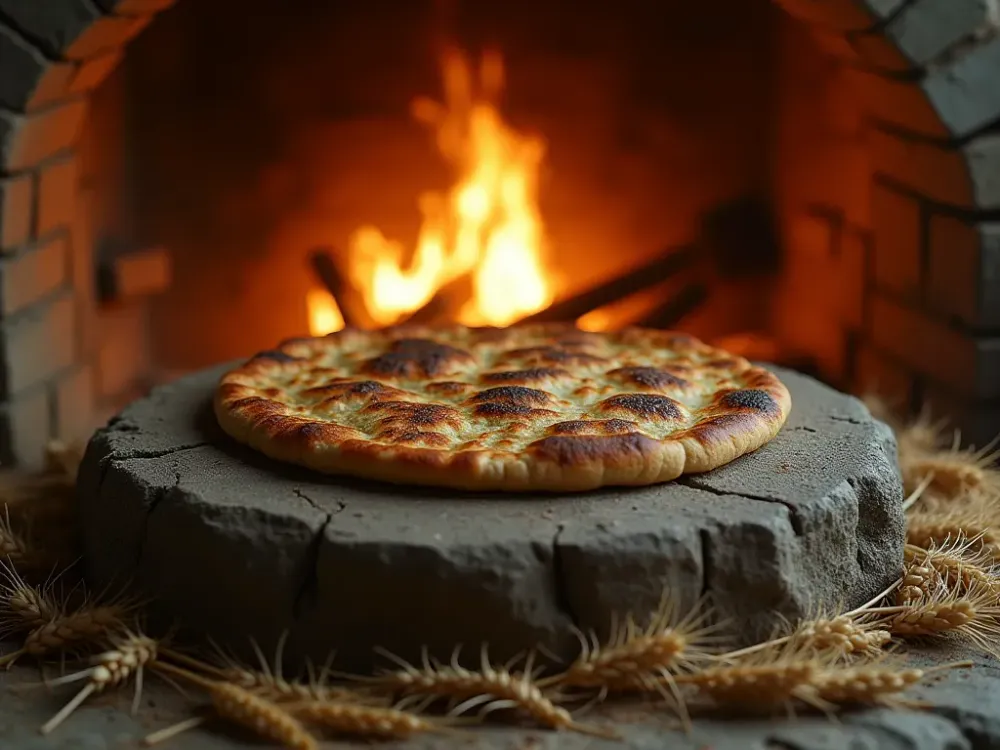
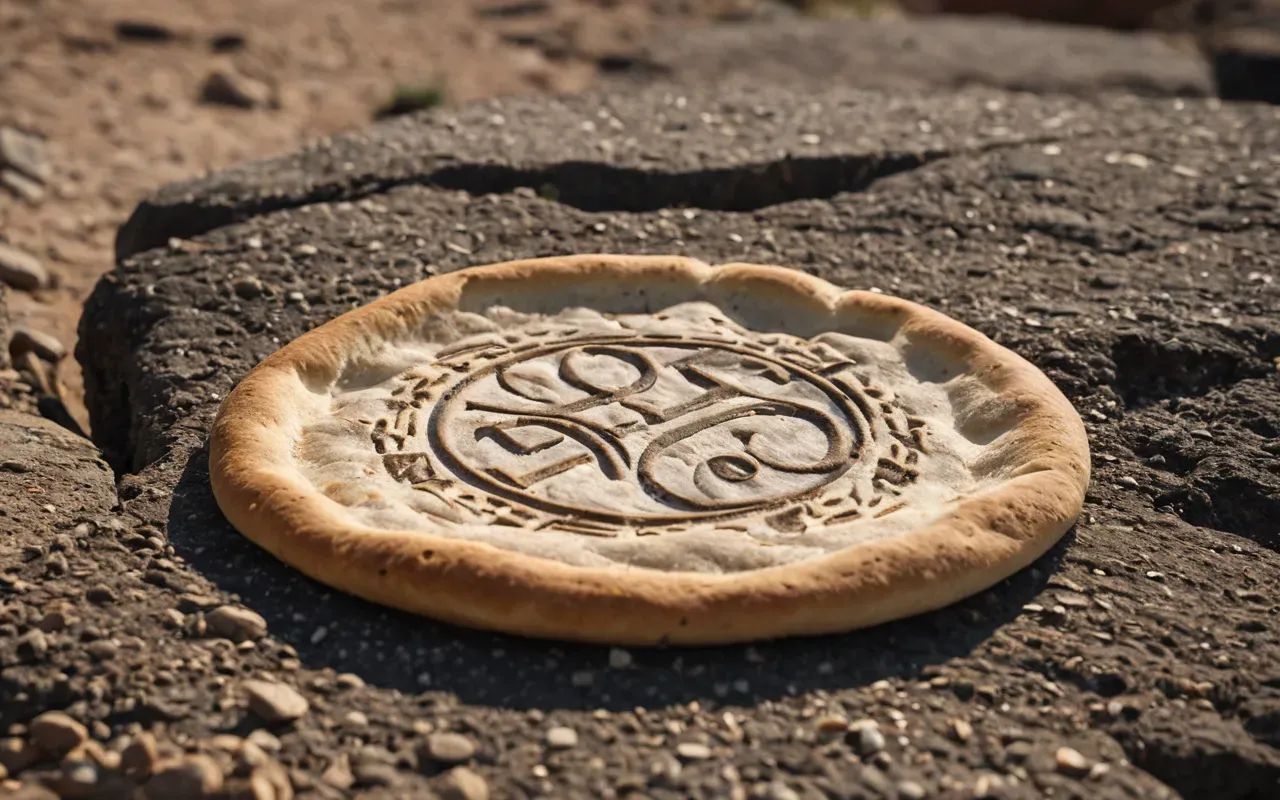
It was a round flatbread. Twelve centimeters in diameter. Buried under the threshold of a house built around BC.
Think about that. You're holding a snack from the early Bronze Age.
A ritual of abundance hidden under a doorstep
Why was it there? Murat Turkteki, the excavation director, believes this was a deliberate act. It makes us think of a ritual of abundance.
A piece had been torn off before the bread was burnt. Then it was buried when the house structure went up.
Usually bread is a rare find. We mostly get crumbs or carbonized bits that crumble at the touch.
But here the charring preserved the shape. It's a perfect snapshot of daily life in a medium-sized urban agglomeration.
The Hattian connection to food and trade
This site belongs to the Hattians. They were an Anatolian people who lived before the Hittites took over the region.
Kulluoba was not just a farm. It had crafts and mining and commercial activities.
The presence of such a preserved food item suggests a complex social order. People had enough to spare for ritual deposits.
Why the bread survived when everything else did not
The combination of fire and burial created a seal. It locked the organic material in place for five millennia.
That's rare. Most ancient food sources are lost to rot or insect damage long before we can study them.
The fact that it remains intact is a gift to modern science. It gives us a direct chemical fingerprint of their diet.
Recreating the recipe from scratch in a modern bakery
The mayor of Eskisehir had an idea. She wondered if they could reproduce this bread for the public.
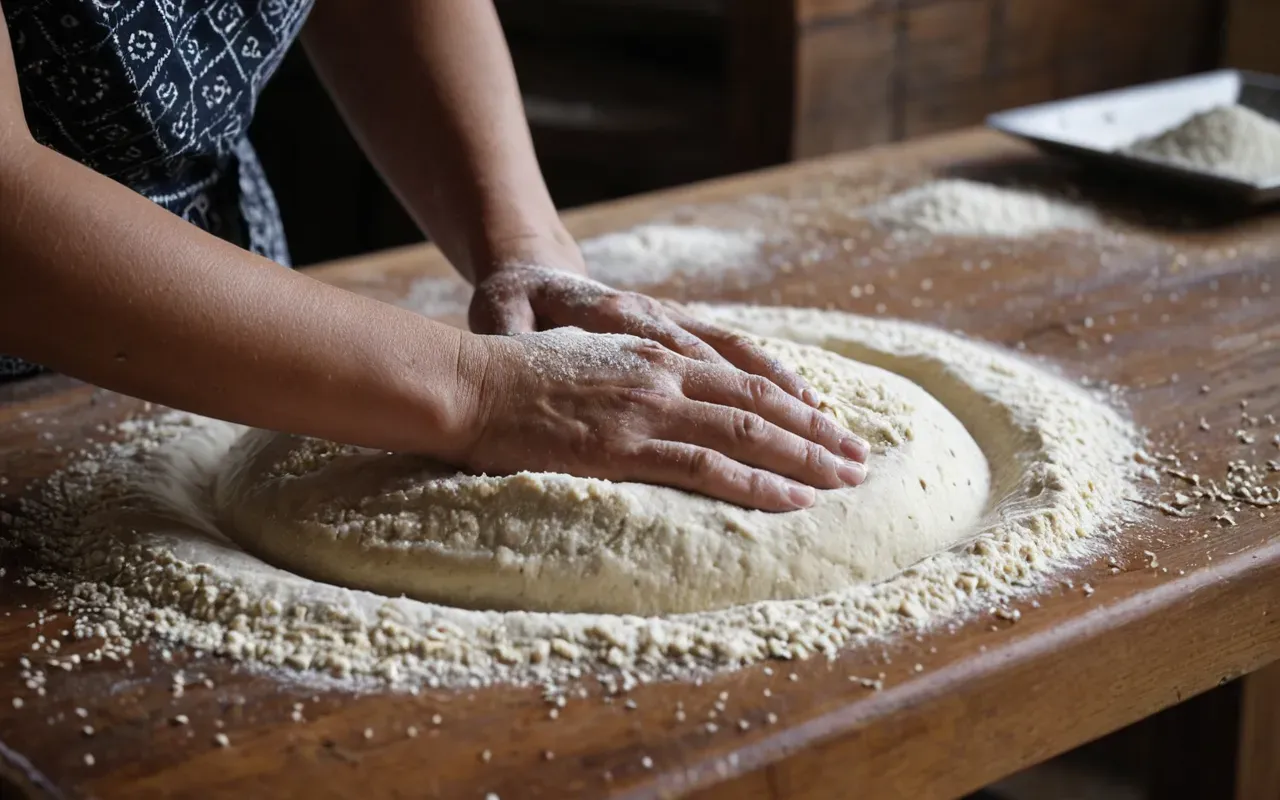
Analyses showed the original was made with coarsely ground emmer flour and lentil seeds.
Ancient emmer seeds no longer exist in the region. So they used Kavilca wheat, which is close to the original variety.
They added bulgur and lentils. The result is a rich, satiating, low-gluten bread with no preservatives.
The role of as yet undetermined plant yeast
Scientists found traces of a leaf from an unknown plant. It was likely used as a natural leavening agent.
Fascinating. It implies they had a deep understanding of fermentation long before written records.
It connects to broader patterns of early human experimentation with food preservation and flavor.
Why the taste profile is surprisingly modern
Customers lined up to buy it. The price was just fifty lira, which is roughly a dollar and a quarter.
One customer said she rushed because she was afraid there would not be any left.
The flavor is earthy and dense. Very different from the soft white loaves we're used to.
The real reason this bread matters is the drought
Here's where the story gets serious. The region of Eskisehir is suffering from severe water shortages.
We're facing a climate crisis. But we're still growing corn and sunflowers, which require huge amounts of water.
The mayor is pushing to revive the cultivation of Kavilca wheat. It is resistant to drought and disease.
How ancient grains outperform modern varieties in dry soil
Modern wheat has been bred for maximum yield and speed. It's thirsty.
Ancient varieties have deep root systems that access moisture we cannot see on the surface.
This is a lesson from our ancestors. We should be moving towards less thirsty crops to survive.
The economic impact of switching to low water inputs
Cultivating ancient wheat will be a symbolic step. But it also has real financial benefits for farmers.
If the crop needs less irrigation, you save money on pumping and energy costs.
It's a win for the environment and a win for the local economy. We need strong policies to support this shift.
What other regions can learn from this approach
This is not unique to one area. Many parts of the world are dealing with drying climates.
Looking to history for solutions is smart. We've already solved this problem once.
The bread itself is the proof of concept. It shows what can grow and thrive in tough conditions.
Why this changes how we view ancient intelligence
We often underestimate the knowledge of pre-literate societies. They knew what they were doing.
They selected crops that survived their specific environment. That's a sophisticated agricultural strategy.
This connects to broader discussions about how early humans interacted with wild plants before full domestication.
The myth of the simple stone age diet
We think they ate whatever was available. But this bread shows deliberate preparation and combination.
They mixed grains and legumes. That's a nutritional choice that maximizes protein intake.
It suggests a level of planning and foresight that we rarely attribute to hunter gatherers.
How this fits into the larger story of early settlements
This site predates many known civilizations. It shows that complex social structures emerged earlier than we thought.
If you want to see how early humans built before they fully mastered farming, look at the evidence from other ancient sites.
The bread is just one piece of a much larger puzzle. But it's a delicious and informative piece.
The future of food security in a warming world
We have a duty to protect this heritage. But we also need to use it.
These lands have preserved this bread for five thousand years. Now we need to preserve the ability to grow it.
It's not just about nostalgia. It's about survival in a changing climate.
Why local knowledge beats global standardization here
Global agribusiness pushes a few high-yield varieties. They're fragile.
Local ancient grains have survived centuries of variation in weather and soil. They're resilient.
We need to support the farmers who grow these tough crops. They are our insurance policy.
What this means for the next generation of chefs and farmers
Chefs are already experimenting with these ancient flours. The texture and taste are unique.
Farmers are learning new techniques to grow them in dry fields. It's a practical skill set.
The future of food might look very much like the past. And that's a good thing.
Final thoughts on the power of archaeological evidence
We often view archaeology as dusty and academic. But this is living history.
You can hold it. You can eat it. And you can learn from it.
The bread is a bridge between the past and the future. It reminds us that we've already solved this problem before.
So the next time you buy bread, think about where it comes from. And maybe ask if it could have survived five thousand years.