The 1,600-year-old wine factory hiding in plain sight next to an ancient castle
A -Acre Industrial Site Hiding in the Mountains
Most people picture ancient winemaking as a rustic little hobby. A few barrels. A small press. Maybe a vineyard on a sunny hillside. That mental image is dead wrong for this new find. Archaeologists in southeastern Turkey just uncovered a production center that spanned acres. For a single industry, that's a massive footprint.
The site sits near the village of Oymakli. It's tucked into a mountainous area that most travelers drive past without a second thought. The discovery was announced in October , but the implications are far bigger than a local news story. We're talking about a facility that likely ran at an industrial scale.
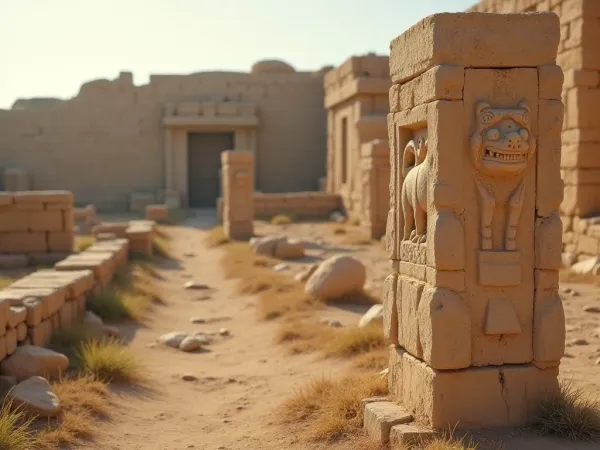
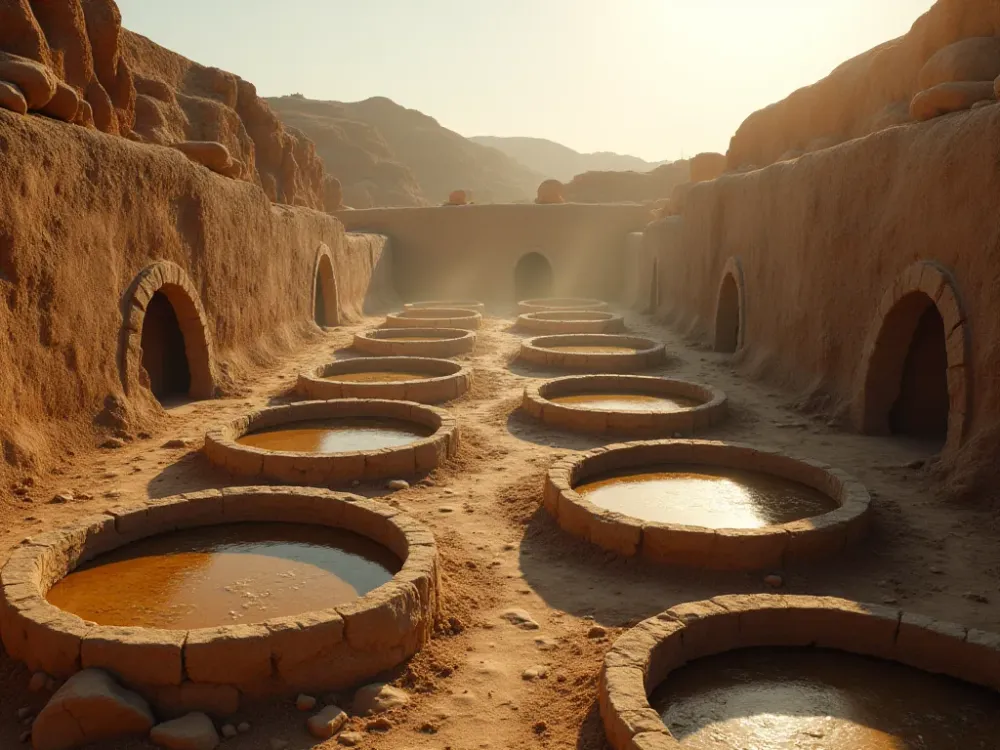
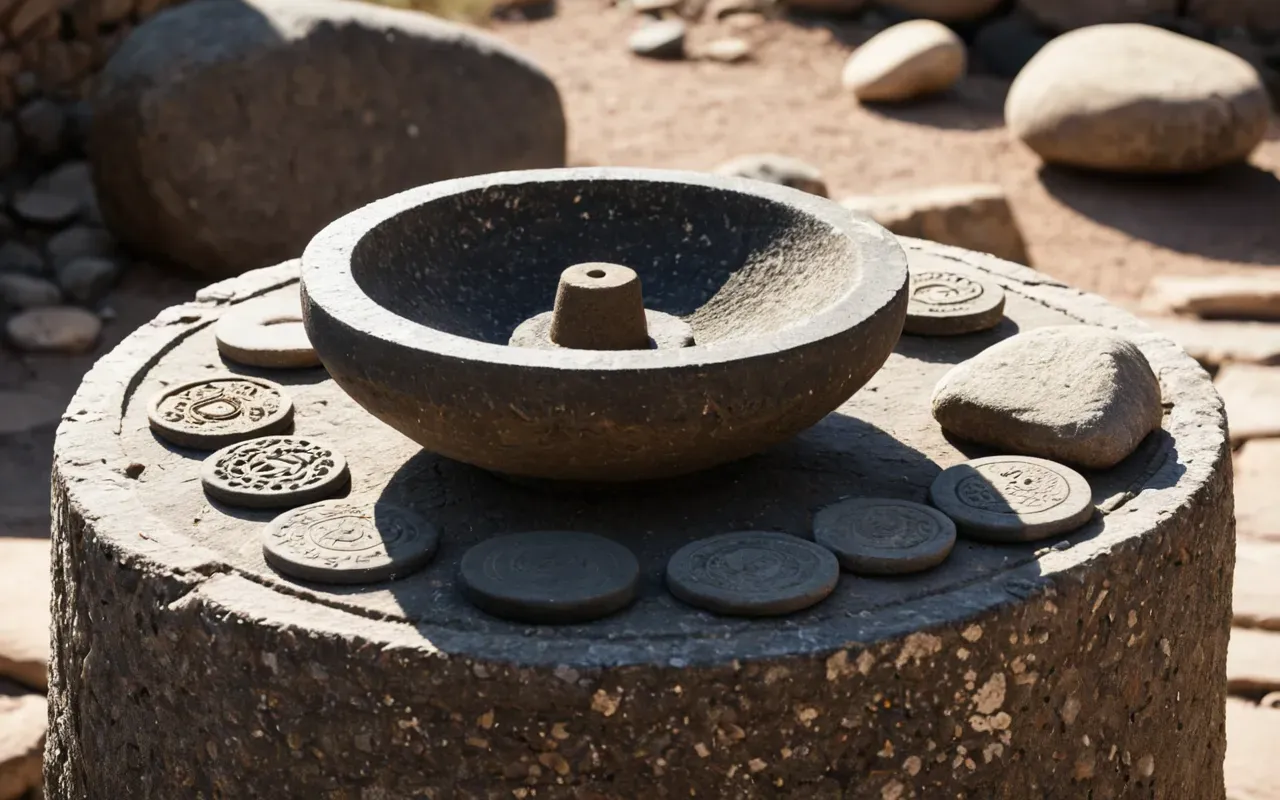
I was struck by the sheer size of the foundations. They survived remarkably well despite being built with irregular stones. This is not a small workshop. It is a complex. It includes installations for processing grapes, cisterns for water supply, and grinding stones. The infrastructure suggests a highly organized operation.
The dating points to the th century. That's roughly , years ago. It's a specific window in history when power was shifting. Constantinople was emerging as a new center of power. Christianity was spreading rapidly across the region. And this wine factory was built right in the middle of that transformation.
Why This Changes Our View of Regional Trade
Wine was not just a beverage in the Roman world. It was a currency. It was a trade good. It was a status symbol. A facility of this size implies a market that extended far beyond the immediate valley. We're likely looking at a supply chain that fed into major trade routes.
Think about the logistics. You need grapes. You need water. You need labor. You need storage. You need transport. The cisterns found at the site show that water management was a priority. This was a business operation, not a hobby. The scale suggests a workforce dedicated to this single task.
The proximity to Kahta Castle is key. The fortress dates back to the nd century BC. It was built for the Kingdom of Commagene. A Greek-Iranian monarchy. Having a wine production center nearby suggests a symbiotic relationship. The castle provided security and administration. The factory provided essential goods.
Mehmet Alkan, the provincial museum director, noted that the site may have also served as a residential area. This is a common pattern in ancient settlements. Work and life were not separate. You slept near your work. You ate near your work. The factory was likely the economic heart of a small community.
The Context of a Shifting World
The th century was a volatile time. The Roman Empire was splitting. The center of gravity was moving east. Constantinople was becoming the new Rome. Against that backdrop, local industries like winemaking became even more vital. They provided stability in a time of political flux.
Christianity was also changing the culture. Wine had a new significance. It was central to religious rituals. This likely boosted demand. The factory was not just producing for secular consumption. It was likely supplying churches and monasteries. This dual demand would have kept the facility busy.
Here's where the story gets interesting. We often think of ancient history as a monolith. But it was a patchwork of local economies. Each region had its own strengths. This mountainous area was clearly good for grapes. The site is a testament to local adaptation. It shows how people made the most of their specific environment.
What the Excavation Reveals About Daily Life
The excavation was prompted by the discovery of historical fragments. This is common in archaeology. You find a piece, and it leads to a larger structure. The Turkish Ministry of Culture and Tourism supported the dig. This collaboration is crucial for preserving such sites.
The foundations were built with irregular stones. This is a technique that has been used for millennia. It is durable. It is flexible. It can withstand earthquakes. The fact that it survived , years is a testament to the skill of the builders. They knew what they were doing.
We're seeing more of these sites in Turkey. In Antalya, archaeologists found a bishop's bathhouse. In other areas, Roman bathhouses have been uncovered. These are not isolated incidents. They are part of a larger pattern. Turkey is a treasure trove of Roman and Byzantine history.
The Bigger Picture of Ancient Innovation
It's easy to overlook the ingenuity of ancient people. We tend to think of them as primitive. But this wine factory shows a different reality. They had industrial capabilities. They had logistical planning. They had a deep understanding of their environment.
This connects to broader trends in archaeology. We are constantly revising our timeline. We are finding evidence of complex societies earlier than we thought. A site like this adds another data point. It shows that industrialization was not a modern invention. It has roots in the ancient world.
If you are interested in how these discoveries reshape our understanding, you might enjoy reading about the 3 buried rooms that finally break the ancient civilization timeline. It is a similar story of hidden complexity.
The wine factory is just one piece of the puzzle. But it is a significant piece. It tells us about economics, religion, and technology. It shows how interconnected the ancient world was. It is a reminder that history is not just about kings and wars. It is about the everyday lives of people.
What Comes Next for the Site
Officials plan to continue excavating the site. This is a long process. It could take years. They will be looking for more evidence. More tools. More storage vessels. More residential areas. Every new find adds to the story.
The ultimate goal is to register it as a protected archaeological area. This is crucial. It ensures that the site is preserved. It allows for future research. It also opens the door for public access. Tourists will be able to see the foundations. They will be able to understand the scale.
This is good for the local community. It brings attention. It brings money. It brings pride. The village of Oymakli will benefit from this discovery. It is a win-win situation. The history is preserved, and the community thrives.
Why You Should Care About This Discovery
History is not dead. It is alive. It is waiting to be uncovered. This wine factory is a perfect example. It shows that there is still so much we do not know. It challenges our assumptions. It reminds us that the past is more complex than we think.
It also connects to the broader narrative of human achievement. We have always been innovators. We have always been builders. We have always been creators. This site is a physical manifestation of that drive. It is a legacy that has outlasted empires.
If you are fascinated by these kinds of discoveries, check out the Roman trick that accidentally solved the biggest mistake in modern construction. It is another example of ancient ingenuity.
The story of this wine factory is just beginning. We're only scratching the surface. There is so much more to learn. So much more to understand. And so much more to appreciate. The past is not just a memory. It is a foundation. It is a guide. It is a source of inspiration.