Why Archaeologists Are Secretly Hiding The Truth About Gobeklitepe
The Spaceship That Wasn't There
Picture this. You are standing in the scorching heat of southeastern Turkey. The dust kicks up around your boots as a guide waves his hand dramatically toward a curved roof structure nearby.
"That is a spaceship," he says. He smiles. It is clearly a joke. But the crowd laughs anyway because they want to believe in something bigger than history.
This is Göbekli Tepe. It sits about twenty-five miles from the Syrian border in a dry dusty stretch of land known as the Urfa Plain.
For most people visiting this site it feels like stepping into a movie set. But for archaeologists it is a battlefield of narratives.
Why The Truth Feels Like A Lie
Here is the thing that frustrates everyone. We have only dug up a tiny fraction of this massive site since excavations began in the mid-1990s.
To some that slowness looks suspicious. It looks like a cover-up. And honestly I can understand why they think that.
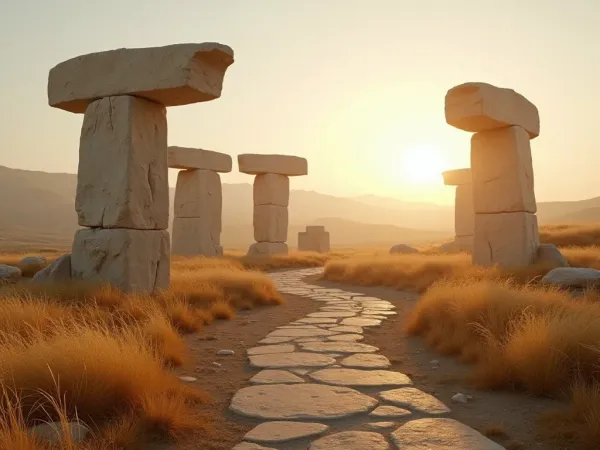
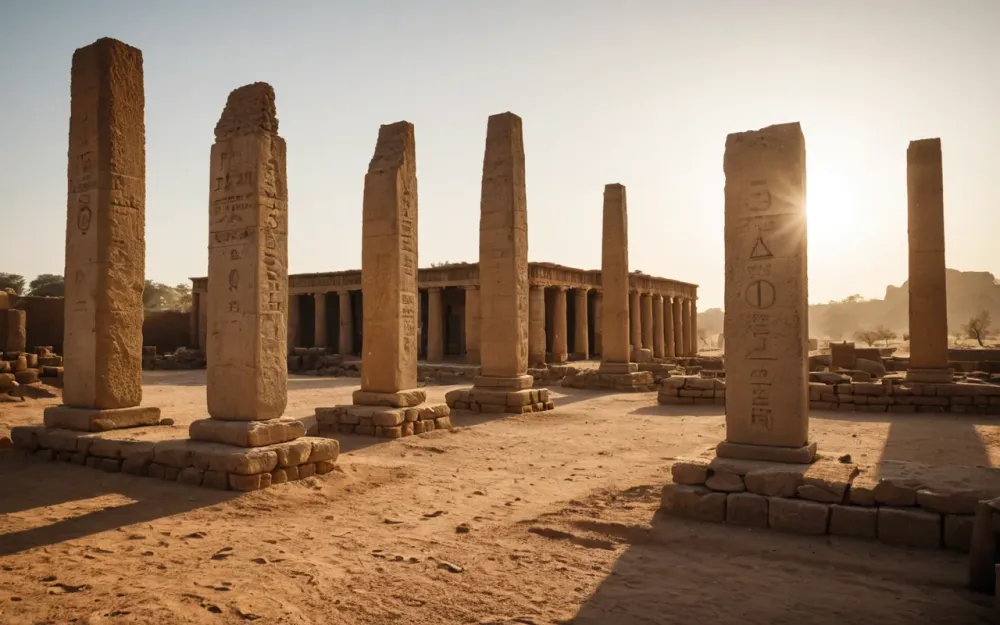
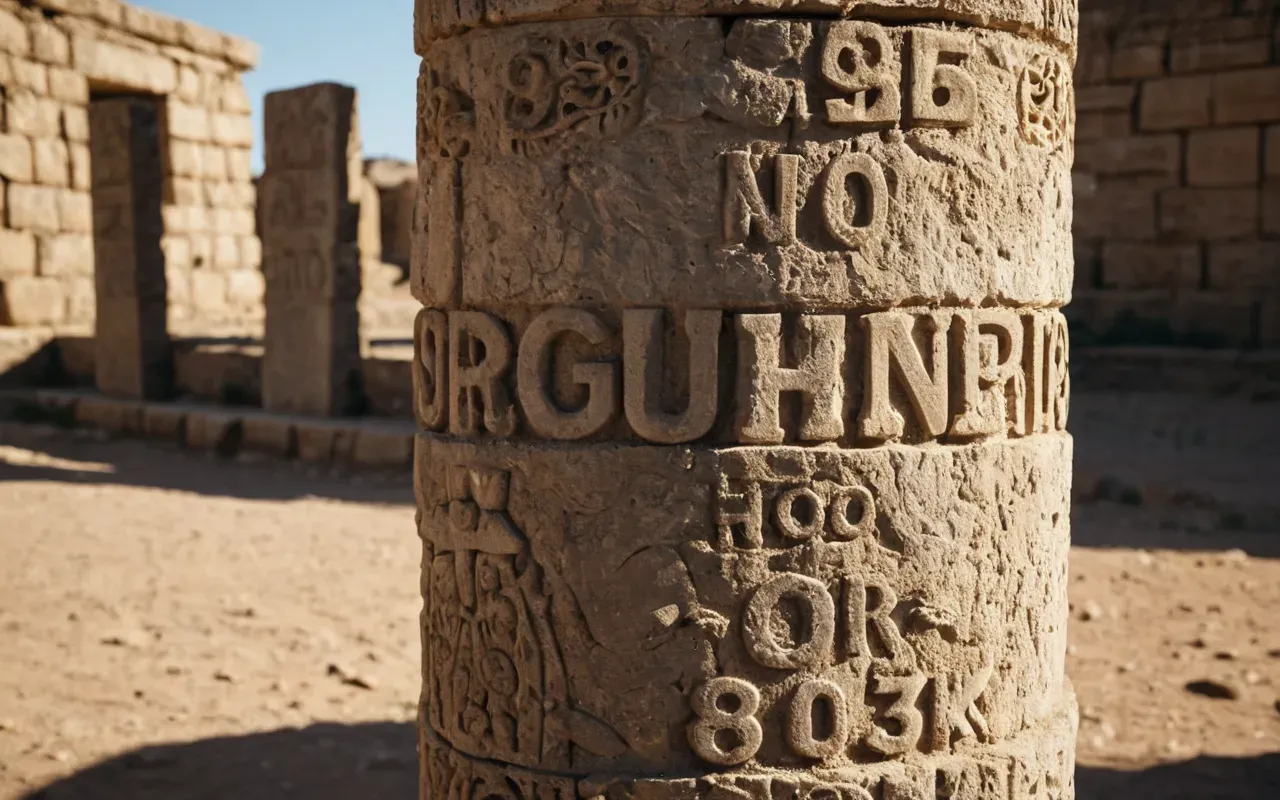
When you see T-shaped limestone pillars carved with wild animals and human hands rising out of the earth it is hard to accept that our history textbooks are wrong.
The Podcast Effect And The Alien Theory
Jimmy Corsetti is a YouTuber. He appeared on the Joe Rogan Experience podcast last year with a bold claim.
He argued that archaeologists are hiding discoveries on purpose. He believes they drag out excavations to keep the mystery alive and the tourists coming.
"We have technology," Corsetti says. "Do not tell me we cannot dig rocks up in twenty-twenty-four." It sounds logical to someone who has never held a trowel.
His theory suggests that something big is buried under those stones. Something too shocking for the mainstream to handle.
Who Wins When We Skip The Evidence
I have heard this argument before. It is seductive because it makes you feel like an insider. You are part of the group that knows the real truth.
But there is a problem with this narrative. It ignores the reality of how archaeology works.
Dr Lee Clare has led the excavation site for over a decade. He knows exactly what people are saying about him online.
He even deleted his social media accounts. He wanted to stay sane amidst the accusations of alien cover-ups.
The Slow Pace Is A Feature Not A Bug
Clare grew up playing with toy dinosaurs. He wanted to be an archaeologist his whole life.
He did not expect to become the villain in a conspiracy documentary. But here we are.
"You cannot just bulldoze a site," Clare explains firmly. "That is the wrong approach." Every layer of soil tells part of the story.
Once you dig through that layer it is gone forever. You cannot undo it.
Protecting The Future Of Science
Think about it. Why would Clare dig the entire site just to say "Look what I found" and then leave nothing for his students?
He calls that selfish. He wants to leave possibilities open for future generations of archaeologists who will have better tools.
This is not about hiding aliens. It is about respecting the integrity of history.
What The Pillars Actually Tell Us
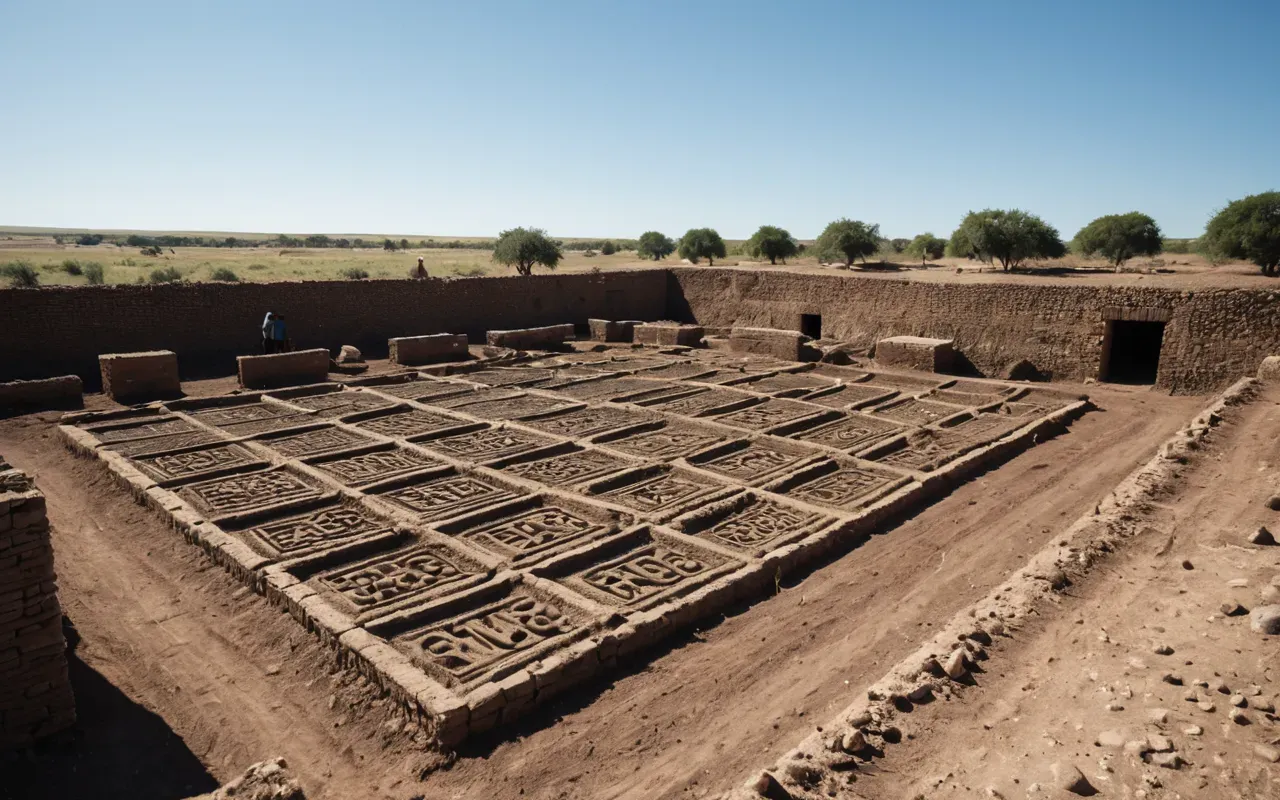
The carvings are fascinating. Lions foxes boars and birds are etched into the stone with incredible detail.
Early excavators called this place a temple. That view has shifted recently.
Some now see it as a ceremonial site or even a social hub where rituals helped bind early communities together.
The truth remains mostly mysterious. And that uncertainty is exactly what fuels the conspiracy theories.
Decoding The Animal Symbols
Look at the fox. It appears frequently on the pillars.
Was it a totem? A god? Or just an animal these hunter-gatherers respected?
We do not know. And honestly that is okay.
The Real Danger Is Misinformation
For Clare the real threat is not looters. It is how conspiracy theories silence the actual story.
When people believe in aliens they stop asking real questions about human migration and social structure.
"Whose narrative is correct?" Clare asks. "Do not think we will ever know for sure." But maybe that ambiguity is the point.
Göbekli Tepe may be the first place humans came together to share meaning. Like all good stories this one is still open.
Why We Should Trust The Process
It is easy to be skeptical. I get it.
But bulldozing history does not give us answers. It destroys them.
The slow pace of excavation is an act of preservation. It protects the site from being consumed too quickly.
And it ensures that future scientists can use better technology to uncover what lies beneath those T-shaped pillars.
Connecting The Dots With Other Sites
If you are curious about how other ancient structures challenge our timeline check out how farming might not have started civilization.
Göbekli Tepe proves that religion or ritual often came first. This flips the script on everything we thought we knew.
The builders had no wheels. No metal tools. No farms yet.
They built this monument before agriculture existed. That is the real shocker here.
The Human Element Of Discovery
These were hunter-gatherers. They lived in small bands.
Yet they organized massive labor forces to quarry and erect multi-ton stones.
How did they do it? We still debate this. But it shows human cooperation is deeper than we assumed.
Conspiracy theories ignore the ingenuity of our ancestors. They replace human achievement with magic.
The Future Of The Hill In Turkey
Only a small percentage of the site has been uncovered.
There is so much more to find. But finding it requires patience.
Dr Lee Clare knows this better than anyone. He is not hiding aliens.
He is protecting the story for those who will come after us.
Why Patience Matters More Than Speed
In our instant-gratification culture waiting is hard.
But history does not work on a twenty-four-hour news cycle. It works on geological time.
Every layer removed is lost forever. That weight sits heavy on the shoulders of these researchers.
Reframing The Narrative Of Progress
We often think progress is linear. Tools then farms then cities.
Göbekli Tepe shatters that idea completely.
It shows that belief systems can drive complex behavior long before material wealth exists.
This changes how we view early human life. It was not just about survival.
The Social Hub Theory Gains Traction
Some researchers now call it a gathering place.
People traveled from far away to feast and ritualize together.
This social bonding might have been the catalyst for later agricultural societies.
If that is true then Göbekli Tepe is not just a temple. It is the seed of civilization itself.
Why The Controversy Will Not Die
Humans love a mystery. We crave the unknown.
Göbekli Tepe fits that craving perfectly.
The lack of definitive answers leaves room for imagination. And sometimes that imagination runs wild.
But we must respect the science even when it feels slow. Especially then.
The Personal Cost For Researchers
Dr Clare deleted his social media. That is a huge sacrifice in the modern world.
He wanted to stay sane. He did not expect personal attacks for doing his job carefully.
This highlights a broader issue in science communication. Experts are often vilified for uncertainty.
Uncertainty is not weakness. It is honesty.
What We Can Learn From The Stones
The stones are silent. But they speak volumes.
They remind us that human history is fragile and complex.
We should protect these sites from both looters and lazy narratives.
The truth is always more interesting than fiction. Even if it takes longer to find.
A Call For Respectful Curiosity
Let us keep asking questions. But let us ask them of the evidence not just our imaginations.
Göbekli Tepe deserves better than conspiracy theories. It deserves rigorous study and deep respect.
The next big discovery might be right under our feet. Waiting for the brush to clear away the dirt.
So let us wait. Let us listen. And let us trust the process of uncovering our shared past.