The Role of Writing Systems in Early Governance
The Role of Writing Systems in Early Governance
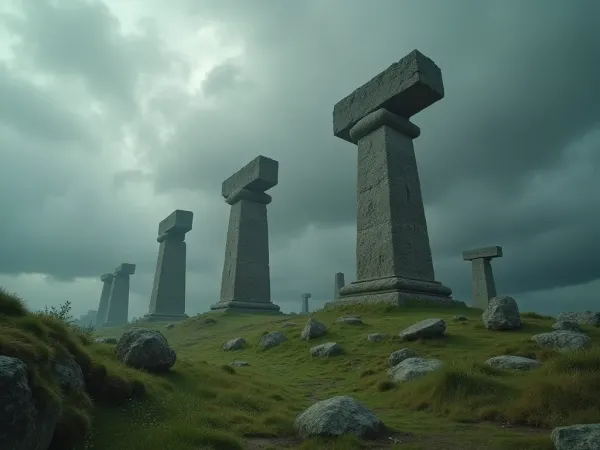
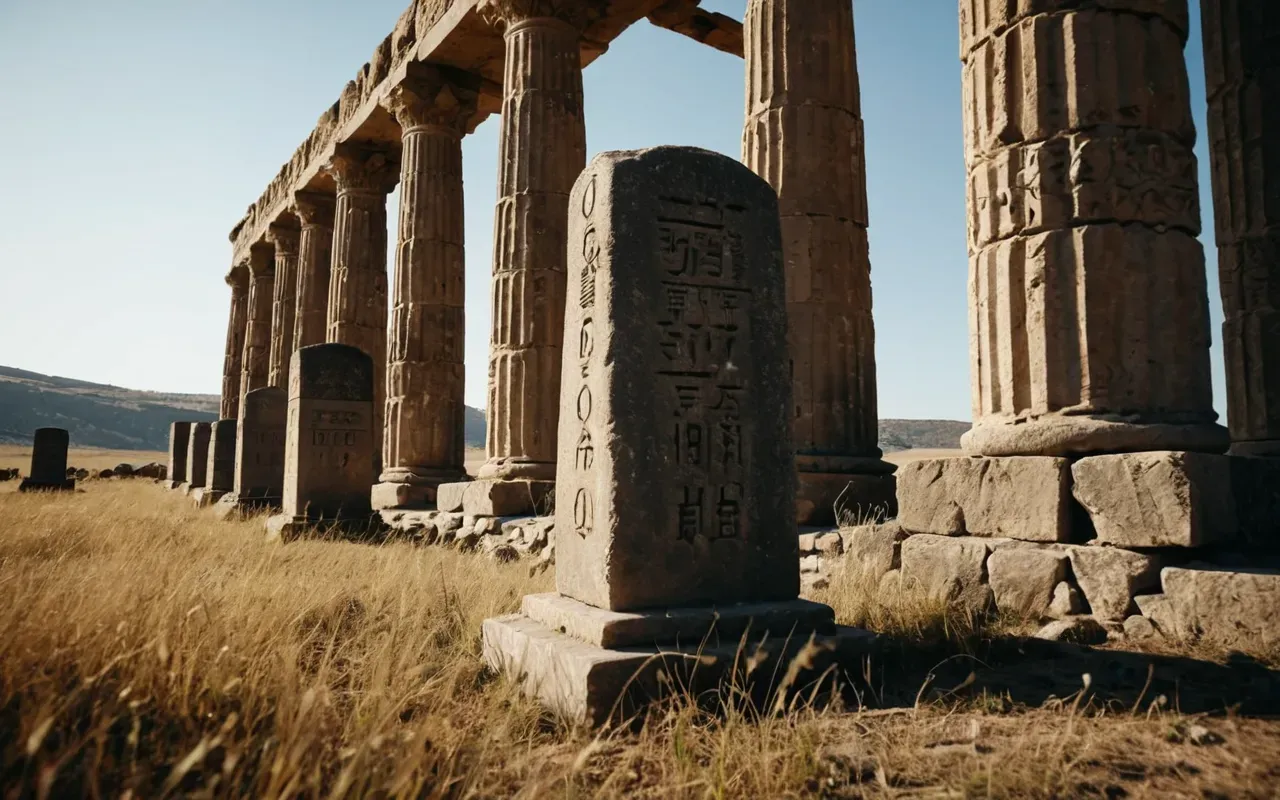
You have seen the footage. It is dramatic. Sweeping drone shots circle massive T-shaped pillars carved with lions and foxes. A deep voiceover tells you that this place changed everything. They say it proves civilization started when humans decided to farm.
But look closer at the script those networks use. They repeat a tired story. It goes like this: hunter-gatherers got lazy. So they started farming wheat and barley. Then they settled down to protect their crops. After that, they had time to build temples.
Here is the problem with that narrative. It is backwards. The stones at Göbeklitepe are older than the first farms in Anatolia by thousands of years. This means people built a massive monument before they invented agriculture. That fact breaks the standard history channel model completely.
Why Broadcasters Love The Farming Myth
It is not just a mistake. It is comfort food for viewers. We like stories that make sense linearly. Cause leads to effect. Hard work creates reward. If we accept that farming caused settlement, then modern society feels earned.
But the reality is messier. Göbeklitepe was active around 9500 BC. The earliest evidence of cultivated emmer wheat in nearby areas appears centuries later. This gap matters a lot to archaeologists who study early human life.
Documentaries often skip this nuance. They show a farmer holding grain next to a pillar. It is visually pleasing. But it ignores the stratigraphy data collected on site since the late nineties. The layers tell a different story than the scripts do.
The Convenience Of Simplification
Think about how complex it is to explain ritual feasting. You need to talk about wild boar hunting and social bonding among nomadic groups. That does not fit into a three-minute segment with catchy music.
So they simplify. They call it the first temple. They imply priests lived there year-round with full bellies from surplus grain. But sediment analysis shows seasonal use patterns instead of permanent urban living.

What The Soil Actually Says About Those First Builders
Let us look at the bones. Archaeologists have found thousands of animal remains in the pits around the pillars. Most are wild boars and gazelles. There is very little evidence of domesticated sheep or goats during the main construction phase.
This changes everything. If these people were farmers raising livestock for meat and milk, we would see those bones. Instead we see intense hunting pressure on wild game. This suggests large groups came together to hunt big animals.
And then they feasted. The pottery shards are rare but present. They contain residues of fermented beverages or meat stews cooked for crowds. Imagine hundreds of nomads meeting once a year at this hilltop sanctuary to celebrate.
Nomadic Coordination On A Massive Scale
Moving those multi-ton stones required planning. You cannot just decide to carve a pillar on Tuesday morning. It takes months of labor from many people working together without wages or kings commanding them.
So how did they organize it? We do not know for sure. But the absence of defensive walls suggests trust among visitors. These were likely kinship networks spanning wide areas coming home to this sacred center.
If you are curious about how new stone finds at gobeklitepe rewire the human timeline, checking recent excavation reports offers deeper insight than any broadcast special.
The Burial Mystery That Channels Ignore
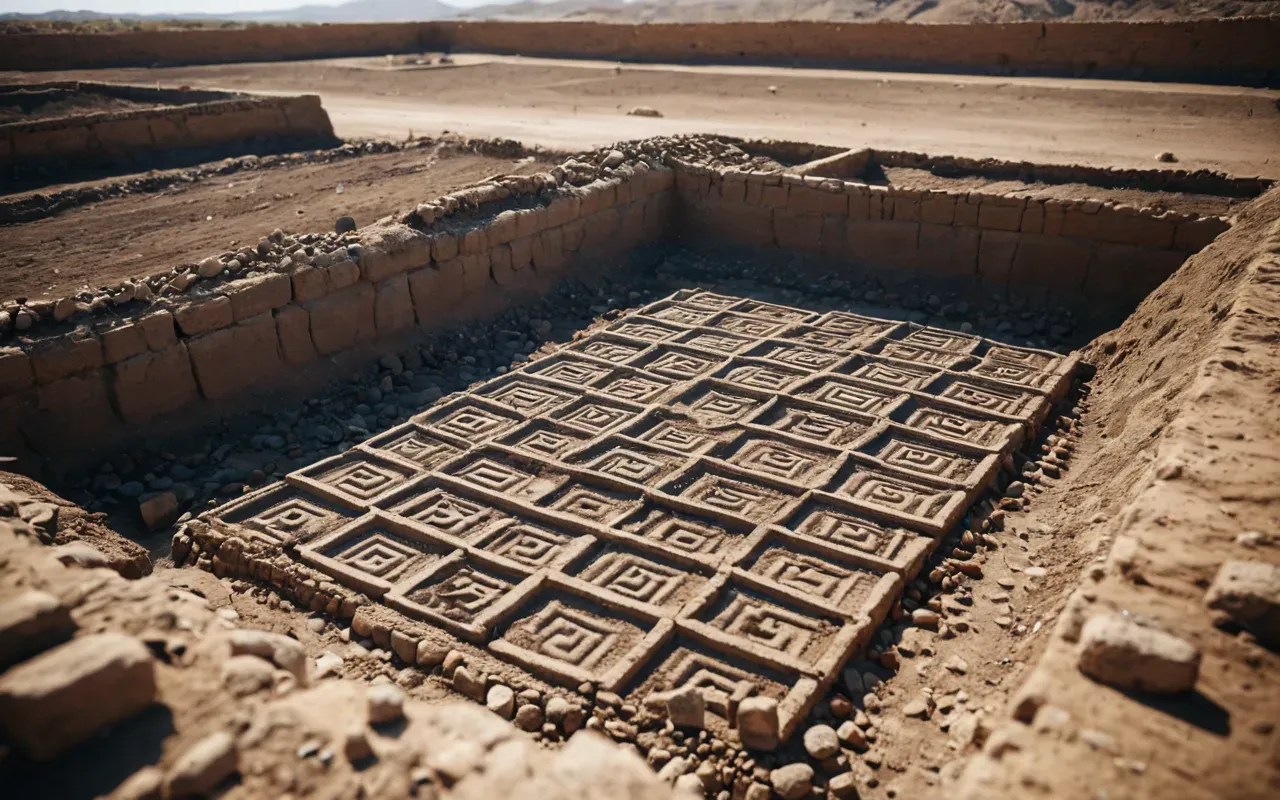
Perhaps the biggest omission in mainstream coverage is what happened at the end. Around eighty percent of the complex was intentionally buried back into the ground after about fifteen hundred years of use.
Why would anyone do that? It makes no practical sense. You could have kept using the space. Or left it open to decay naturally. But they moved tons of dirt specifically to cover up their own work.
Some researchers think it was a ritual act. A way of closing the chapter on an old era as climate changed and society shifted toward settled farming nearby. The history channel rarely mentions this deliberate concealment.
Climate Shifts And Social Change
Ice core data shows a warming trend during the early Holocene. Rainfall patterns shifted across Anatolia. This environmental pressure might have forced nomadic groups to adapt quickly.
As resources became more predictable locally, the need for massive annual gatherings decreased. So they buried their sacred space and moved on to new ways of living that eventually led to true cities.
This transition is subtle. But it is critical for understanding why Göbeklitepe looks so different from later sites like Çatalhöyük or Jericho which show clear signs of permanent residential life.
Why Your Textbook Needs An Update Today
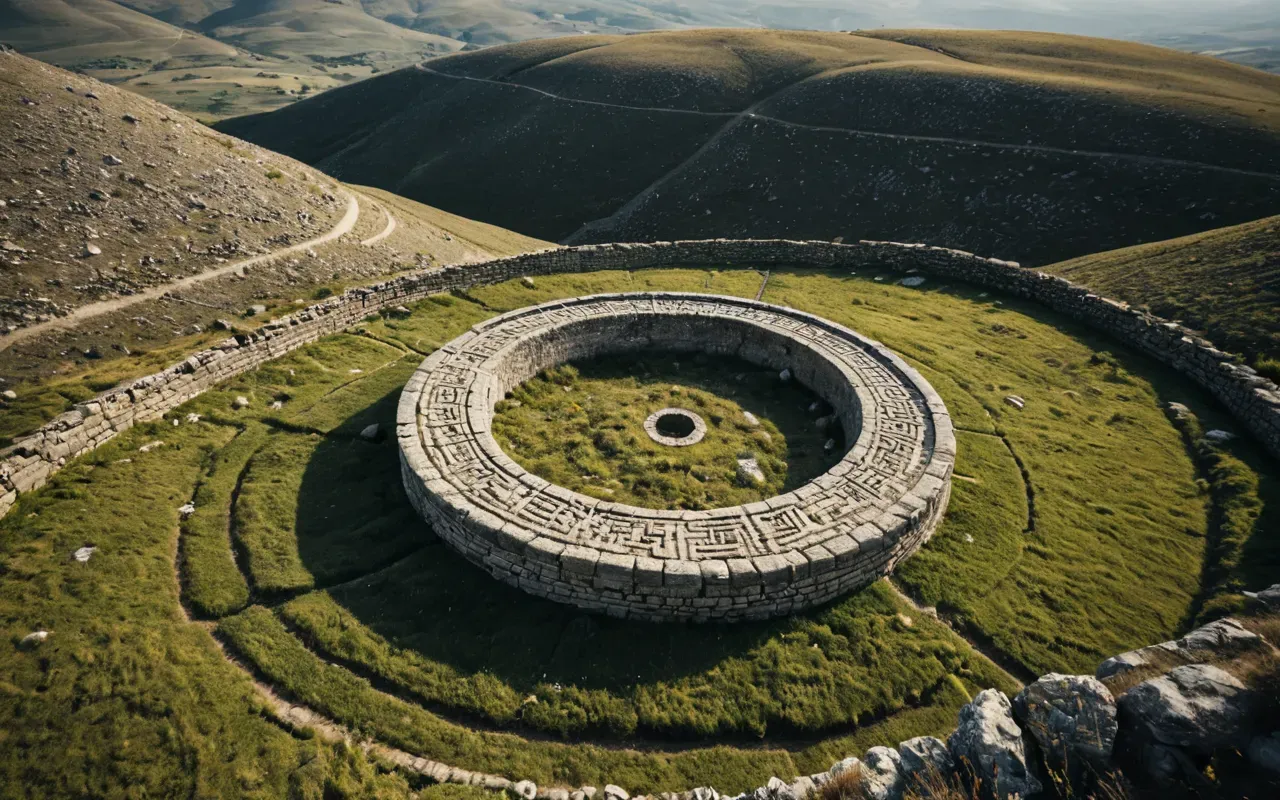
Schools still teach that agriculture was the foundation of culture. We learn about surplus food leading to specialization and then art or religion emerging as a luxury for elites.
Göbeklitepe flips this script. Here we see elaborate symbolic expression preceding food production by millennia. It suggests that belief systems may have driven social complexity before economic needs did.
This idea challenges deep biases in how we view progress. We assume simplicity comes first and complexity follows technology. But maybe spirituality or community identity sparked the innovation instead.
Revising The Human Story Arc
Consider what this means for our self-image. If hunter-gatherers could coordinate huge projects without state control or written language, then modern bureaucracy is not the only path to order.
It gives hope that cooperation runs deeper in our genes than competition does. And it reminds us that ancient peoples were just as clever and organized as we are today despite lacking electricity.
If you want to read more about why your history textbook is wrong about how civilization actually began, there are fascinating arguments waiting online.
The Visual Language Of Those Pillars
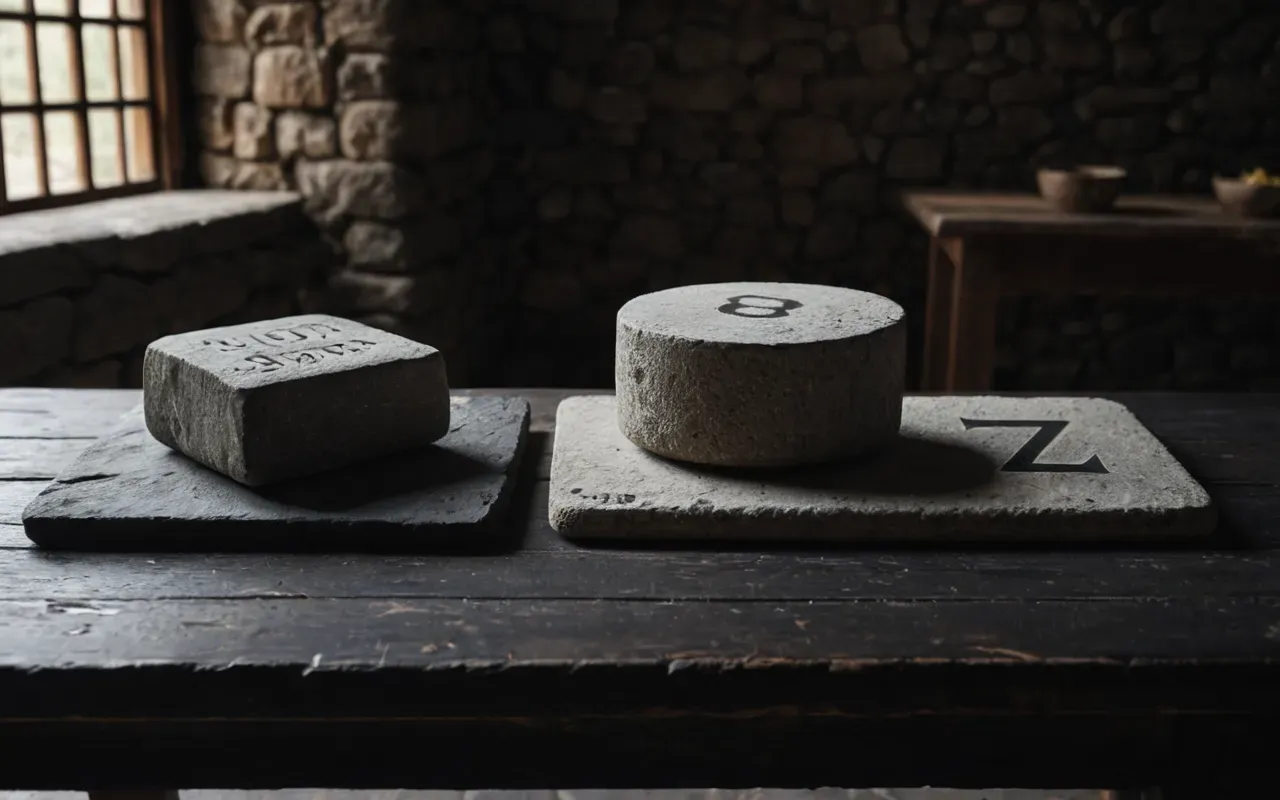
Let us talk about the art itself. The reliefs are strikingly abstract yet recognizable. Lions stand guard. Foxes peer out from stone faces. Birds seem to hover above human figures with no heads.
Why no faces? Some scholars argue the pillars represent humans transformed into animals or gods. Others see them as clan symbols marking territory in a shared sacred landscape.
The absence of facial features might indicate that identity was collective rather than individual. These were not portraits of kings or heroes but representations of group spirits guiding the community.
Symbolism Beyond Literal Interpretation
We tend to look for literal messages in ancient art. But symbolism works differently across cultures and time periods. A snake might mean danger here but renewal elsewhere.
At Göbeklitepe the combination of predators and prey suggests balance. Perhaps it reflects a worldview where humans mediate between forces of nature through ritual action.
This interpretation aligns better with shamanic traditions found worldwide among indigenous groups long before recorded history started documenting religious doctrines.

How Modern Media Shapes Our Perception Now
Social media amplifies sensational claims quickly. Posts claiming aliens built Göbeklitepe get millions of views while careful academic papers gather dust in journals.
This distortion hurts real understanding. When people believe fantasy versions of the past they lose appreciation for genuine human achievement without needing supernatural explanations.
We must demand better storytelling from creators. Accuracy does not have to be boring. In fact nothing is more thrilling than realizing ordinary people accomplished extraordinary things thousands of years ago.
Combating Misinformation Effectively
Start by checking sources directly. Look for peer-reviewed studies from universities conducting fieldwork at the site rather than third-party summaries quoting other blogs.
Visit official museum websites if possible. They often provide updated timelines and photos taken during actual digs which give context missing from dramatized reenactments.
And share corrected information generously. Every time you explain that farmers did not build those first circles, you help restore dignity to prehistoric hunter-gatherers everywhere.
Final Thoughts On Rewriting Ancient History
Göbeklitepe forces us to rethink assumptions deeply. It shows that monumental construction predates agriculture, significantly challenging old theories about societal development stages.
The history channel and similar outlets simplify too much sometimes. Their narratives prioritize entertainment value over archaeological precision, leaving out crucial details about nomadic lifestyles.
But we can do better as an audience. By seeking primary research and questioning comfortable myths, we honor the true ingenuity of those early builders who shaped our collective heritage.
Their legacy lives on not just in stone but in how we choose to remember them. Let us give credit where it is due for their remarkable organizational skills without adding fictional farming backstories.
Frequently Asked Questions
Why do documentaries claim farmers built Göbeklitepe?
Documentaries often rely on outdated models linking agriculture directly to societal complexity. This simplifies the narrative for general audiences despite evidence showing hunter-gatherers constructed early phases of the site.
When was Göbeklitepe actually built?
Construction began approximately nine thousand five hundred BC, making it one of the oldest known monumental structures globally. This timeline predates widespread farming practices in Anatolia by several millennia.
Who exactly built the stone pillars?
Nomadic hunter-gatherer groups likely collaborated on construction efforts without centralized authority. Evidence suggests seasonal gatherings facilitated large-scale cooperative labor necessary for moving massive limestone blocks.
Why was the site intentionally buried?
Researchers believe burial served ritual purposes marking closure of an era. Changing climate conditions and shifting social structures may have reduced need for annual gatherings, leading to deliberate concealment.
Can tourists visit Göbeklitepe today?
Yes, visitors can explore protected areas near Şanlıurfa in Turkey. Facilities include museums showcasing artifacts and guided tours explaining ongoing preservation efforts while respecting archaeological integrity.
For the full overview, see guide to ancient civilizations.
Related in this series: neolithic revolution effects on society.