You are looking at ancient engineering through completely upside down glasses
The viral list everyone is sharing misses the biggest puzzle piece in archaeology right now
A video going around right now claims to list twenty-five mind-bending ancient discoveries. Hydraulic systems. Stone calendars. Stuff that shouldn't exist for its era. People are sharing it everywhere, praising how it wrecks our basic understanding of history.
And I get the excitement. Seeing proof that early humans were engineers and astronomers rather than just cave dwellers is genuinely thrilling for anyone who follows this field.
But here is the thing that bothers me. The list treats these sites as isolated anomalies or freak accidents of time.
It ignores the structural reality that these sites were not accidents at all. They represent a coordinated shift in how groups of people organized labor and resources.
The missing context is the site that actually started this entire wave of discovery. It sits in a region where modern borders have shifted over millennia.
Why the timeline in your history textbook is fundamentally broken at its roots
We are taught a very specific sequence of events. First we hunt and gather for thousands of years.
Then we invent agriculture to settle down. Finally we build big structures like temples and cities.
That is the standard model. It feels logical because it mirrors how industrial societies developed in recent centuries.
But the physical evidence at sites like Göbeklitepe completely inverts that sequence.
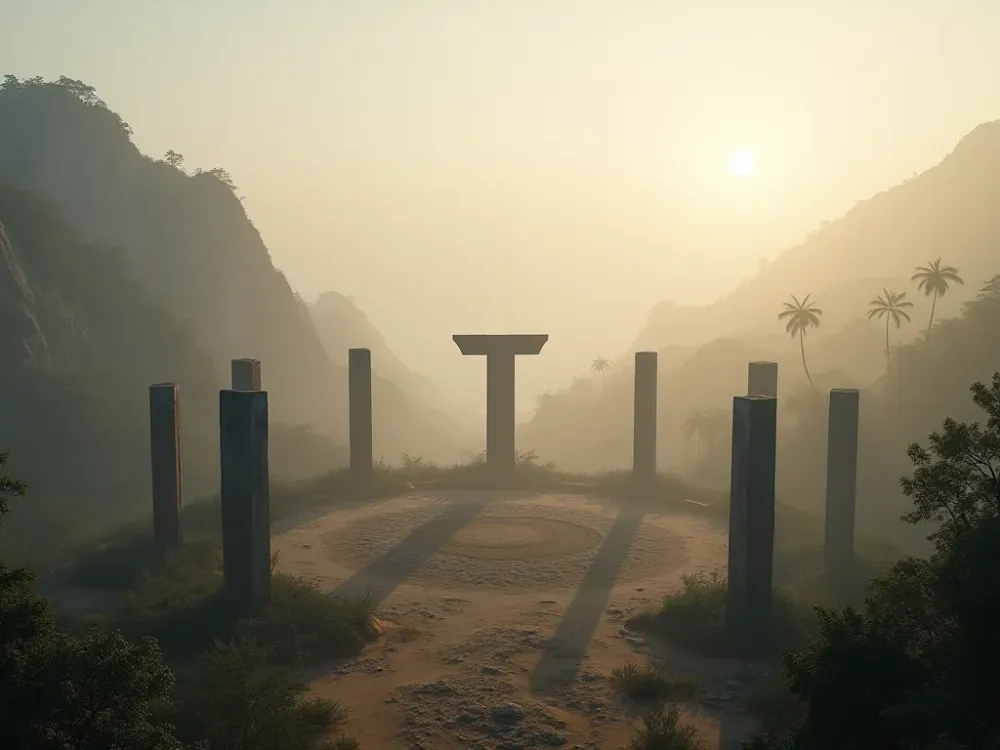
We found massive stone circles and carved pillars dating back roughly twelve thousand years. No farms existed nearby at that time.
People built the structures first and developed food production later. That is a radical departure from what we expected.
The engineering feats hidden inside the oldest known religious structures on earth
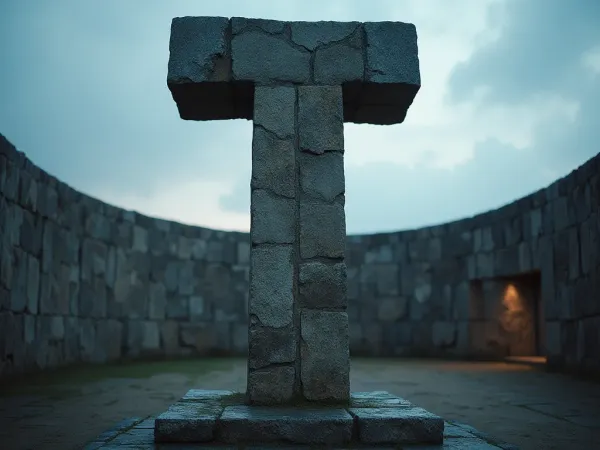
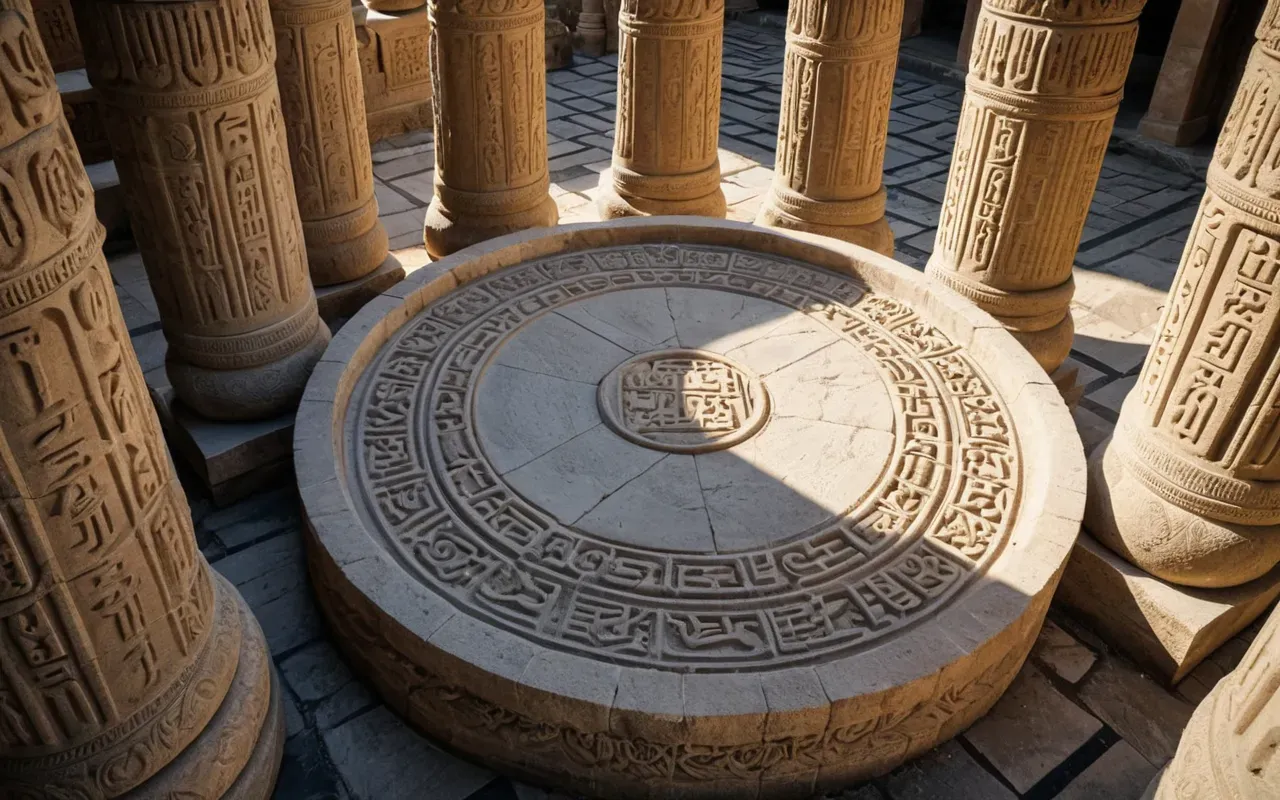
Look at the T-shaped pillars standing in those central enclosures. Each one weighs several tons and was carved from local limestone.
We do not have modern cranes or heavy machinery to lift these objects into vertical positions.
Yet they stand upright after twelve millennia of weather and seismic activity. The precision required to set them is staggering.
The base sockets were cut with remarkable accuracy. This suggests a group of workers who understood load distribution and balance.
It was not just brute force. It was calculated geometry applied to raw stone.
What we are getting wrong about how early humans organized large scale projects
The assumption is that such complex work requires a centralized state. We think you need kings and bureaucracies to mobilize thousands of laborers.
But the evidence points toward a different social model. We likely saw seasonal gatherings of mobile groups coming together for specific building phases.
This implies a level of social coordination that existed long before written records or formal government.
We are rewriting the definition of civilization itself. It was not just about controlling land and food.
The specific discoveries that break the standard narrative of human progress
Take the carvings found on those central pillars. They show vultures and snakes in a specific arrangement.
Some researchers interpret this as an early depiction of death and the afterlife. It suggests a complex belief system was already in place.
We had organized religion before we had agriculture. The motivation for building was likely spiritual rather than economic.
This flips the script on why humans started settling down in the first place.

Why this changes more about our understanding of ourselves than just the dates on a wall
We like to think we are the pinnacle of rational progress. We see ourselves as the species that finally got it right.
But these ancient builders solved problems we are still wrestling with today. They managed large groups without coercion.
They created lasting structures using tools we would struggle to replicate in a primitive setting.
It is humbling. We are not just the inheritors of history. We are part of a long line of problem solvers stretching back thousands of years.
If you want to see how much more is hiding in the dirt and under the sand, check out the hidden engineering that broke our standard timeline for a deeper look at these tools.
The next breakthrough is likely already under the ground waiting to be found
We have only uncovered a fraction of what was built during this period. The known sites are just the visible tips.
New survey methods and better mapping technology are revealing structures that were previously invisible.
Every new find adds another layer to the complexity of early human life. It is not a simple story.
It is a messy and brilliant experiment in how to live together on this planet.
And that is the real lesson hidden inside those viral lists. We are not just looking back at the past.
We are learning how we function as a species when stripped of modern technology.