The secret hiding in plain sight at Gobeklitepe that broke every rule we knew about history
The myth that refused to die and the science that finally buried it
For decades, a whisper circulated in certain circles. Early humans, the story went, were too simple to build complex societies on their own. Someone must have shown them how — external forces, advanced outsiders, take your pick.
I used to find this idea fascinating. It felt like a secret code hidden in the past. Then I looked closer at the actual data. The evidence simply does not support these diffusionist claims.
Modern genetics and archaeology tell a different story. Complex societies emerged through local innovation and trade networks. We are seeing independent development across regions without outside help.
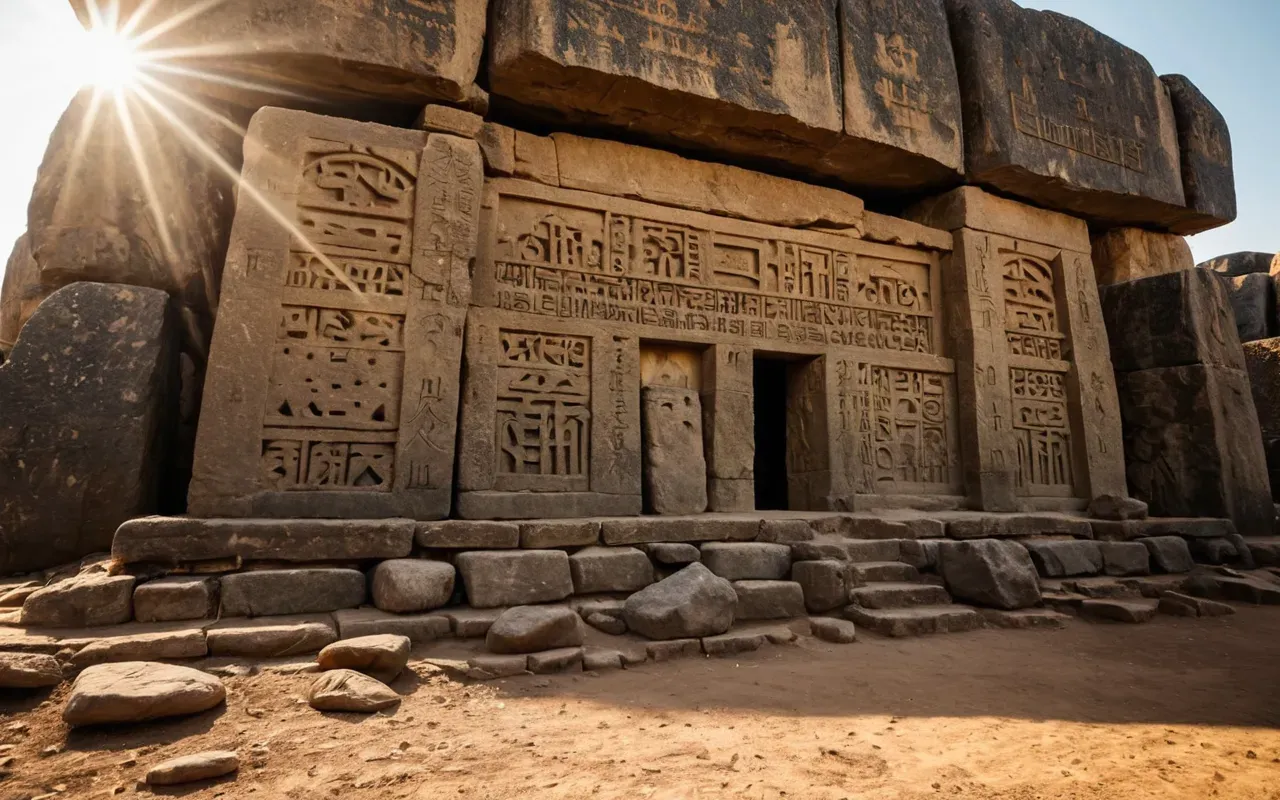
Why Göbekli Tepe still defies every expectation we have about the past
Göbekli Tepe sits on a ridge in southeastern Turkey. It is older than the pyramids and Stonehenge combined. Yet for years it was covered by earth, hidden from view.
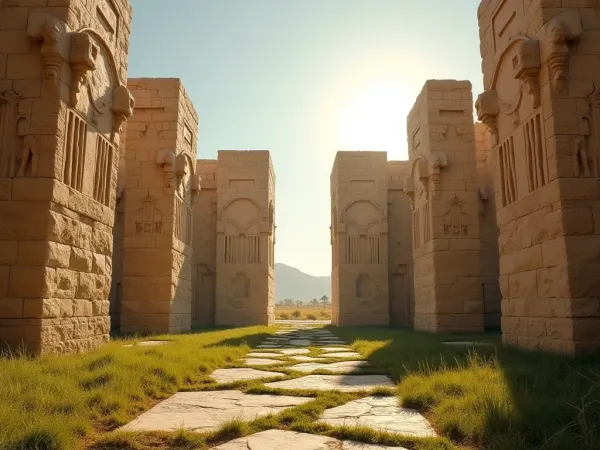
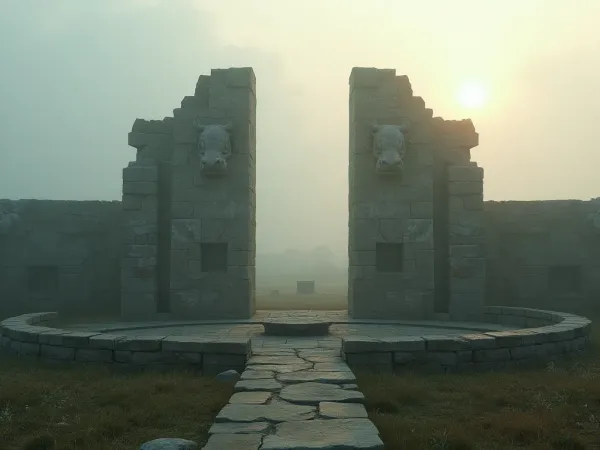
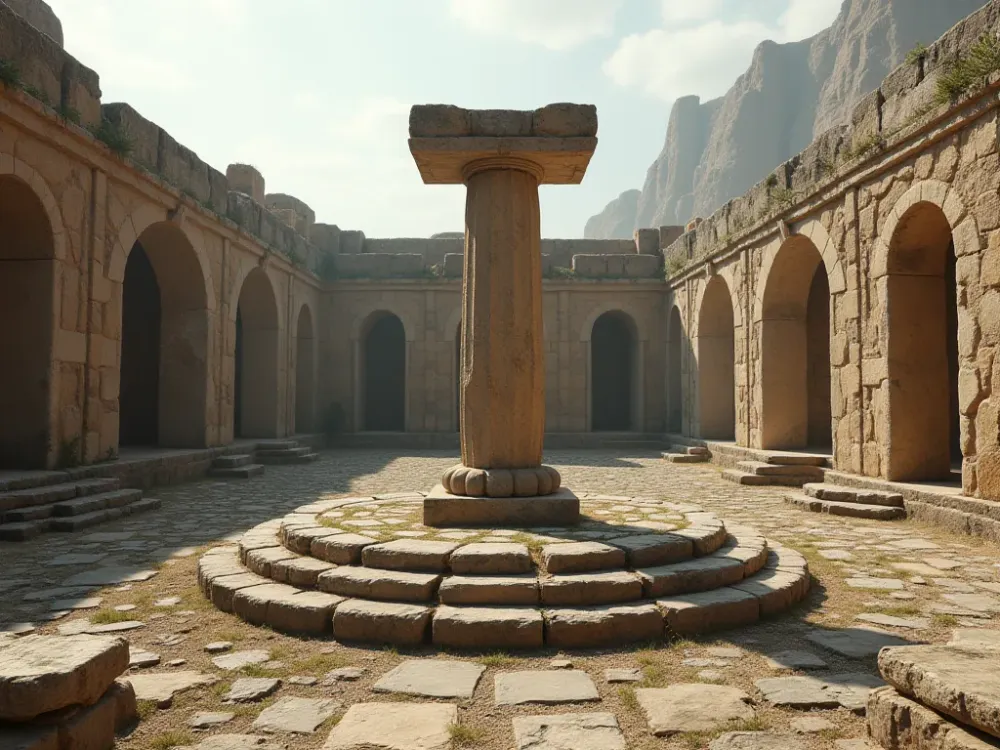
When excavations began in the late th century, everything changed. The site revealed massive T-shaped pillars carved with animal reliefs. These were not simple tools or shelters.
They suggest a society with organization and belief systems. People gathered here for reasons beyond survival. This challenges the idea that agriculture came before complex social life.
I remember reading about this shift. It felt like the ground was moving under my feet. How could hunter-gatherers build such monumental architecture? The answer lies in community effort and shared meaning.
The genetic evidence that silenced the skeptics once and for all
Physical anthropology provides hard data. DNA analysis from ancient remains shows clear local lineages. There is no evidence of sudden population replacements by advanced outsiders.
Instead, we see gradual change and adaptation. Genetic markers trace movements within the region over millennia. This supports a model of continuous local development rather than external imposition.
To be fair, some alternative theories persist online. They often rely on vague claims and lack peer review. But mainstream science demands rigorous proof. The bar is high for a reason.
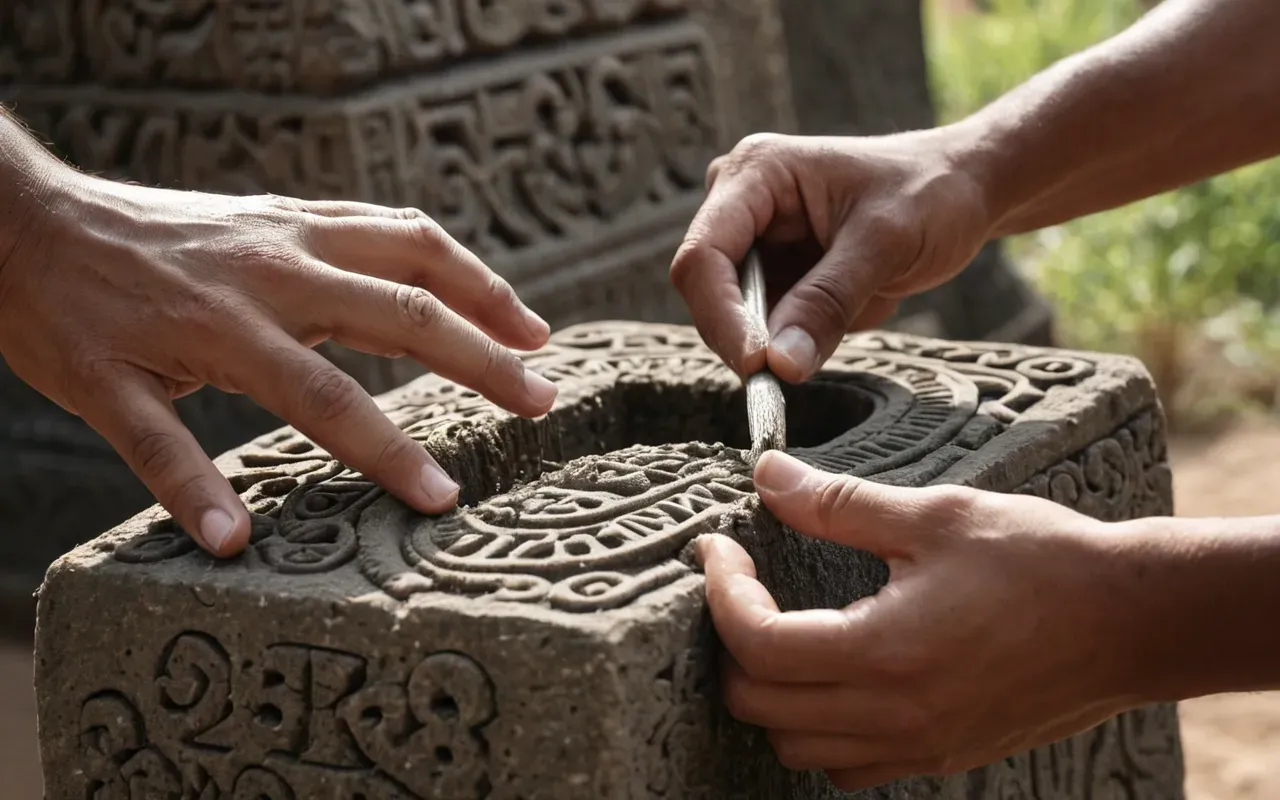
How trade networks connected isolated communities into a complex web
Material culture tells the real story. Artifacts found at Göbekli Tepe include obsidian from distant sources. This indicates established trade routes long before writing existed.
These exchanges shared ideas and technologies. Communities learned from each other without one dominating another. It was a collaborative process of cultural adaptation across the region.
This network effect explains rapid development. Ideas spread fast through contact points. Local innovations became shared resources for neighboring groups.
It is a far more human story than the myths suggest. We were not passive recipients of wisdom from above. We actively built our world through connection and cooperation.
The role of shared beliefs in driving collective action
Belief systems likely provided the motivation for large-scale projects. Ritual gatherings could mobilize labor effectively. This social glue held communities together during construction.
The carvings on pillars suggest symbolic meaning. Animals and celestial objects may have held spiritual significance. This intangible layer drove tangible architectural achievements.
Understanding this helps us see the full picture. It was not just engineering skill. It was a shared vision that transcended individual needs and drove collective effort.
What this means for how we understand human potential today
The implications extend beyond archaeology. It challenges modern assumptions about progress and development. We often view complexity as a linear outcome of technology alone.
But Göbekli Tepe shows social organization can precede technological advancement. Communities created structures before settling permanently. This reverses the traditional narrative order.
It suggests that shared identity and purpose can drive remarkable achievements. We do not need external validation or superior resources to build something meaningful.
This is a powerful reminder of our capabilities. We are creative and collaborative by nature. The past proves we have always had this potential within us.

The ongoing debate and why it matters to you personally
You might wonder why this old argument still dominates headlines. It touches on identity and origins. People want to know where they come from and how their ancestors lived.
Alternative theories offer simple explanations for complex phenomena. They feel satisfying because they provide clear answers to difficult questions about the past.
But simplicity often comes at the cost of accuracy. The reality is messier and more nuanced than any single narrative can capture. We must embrace this complexity to understand our history fully.
Engaging with real science helps us navigate these claims critically. It equips us to distinguish fact from speculation in public discourse about ancient civilizations.
Looking ahead at what future discoveries might reveal next
Archaeology is never finished. New technologies like ground-penetrating radar may uncover hidden structures at Göbekli Tepe and other sites.
Genetic studies will continue to refine our understanding of population movements. More precise dating methods could reshape timelines for key developments in human history.
Each new find adds a piece to the puzzle. The picture becomes clearer and more detailed over time. We are witnessing history being written in real-time by modern science.
This is an exciting era for those who care about the past. The tools we have now allow deeper insights than ever before into how our ancestors lived and thought.