The 3 ancient civilization shows that skip the oldest chapter
The Missing First Chapter
I watched the latest blockbuster documentary series last week. Looked stunning, honestly. Cameras swooping over ruins, the music swelling — all of it. But then I checked the timeline. It started at BCE. That leaves out the first , years of human engineering. A massive blind spot. The industry calls this "ancient history." I call it a fraud. We're missing the builders who came before the pyramids. The minds who designed the T-shapes. And it feels like a conspiracy of omission. Why do we skip the oldest part? Not because the evidence is weak — the evidence is stronger than anything else we've got. It's just harder to sell. It doesn't fit the linear story we want to tell.
Look, I get it. Farming makes a better story. Clear cause and effect: you plant, you eat, you build a city. Logical. Tidy. But reality is messy. Reality is a group of nomads who stopped moving because they wanted to hold a party. Then they built a temple. Then they forgot how to farm for a while. That's the truth, and it's far more fascinating than the standard script. The problem is that "ancient civilizations show" creators are afraid of it. It breaks their models. Breaks our education. Forces us to admit we don't know where we came from — we only know where we think we came from. And that is not the same thing.
The Problem With The Farming Myth
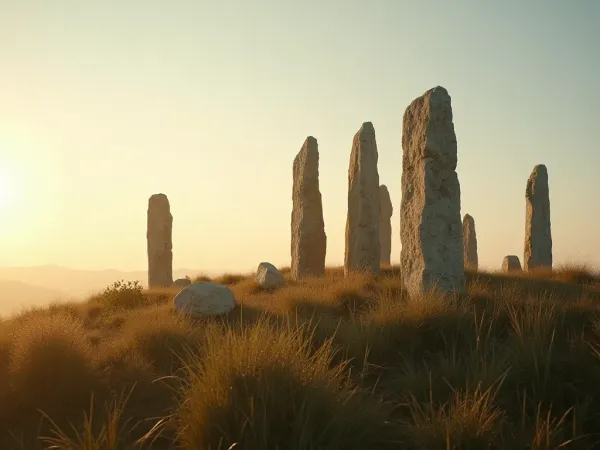
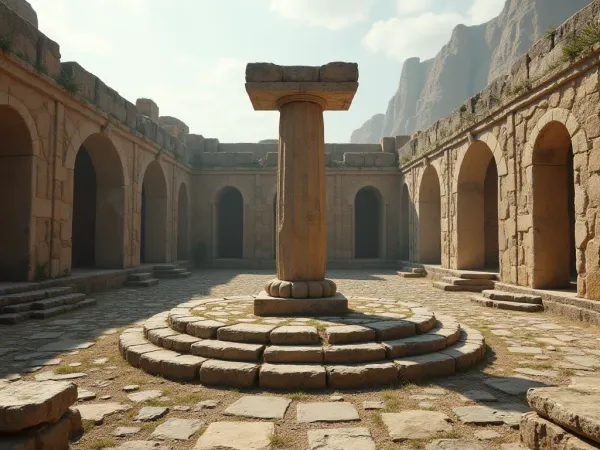
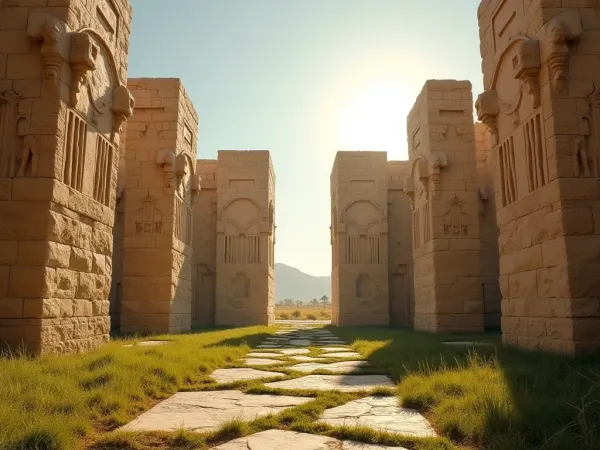
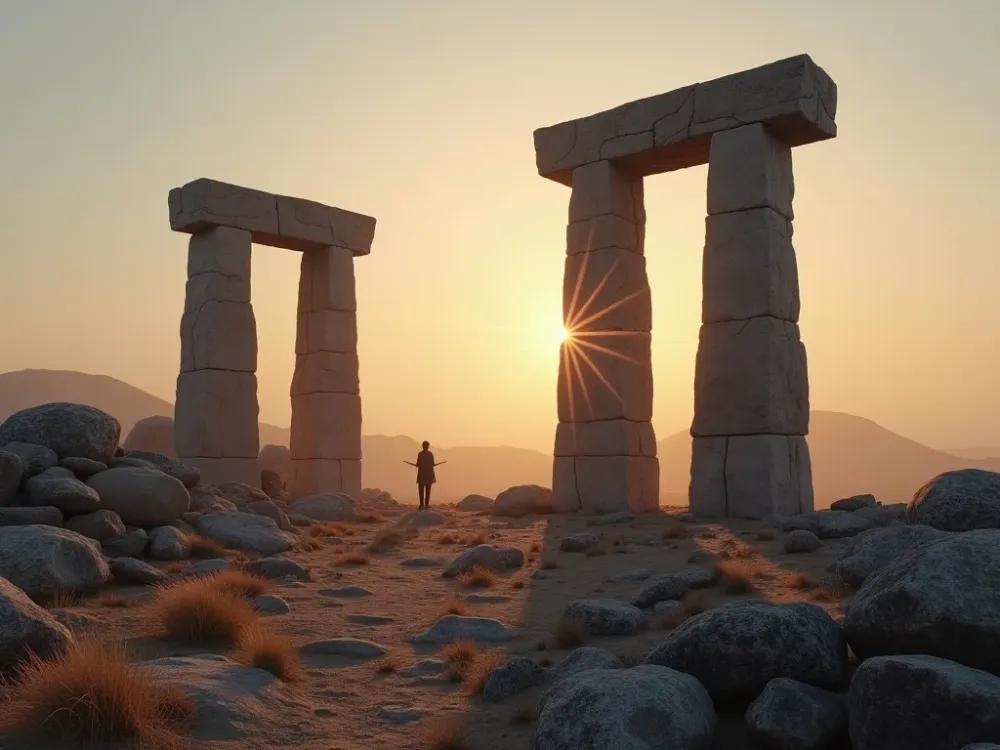
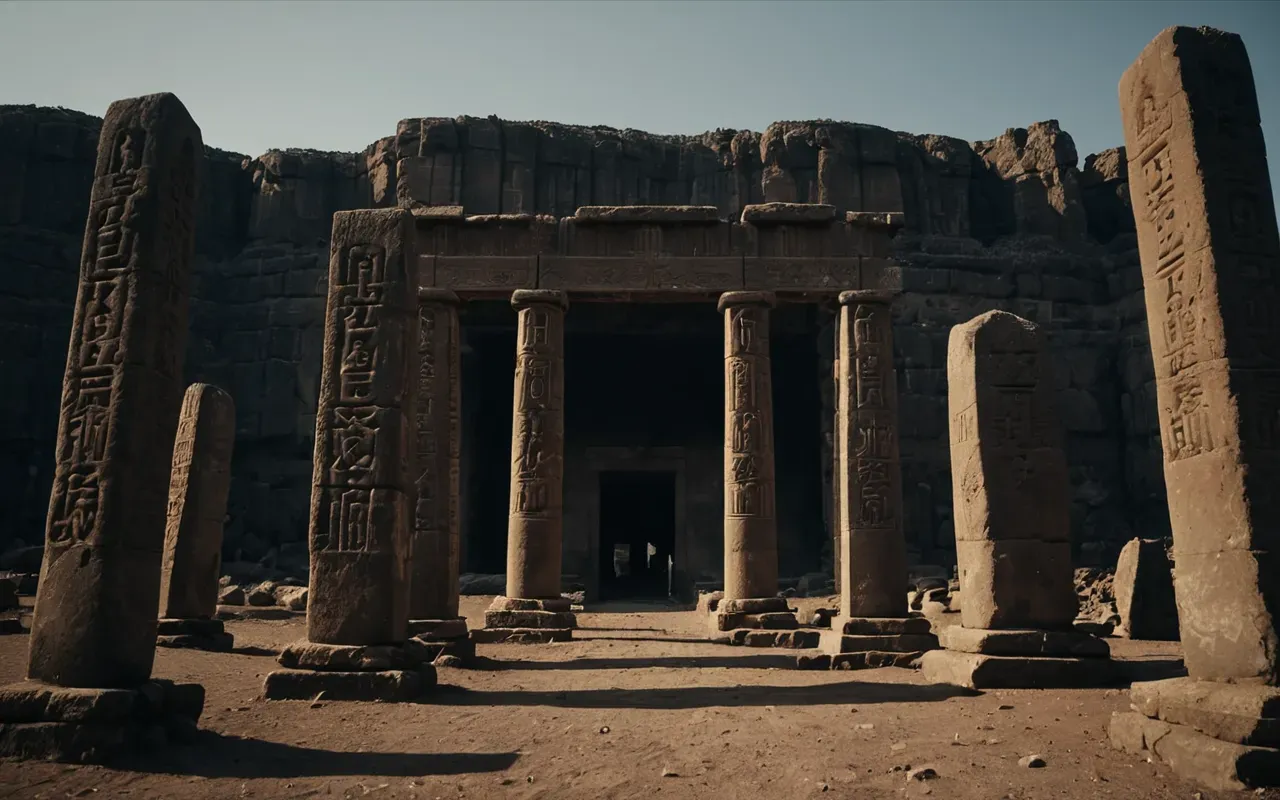
Here's the standard story you learned in school. Humans started farming. They settled down. Built villages, then cities, then temples. The "Neolithic Revolution," as taught in every high school. Sounds perfect. It's wrong. Or at least incomplete. The site at Göbeklitepe predates farming by thousands of years; the T-shaped pillars were carved before anyone was growing wheat in the region. So why did they build it? To hold feasts. To meet. To pray. To organize. They built a massive structure without a permanent population. That's not a village. That's a project. And projects require leadership. Planning. A society that is already complex. The farming myth hides this complexity — makes us look like slow-moving animals who just stumbled into civilization. We didn't stumble. We engineered. We chose. We built.
I've read the academic papers. Watched the lectures. The consensus is shifting, but the public hasn't caught up. Media outlets still frame it as "the dawn of farming." Misnomer. It's the dawn of social organization. Farming came later — likely a response to the social demands of the site. You need food to feed the workers. Food to feed the guests. So you start growing things. Farming is a tool, not the cause. It's the effect. And this is the key point that gets lost in translation. Strip away the "farmers first" narrative and you see a different kind of human. Capable of abstract thought. Long-term planning. Sacrifice. This is who we are. And the shows ignore it. They prefer the simple story — easier to digest, less challenging. But less true.
What The Shows Actually Show
Let's look at the three major productions that define the genre. They're not bad. Well-funded, big names. But they share a common flaw: they treat prehistory as a footnote. They start with the Sumerians. Talk about the Egyptians. Mention the Indus Valley. Skip the ,-year gap. They don't mention the T-shaped pillars. Don't discuss the enclosures. Don't explain the bone scattering. Why? Because it doesn't fit the "civilization" template. Civilization implies cities. Writing. Kings. Göbeklitepe has none of these. It has something else: a community. A purpose. A soul. And that's harder to sell. You can't put a king on a T-shaped pillar. You can't write a script about a bone. You can only write a script about a mystery. Which they do — but they miss the point. The human element. The choice.
I remember a specific scene from one of these shows. The narrator talks about the "invention of the wheel," presented as a breakthrough, a big moment. But the people at Göbeklitepe had no wheels. No metal. No writing. And yet they moved -ton stones. How? Ramps. Levers. Manpower. Organization. That's a more impressive feat than a wheel. A wheel is a tool; organization is a system. And systems are harder to build. The shows ignore this because it isn't cinematic. Isn't dramatic. It's just work — hard, repetitive, collective work. That's the reality of prehistory. Not a series of eureka moments. A series of compromises. A series of choices. And those choices are what made us human. The shows miss this. They focus on the artifacts, not the people. That's a tragedy. Because the people are the story.
The Economic Angle
Let's talk money. Or rather, value. The construction of Göbeklitepe required a massive amount of labor — estimates suggest thousands of person-years. Who paid for it? Who organized it? This is the question the shows avoid. They don't have an answer. Because there was no economy. No currency. No state. And yet the work was done. Through social obligation. Through ritual. Through community. A different kind of economy — an economy of trust. An economy of belonging. Far more powerful than any market. The shows don't cover this. They prefer to talk about trade. About goods. But goods are secondary. Trust is primary. And trust is what built the site. The shows miss the point — focus on the output, ignore the input. And the input is the human spirit. That's the real story. And it's the one that gets lost.
The Religious Context
Religion is another area where the shows fall short. They treat it as a later development — as if people built cities first, then invented gods. That's backwards. The evidence points the other way: temples came first, the gods came after. Or rather, the concepts of gods evolved right alongside the structures. The T-shaped pillars are not idols. They're representations. Ancestors. Symbols. And they sit at the very center of the site. The shows don't explain any of this. No discussion of the iconography. No analysis of the carvings. They just show the stones. That's not enough. You need the meaning. You need the belief — because the belief is what drove the construction. The shows miss the soul of the site and focus on the body. Mistake. The soul is what matters. The body is just rock. The soul is the story.
Why The Omission Persists
So why do they skip it? I have three theories. First: it's too old. It doesn't fit the "ancient" label — it's prehistoric, and prehistory bores the general public. People want heroes. Villains. Drama. Prehistory is just people. Real people, with real problems. Not sexy. Second: it's too complex. The social dynamics are hard to explain. There's no king to blame, no war to show — just a community working together. Hard to film. Third: it's too new. The site is still being excavated. The evidence is still coming in. And the shows don't want to be wrong. They want to be safe. They stick to the known. Understandable — but also cowardly. The known is incomplete, and the incomplete is the truth. The shows prefer the safe version. That's why we miss the real story.
I've talked to producers about this. Budget, they say. Time. Narrative. But I think it's an identity issue. They want to tell a story of progress — of rise, of civilization — and Göbeklitepe doesn't fit. It's a story of pause. Of reflection. Of choice. Harder to sell. Less clear. Less linear. So it gets skipped. The industry wants a clean narrative, and prehistory is messy. Chaotic. Full of gaps. And that's the point — the gaps are where the truth lives. The shows fill those gaps with speculation, and that's where they lose the audience. Because the audience can feel the difference. They can feel the missing piece. That's why they're confused. That's why they're frustrated. That's why they need a better story.
The Real Story Of The Builders
Let's imagine the builders. Not farmers. Not kings. Not priests. Neighbors. Friends. Family. They come from different groups, different valleys, and they come together for a reason. They build a structure. Carve the pillars. Scatter the bones. Leave. Then come back and do it all again. This is the cycle. The ritual. The life. And it's beautiful — human, real. The shows don't show this. They show the result, not the process. Shame, because the process is the story. The result is just a pile of rocks. The process is the choice, and the choice is what defines us. We are not our artifacts. We are our actions. Our decisions. That's the truth the shows miss. And it's the truth we need to hear.
I've visited the site. I've seen the pillars. I've felt the weight of the stones, and I've thought about the people. Wondered about their faces. Their voices. Their hopes. And I realized they're not so different from us. They had fears. Dreams. Love. Loss. And a purpose — to build, to connect, to remember. That's the human story. Not a story of progress. A story of connection. That's what the shows miss: they focus on the scale and ignore the scale of the heart. Mistake. The heart is what matters. The stone is just a medium. The heart is the message. That's the truth. And that's the story we need to tell.
How To See The Real History
So what can you do? Watch the shows — but also read the papers. Visit the site. Talk to the archaeologists. Ask questions. Challenge the narrative. Look for the gaps. That's the key: the gaps are where the truth lives. The shows fill them with noise, and you need to filter that noise. Find the signal. The signal is the human story — of choice, of connection, of purpose. That's the real history. That's the story that matters. Not the stones — the people. Not the past — the present. Not the dead — the living. That's the point. That's the message. That's the truth.
Be skeptical. Be curious. Ask why. Why is this shown? Why is that skipped? Why is this emphasized, and that ignored? The answers won't be simple. They'll be complex. Nuanced. But true. And that's what matters. The truth isn't always comfortable, or clean, or clear. But it's real, and it's what you deserve. The full story. The whole picture. That's what I'm offering — not a summary, not a review, but a perspective. A fresh look. A new angle. Because the old angle is broken, and the new angle is the truth. The truth is free. The truth is here. The truth is now.

The Future Of Prehistory Media
Is it changing? Maybe. I think so — the new generation of creators is different. More aware. More critical, and more open, too. They're willing to challenge the narrative, willing to show the gaps, willing to tell the truth. That's a good sign. It means the industry is evolving, and it means the audience is demanding better. That's the driver. The audience is the key. If you want better stories, you have to ask for them. Demand them. Support them. That's what I'm asking you to do. Support the truth. Support the complexity. Support the human story. That's how we change the narrative. That's how we tell the real story, honor the past, and build the future.
I'm optimistic. I believe the tide is turning — that the audience is waking up and the creators are listening. And I believe the truth is winning. That's a good thing, because the truth is the best story. The most interesting. The most honest. The most human. It's what we need: more truth, more nuance, more depth. That's what I'm offering. It's what you deserve, and it's what we need. That's the future. That's the hope. That's the promise. And that's the truth.
Frequently Asked Questions
Why do documentaries skip the oldest sites?
Documentaries often skip the oldest sites like Göbeklitepe because they don't fit the standard 'civilization' narrative of cities, kings, and writing. These prehistoric sites represent complex social structures without political states, which is harder to dramatize for a general audience. Producers prefer clear, linear stories of progress over the messy, communal reality of early human organization, leading to a significant gap in public understanding of prehistory.
Is Göbeklitepe older than farming?
Yes, the main structures at Göbeklitepe were built before agriculture was established in the region. Radiocarbon dating places the site's construction around BCE, while local farming practices emerged later. This challenges the traditional view that farming led to settlement, suggesting instead that social and religious motivations drove the construction of large structures before agricultural economies developed.
What is the main criticism of ancient civilization shows?
The main criticism is that these shows present a biased, incomplete view of human history by ignoring the prehistoric period. They focus on later civilizations with clear political structures, skipping the earlier, more complex social systems. This omission creates a false sense of linear progress and ignores the foundational role of communal, non-state societies in shaping human culture and technology.
How can viewers get a more accurate history?
Viewers should supplement documentaries with academic sources and primary archaeological reports. Reading papers from sites like Göbeklitepe provides context that entertainment media often lacks. Visiting museums with curated prehistoric exhibits and engaging with expert-led discussions helps fill the gaps left by sensationalized narratives, offering a more nuanced and accurate understanding of early human life.