Your teeth are holding a secret about where humans actually came from
The Chemical Code Locked Inside Ancient Enamel
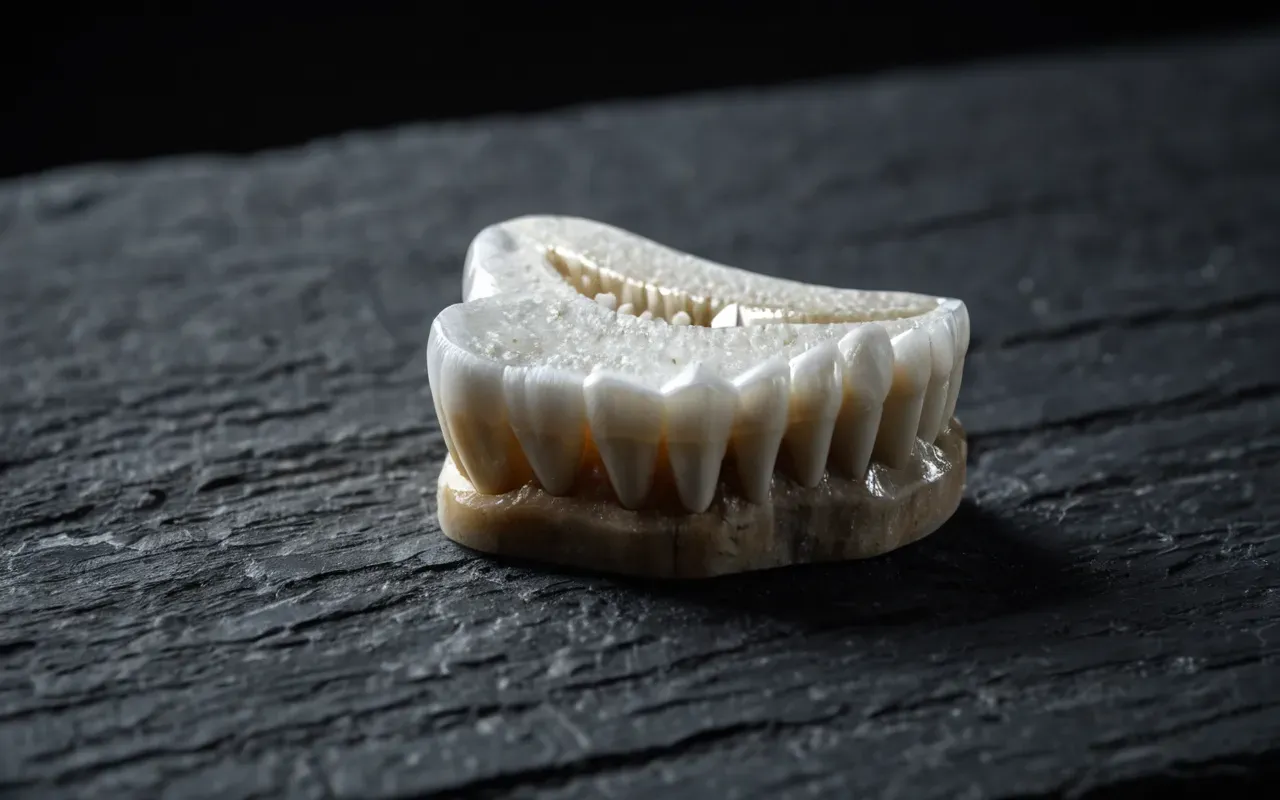
Here's a fact that nobody ever taught you in school. Your teeth aren't just for chewing. They're tiny biological hard drives.
Bones crumble. Wood rots away. But tooth enamel? It stays hard for millions of years. It barely changes after it forms.
That stability is exactly what makes teeth so precious to scientists. When an animal was young, the food it ate left chemical signals in its enamel.
And those signals don't fade. They just sit there, waiting for modern instruments to come along and read them.
So when researchers drill a tiny bit of powder out of an ancient tooth, they're not just looking at calcium. They're reading a menu.
Why This Changes More Than People Think
Most people picture early humans as simple hunters. They chased big game and ate meat whenever they could get it.
But the tooth data tells a different story. It shows that our early relatives were eating almost anything available.
Fruits. Leaves. Roots. Whatever the environment offered that season. And this flexibility wasn't a weakness.
It was a survival strategy. When the landscape shifted from forest to grassland, they adapted.
This matters because it challenges the idea of a single linear path to modern humanity. We're not just one type of animal.
We're a mosaic of adaptations. And honestly, that makes us more resilient than we give ourselves credit for.
The Landscape That Shaped Us
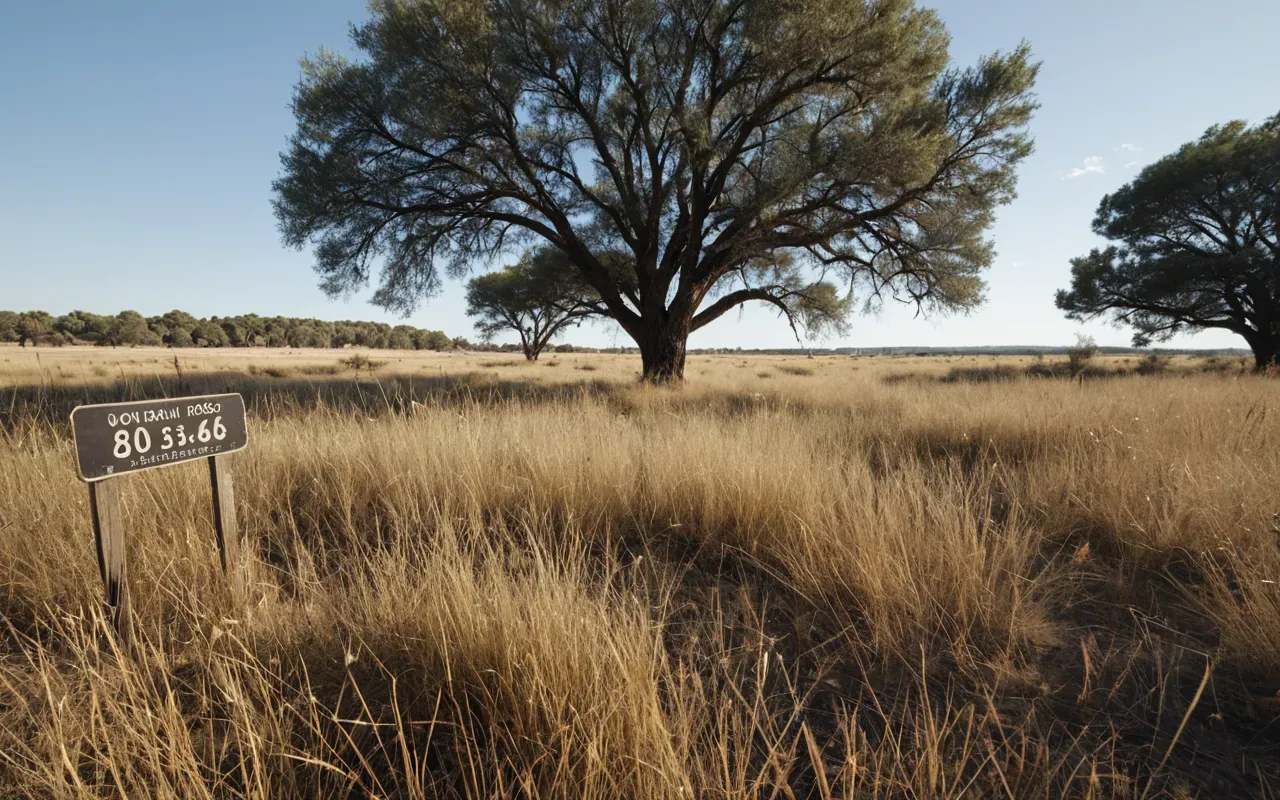
Four million years ago, the region wasn't dry. It had rivers. Lakes. Wooded areas.
It was a patchwork of environments. Animals moved through it all the time.
As tectonic plates pulled apart, the climate shifted. Grasslands expanded.
Animals that could eat grass thrived. Those that couldn't either adapted or disappeared.
Early humans were right in the middle of it. They had to be flexible just to survive.
That flexibility is why we're here today. Not because we were the strongest or fastest.
What The Teeth Tell Us About Adaptability
When scientists analyze teeth from different rock layers, they can see exactly how diets changed over time.
Deeper layers show older animals. Shallower layers show younger ones. The pattern is unmistakable.
Some animals specialized in one food source. Others kept their options open.
The ones that survived the biggest shifts were the flexible eaters. And that's a lesson for us today.
Why This Matters For Our Understanding Of History
We often think of the past as a fixed story. But it wasn't.
It was a series of choices. Choices shaped by whatever food happened to be available.
If you're interested in how human history is being rewritten, this research fits right into that story.
We're not just looking at the past. We're learning how to adapt in the present.
The Implication Nobody Is Talking About
Here's the part that really gets to me. We're not just studying dead animals.
We're studying the rules of survival. And those rules still apply today.
Flexibility is not a sign of weakness. It's the strongest trait we have.
When the world changes, the ones who can eat anything survive. That's not just biology.
It's a principle. And it applies to how we solve problems in our own lives.
So the next time you eat something new, remember. You're doing exactly what your ancestors did to stay alive.

What This Means For The Future Of Research
And this research isn't done. Scientists are still finding new things in old teeth.
Every sample adds another piece to the puzzle. And the picture keeps getting clearer.
We're learning that early humans weren't just surviving. They were thriving.
And they did it by being adaptable in ways we're only beginning to understand.
If you want to see more about how ancient history is being challenged, this is just the start.
The past isn't finished with us. It keeps teaching us new things.