The temple label on Göbeklitepe is a modern marketing lie that archaeologists are finally dismantling
The Big Lie We Have Been Sold About The First Temple
For two decades, we've been handed a single, tidy narrative. It goes like this: twelve thousand years ago, humans just… stopped wandering and started praying.
They raised massive stone circles. They buried them on purpose. And supposedly, it was all driven by some deep, mystical urge to worship.
It's a lovely story, honestly. It slots right into our modern assumption that civilization grows out of faith, that belief comes first and everything else follows.
But I've spent time looking at the actual dirt. And what's really there is richer, stranger, and a whole lot less mystical.
Here's the thing: "temple" wasn't a discovery. It was a decision. A label chosen in editorial meetings and broadcast by media outlets.
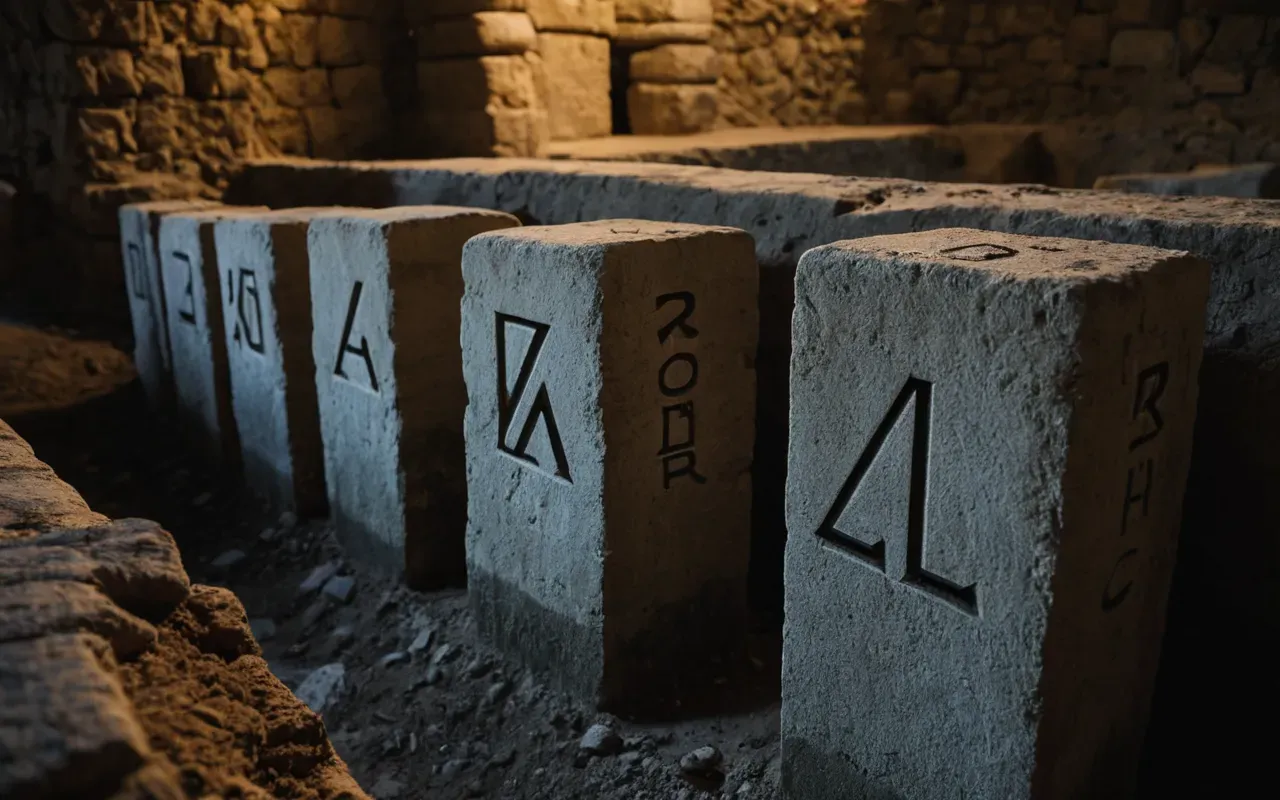
Why The Temple Story Took Hold So Quickly
Back in 2006, a major news magazine put Göbeklitepe on its cover. They tied it straight to biblical narratives and ancient mysteries.
Suddenly, it wasn't just a stone circle anymore. It became a place where divine truths were supposedly carved into rock.
That framing stuck. It sold books. It pulled in tourists hunting for alien signals or lost gods.
But the people who actually built these structures didn't live in a vacuum. They lived their lives right on top of them.
The Evidence That Breaks The Myth Completely
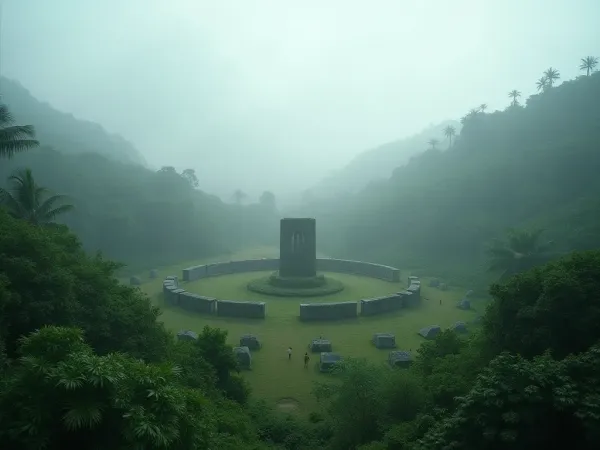
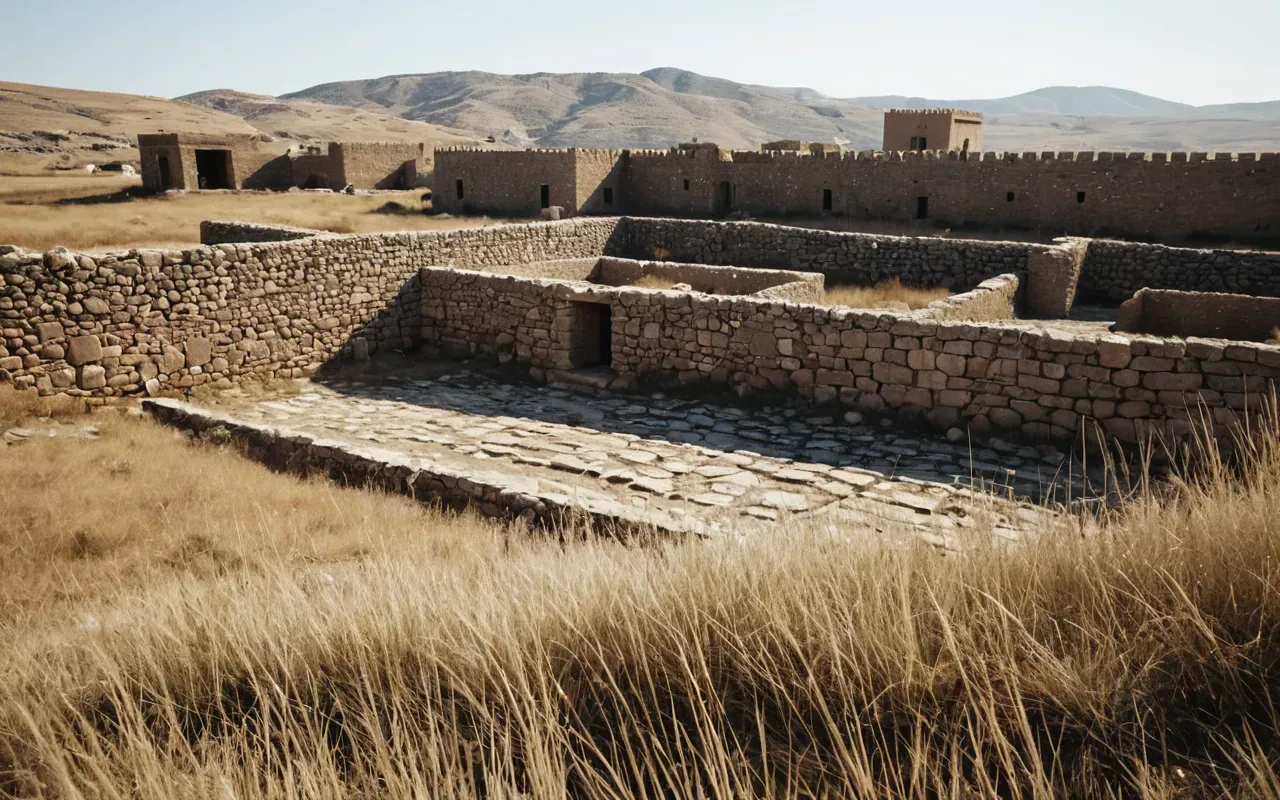
Everything shifted in October 2025, when new georadar surveys came through. Finally, we can see the dwellings that were there all along.
These aren't empty monuments. They're part of a settlement, complete with homes and water management systems.
We found grinding stones. We found food remains. We found traces of people eating, working, and living together.
This isn't a pilgrimage site. It's a community hub, a place where people gathered to labor and share meals.
Cooperation Was Not Driven By Fear Or Religion
The old argument says only religion could have compelled people to drag such heavy stones into place.
But look at the desert kites scattered across the region. Massive traps built to funnel herds of gazelles.
Constructing those required hundreds of people working in perfect sync. And no priests were barking orders.
These communities already understood cooperation. They shared resources, planned hunts, coordinated everything together.
The big circles were just an extension of that existing social capacity. Not some brand-new religious invention.
What The Statues Actually Represented
We see phallic imagery and jump straight to patriarchal gods. But that's a modern projection, pure and simple.
The figures blur gender lines. They mix human and animal traits in ways that resist simple categories.
They probably point to a relational worldview, where humans and nature are tangled together. Not separate deities ruling from above.
If you want to see just how much we've overlooked in these symbols, check out the mechanical secrets hidden in the T-shaped pillars that TV shows completely ignore.
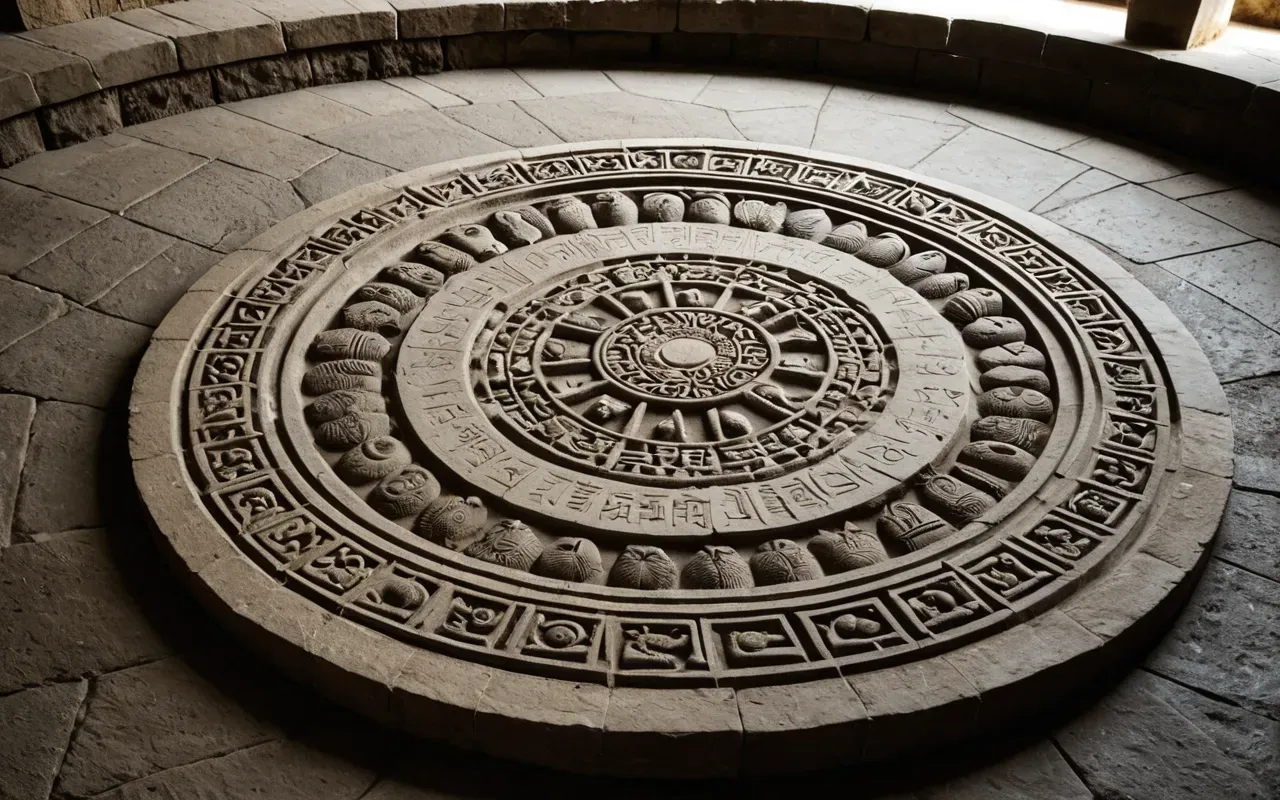
Why This Changes Our View Of Human Progress
We assume complexity demands hierarchy. We assume big projects require bosses, overseers, priests.
Göbeklitepe proves that assumption wrong. These people built monumental architecture through voluntary, collective labor.
That challenges the whole idea that religion drove settled life. What actually drove it was cooperation.
Farming came later, almost as a side effect of this intense social bonding and shared effort.
If you've been following how we keep misreading early human behavior, see how we got human history completely backwards and why it matters for how you understand society today.
The Real Story Behind The Buried Structures
The deliberate burial of structures wasn't some sacred taboo. It was a practical way to reset social spaces.
By filling in the circles, people stopped them from becoming inherited power bases for particular families.
Each generation could build new meaning into the space, unburdened by ancestral claims on the land.
This practice shows up in dwellings too. It was a routine way to handle change and renewal.
Calling it purely religious ignores the obvious social function of these actions.
Lessons From Other Sites Like Karahantepe
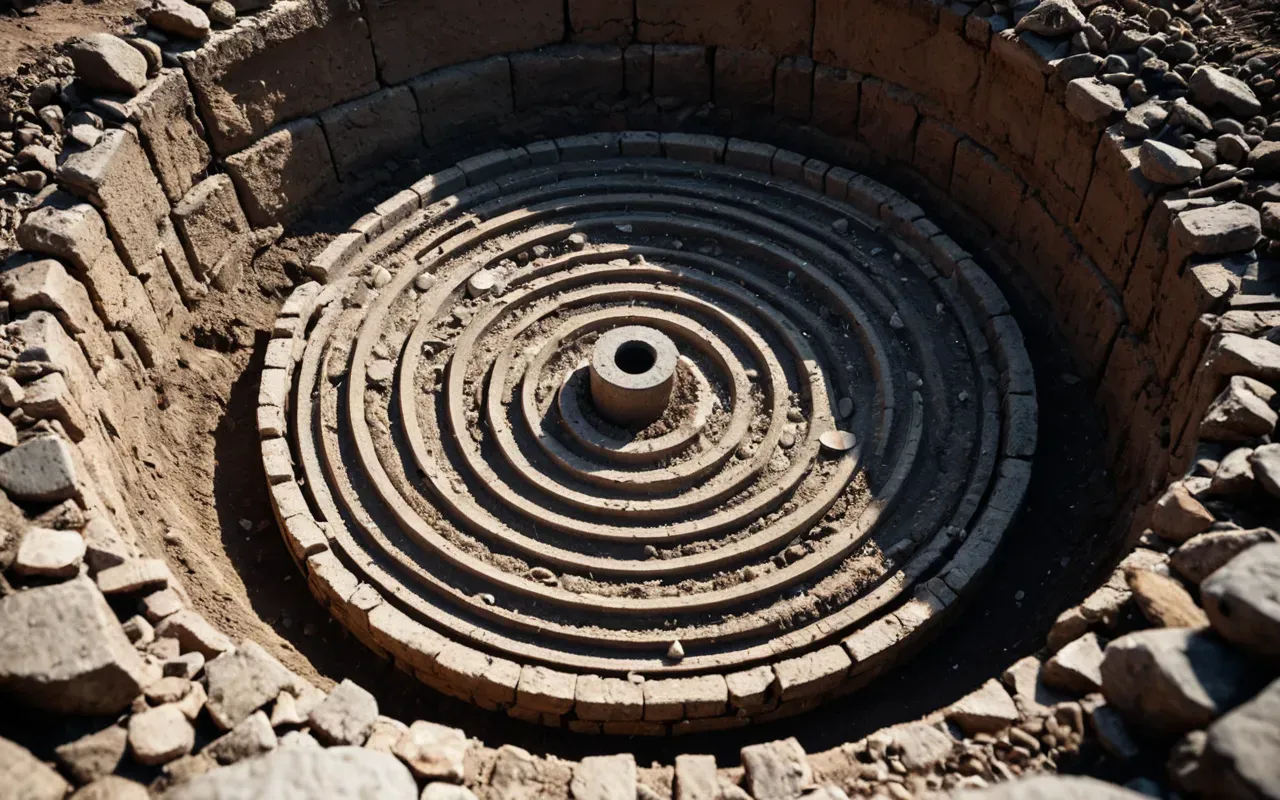
Karahantepe reveals the same circular structures embedded in living areas. This pattern is regional, not isolated.
That proves Göbeklitepe wasn't some freak anomaly. It was part of a wider cultural tradition.
Even smaller homes feature the T-shaped pillars. They served both practical and symbolic roles at once.
The temple label was a shortcut, a simplification that missed the broader social reality of these communities.
What This Means For How We See The Past
We need to stop projecting modern hierarchies onto ancient societies.
These people weren't primitive. They had complex social structures and shared, collective goals.
Their real achievement wasn't building temples. It was creating a society capable of cooperating at scale.
And honestly, that's a far more inspiring story than one about fear and worship.
The evidence is right there in the ground. The temple narrative was a modern invention, and it's time we let it go.